Creative Biolabs' Karyotype Analysis Service is the gold standard for assessing cell line macro-genomic stability, detecting large-scale chromosomal variations that NGS cannot match. It provides definitive cytogenetic data for regulatory filings, safeguarding iPSC reprogramming, gene editing and cell bank projects. Leveraging high-resolution G-banding, digital imaging and expert interpretation, the service de-risks R&D pipelines, validates biologic safety and ensures genetically sound cellular chassis for drug discovery.
Discover How We Can Help - Request a Consultation
Karyotype analysis is a core cytogenetic technique for evaluating the genetic stability of induced pluripotent stem cells (iPSCs). It detects chromosomal abnormalities including numerical variations (e.g., trisomy, monosomy) and structural aberrations (e.g., translocation, deletion, duplication) that may arise during reprogramming, long-term passaging or genetic editing.
This assay relies on the observation of chromosome morphology and number in iPSCs at the metaphase stage of the cell cycle. Cells are first arrested in metaphase using mitotic inhibitors (e.g., colchicine), then subjected to hypotonic treatment, fixation and staining (e.g., G-banding, Q-banding). Stained chromosomes display characteristic banding patterns, allowing identification of individual chromosomes and detection of abnormalities via microscopic observation and karyotyping.
Our streamlined process is designed for precision and transparency, ensuring high-quality metaphase spreads and accurate reporting.
Creative Biolabs provides a one-stop cytogenetic platform designed to meet the rigorous demands of both academic research and industrial biomanufacturing. We specialize in providing highly customized services tailored to the unique genetic background of your specific cell lines.
from initial cell line reprogramming and pilot-scale validation to large-scale master cell bank (MCB) characterization.
with the capability to detect complex structural rearrangements and low-level mosaicism.
for specific "hotspots" of instability, including targeted analysis of the DCC gene (18q21.2) and HIST2 histone clusters.
integrating Quality-by-Design (QbD) principles and rigorous Process Analytical Techniques (PAT) to ensure reproducible data.
including CHO, HEK293, and various microbial platforms used in large-scale fermentation tanks (up to 12,000L).
following ISCN nomenclature and the basic principles of Good Manufacturing Practice (GMP).
providing high-standard quality control for human, murine, rat, and porcine cell lines.
using a high-standard approach to quantify risk and evaluate the long-term tumorigenic potential of therapeutic cell products.
Experience the Creative Biolabs Advantage - Get a Quote Today
Spontaneous genetic variations in induced pluripotent stem cells (iPSCs) are subject to selection during in vitro culture. Certain prevalent recurrent karyotypic abnormalities include the gain of whole or partial chromosomes 20, 1, 12, 17, 8 and X, as well as the loss of chromosomes 10 and 18. These abnormalities can modify cellular phenotypes and suppress the proliferation of wild-type cells. The karyogram of the P5L5 cell line reveals multiple spontaneous chromatid exchanges and breaks, with the arrow marking the breakpoint of the aberration.
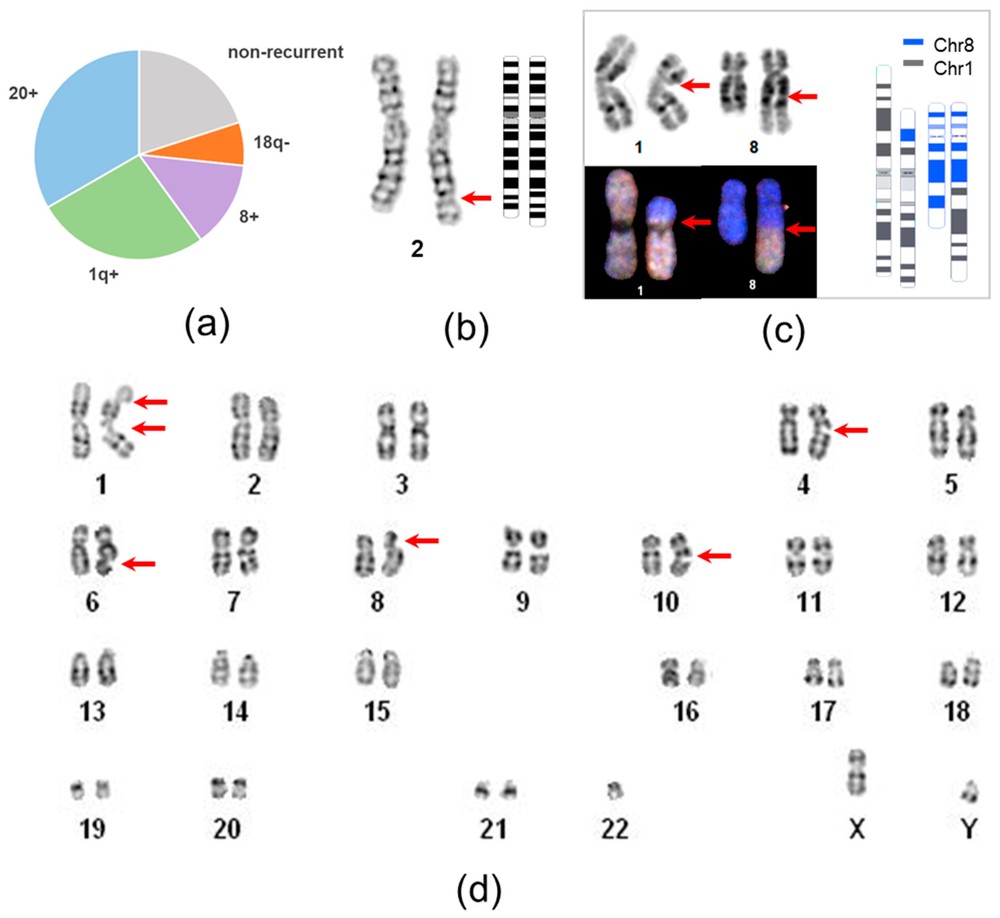 Fig.1 The influence of different types of karyotype abnormalities on the genetic instability and non-recurrent distorted structure of iPSCs.1
A: While WGS is excellent for SNPs and micro-deletions, it often struggles to detect balanced translocations or low-level mosaicism that karyotyping visualizes with ease. For regulatory safety profiles, visualizing the physical structure of the chromosomes is often a standard requirement.
A: By default, we analyze 20 metaphase spreads, which provides a 95% confidence level for detecting mosaicism present in 14% or more of the population. We offer expanded analysis (up to 100 cells) for higher sensitivity requirements.
A: Yes. Creative Biolabs provides routine karyotyping for murine (mouse), rat, and CHO cell lines, which are frequently used in biopharmaceutical manufacturing.
A: We recommend shipping T25 flasks at 60% confluence via overnight courier. Alternatively, we provide a protocol for methanol/acetic acid fixation, which allows for stable shipment at room temperature.
A: If a sample fails our initial QC due to low mitotic index, our experts will consult with you to optimize culture conditions (e.g., media additives or seeding density) and offer a repeat analysis at a discounted rate.
Creative Biolabs provides a suite of cytogenetic solutions, headlined by our high-resolution Karyotype Analysis Service. We empower researchers to maintain the highest standards of genomic integrity, ensuring that every cell line used in drug discovery or therapy is safe, stable, and scientifically sound.
Contact Our Team for More Information and to Discuss Your Project
Reference
For Research Use Only. Not For Clinical Use.