
Cell Therapy VS Gene Therapy: Which Holds the Key to Curing Disease?
Medicine is entering a new age. Today, we are not just treating symptoms. We are learning how to fix the causes of diseases. Two powerful new treatments are leading the way: cell therapy and gene therapy (Fig.1). These therapies are already helping people with cancer, rare genetic diseases, and more. Some patients who had no other options are now seeing real hope.
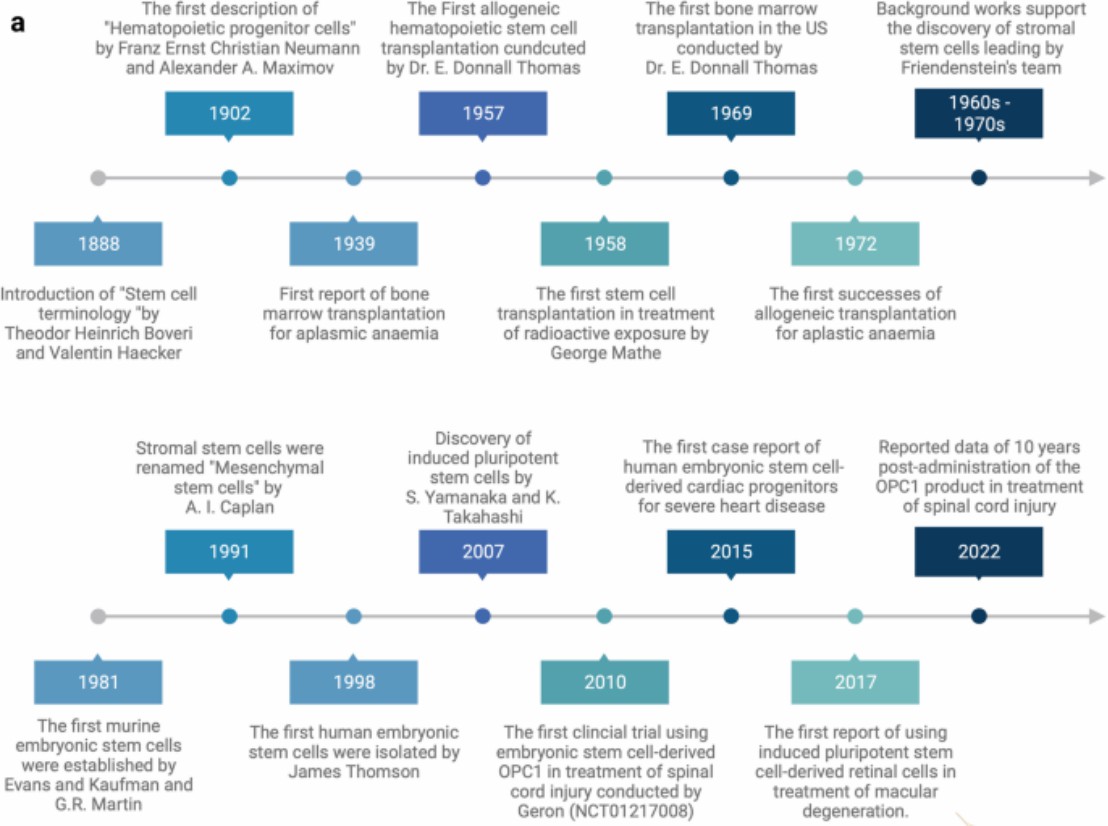 Fig.1 Stem cell-based therapy: the history and cell source5,11.
In this article, we will explain what cell therapy and gene therapy are. We will show how they are different, how they work, and why they are important.
Cell Therapy: The "Seeds" of Life, Hope for Renewal
Cell therapy is an advanced medical treatment that uses living cells to repair or replace damaged tissues in the body (Fig.2). These cells can be taken from the patient themself (called autologous cells) or from a donor (called allogeneic cells). After preparation and sometimes modification in the laboratory, the cells are delivered back into the patient to help restore normal function. You can think of cells as the "seeds" of the body. Just like healthy seeds can grow into strong plants, healthy cells can help regenerate or rebuild parts of the body that are injured or not working properly.
There are two common types of cell therapy. One is immune cell therapy, such as CAR-T therapy (Fig.3), where a patient's immune cells are trained to recognize and kill cancer cells. Another is stem cell therapy, where stem cells are used to repair damaged organs or tissues because they have the ability to develop into many different types of cells1,2.
Today, cell therapy is being used to treat blood cancers like leukemia and lymphoma. It is also being studied for other conditions, including spinal cord injuries, heart disease, and autoimmune disorders3,4.
Although cell therapy is still developing, it brings new possibilities for treating diseases that were once considered incurable. It represents a major step toward personalized and regenerative medicine4.
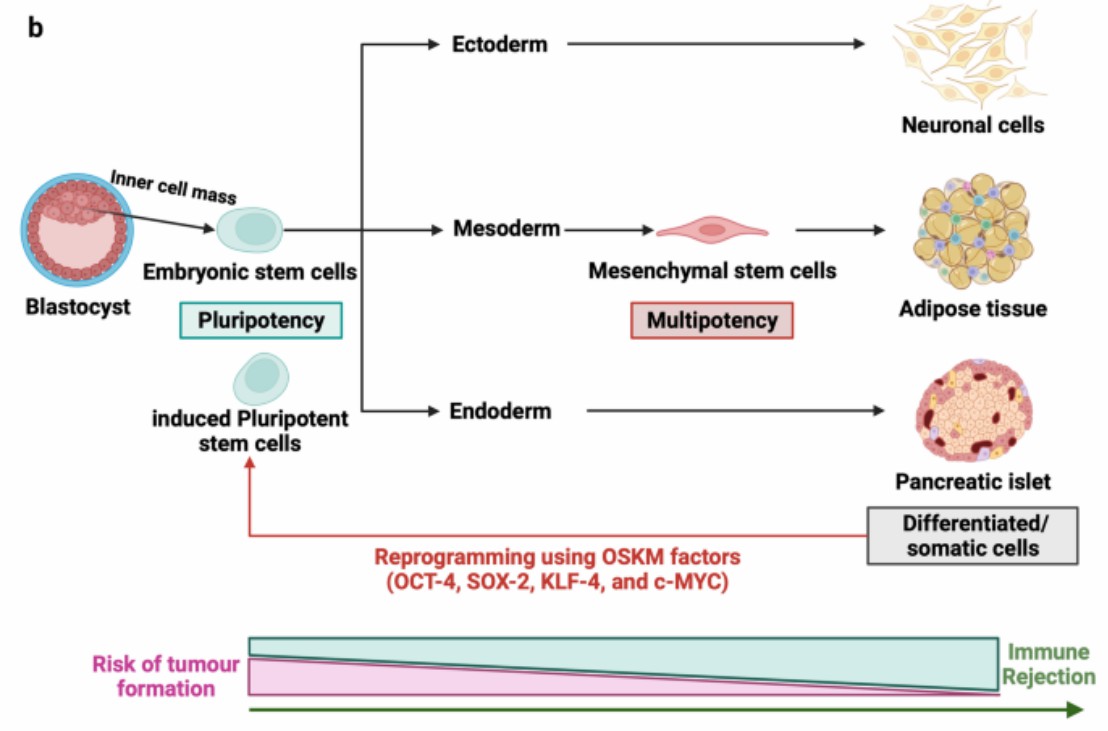 Fig.2 Schematic of the different cell sources that can be used in stem cell-based therapy5,11.
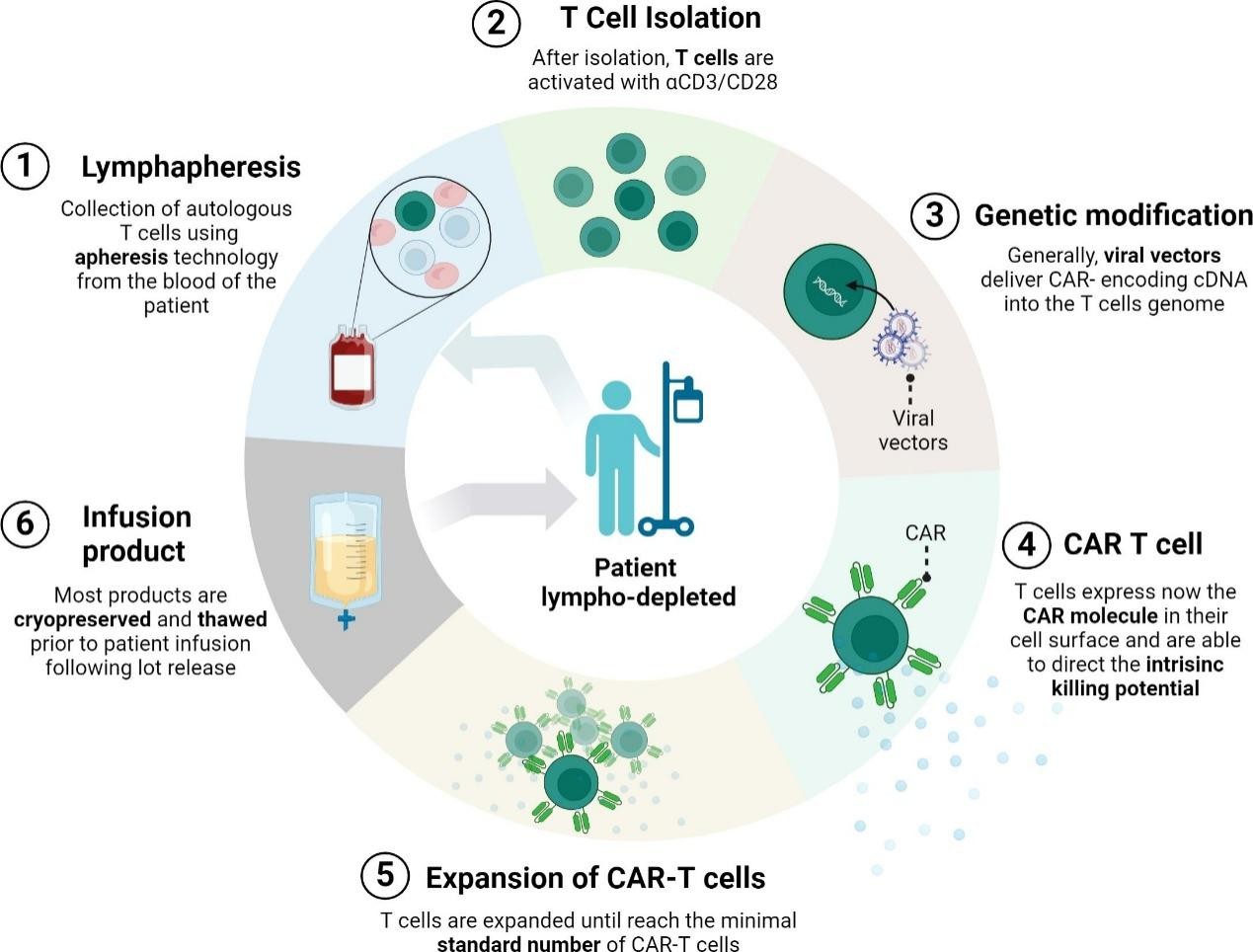 Fig.3 CAR-T manufacturing process6,11.
Gene Therapy: Rewriting the "Code of Life", Hope for a Cure
Gene therapy is an innovative treatment that works by repairing or modifying genes within a person's cells (Fig.4). Genes act as the "code of life," directing the body's development, functions, and repair processes. When a gene contains an error, it can lead to serious diseases. For example, phenylketonuria causes harmful substances to build up in the body, affecting brain development, while cystic fibrosis results in thick, sticky mucus that clogs the lungs and other organs, posing major health risks. Gene therapy seeks to address this by adding a healthy copy of a gene, editing the defective gene, or silencing genes that cause harm.
One of the most well-known examples is the use of gene therapy to restore vision in individuals with inherited retinal disorders, such as Leber's congenital amaurosis. This demonstrates the transformative potential of the technology. Currently, gene therapy has been approved or is under investigation for a range of conditions, including spinal muscular atrophy (SMA), hemophilia, certain forms of cancer, and viral infections such as human immunodeficiency virus (HIV).
Compared to conventional treatments, gene therapy offers significant advantages. In many cases, it can be administered as a single-dose intervention and directly addresses the root genetic cause of disease, rather than merely managing symptoms. However, it also presents challenges, including high development and treatment costs, technical delivery hurdles, and ongoing concerns about long-term safety and ethical implications.
Despite these limitations, gene therapy represents a powerful step forward in modern medicine. By correcting genetic instructions from within, it offers hope for lasting cures to conditions once considered irreversible.
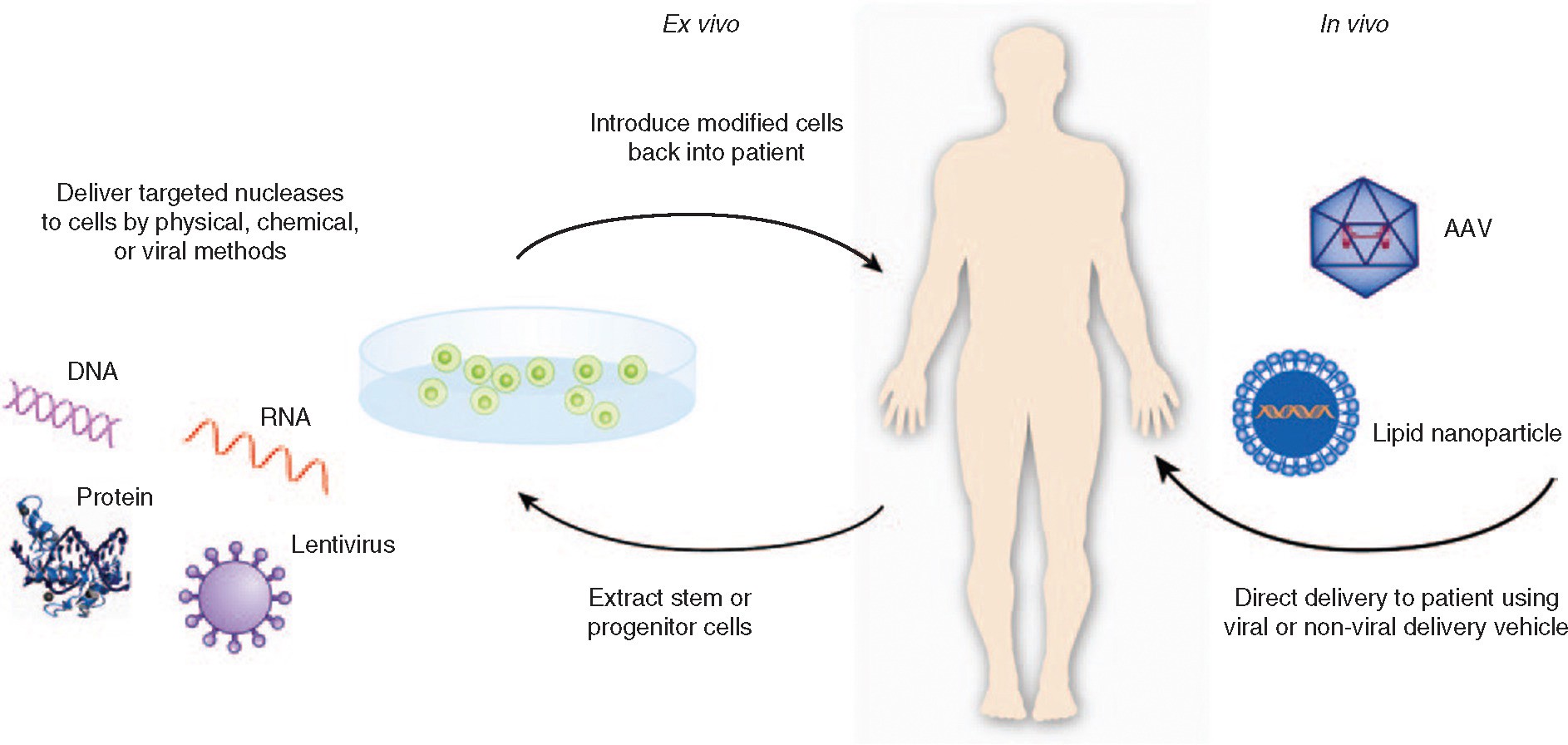 Fig.4 Ex vivo and in vivo strategies for therapeutic genome editing7,11.
Cell Therapy vs. Gene Therapy: Who Will Prevail?
Both cell therapy and gene therapy are powerful tools of modern medicine, but they achieve therapeutic ends in different ways. Cell therapy "repairs the body from the outside in" by adding new or modified cells to replace ones that have been damaged; gene therapy "repairs the body from the inside out" by fixing the genetic instructions inside the cells themselves. There are different pros to each. Cell therapy is frequently used to treat blood cancers with immune-based approaches, like CAR-T cell therapy, and gene therapy has been successful for some inherited diseases, like spinal muscular atrophy and hemophilia. These therapies aren't competing with each other, they are more like partners — many of those future therapies could use both, with the engineered genes inside therapeutic cells feigning to get better results. Neither therapy is perfect. Cell therapies are restricted by sources of cells and immune rejection and gene therapies still suffer from issues in delivery and safety issues. Selecting the appropriate therapy comes down to which disease, the patient's condition and what technology that's available. As ongoing research proceeds, we may see combined treatments that combine both approaches to provide
more powerful and durable treatments for complicated diseases in the future(Fig.5).
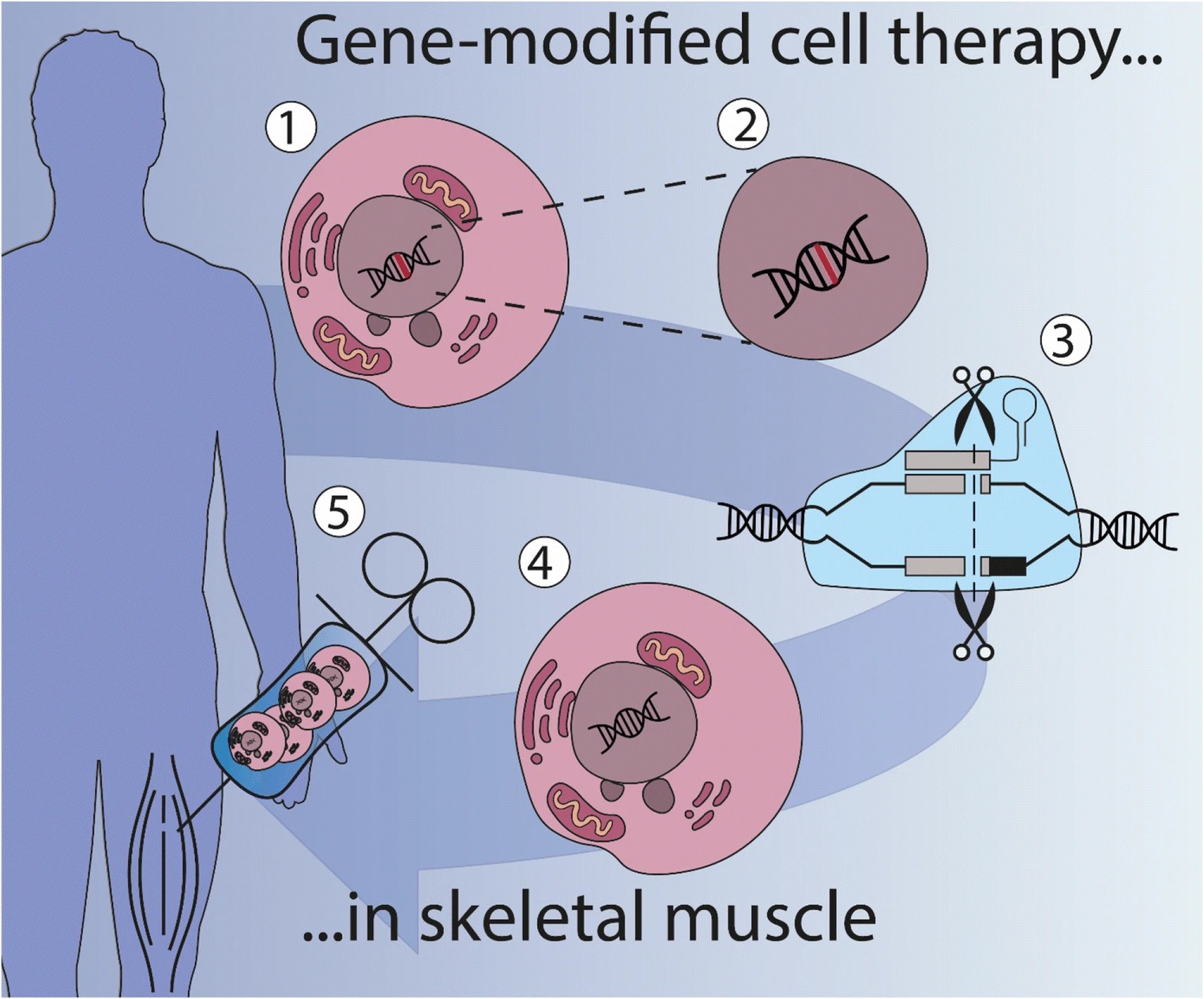 Fig.5 Ex vivo gene therapy in cells bridges cell and gene therapy9,11.
How Are They Different?
Table 1. Comparison of Cell Therapy and Gene Therapy Across Key Parameters
Breakthroughs and Application
In recent years, both cell therapy (Fig.6) and gene therapy have recently achieved significant milestones, including multiple FDA-approved treatments. For example, cell therapies such as Kymriah and Yescarta are used to treat certain blood cancers, including leukemia and lymphoma. Also known as cell-based therapies or living drugs, these treatments use a patient's own immune cells, reprogrammed in the laboratory to proliferate and then to seek and destroy cancer cells. On the gene therapy front, Zolgensma has been approved for children with spinal muscular atrophy (SMA) , the rare genetic disorder that impacts muscle movement. Another gene therapy, Luxturna, has restored some vision to people with an inherited eye condition. These treatments have transformed lives, providing real hope where none existed. But they are currently used for severe or unusual diseases, as the technology is complicated and in many cases very expensive9. Nevertheless, as these initial successes demonstrate, these therapies hold great promise for the future of medicine.
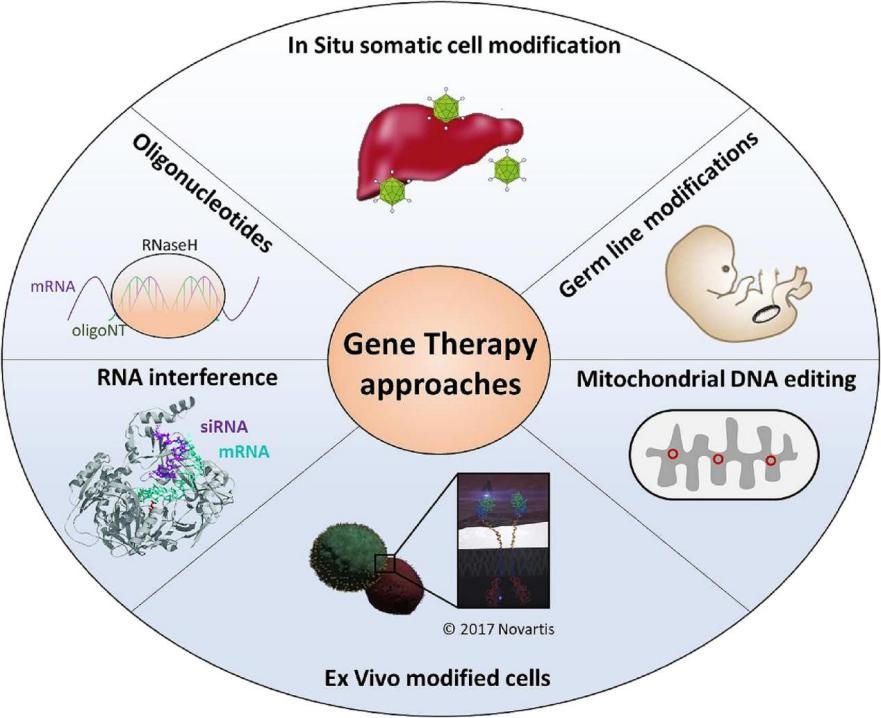 Fig.6 The expanding Gene Therapy field10,11.
The Future: Personalized Repair Kits for the Human Body
Looking ahead, scientists are working hard to make cell and gene therapies safer, more affordable, and easier to use. One exciting direction is the combination of both approaches. For example, using stem cells that have been genetically engineered to repair damaged tissues more precisely. These "personalized repair kits" could be designed to match each patient's unique needs, offering treatments that work better and last longer. In the future, such therapies may not only be used for rare or life-threatening diseases, but also for more common conditions like diabetes, heart failure, or even arthritis. As research continues, the hope is that these powerful tools will become part of everyday medicine, helping more people live longer and healthier lives.
References
- Acharya S, Shaha S, Bibbey MG, et al. Stem cell therapies in the clinic. Bioengineering & Translational Medicine 2025;10(3):e70000. https://doi.org/10.1002/btm2.70000.
- Götherström C, Walther-Jallow L. Stem Cell Therapy as a Treatment for Osteogenesis Imperfecta. Curr Osteoporos Rep 2020;18(4):337–343. https://doi.org/10.1007/s11914-020-00594-3.
- Trounson A, McDonald C. Stem Cell Therapies in Clinical Trials: Progress and Challenges. Cell Stem Cell 2015;17(1):11–22. https://doi.org/10.1016/j.stem.2015.06.007.
- Hartmann J, Schüßler‐Lenz M, Bondanza A, et al. Clinical development of CAR T cells—challenges and opportunities in translating innovative treatment concepts. EMBO Molecular Medicine 2017;9(9):1183–1197. https://doi.org/10.15252/emmm.201607485.
- Hoang DM, Pham PT, Bach TQ, et al. Stem cell-based therapy for human diseases. Sig Transduct Target Ther 2022;7(1):1–41. https://doi.org/10.1038/s41392-022-01134-4.
- Rangel-Peláez C, Martínez-Gutiérrez L, Tristán-Manzano M, et al. CD19 CAR-T cell therapy: a new dawn for autoimmune rheumatic diseases? Front Immunol 2024;15. https://doi.org/10.3389/fimmu.2024.1502712.
- Anonymous. Genome-editing Technologies for Gene and Cell Therapy. Molecular Therapy 2016;24(3):430–446. https://doi.org/10.1038/mt.2016.10.
- Ausems CRM, van Engelen BGM, van Bokhoven H, et al. Systemic cell therapy for muscular dystrophies. Stem Cell Rev and Rep 2021;17(3):878–899. https://doi.org/10.1007/s12015-020-10100-y.
- Dunbar CE, High KA, Joung JK, et al. Gene therapy comes of age. Science 2018;359(6372):eaan4672. https://doi.org/10.1126/science.aan4672.
- Papaioannou I, Owen JS, Yáñez‐Muñoz RJ. Clinical applications of gene therapy for rare diseases: A review. Int J Exp Pathol 2023;104(4):154–176. https://doi.org/10.1111/iep.12478.
- Distributed under Open Access license CC BY 4.0, without modification.
