We offer an end-to-end solution, managing everything from initial target validation and customized antibody development to large-scale sample analysis and data interpretation.
Are you currently facing challenges such as inconsistent biomarker detection in hypoxic tumor environments, difficulty in quantifying metabolic enzymes in mitochondrial fractions, or the need for highly specific antibodies for complex clinical samples? Our AK4 Analysis Services help you achieve reproducible results and deep biological insights through Creative Biolabs' proprietary high-affinity antibody platforms and ultrasensitive detection technologies. We provide a comprehensive solution to quantify Adenylate Kinase 4 (AK4) with high specificity, enabling you to accelerate drug discovery and diagnostic development.
Contact our team to get an inquiry now!
Introduction of AK4
Adenylate Kinase 4 (AK4), a member of the adenylate kinase family, plays a pivotal role in maintaining cellular energy homeostasis. Unlike its counterparts AK1 and AK2, AK4 is localized within the mitochondrial matrix and possesses unique biochemical properties; it is enzymatically inactive in standard phosphotransferase assays but functions as a critical stress-responsive protein. Research indicates that AK4 is highly induced under hypoxia and oxidative stress, mediated largely through the HIF-1α signaling pathway.
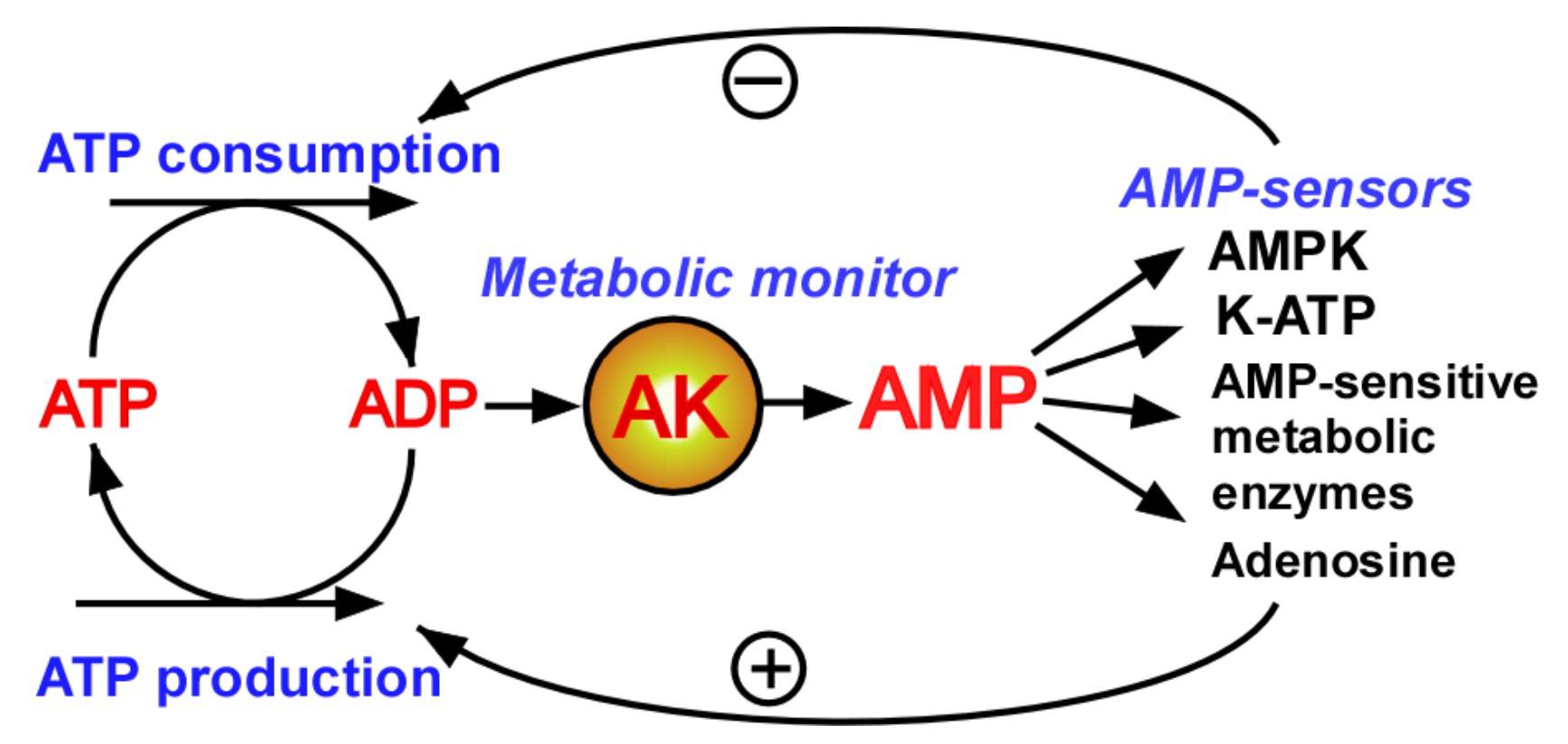 Fig.1 Adenylate kinase metabolic monitoring system.1
Structurally, AK4 contains the highly conserved P-loop (Walker A motif) for ATP binding, yet it exhibits a distinct regulatory mechanism that prevents adenine nucleotide degradation during metabolic crises. Its primary function involves the regulation of the mitochondrial permeability transition pore (mPTP) and the modulation of AMPK/mTOR signaling. In clinical contexts, AK4 is recognized as a significant biomarker for several aggressive malignancies, including non-small cell lung cancer (NSCLC) and hepatocellular carcinoma, where its overexpression correlates with poor prognosis, chemoresistance, and increased metastatic potential. By monitoring AK4 levels and activity, researchers can gain deep insights into the metabolic reprogramming of cancer cells and the efficacy of therapeutic interventions targeting mitochondrial metabolism.
Application
Creative Biolabs' AK4 analysis services are designed to meet the rigorous demands of modern biopharmaceutical research. Key applications include:
- Oncology Research & Diagnostics: Quantifying AK4 levels in tumor tissues to assess metabolic reprogramming and its correlation with patient prognosis and metastasis.
- Therapeutic Validation & Safety Profiling: Tracking fluctuations in AK4 levels as a surrogate indicator for compounds modulating organelle energetics or oxygen-deprived signaling mediators.
- Metabolic Disease Profiling: Investigating the role of AK4 in diabetic nephropathy and other conditions characterized by mitochondrial dysfunction.
- Biomarker Discovery: Validating AK4 as a circulating or tissue-specific biomarker for early disease detection and patient stratification in clinical trials.
- Protein-Protein Interaction Studies: Utilizing high-purity AK4 reagents to map interactomes related to oxidative stress response and cellular survival.
Service Highlights
At Creative Biolabs, we combine decades of biological expertise with cutting-edge platforms to deliver superior AK4 analysis. Our service stands out through:
One-Stop Service
Exceptional Specificity
Leveraging Creative Biolabs' proprietary hybridoma and phage display technologies, we ensure our AK4 antibodies show zero cross-reactivity with other adenylate kinase isoforms (e.g., AK1, AK2).
Superior Resolution & Limit of Quantitation
Our methodology is refined to identify AK4 at sub-picogram concentrations, guaranteeing dependable data even within specimens containing minimal basal expression levels.
Guaranteed Quality
All assays undergo rigorous QC analysis, including SDS-PAGE for purity and ELISA/HPLC for stability. Published Data confirms our ability to maintain batch-to-batch consistency with CVs <10%.
Validated for Complex Matrices
Whether your samples are serum, cell lysates, or formalin-fixed paraffin-embedded (FFPE) tissues, our protocols are optimized for high-recovery rates.
Expert Consultation
Work directly with Creative Biolabs' PhD-level scientists to tailor the experimental design to your specific research goals.
Service Workflow
01Initial Consultation and Project Design
The process begins with a detailed consultation where our scientific team discusses your research goals, target AK4 isoforms, sample types, and desired analytical outcomes. This collaborative phase establishes critical parameters and customizes the assay strategy to your project requirements.
02Sample Submission and Quality Control
Clients provide starting biological materials. All samples undergo stringent quality control upon receipt, including protein quantification and integrity checks, ensuring suitability for reliable, reproducible assay performance.
03Assay Development and Optimization
For novel or challenging matrices, our experts undertake comprehensive assay development. This includes selecting and validating AK4-specific reagents and establishing optimal reaction conditions to ensure peak performance and fit-for-purpose validation that meets analytical standards.
04Data Acquisition and Analysis
Once optimized, samples are processed using our state-of-the-art platforms, including ultrasensitive immunoassays and quantitative Western blotting. High-quality data is meticulously acquired and interpreted using rigorous statistical methods to derive meaningful insights.
05Final Report and Consultation
The project concludes with a comprehensive final report detailing methodology, raw data, processed results, and expert interpretation. A follow-up consultation is provided to discuss findings and recommend subsequent research steps or scale-up options.
FAQs
-
What biological characteristics distinguish AK4 from other adenylate kinase family members as a stress biomarker?
Unlike AK1 (cytosolic) or AK2 (mitochondrial intermembrane space), AK4 is localized within the mitochondrial matrix and lacks significant phosphotransferase activity under physiological conditions. It functions primarily as a survival protein regulated by the HIF-1α and NRF2 pathways, making its upregulation a highly specific indicator of cellular adaptation to hypoxia and oxidative stress.
-
How is high analytical specificity maintained between AK4 and the closely related AK3 isoform?
AK4 and AK3 share significant structural homology and mitochondrial localization. Distinction is achieved through the identification of unique surface-exposed epitopes and rigorous validation against purified recombinant AK3 proteins. This ensures that quantitative measurements reflect the true concentration of AK4 without interference from other mitochondrial kinases.
-
What dictates the requirement for ultra-sensitive detection limits in AK4 quantification?
In pathological states such as advanced malignancies or acute tissue injury, AK4 can be released into the extracellular matrix and systemic circulation. Reaching picogram-per-milliliter sensitivity is critical for identifying these low-abundance protein shifts, which often precede gross morphological changes in metabolic research models.
-
Are standard histological fixatives compatible with the detection of mitochondrial AK4?
AK4 is stable in formalin-fixed paraffin-embedded (FFPE) tissues; however, the fixation process can mask mitochondrial epitopes. Successful detection requires optimized heat-induced epitope retrieval (HIER) protocols to regain access to the mitochondrial matrix antigens, allowing for accurate spatial mapping of the protein via immunohistochemistry.
-
Which biochemical factors are most critical for preserving AK4 immunoreactivity during sample preparation?
Preservation of the mitochondrial membrane integrity and the prevention of phosphorylation-state changes are vital. Utilizing chilled extraction buffers, specialized detergents for mitochondrial solubilization, and a robust cocktail of protease and phosphatase inhibitors ensures that the AK4 protein remains in its native conformation for accurate downstream analysis.
Creative Biolabs offers a premier suite of AK4 Analysis Services, combining deep biological expertise with robust technical platforms. From initial discovery to the development of diagnostic tools, we provide the high-specificity antibodies, validated assays, and expert consultation necessary to advance your metabolic research. Our commitment to high purity, low endotoxin levels, and comprehensive QC ensures that your results are not only accurate but also fully reproducible.
Reference
- Dzeja, Petras, and Andre Terzic. "Adenylate kinase and AMP signaling networks: metabolic monitoring, signal communication and body energy sensing." International journal of molecular sciences vol. 10,4 1729-1772. 17 Apr. 2009, Distributed under Open Access license CC BY 4.0, without modification. https://doi.org/10.3390/ijms10041729
For Research Use Only.