Quantifying ICAM-1, especially sICAM-1, helps identify and validate disease biomarkers. Elevated sICAM-1 correlates with inflammatory and cardiovascular conditions, serving as a valuable indicator for disease progression and therapeutic response. Our analysis establishes ICAM-1 as a reliable surrogate marker, streamlining clinical trials.
At Creative Biolabs, our expert team provides comprehensive ICAM-1 analysis services, offering a variety of strategic options to help customers accelerate their drug development programs. Whether you require an off-the-shelf solution or a highly customized assay for ICAM-1 identification and quantification, our breadth of technical platforms provides the precise immunology solution you need, for both singleplex and multiplex data.
Introduction of ICAM1
Intercellular adhesion molecule-1 (ICAM-1), also known as CD54, is a crucial transmembrane glycoprotein. Comprising five Ig-like domains, a transmembrane domain, and a short cytoplasmic tail, its glycosylated molecular weight ranges from 85-110 kDa. ICAM-1 primarily binds lymphocyte function-associated antigen 1 (LFA-1) and macrophage antigen 1 (Mac-1), interactions fundamental for cell adhesion, cell-matrix interactions, and signal transduction. ICAM-1 also interacts with fibrinogen, enhancing leukocyte adhesion and neutrophil transmigration, highlighting its pivotal role in immune and inflammatory responses.
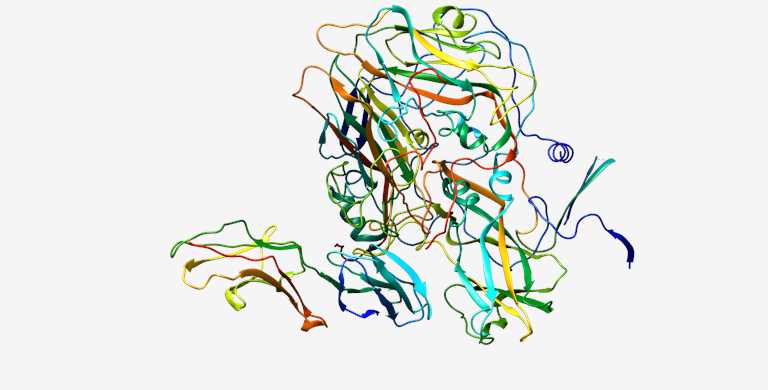 Fig.1 ICAM structure. Distributed under CC BY-SA 4.0, from Wiki, without modification.
Soluble ICAM-1: A marker of vascular inflammation
The level of ICAM1 expression is upregulated in response to some inflammatory stimulations such as pathogen infection and proinflammatory cytokines. The soluble form of ICAM1 (sICAM1) is derived from the membrane form of ICAM1 (mICAM1) by proteolysis, and sICAM1 has been revealed as a candidate marker for vascular inflammation. sICAM1 fulfills enough suitable criteria to regard it as a marker of vascular inflammation.
- The release of circulating forms of ICAM1 is believed to reflect ICAM1 expression on endothelial cells.
- The level of sICAM1 in humans correlates with the extent of atherosclerosis.
- sICAM-1 can be easily determined in the plasma/ serum using ELISA assays.
ICAM1 Analysis Services at Creative Biolabs
Creative Biolabs provides professional and comprehensive analysis services for ICAM-1 identification and quantification. Beyond raw data generation, we assist with data interpretation and deeper mining through powerful bioinformatics techniques to screen out potential biomarkers. With years of unremitting efforts, Creative Biolabs has developed an innovative new assay that seamlessly combines the specificity and ease of use of an ELISA with the sensitivity of real-time PCR (RT-PCR). This cutting-edge hybrid assay enriches our detection platform, enabling the use of lower sample volumes while simultaneously providing superior sensitivity for your research needs.
Our specialized ICAM-1 analysis services include:
- Permeability Assay
Measuring the integrity and permeability of endothelial or epithelial cell layers in response to various stimuli.
- Adhesion Assay
Quantifying the adherence of cells (e.g., leukocytes) to ICAM-1 expressing surfaces or cells under controlled conditions.
- Transmigration Assay
Evaluating the ability of cells to migrate across a barrier, often mimicking transendothelial migration mediated by ICAM-1.
- ICAM-1 mRNA Expression Analysis
Assessing the transcriptional regulation of the ICAM1 gene using highly sensitive and quantitative PCR methods.
- Protein Expression & Localization (WB, IHC, ICC/IF, Flow Cytometry)
Direct quantification of ICAM-1 protein levels and visualization of its cellular and tissue distribution.
- sICAM-1 Quantification (ELISA)
Highly accurate measurement of circulating sICAM-1 levels in various biological fluids for biomarker studies.
Service Workflow
Our ICAM-1 analysis services are designed for seamless execution and robust data delivery, ensuring your project progresses efficiently from initial concept to actionable results.
01Initial Consultation & Project Design
Our process begins with a detailed consultation to collaboratively design a tailored experimental plan. We review your research objectives and specific ICAM-1 analysis needs, ensuring optimal alignment of assays with your scientific questions.
02Sample Submission
Customers submit relevant biological samples (e.g., cell lines, tissues, fluids). We provide clear guidelines for preparation and shipping to ensure sample integrity and optimal assay performance.
03Experimental Execution
Our skilled team performs agreed-upon ICAM-1 assays using state-of-the-art equipment and validated protocols. This involves meticulous sample processing, reagent handling, and rigorous quality control at every stage, ensuring data reliability.
04Data Acquisition & Preliminary Analysis
Following assay completion, raw data are acquired from relevant platforms (e.g., ELISA, flow cytometry, qPCR). Initial analysis includes baseline processing, normalization, and quality assessment to identify anomalies.
05Comprehensive Data Analysis & Interpretation
Advanced bioinformatics tools perform in-depth data analysis, including statistical evaluation, comparative analysis, and integration with biological pathways. Our scientific team interprets results against your project goals, highlighting key findings and implications.
06Final Report & Consultation
A comprehensive report detailing methodologies, raw data, analyzed results, and expert interpretations is delivered. We offer a follow-up consultation to discuss findings and provide strategic insights for subsequent research steps.
Applications
Biomarker Discovery and Validation
Therapeutic Target Identification
Due to its central role in cellular adhesion and leukocyte trafficking, ICAM-1 is a compelling therapeutic target. Analyzing its expression and function in disease models pinpoints its involvement in pathological processes, guiding targeted drug development to modulate inflammation or inhibit metastasis. This validates ICAM-1 as a druggable target.
Immunomodulation and Drug Efficacy Testing
ICAM-1 analysis is vital for evaluating new drug candidates' immunomodulatory effects and efficacy. Monitoring ICAM-1 changes in response to a therapeutic agent assesses its anti-inflammatory potential and impact on immune cell recruitment. This provides critical preclinical and clinical data, ensuring optimal drug performance.
Disease Mechanism Elucidation
Investigating ICAM-1's expression, localization, and interaction partners offers deep insights into fundamental disease mechanisms. Understanding its contribution to chronic inflammation, autoimmune attacks, neuroinflammation, or cancer metastasis unravels complex pathological pathways. Our comprehensive analysis builds a complete picture of disease pathogenesis, paving the way for innovative treatments.
Pathogen-Host Interactions
ICAM-1 is a crucial receptor for various pathogens. Analyzing its role in host-pathogen interactions reveals infection mechanisms and disease severity. This insight is vital for developing novel antiviral, antiparasitic strategies, and vaccines by targeting microbial adhesion pathways.
Service Highlights
- Expertise & Experience: Our biologists, with over two decades in biomarker analysis, provide expert guidance. Their deep scientific knowledge ensures robust assay design and precise ICAM-1 interpretation.
- Advanced Platforms: We leverage cutting-edge platforms, including our innovative ELISA/RT-PCR hybrid assay, for high specificity and sensitivity. These tools accurately quantify ICAM-1 across diverse samples.
- Customized Solutions: We provide highly customizable assay development, tailored to your unique research. This bespoke approach delivers maximally relevant, actionable data for your objectives.
- Comprehensive Data Analysis: Beyond raw data, our bioinformatics support aids in-depth data interpretation and biomarker screening. We transform complex datasets into clear insights, advancing biological understanding.
FAQs
-
How is the membrane-bound ICAM-1 distinguished from soluble ICAM-1 in your assays?
Membrane-bound ICAM-1 (mICAM-1) is typically assessed through techniques that detect cell surface proteins, such as Flow Cytometry on live cells or Western Blot and Immunohistochemistry on cell/tissue lysates. Soluble ICAM-1 (sICAM-1), being a circulating form, is primarily quantified using highly sensitive ELISA assays performed on biological fluids like serum or plasma, ensuring accurate distinction and measurement for each form.
-
Is it possible to analyze ICAM-1 in combination with other biomarkers?
Absolutely, our flexible technical platforms are capable of performing both singleplex and multiplex biomarker analysis, allowing for the concurrent investigation of ICAM-1 alongside other relevant biomarkers. This integrated approach provides a more comprehensive understanding of complex biological pathways and disease mechanisms, enhancing the depth of your research findings.
-
What quality control measures are in place for your ICAM-1 analysis services?
We implement stringent quality control measures at every step of our ICAM-1 analysis workflow, including rigorous validation of reagents, calibration of instruments, and the use of internal controls and reference standards. Each assay undergoes thorough quality assessment to ensure the accuracy, precision, and reproducibility of all generated data, guaranteeing reliable results.
-
How do you ensure the specificity of your ICAM-1 detection methods?
Our ICAM-1 detection methods utilize highly specific antibodies and probes, validated extensively for their binding affinity and selectivity to ICAM-1, thereby minimizing off-target interactions. Furthermore, our innovative hybrid ELISA/RT-PCR assay combines the strengths of both techniques to enhance specificity and sensitivity, ensuring precise and reliable detection of ICAM-1.
-
Can you help with custom assay development for unique ICAM-1 research needs?
Yes, custom assay development is a cornerstone of our service offerings, allowing us to address highly unique and specialized ICAM-1 research requirements. Our expert team works closely with clients to design, optimize, and validate bespoke assays that perfectly align with specific experimental conditions or rare sample types, ensuring tailored solutions.
Creative Biolabs has the depth and breadth of expertise, tools, and capabilities to prepare and implement strategies to help drug developers effectively gain a competitive advantage - helping ensure your success in new product launches. Creative Biolabs is your partner of choice for any program which requires biomarker identification, assay development, qualification, and analysis to meet customer requirements.
If you are interested in our analysis services, please feel free to contact us for more information.
For Research Use Only.