BCHE testing identifies patients with "silent" genetic variants that cause prolonged apnea. This allows clinicians to tailor the administration of neuromuscular blockers like succinylcholine, significantly improving surgical safety and post-operative care.
Creative Biolabs' expert team utilizes a cutting-edge diagnostic platform to provide comprehensive BCHE analysis services. We offer multiple strategic options to help clients navigate the complexities of gene mutations and individual drug responses, ensuring precision in every research phase.
Introduction of BCHE
Human Butyrylcholinesterase (BCHE) is a 602-amino-acid glycoprotein primarily synthesized in the liver and secreted into the blood. It serves as a vital stoichiometric bioscavenger, capable of irreversibly binding and neutralizing organophosphorus compounds and harmful esters. Its structural complexity is defined by its existence in monomeric, dimeric, and tetrameric forms, with the tetramer being the most stable and clinically significant configuration in human plasma.
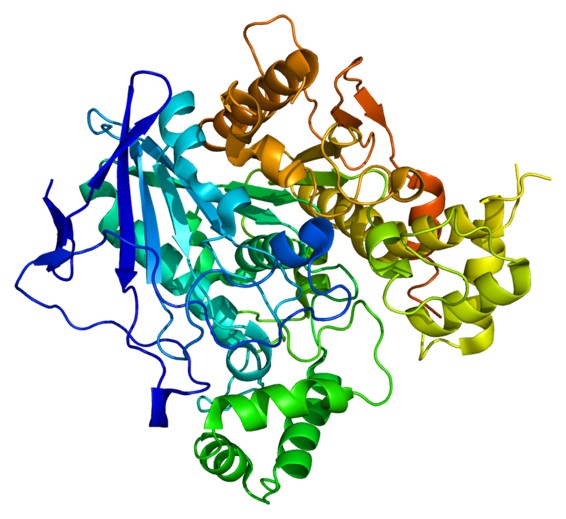 Fig.1 The structure of BCHE.Distributed under CC BY-SA 3.0, from Wiki, without modification.
The stability and circulating half-life of BCHE are heavily dependent on the tetramer's interaction with proline-rich PRAD2 peptides. Because BCHE expression levels and enzymatic activity are directly influenced by genetic polymorphisms, analyzing this biomarker is essential for predicting individual sensitivities to anesthetic agents and environmental toxins. Understanding the molecular architecture of BCHE allows researchers to develop targeted therapies for neurodegenerative diseases and metabolic disorders.
BCHE Analysis Services at Creative Biolabs
BCHE variations and polymorphisms are intricately linked to the pathogenesis of numerous diseases. As medical technology advances, BCHE-related biomarkers have become indispensable in precision medicine. We provide high-precision, customizable analytical solutions designed to meet specific research objectives.
Popular analysis services targeting BCHE include but are not limited to the following:
- BCHE Antibody Development
We engineer high-affinity monoclonal and polyclonal antibodies specifically targeted against native or recombinant BCHE, facilitating robust detection across various immunoassay platforms for research and diagnostic use.
- BCHE Protein Expression
Utilizing advanced mammalian and insect cell systems, we produce high-purity, biologically active BCHE proteins, ensuring the tetrameric configuration is preserved for accurate downstream functional studies.
- BCHE Mutants Expression
We specialize in the site-directed mutagenesis and expression of common BCHE variants, such as the A-variant or K-variant, allowing clients to study specific drug-enzyme interactions.
- BCHE Gene Analysis
Our genomic services utilize high-throughput sequencing to identify SNPs and rare mutations within the BCHE gene, providing critical data on hereditary deficiency and pharmacogenetic predisposition.
- BCHE ELISA Assay
We offer highly sensitive and specific ELISA kits and services to quantify total BCHE protein levels in plasma, serum, or tissue lysates with exceptional reproducibility.
- BCHE Inhibitor Screening Assay
Our platform enables the rapid screening of small molecules and natural compounds to identify potent BCHE inhibitors, a crucial step in developing treatments for Alzheimer’s disease.
- BCHE Inhibitory Activity Assay
We provide detailed kinetic profiling to determine the IC50 and Ki values of potential BCHE inhibitors, helping researchers characterize the potency and mechanism of enzyme inhibition.
- BCHE Enzyme Assay
Utilizing various methods and modified kinetic assays, we measure the specific activity of BCHE, distinguishing it from acetylcholinesterase to provide a clear metabolic profile.
- BCHE Chemistry Analysis
We perform advanced mass spectrometry and biochemical characterization to analyze the post-translational modifications and glycosylation patterns that affect BCHE stability and half-life.
Service Workflow
Our structured workflow ensures every BCHE analysis project is executed with maximum scientific rigor. The process follows these sequential steps:
01Initial Technical Consultation
We define the project scope, selecting the optimal BCHE analysis strategy—such as kinetic profiling or genotyping—based on the client's specific research goals.
02Sample Submission
Clients provide materials like plasma, serum, or DNA. We provide guidelines on temperature-controlled shipping to ensure the preservation of BCHE tetramer stability.
03Laboratory Processing
Our team performs the analysis using standardized protocols, including kinetic assays, BCHE gene PCR, or high-purity protein expression in specialized cell lines.
04Quality Control
Every BCHE sample undergoes rigorous QC checks, including curve validation for ELISA or sequence verification for mutants, ensuring absolute data integrity.
05Data Interpretation and Delivery
We compile a comprehensive report featuring raw data and biological summaries. This package is delivered securely, followed by a final consultation regarding research implications.
Applications
Pharmacogenomics of Anesthesia
Neonatal SIDS Risk Assessment
Analysis of BCHE levels in newborns serves as a potential biomarker for Sudden Infant Death Syndrome risk. Low enzyme activity correlates with impaired arousal pathways, providing a target for early preventive monitoring.
Alzheimer's Disease Research
Monitoring BCHE levels in the brain and plasma helps characterize the progression of neurodegeneration. Analyzing BCHE inhibitors supports the development of therapies aimed at maintaining cholinergic balance in the central nervous system.
Toxicology and Biodefense
BCHE serves as a critical indicator of exposure to organophosphate pesticides and nerve agents. Periodic analysis allows for the monitoring of occupational health in agricultural and industrial workers exposed to neurotoxic substances.
Metabolic and Obesity Studies
Given the positive correlation between BCHE activity and Body Mass Index (BMI), analysis of this enzyme provides insights into lipid metabolism disorders. It helps researchers understand the link between cholinergic activity and metabolic syndrome.
Systemic Inflammation Monitoring
BCHE activity acts as a negative acute-phase reactant. Analyzing its levels in septic patients or those with severe infections provides a robust prognostic marker for clinical outcomes and recovery speed.
Service Highlights
- Isoenzyme Specificity: Our assays are optimized to distinguish between BCHE and ACHE, ensuring zero cross-reactivity and highly accurate plasma profiling.
- Variant-Specific Genotyping: We offer targeted detection for rare BCHE variants, providing deeper insights than standard activity tests can offer.
- Quaternary Structure Preservation: Our protein expression protocols ensure the production of stable tetramers, mimicking the native form found in human circulation.
- High-Throughput Screening Capability: Our automated platforms allow for the rapid evaluation of thousands of potential BCHE inhibitors for pharmaceutical leads.
- Expert Interpretive Reporting: Every analysis is accompanied by a technical summary from PhD-level biologists specializing in esterase biochemistry and clinical diagnostics.
FAQs
-
Q: What is the primary difference between testing for BCHE activity and BCHE genotyping?
A: Activity testing measures the functional capacity of the enzyme to hydrolyze substrates, which can be affected by both genetics and health status. Genotyping specifically identifies the inherited DNA mutations on chromosome 3 that cause lifelong enzyme deficiencies or alterations.
-
Q: How should plasma samples be handled to ensure the stability of the BCHE tetramer?
A: Samples should be collected in heparin or EDTA tubes and centrifuged promptly. To maintain the structural integrity of the BCHE tetramer and its associated peptides, samples must be stored at -80°C and avoid repeated freeze-thaw cycles.
-
Q: Can your BCHE Inhibitor Screening Assay distinguish between reversible and irreversible inhibition?
A: Yes, our kinetic assays monitor the rate of enzyme recovery over time. By observing the reaction progress curves and using dilution methods, we can professionally characterize the binding kinetics and permanence of the inhibitory compound.
-
Q: Why is BCHE activity often measured in obesity and metabolic syndrome research?
A: BCHE is involved in the hydrolysis of ghrelin and shows a strong correlation with lipid profiles and BMI. Researchers monitor BCHE levels to investigate its role in the pathophysiology of weight gain and insulin resistance.
-
Q: How does Creative Biolabs ensure that BCHE protein expression yields active enzymes?
A: Our expression platforms include rigorous post-translational modification monitoring. We verify activity through substrate hydrolysis assays and use size-exclusion chromatography to confirm the presence of the biologically active tetrameric form.
-
Q: What factors might cause an acquired, rather than genetic, decrease in BCHE levels?
A: Acquired BCHE deficiency can be observed in patients with advanced liver disease, severe malnutrition, pregnancy, or those undergoing certain types of chemotherapy. Our analysis can help distinguish these cases from hereditary defects via genotype-phenotype correlation.
Creative Biolabs provides world-class BCHE analysis services, combining structural expertise with advanced diagnostic platforms to accelerate your research. Choose us for unrivaled precision and expert support in biomarker discovery. Contact us today for a formal quote.
For Research Use Only.