WT1 expression analysis serves as a valuable diagnostic and prognostic biomarker, particularly in hematologic malignancies like AML, where high expression is linked to a more aggressive disease and a higher risk of relapse.
Biomarkers offer certain values for diagnosis, monitor treatment efficacy, or for the development of novel therapeutic approaches for particular diseases. Therefore, the identification of specific biomarkers may be valuable in academic practice. Creative Biolabs has developed a full suite of research services for Wilms' tumor gene (WT1) to evaluate its expression and function.
Introduction of WT1
The WT1 gene, on chromosome 11p13, spans approximately 50 kb of DNA, with 10 exons encoding a 3 kb mRNA transcript. This transcript translates into a 449-amino-acid protein with a proline- and glutamine-rich amino terminus, featuring functional domains that enable crucial biological activities, including transcriptional repression, activation, self-association, DNA binding, RNA recognition, and nuclear localization.
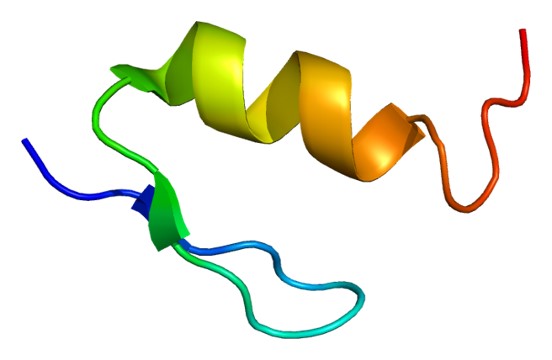 Fig.1 Structure of WT1.Distributed under CC BY-SA 3.0, from Wiki, without modification.
While WT1 was originally identified as a tumor suppressor gene, extensive studies have since indicated that it often plays a potent oncologic role. This is particularly evident in hematologic malignancies and solid tumors such as leukemia, ovarian cancer, breast cancer, and glioblastoma. The disruption of WT1 function is considered to promote stem cell proliferation and hinder cell differentiation. Furthermore, research has shown that knockdown of WT1 by shRNA can induce mitochondrial damage, thereby inhibiting malignant cell growth. WT1 has also been recognized as a promising target for immunotherapy, as preliminary results from clinical vaccine trials have revealed its untapped potential to induce a robust cancer immunity with minimal side effects.
WT1 Analysis Services at Creative Biolabs
At Creative Biolabs, we provide a full suite of research services for WT1, with unparalleled precision. Our comprehensive offerings are supported by a rich network of antigen and antibody materials, including a pre-made anti-WT1 monoclonal antibody that serves as a benchmark for applications like cell culture, ELISA, and functional assays. We provide the following specialized services to our clients worldwide, including but not limited to:
- WT1 mRNA Expression & Mutations Analysis
The WT1 mRNA level in peripheral blood is a sensitive biomarker for monitoring disease. We also provide WT1 mutation analysis to support your research. For this service, genomic DNA is isolated from cells, and PCR of the whole coding region of the WT1 gene (exons 1-10) is carried out using designed intron-exon flanking primer pairs.
- WT1 Protein Expression Analysis
WT1 immunotherapy research has suggested that WT1 is a strong tumor-associated antigen that can, by itself, induce significant immunological and oncological changes. The expression of WT1 and altered p53 are considered prognostic biomarkers of poor survival and can be useful in stratifying patients eligible for new immunologic approaches that target the WT1 tumor-associated antigen.
- WT1 Localization Assay
The precise subcellular localization of WT1 is essential for its biological action. Our WT1 localization assessment services allow for a detailed analysis of the protein's distribution within the cell, providing critical insights for a complete diagnostic and therapeutic picture.
Service Workflow
Our WT1 Analysis Service follows a streamlined and efficient process to ensure accurate and timely results, providing a clear path from initial inquiry to actionable data.
01Initial Consultation
We begin with a detailed consultation to discuss your specific project goals, including experimental design and timelines, for your WT1 analysis needs.
02Sample Submission
You provide us with your starting materials, such as cell lines or tissue samples, following our clear instructions for packaging and shipping to ensure sample integrity.
03Laboratory Analysis
Our expert team performs the required WT1 analysis using established techniques like RT-qPCR for mRNA, Western blot for protein expression, or immunofluorescence for localization assays.
04Data Delivery
Finally, we deliver a comprehensive, professional report via a secure portal, containing all raw data, quality control metrics, and a summary of our findings to advance your research.
Applications
Prognostic and Diagnostic Biomarker
Minimal Residual Disease (MRD) Monitoring
WT1 is an essential marker for monitoring Minimal Residual Disease (MRD). Its quantification via RT-qPCR allows for the sensitive and specific detection of residual cancer cells after treatment, providing an early indication of impending relapse.
Drug Discovery and Immunotherapy
As a well-established tumor-associated antigen, WT1 is a key target for the development of new immunotherapies. Our analysis services support the discovery and validation of novel therapeutic candidates that target WT1.
Biological Research
WT1 analysis is critical for understanding the complex mechanisms of oncogenesis and cellular differentiation. Knockdown experiments and gene expression studies provide insights into the fundamental biological processes driven by the WT1 gene.
Service Highlights
- Expertise in WT1: Our team possesses deep expertise in the complex biology of WT1, ensuring that every analysis is performed with the highest level of scientific rigor and understanding.
- Comprehensive Platform: We offer a comprehensive analytical platform that spans from gene-level to protein-level analysis, providing a complete picture of WT1's function within your samples.
- Robust Standardization: We eliminate inter-laboratory variability by adhering to and surpassing industry standards, guaranteeing consistent and highly reproducible results that you can confidently rely on.
- Customizable Solutions: Our services are fully customizable to meet the unique needs of your research. We work closely with you to design a tailored workflow that aligns with your specific objectives.
FAQs
-
How do you ensure the accuracy of your WT1 mRNA mutation analysis?
We employ a precise two-step process to ensure accuracy. The workflow begins with high-quality genomic DNA isolation, which is followed by a rigorous PCR of the entire coding region of the WT1 gene using specifically designed intron-exon flanking primer pairs. This approach minimizes the risk of false positives and ensures reliable genetic profiling.
-
Can you analyze both WT1 expression and mutations in a single project?
We are fully capable of analyzing both WT1 expression and mutations in a single project. This approach provides a more comprehensive genetic and transcriptomic profile of the samples, offering a deeper understanding of the biomarker's role and potential therapeutic implications within your research.
-
Is your WT1 protein expression analysis quantitative?
Our WT1 protein expression analysis is quantitative, enabling us to provide precise data on the relative abundance of the protein in your provided biological samples. The results are highly reproducible for accurate comparison across different experiments, ensuring reliable data for your downstream applications.
-
How is the WT1 localization assay performed?
The WT1 localization assay is performed using advanced immunohistochemistry and microscopy techniques. These methods allow us to accurately determine the precise subcellular location of the WT1 protein, which is vital for understanding its functional behavior and cellular interactions.
-
Do you offer support for custom WT1-related projects?
We offer dedicated support for custom WT1-related projects, where our expert scientists can design a tailored workflow to meet your unique research objectives. We collaborate closely with our clients to ensure their specific needs are addressed and that the project is a success.
If you are interested in our analysis services at Creative Biolabs, please feel free to contact us for more information.
For Research Use Only.