One-Stop Solid Tumor Targeting CAR-T Development Solutions
Online Inquiry
Background Service TypesSpecial Strategies Highlights Scientific Backing FAQs Contact Us
Background
The landscape of cancer immunotherapy has been profoundly reshaped by adoptive T-cell therapies, particularly Chimeric Antigen Receptor (CAR) T-cell therapy. Its remarkable success in treating hematological malignancies, such as leukemias and lymphomas, has ushered in a new era of personalized medicine. However, the translation of this success to solid tumors presents a formidable challenge. Solid tumors are inherently complex, characterized by significant tumor heterogeneity, a highly immunosuppressive tumor microenvironment (TME), and physical barriers that impede effective T-cell infiltration and persistence. These multifaceted hurdles necessitate innovative strategies to unlock the full therapeutic potential of T cell-based immunotherapies against solid malignancies. At Creative Biolabs, with over two decades of dedicated expertise in biotechnology and advanced therapeutics, we are at the forefront of developing sophisticated solutions to overcome these critical limitations.
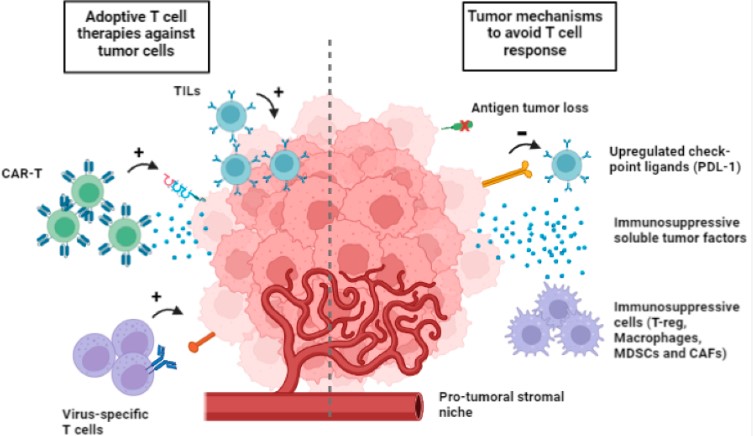 Fig.1 CAR-T Interactions with tumor microenvironment (TME) in solid tumor.1,3
Our CellRapeutics™ Solutions for Solid Tumor Targeting
Creative Biolabs' approach to solid tumor targeting is built upon a comprehensive understanding of the intricate biological barriers and a commitment to pioneering innovative solutions. We recognize that a single strategy is insufficient to address the complexities of solid tumors. Therefore, our solutions are multi-pronged, integrating advanced cell engineering, precise antigen targeting, and strategic combinatorial approaches designed to enhance the efficacy, persistence, and safety of T-cell immunotherapies. Our extensive experience allows us to navigate the entire therapeutic development pipeline, from initial target identification to pre-clinical validation.
Solution Contents
Our core solutions for solid tumor targeting are meticulously designed to address the primary challenges faced by CAR-T and TCR-T cell therapies:
-
CellRapeutics™ One-Stop CAR-T Development for Solid Tumor
Creative Biolabs offers comprehensive, end-to-end CAR-T cell therapy development services specifically tailored for solid tumor indications. This integrated approach covers every stage, from initial target discovery and validation to preclinical testing, regulatory support. Our support services include:
-
Biomarker Identification and scFv Generation: Utilizing advanced platforms for identifying suitable tumor-associated antigens (TAAs) or tumor-specific antigens (TSAs)/neoantigens, followed by the generation of high-affinity single-chain variable fragments (scFvs) for optimal CAR binding.
-
CAR Design and Construction: Engineering classical, novel, and specialized CAR constructs, including multi-targeting (e.g., dual CARs), armored CARs, and inducible CARs, to enhance specificity, persistence, and overcome TME suppression. We leverage expertise in costimulatory domain selection (e.g., CD28 for metabolic fitness in hypoxia) and flexible CAR designs.
-
Gene Packaging and Delivery: Employing various gene delivery platforms, including optimized non-viral systems like the wild-type Sleeping Beauty transposon system, for efficient and safe genetic modification of T cells.
-
Robust In Vitro and Preclinical In Vivo Assays: Conducting extensive functional assays to evaluate CAR T-cell activation, cytokine production, degranulation (e.g., CD107α expression), and cytotoxic activity against relevant tumor models, including 3D spheroids and patient-derived xenografts.
-
CellRapeutics™ One-Stop TCR-T Development for Solid Tumor
Recognizing the distinct advantages of T-cell Receptor (TCR)-T cell therapy for solid tumors, Creative Biolabs provides a dedicated one-stop development solution. TCR-T cells offer a broader antigen recognition scope, capable of targeting intracellular proteins and neoantigens presented by MHC molecules, thereby overcoming limitations of CAR-T cells in certain solid tumor contexts. Our TCR-T development services encompass:
-
Neoantigen Identification and TCR Discovery: Leveraging advanced deep sequencing and bioinformatics to identify patient-specific neoantigens and discover cognate high-affinity TCRs.
-
TCR Affinity Optimization: Employing sophisticated techniques to enhance TCR affinity and specificity for tumor antigens, minimizing potential off-target reactivity.
-
TCR Gene Engineering and Cell Manufacturing: Efficiently introducing validated TCR genes into T cells and expanding these engineered cells under controlled strict QC conditions for clinical applications.
-
Functional Characterization: Rigorously assessing TCR-T cell activation, cytokine profiles (e.g., IFN-γ, IL-2, TNF-α), and antigen-specific cytotoxic potential against relevant tumor cells.
-
Preclinical and Clinical Translation Support: Guiding the transition from preclinical validation to regulatory submission and clinical trial support, ensuring the development of potent and safe TCR-T cell therapies.
Types of Our Services
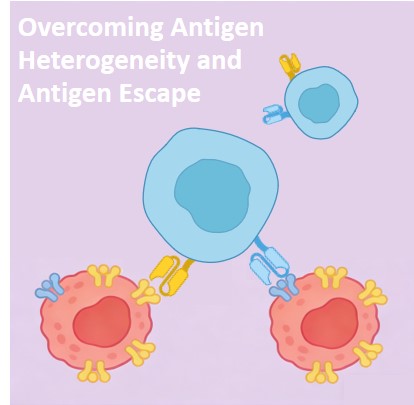
CAR-T Development: Combat Antigen Heterogeneity & Escape
We design multi-target and logic-gated CAR-T strategies to address heterogeneous antigen expression and prevent tumor immune escape, improving durability and breadth of antitumor responses.
|
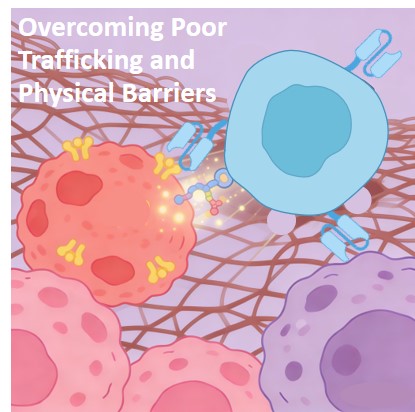
CAR-T Development Combat Poor Trafficking & Physical Barrier
We enhance CAR-T tumor homing and infiltration through chemokine receptor engineering and ECM-modulating approaches, supported by advanced 3D models and solid tumor in vivo systems.
|
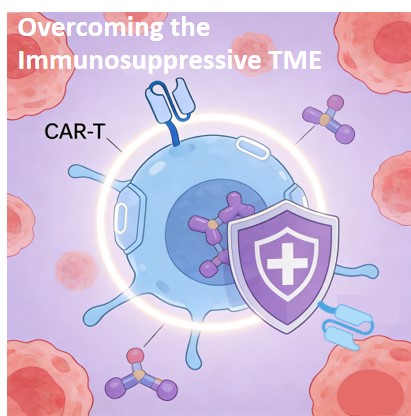
CAR-T Development: Combat Immuno-Suppressive TME
We engineer armored CAR-T cells resistant to checkpoint inhibition and suppressive cytokines, enabling sustained activation, persistence, and cytotoxicity within immunosuppressive tumor microenvironments.
|
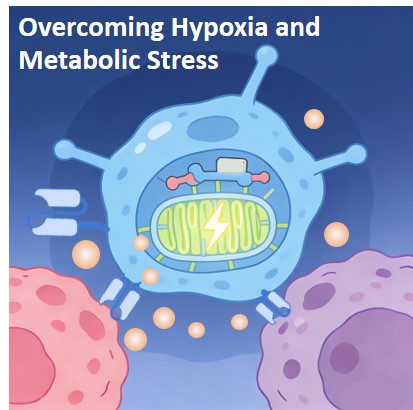
CAR-T Development Combat Hypoxia & Metabolic Stress
We optimize CAR-T function under hypoxic and nutrient-limited conditions using hypoxia-responsive designs and metabolic reprogramming strategies to maintain viability and antitumor activity.
|
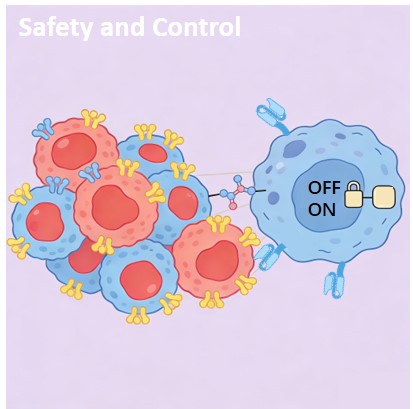
Safety & Control Development
We incorporate safety switches, inducible CAR systems, and logic-gated designs to enhance specificity and controllability, thereby reducing off-tumor toxicity and improving clinical safety profiles.
|
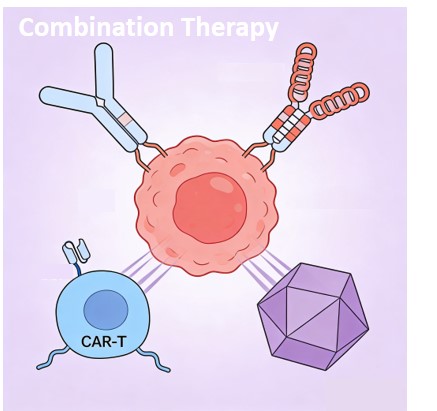
CAR-T Combination Development
We develop rational CAR-T combination strategies, incorporating checkpoint inhibitors, cytokines, or oncolytic agents, to overcome resistance mechanisms and achieve synergistic antitumor efficacy.
|
Special Strategies for Solid Tumor Targeting
Creative Biolabs' commitment to overcoming the unique challenges of solid tumors drives our continuous innovation in CAR and TCR-T cell design. These specialized designs are crucial for enhancing specificity, reducing off-target toxicity, improving infiltration, and counteracting immunosuppression.
Specialized CAR Designs for Solid Tumors
Our advanced CAR designs are engineered to address the complexities of solid tumor biology:
Targeting Multiple Antigens Simultaneously
-
Tandem CARs (TanCARs): These constructs express two antigen-binding domains, requiring simultaneous recognition of two distinct tumor antigens for activation. This significantly enhances specificity and reduces the likelihood of antigen escape. For instance, Creative Biolabs has explored TanCARs targeting combinations like IL-13Rα2 and EphA2, showing promise in glioblastoma models.
-
Multivalent CARs: These designs incorporate multiple binding domains within a single CAR construct to mitigate antigen loss and effectively target cells with varying antigen profiles, ensuring comprehensive tumor coverage.
Enhancing Targeting Specificity and Reducing Off-target Toxicity
-
Logic-Gated CARs: Creative Biolabs designs CARs that are activated only under specific conditions, such as the simultaneous encounter of two particular antigens (an "AND gate" logic). This stringent activation requirement drastically reduces the risk of off-target effects and improves tumor discrimination.
-
On/Off Switch CARs: These allow for controlled activation and deactivation of CAR T-cells, enabling precise modulation of their activity in response to toxic reactions or according to the dynamic tumor microenvironment. Creative Biolabs explores systems using small molecules as external switches.
-
Switchable CAR-T cells (e.g., sdCAR-T cells): These systems rely on external switch molecules to regulate CAR T-cell activation, providing flexible control over therapeutic activity based on the presence of specific antigens and modulators like PD-L1.
Improving CAR T-cell Infiltration and Persistence
-
Chemokine Receptor Modification: Creative Biolabs engineers CAR T-cells to express receptors for chemokines secreted by tumors (e.g., CXCR2-modified CAR T-cells), significantly enhancing their migration and infiltration into the tumor microenvironment.
-
Armored CAR T-cells: These CAR T-cells are engineered by Creative Biolabs to secrete specific cytokines (e.g., IL-12 or IL-18) directly into the TME. This localized cytokine delivery remodels the suppressive environment, enhances CAR T-cell proliferation and persistence, and actively recruits other immune effector cells.
Addressing Immunosuppression in the Tumor Microenvironment
-
Disrupting Inhibitory Pathways: Creative Biolabs employs genetic modification strategies, such as knocking out inhibitory receptors like PD-1 or TGFβR2 using gene editing technology, to directly enhance CAR T-cell activity by disarming key suppressive pathways within the TME.
-
Overcoming Hypoxia: Creative Biolabs designs specialized CARs, such as hypoxia-inducible CARs (HiCARs), to enable CAR T-cells to function effectively in the low-oxygen tumor environments characteristic of many solid tumors, which often impair conventional T-cell activity.
Specialized TCR-T Design Strategies for Solid Tumors
Creative Biolabs' TCR-T design strategies are meticulously crafted to leverage the unique advantages of TCRs while overcoming their inherent challenges in solid tumor settings:
Targeting a Broader Range of Antigens
-
Intracellular and Cell Surface Antigens: Creative Biolabs' TCR-T cells are engineered to target both cell surface and intracellular antigens (e.g., neoantigens, cancer/testis antigens) presented on MHC molecules, significantly expanding the pool of viable therapeutic targets beyond what CAR-T cells can address.
-
Neoantigens and Tumor-Specific Antigens: A core focus at Creative Biolabs is the precise identification and targeting of neoantigens and other tumor-specific antigens that are uniquely expressed by cancer cells, ensuring high specificity and minimizing off-target effects.
Overcoming the Immunosuppressive Tumor Microenvironment (TME)
-
Engineered Cytokines: Our TCR-T cells can be modified to secrete pro-inflammatory cytokines (e.g., IL-12, IL-15) directly into the TME. This localized delivery helps to overcome immunosuppression and promotes sustained tumor-specific T-cell activity.
-
Targeting Immunosuppressive Factors: Creative Biolabs develops TCR-T cells that actively target and neutralize immunosuppressive factors within the TME or enhance their signaling domains to resist depletion and inactivation by inhibitory signals.
Our Advantages
With over 20 years of experience in the biotechnology industry, Creative Biolabs stands as a leading partner in the development of advanced cell and gene therapies
-
End-to-End Expertise
-
Diverse Cell Therapy Modalities
-
Cutting-Edge Platforms
-
Commitment to Quality and Innovation
Scientific Backing
Data Summary: Several rigorous research and development efforts are underpinned by robust preclinical data, demonstrating the superior efficacy of optimized CART development in solid tumor. A prime example on Mesothelin (MSLN) targeting, where researchers investigated two distinct epitopes Mesothelin CAR design: the membrane-distal region (MDR, targeted by meso1 CAR) and the membrane-proximal region (MPR, targeted by meso3 CAR) using a modified transposon system for CAR construction. Functional findings revealed MSLN membrane-proximal region CAR showed superior in vivo antitumor efficacy in a gastric cancer (HGC-27 xenograft) NSG mouse model.
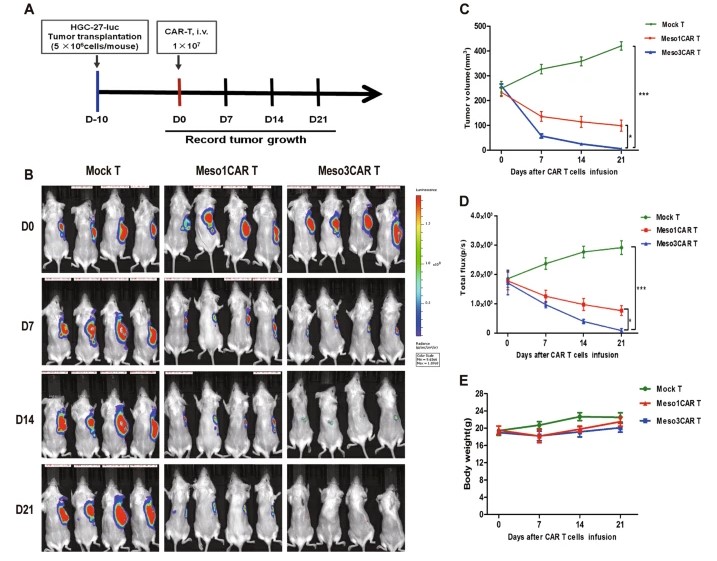 Fig.2 In vivo therapeutic efficacy of mesothelin CAR T cells against gastric cancer.2,3
FAQs
Q1: Why are solid tumors particularly challenging for CAR-T and TCR-T cell therapies?
A1: Solid tumors present multiple hurdles, including significant tumor heterogeneity, a highly immunosuppressive tumor microenvironment (TME), and physical barriers that limit T-cell infiltration and persistence. These factors collectively reduce the efficacy observed in hematological cancers.
Q2: What are neoantigens, and why are they important for solid tumor targeting?
A2: Neoantigens are unique proteins found only on cancer cells, arising from tumor-specific genetic mutations. They are highly immunogenic and recognized as "non-self" by the immune system, potentially leading to stronger, more specific immune responses and reduced off-target toxicity compared to tumor-associated antigens (TAAs).
Q3: How does Creative Biolabs address the immunosuppressive tumor microenvironment?
A3: Creative Biolabs engineers CAR/TCR T cells to overcome TME challenges by armoring them to secrete immunostimulatory factors, modifying them to resist inhibitory signals, and designing CARs that are specifically activated within the TME. We also explore combinatorial strategies with agents like checkpoint inhibitors or oncolytic viruses to remodel the TME.
Q4: What is the significance of T-cell persistence in solid tumor therapy?
A4: Sustained T-cell persistence (long-term survival and functionality) after infusion is crucial for achieving durable antitumor responses in solid tumors. Without adequate persistence, T cells may be cleared or become exhausted before effectively eradicating the tumor.
Contact us
For further inquiries regarding Creative Biolabs' innovative solutions for solid tumor targeting or to discuss potential collaborations, please reach out to our expert team.
References
-
Secondino, Simona et al. "Clinical Trials of Cellular Therapies in Solid Tumors." Cancers vol. 15,14 3667. 19 Jul. 2023, DOI:10.3390/cancers1514366.
-
Zhang, Zhiwei et al. "Modified CAR T cells targeting membrane-proximal epitope of mesothelin enhances the antitumor function against large solid tumor.' Cell death & disease vol. 10,7 476. 17 Jun. 2019, DOI:10.1038/s41419-019-1711-1.
-
Distributed under Open Access License CC BY 4.0, without modification.