Creative Biolabs has a tradition of commitment. To achieve efficient execution and regulatory approval, we offer careful considerations of your program for the development of a cellular or gene therapy product – now and in the future.
EXPLORE MORE HighlightsWe focus on unmet needs and develop novel cellular and gene drugs and solutions that offer significant benefits over existing options.
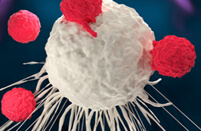
EXPLORE MORE HighlightsThe advent of Chimeric Antigen Receptor T-cell (CAR-T) therapies has revolutionized the field of oncology, providing new avenues for treating various forms of cancer. Our 20 years of experience in the biotechnology sector have equipped us with the expertise and technological capabilities to support the entire lifecycle of CAR-T products, from early development to commercialization.
EXPLORE MORETo accelerate advanced breakthroughs of your projects, we offer broad range of platforms which enable our clients be free to tackle problems with cutting-edge technologies from different angles and in different methods.
EXPLORE MORE HighlightsUse the resources in our library to help you understand your options and make critical decisions for your study. We offer oncolytic virus, CAR-T, and dendritic cell related documents, as well as newsletter. If you don't find the answers you're looking for, contact us for additional assistance.
EXPLORE MORE HighlightsGet a real taste and understanding of the business and culture of one of the world's great research-based cellular and gene therapy discovery and development companies.
EXPLORE MORE
Evaluation of humoral sensitization, commonly determined by the panel reactive antibody (PRA) screening, is accepted as an important part of the pre-transplant assessment. Creative Biolabs provides PRA screening to identify human leukocyte antigen (HLA) antibodies in transplant candidates.
PRA assay, also known as HLA antibody screening or specificity identification testing, is performed for evaluation of the pre-sensitization status of transplant candidates.
Antibodies in sera can be identified by the PRA screen. In detail, microspheres are coated with two haplotypes of HLA class I or II antigens isolated from the surface of cell lines in their native (natural) conformation. The beads, loaded with varying amounts of florescent dye, are then incubated with serum. HLA displayed by the panel of microspheres is representative of the donor pool. HLA antibodies in the serum bind their specific antigen targets and are identified by multiplexed immunoassay technology. The result is the percentage of microspheres on the panel that is identified to react with HLA antibodies in the serum, termed percentage PRA as well as positive antibody specificities.
It is recommended to screen patients for PRA in specified intervals because anti-HLA antibodies vary with time in one individual patient and may be influenced by many factors. The intervals should not be more than 3 months. In case of blood transfusion, a sample should be tested between 14 to 28 days post-transfusion.
It can greatly help in predicting the crossmatch results if PRA and antibody specificity are determined on a series of sera. Even patients who receive zero mismatches at HLA-A, B, and DR benefit from regular screening and antibody characterization. Antibodies specific to HLACw, DQ, and even DP have been shown to influence graft outcomes.
Even though transplant patients receive immunosuppressive drugs, their immune system is still capable of mounting immune responses. De novo antibodies produced post-transplant are capable of rejection and chronic graft damage. Monitoring anti-HLA, antibodies post-transplant, especially donor-specific antibodies, can help in predicting graft outcomes.
As a leader in HLA antibody detection service, Creative Biolabs offers a full range portfolio of assays for low- to high-resolution detection. We also offer the most cost-effective multiplex assays and a wide range of singleplex kits. For more information, please feel free to contact us directly.
For any technical issues or product/service related questions, please leave your information below. Our team will contact you soon.
All products and services are For Research Use Only and CANNOT be used in the treatment or diagnosis of disease.
 NEWSLETTER
The latest newsletter to introduce the latest breaking information, our site updates, field and other scientific news, important events, and insights from industry leaders
LEARN MORE NEWSLETTER NEW SOLUTION
CellRapeutics™ In Vivo Cell Engineering: One-stop in vivo T/B/NK cell and macrophage engineering services covering vectors construction to function verification.
LEARN MORE SOLUTION NOVEL TECHNOLOGY
Silence™ CAR-T Cell: A novel platform to enhance CAR-T cell immunotherapy by combining RNAi technology to suppress genes that may impede CAR functionality.
LEARN MORE NOVEL TECHNOLOGY NEW SOLUTION
Canine CAR-T Therapy Development: From early target discovery, CAR design and construction, cell culture, and transfection, to in vitro and in vivo function validation.
LEARN MORE SOLUTION