Creative Biolabs has a tradition of commitment. To achieve efficient execution and regulatory approval, we offer careful considerations of your program for the development of a cellular or gene therapy product – now and in the future.
EXPLORE MORE HighlightsWe focus on unmet needs and develop novel cellular and gene drugs and solutions that offer significant benefits over existing options.
EXPLORE MORE HighlightsThe advent of Chimeric Antigen Receptor T-cell (CAR-T) therapies has revolutionized the field of oncology, providing new avenues for treating various forms of cancer. Our 20 years of experience in the biotechnology sector have equipped us with the expertise and technological capabilities to support the entire lifecycle of CAR-T products, from early development to commercialization.
EXPLORE MORETo accelerate advanced breakthroughs of your projects, we offer broad range of platforms which enable our clients be free to tackle problems with cutting-edge technologies from different angles and in different methods.
EXPLORE MORE HighlightsUse the resources in our library to help you understand your options and make critical decisions for your study. We offer oncolytic virus, CAR-T, and dendritic cell related documents, as well as newsletter. If you don't find the answers you're looking for, contact us for additional assistance.
EXPLORE MORE HighlightsGet a real taste and understanding of the business and culture of one of the world's great research-based cellular and gene therapy discovery and development companies.
EXPLORE MORE
Cancer is a leading cause of death worldwide, highlighting the urgent need for effective treatment strategies. The adoptive transfer of tumor-infiltrating lymphocytes (TILs) is a promising method in immunotherapy that has demonstrated clinical safety and effectiveness in many trials. However, the success of TIL infusion in generating an anti-tumor response is restricted to a limited group of cancer patients. Consequently, there is an immediate need for innovative methods to improve the effectiveness of TIL-based therapies.
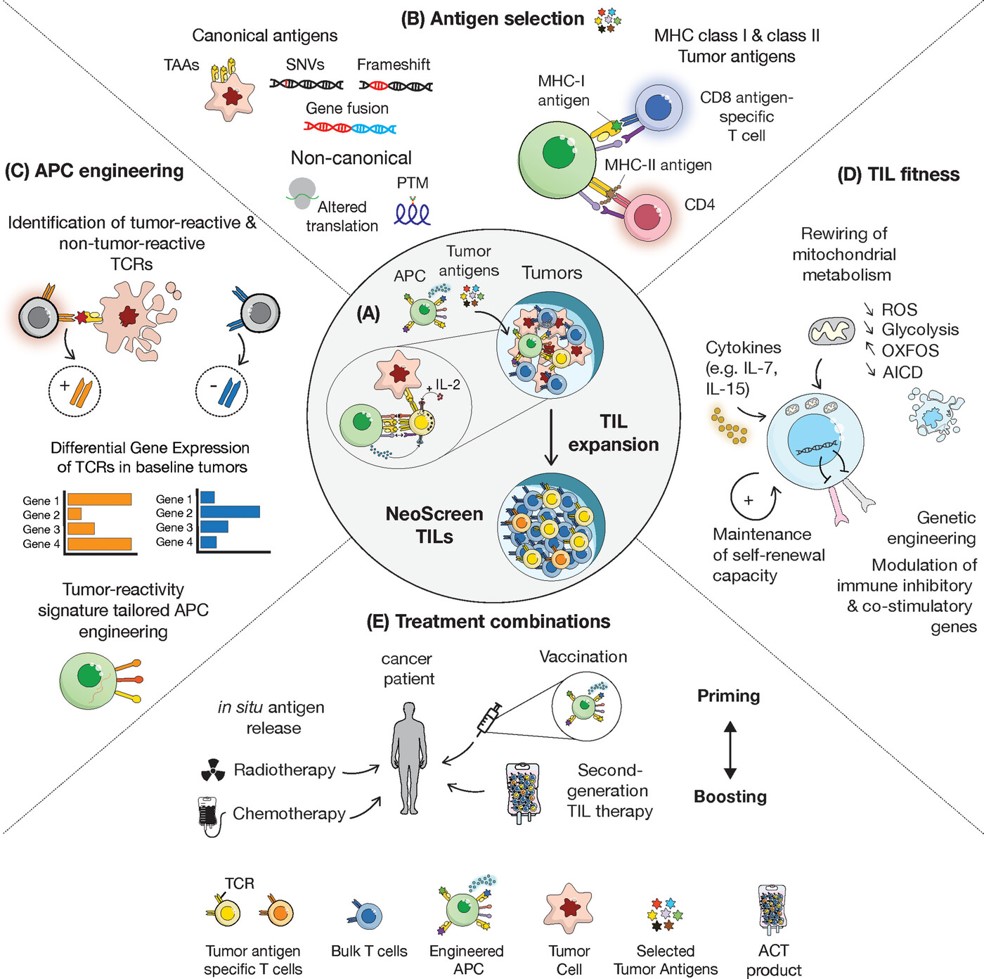 Fig.1 Overview of next-generation TIL therapy.1
Creative Biolabs provides an innovative sensing system based next-generation TIL development service. By harnessing advanced genetic engineering techniques, we are able to meticulously engineer TIL cells with sophisticated sensor systems that allow for the real-time monitoring of these immune cells as they navigate through the complex environment of the body. This cutting-edge approach not only facilitates the identification and selection of TIL cells exhibiting heightened anti-tumor activity but also plays a crucial role in optimizing treatment strategies tailored to individual patient needs. Throughout the process, we strictly comply with regulatory requirements and enable rigorous quality control. Backed up by our experienced scientists, we are committed to delivering satisfactory results in customers' desired times.
Our sensing system based next-generation TIL development service covers the whole development process from the initial to validation. In addition, we also take advantage of our experience and expertise on TIL research to support global customers in preclinical and clinical studies. Listed below is our service package, including:
Sensing systems play a crucial role in optimizing TIL development and therapy. Here we provide several key types of sensing systems that can be integrated into next-generation TIL development:
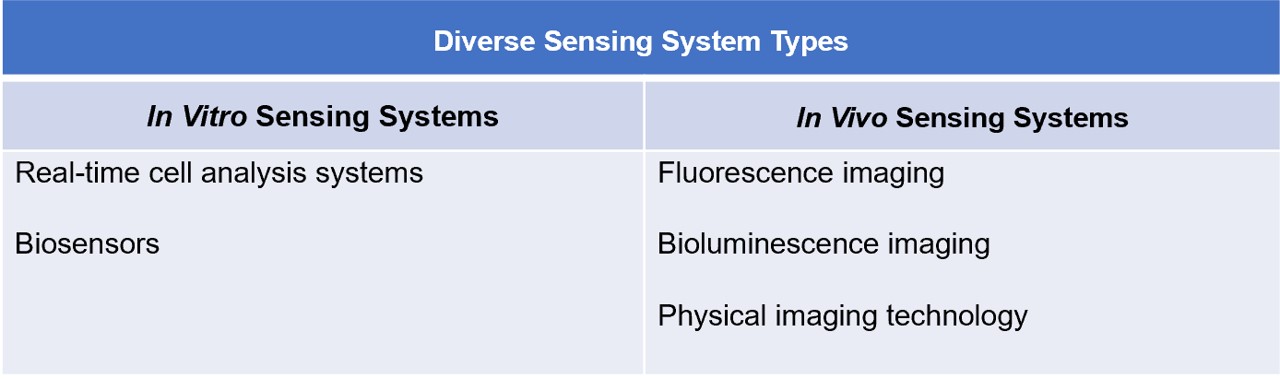 Fig.2 Diverse sensing system types.
Q1: What process does the service follow?
A1: Our service encompasses the whole process including tumor tissue collection, TIL isolation and expansion, gene editing and modification, quality control and evaluation, and refusion. We carefully monitor and adhere to each stage to ensure that the finished product is dependable and operates effectively.
Q2: What is the difference between TIL and CAR T?
A2: TIL therapy differs from CAR T-cell therapies primarily in the source of the T cells. In CAR T-cell therapies, T cells are harvested from the patient's bloodstream. In contrast, TIL therapy involves isolating T cells directly from the patient's tumor tissue, utilizing these immune cells that have already engaged with the cancer cells in the tumor microenvironment.
If you want to know more about our sensing system based next-generation TIL development service, please feel free to get in touch with us.
Reference
For any technical issues or product/service related questions, please leave your information below. Our team will contact you soon.
All products and services are For Research Use Only and CANNOT be used in the treatment or diagnosis of disease.
 NEWSLETTER
The latest newsletter to introduce the latest breaking information, our site updates, field and other scientific news, important events, and insights from industry leaders
LEARN MORE NEWSLETTER NEW SOLUTION
CellRapeutics™ In Vivo Cell Engineering: One-stop in vivo T/B/NK cell and macrophage engineering services covering vectors construction to function verification.
LEARN MORE SOLUTION NOVEL TECHNOLOGY
Silence™ CAR-T Cell: A novel platform to enhance CAR-T cell immunotherapy by combining RNAi technology to suppress genes that may impede CAR functionality.
LEARN MORE NOVEL TECHNOLOGY NEW SOLUTION
Canine CAR-T Therapy Development: From early target discovery, CAR design and construction, cell culture, and transfection, to in vitro and in vivo function validation.
LEARN MORE SOLUTION