Creative Biolabs has a tradition of commitment. To achieve efficient execution and regulatory approval, we offer careful considerations of your program for the development of a cellular or gene therapy product – now and in the future.
EXPLORE MORE HighlightsWe focus on unmet needs and develop novel cellular and gene drugs and solutions that offer significant benefits over existing options.
EXPLORE MORE HighlightsThe advent of Chimeric Antigen Receptor T-cell (CAR-T) therapies has revolutionized the field of oncology, providing new avenues for treating various forms of cancer. Our 20 years of experience in the biotechnology sector have equipped us with the expertise and technological capabilities to support the entire lifecycle of CAR-T products, from early development to commercialization.
EXPLORE MORETo accelerate advanced breakthroughs of your projects, we offer broad range of platforms which enable our clients be free to tackle problems with cutting-edge technologies from different angles and in different methods.
EXPLORE MORE HighlightsUse the resources in our library to help you understand your options and make critical decisions for your study. We offer oncolytic virus, CAR-T, and dendritic cell related documents, as well as newsletter. If you don't find the answers you're looking for, contact us for additional assistance.
EXPLORE MORE HighlightsGet a real taste and understanding of the business and culture of one of the world's great research-based cellular and gene therapy discovery and development companies.
EXPLORE MORE
Lymph nodes are essential for the activation and coordination of T cell-mediated immune responses, where T cells engage with antigens and differentiate into effector cells to address infections. To tackle the challenges of T cell activation ex vivo in T cell therapies, researchers have developed a dynamic immune-stimulating scaffold known as an artificial lymph node (aLN). This innovative platform effectively replicates the roles of antigen-presenting cells and lymphatic tissue, facilitating direct in vivo stimulation of antigen-specific T cells. It recruits and organizes host immune cells, fostering an immuno-stimulatory environment that supports the in situ activation and proliferation of T cells specific to the target antigens, thus eliminating the necessity for ex vivo activation.
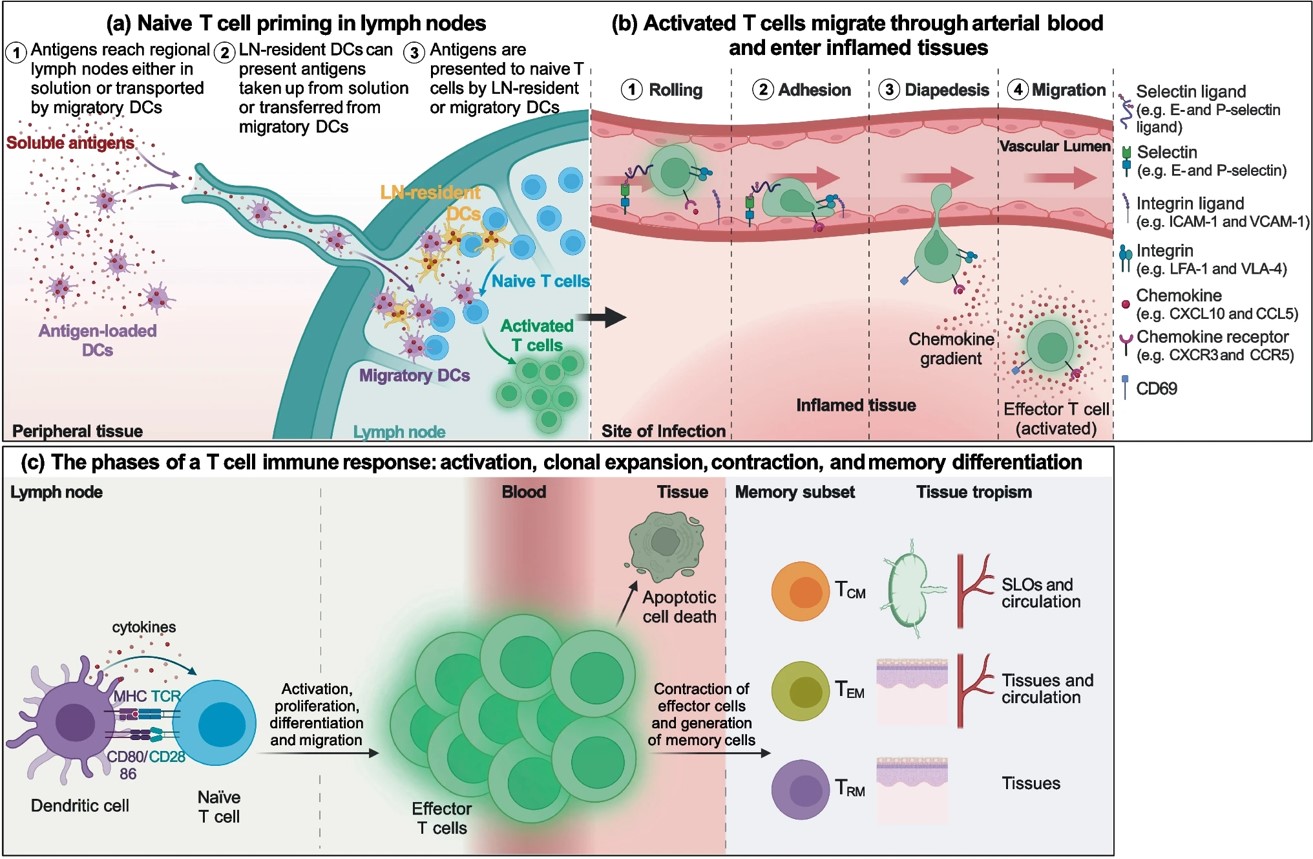 Fig.1 T cell activation and trafficking.1
aLN shows great potential in improving T cell therapy. Here are a few of aLN's salient characteristics:
Creative Biolabs offers a custom aLN-based artificial T cell-stimulating platform development service designed to accelerate cancer immunotherapy research. Our strategy harnesses cross-linking materials between different hydrogels to offer tailored T cell stimulation and activation in situ, incorporating user-specified T cell-stimulating signals. To enable effective platform development. We work directly with customers to customize the aLN, including hydrogels, ligands, costimulatory agents, and cytokines. At the same time, we continue to optimize the component concentrations and physical qualities for maximum T cell activation based on the testing results. Flexible, our service is suitable for a wide range of research purposes ranging from small and large-scale research initiatives.
As a one-stop service provider, we also provide comprehensive characterization services to identify platforms in phenotype and function. At Creative Biolabs, we are always committed to offering fast, high-quality solutions that help customers build more effective and long-lasting cancer T cell treatments.

Associated Services
In addition to aLN, we also offer tailored solutions for various hydrogel-based materials, including aTM and immunomodulatory macroporous scaffolds, to develop advanced artificial T cell stimulation platforms that cater to our customers' unique requirements. Leveraging our profound knowledge in biomaterial engineering and T cell biology, we are adept at designing custom platforms that replicate particular lymphoid microenvironments, thereby improving the effectiveness and applicability of T cell-centric therapies.
Creative Biolabs stands at the forefront of T cell therapy enhancement, combining deep theoretical insights with hands-on expertise in crafting innovative T cell stimulation platforms. Our specialization lies in the design and engineering of bespoke aLN-based solutions specifically aligned with your distinct research objectives. Reach out to us today to explore your specific requirements and discover how our expertise can help you create a highly effective aLN platform for the activation of T cells.
Reference
For any technical issues or product/service related questions, please leave your information below. Our team will contact you soon.
All products and services are For Research Use Only and CANNOT be used in the treatment or diagnosis of disease.
 NEWSLETTER
The latest newsletter to introduce the latest breaking information, our site updates, field and other scientific news, important events, and insights from industry leaders
LEARN MORE NEWSLETTER NEW SOLUTION
CellRapeutics™ In Vivo Cell Engineering: One-stop in vivo T/B/NK cell and macrophage engineering services covering vectors construction to function verification.
LEARN MORE SOLUTION NOVEL TECHNOLOGY
Silence™ CAR-T Cell: A novel platform to enhance CAR-T cell immunotherapy by combining RNAi technology to suppress genes that may impede CAR functionality.
LEARN MORE NOVEL TECHNOLOGY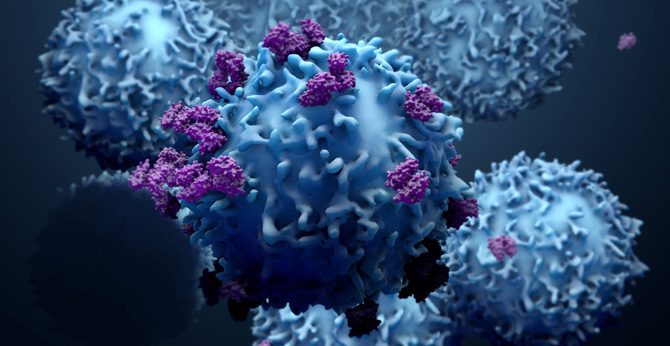 NEW SOLUTION
Canine CAR-T Therapy Development: From early target discovery, CAR design and construction, cell culture, and transfection, to in vitro and in vivo function validation.
LEARN MORE SOLUTION