Creative Biolabs has a tradition of commitment. To achieve efficient execution and regulatory approval, we offer careful considerations of your program for the development of a cellular or gene therapy product – now and in the future.
EXPLORE MORE HighlightsWe focus on unmet needs and develop novel cellular and gene drugs and solutions that offer significant benefits over existing options.
EXPLORE MORE HighlightsThe advent of Chimeric Antigen Receptor T-cell (CAR-T) therapies has revolutionized the field of oncology, providing new avenues for treating various forms of cancer. Our 20 years of experience in the biotechnology sector have equipped us with the expertise and technological capabilities to support the entire lifecycle of CAR-T products, from early development to commercialization.
EXPLORE MORETo accelerate advanced breakthroughs of your projects, we offer broad range of platforms which enable our clients be free to tackle problems with cutting-edge technologies from different angles and in different methods.
EXPLORE MORE HighlightsUse the resources in our library to help you understand your options and make critical decisions for your study. We offer oncolytic virus, CAR-T, and dendritic cell related documents, as well as newsletter. If you don't find the answers you're looking for, contact us for additional assistance.
EXPLORE MORE HighlightsGet a real taste and understanding of the business and culture of one of the world's great research-based cellular and gene therapy discovery and development companies.
EXPLORE MORE
Target Background
CD30 antigen, also known as TNFRSF8, is a trans-membrane glycoprotein of the tumor necrosis factor receptor (TNFR) superfamily. Normally CD30 is restricted to activated B and T lymphocytes while rarely expressed by resting counterparts. CD30 has pleiotropic effects on the growth and survival of cells involving NF-κB signaling pathway. It is associated with almost all Hodgkin lymphoma (HL) and some subtypes of non-Hodgkin lymphoma (NHL) such as anaplastic large cell lymphoma (ALCL) at diagnosis as well as relapse. Therefore, CD30 is a very attractive target for the immunotherapy of these diseases.
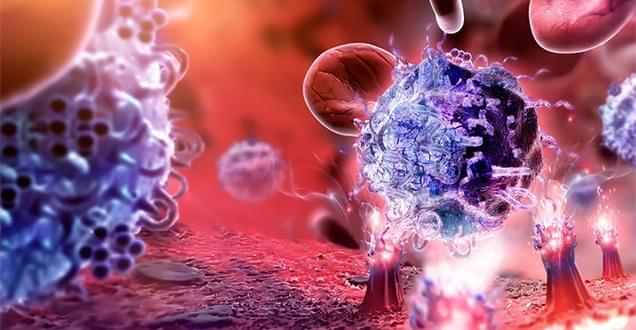
The Immune System, Inflammation, and Cancer
Anti-CD30 CAR-T Cell Therapy
Several clinical trials have been initiated for anti-CD30 CAR-T therapy. Patients with relapsed or refractory CD30+ HL or NHL are recruited. In a Phase I trial, nine patients were treated with autologous anti-CD30 CAR EBV-specific cytotoxic T-lymphocytes (CTLs). The CTLs were involved due to their long persistence in the blood stream for many years, potentially induces a prolonged anti-tumor effect. The anti-CD30 CAR-CTLs produced no adverse events, however, only two patients had a complete or partial response. Meanwhile, a novel 4th generation anti-CD30 CAR incorporated with an inducible suicide gene is being evaluated for both efficacy and safety.
Animal Models for in vivo Study of anti-CD30 CAR-T Cell Therapy
We have developed multiple animal models for the preclinical in vivo assay of anti-30 CAR-T cells. Several kinds of CD30+ cell lines or human primary HL and NHL cells, and some CD30 transfected cell lines are injected subcutaneously, intraperitoneally, or intravenously in SCID mice to create tumors in the mice. We also provide rats and non-human primates (NHPs) models to meet your special requirements.
In vivo Assay Parameters and Techniques
At Creative Biolabs, we offer the most exquisite and comprehensive service platform for anti-CD30 CAR-T cell therapy research.
Efficacy Test
Tumor remission monitored by tumor cell analysis or bioluminescence imaging and survival curve tracking.
Viability and Bio-distribution Studies
Durability, bio-distribution studies
Toxicity Evaluation
Pilot tolerability (MTD, The route of administration, Dose regimen/response/onset)
Clinical observation (body weight, feed consumption, ophthalmologic and clinical pathology)
Cytokine storm surveillance (fever, hypertension, prolonged cytopenia)
Complete necropsy, organ weight
Histopathology
Tumorigenicity study
Quality Control for In Vivo Assays
All our experiments are performed by well-trained and experienced technicians in a Quality Control for In Vivo Assays Service.
Preclinical in vivo assessments of CAR-T cells are essential for their construct optimization, risk managements, and dosage determination. As a global leader in life sciences, Creative Biolabs offers a broad range of standardized and customized preclinical in vivo assay services for clients of Pharma & Biotech or other life sciences organizations. Our expertise covers many aspects of CAR-T in vivo evaluation. A variety of reliable rodent models and assay systems, as well asmodels of other species including NHP, are available.
For any technical issues or product/service related questions, please leave your information below. Our team will contact you soon.
All products and services are For Research Use Only and CANNOT be used in the treatment or diagnosis of disease.
 NEWSLETTER
The latest newsletter to introduce the latest breaking information, our site updates, field and other scientific news, important events, and insights from industry leaders
LEARN MORE NEWSLETTER NEW SOLUTION
CellRapeutics™ In Vivo Cell Engineering: One-stop in vivo T/B/NK cell and macrophage engineering services covering vectors construction to function verification.
LEARN MORE SOLUTION NOVEL TECHNOLOGY
Silence™ CAR-T Cell: A novel platform to enhance CAR-T cell immunotherapy by combining RNAi technology to suppress genes that may impede CAR functionality.
LEARN MORE NOVEL TECHNOLOGY NEW SOLUTION
Canine CAR-T Therapy Development: From early target discovery, CAR design and construction, cell culture, and transfection, to in vitro and in vivo function validation.
LEARN MORE SOLUTION