Hypoxia-Inducible Factor (HIF) Pathway Modulation based CD8⁺ T Cell Activation Service
Online Inquiry
Background Services Workflow Advantages FAQs Customer Reviews Associated Services Contact Us
Are you currently facing challenges in immune cell engineering, limited therapeutic efficacy in hypoxic tumor microenvironments, or the need for precise immunomodulation? Our hypoxia-inducible factor (HIF) pathway modulation based CD8+ T cell activation service helps you overcome immune suppression in challenging environments, enhance T cell function, and significantly advance your immunotherapeutic strategies through advanced HIF pathway modulation techniques and sophisticated T cell engineering platforms.
HIF Pathway Targeted Modulation Enhances Effector T Cell Function
The hypoxic tumor microenvironment (TME) presents a substantial impediment to the efficacy of cancer immunotherapy and gene therapy, primarily due to its low-oxygen conditions that significantly suppress the pivotal function of CD8+ T cells. Consequently, the effective activation of these cellular components within the TME is imperative for therapeutic success. The ongoing research confirms that the HIF pathway critically modulates the immune responses of CD8+ T cells. The targeted deletion of specific regulatory elements within this pathway has been shown to enhance the expression of effector molecules, such as granzyme B and TNF, even under conditions typically unfavorable for T cell activity. Therefore, strategic modulation of the HIF pathway offers a precise methodological approach to surmount immune suppression, thereby augmenting T cell effector functions and metabolic fitness in hypoxic conditions, and directly addressing a critical barrier to successful cancer immunotherapy.
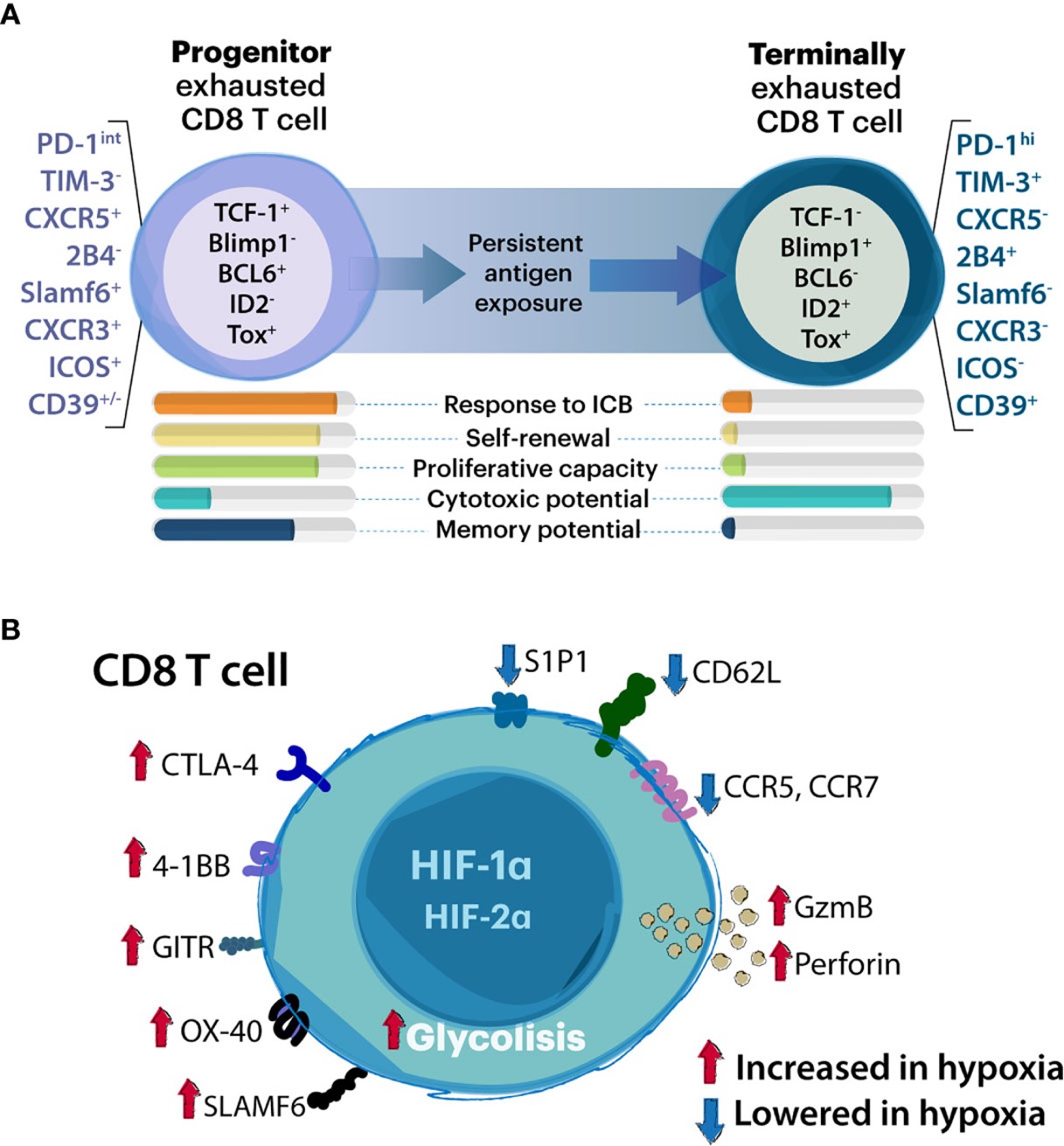 Fig.1 CD8 T cell exhaustion is associated with hypoxia.1
Hypoxia-Inducible Factor (HIF) Pathway Modulation based CD8+ T Cell Activation Service at Creative Biolabs
Creative Biolabs' HIF pathway modulation based CD8+ T cell activation service offers a highly precise and efficacious methodology designed to counteract immune suppression in challenging microenvironments, thereby enhancing therapeutic outcomes. This service, typically completed within 8 to 12 weeks depending on project complexity, involves a comprehensive workflow encompassing initial consultation and design, meticulous cell isolation and pre-conditioning, precise HIF pathway modulation and T cell activation, followed by rigorous functional characterization and in-depth data analysis. Clients receive comprehensive deliverables, including detailed data reports with flow cytometry analyses, cytokine profiles, cytotoxicity assay results, and a complete experimental protocol. This integrated approach delivers key benefits, including significantly improved CD8+ T cell effector function, enhanced T cell persistence and viability under hypoxic conditions, and the identification of novel targets for immunomodulatory interventions.
Workflow: End-to-End Service Process
Step 1: Project Consultation & Design
This initial phase involves an in-depth discussion between our expert scientists and your team. We meticulously review your specific research goals, the scope of your project, and any existing data. Based on this, we collaborate to design a tailored experimental plan that precisely addresses your objectives. The expected outcome is a customized, detailed experimental protocol optimized for your project's success.
Step 2: Cell Isolation & Pre-conditioning
Our experienced technicians meticulously isolate CD8+ T cells from the provided client samples using advanced cell separation techniques, ensuring high purity. These isolated cells then undergo careful pre-conditioning to optimize their state for subsequent in vitro modulation and activation. This step ensures that we start with a robust and viable population of CD8+ T cells, critical for reproducible results.
Step 3: HIF Pathway Modulation & T Cell Activation
In this crucial stage, we apply specific biochemical agents, small molecules, or genetic tools (e.g., gene overexpression or knockdown) to precisely modulate the activity of the HIF pathway within the CD8+ T cells. Following HIF modulation, the T cells are subjected to specific T cell receptor (TCR) stimulation to induce activation. The expected outcome is a population of CD8+ T cells with modulated HIF activity, ready for comprehensive functional assessment.
Step 4: Functional Characterization
We perform a battery of robust assays to comprehensively characterize the functionality of the modulated and activated T cells. This includes assessing key T cell activation markers (e.g., CD69, CD25), quantifying cytokine production (e.g., IFN-γ, TNF-α) using multiplex assays, measuring granzyme B and perforin expression, and evaluating cytotoxicity against relevant target cells under both normoxic and physiologically relevant hypoxic conditions. This stage provides critical data on the efficacy and phenotype of the T cells.
Step 5: Data Analysis & Reporting
Our bioinformatics specialists perform rigorous analysis of all experimental data, employing advanced statistical methods to interpret the results accurately. We then compile a comprehensive, detailed report that includes raw data, analyzed figures, statistical significance, and clear interpretations of the findings. The expected outcome is actionable insights and a final project report, ready for integration into your research or development pipeline.
Attractive Advantages
Enhanced Therapeutic Efficacy
Provides superior therapeutic outcomes through targeted immune enhancement capabilities.
Overcoming TME Suppression
Effectively mitigates immune suppression within the challenging solid tumor microenvironment.
Accelerated Preclinical Development
Expedites preclinical development timelines, offering a critical competitive advantage in immunotherapy advancement.
FAQs
Q1: How does HIF pathway modulation specifically enhance CD8+ T cell activation?
A1: Modulating the HIF pathway re-programs the metabolic and functional properties of CD8+ T cells, allowing them to better adapt and function in low-oxygen environments. This leads to sustained activation, enhanced effector molecule production (like granzyme B and perforin), and improved anti-tumor cytotoxicity, which are often suppressed in hypoxic tumor microenvironments.
Q2: Are there any specific considerations or precautions when utilizing this service?
A2: While our service is robust, it's important to provide high-quality starting materials. During the initial consultation, we will discuss any specific project requirements, potential challenges related to your cell type or experimental model, and necessary biosafety considerations to ensure the success and safety of your study.
Q3: How does this service compare to traditional T cell activation methods?
A3: Traditional T cell activation methods often don't account for the suppressive effects of the tumor microenvironment. Our HIF pathway modulation service goes beyond conventional activation by specifically engineering T cells to thrive and function optimally in hypoxic conditions, thereby offering a superior approach for therapies targeting solid tumors.
Q4: What are the typical timelines and deliverables for a HIF pathway modulation project?
A4: The typical timeline for a HIF pathway modulation project ranges from 8 to 12 weeks, depending on the complexity of the modulation strategies and the depth of functional assays. Deliverables include detailed experimental protocols, comprehensive data reports (e.g., flow cytometry, cytokine profiles, cytotoxicity assays), and expert interpretation of results.
Customer Reviews

Enhanced Efficacy
Dr. J. S***th
Using Creative Biolabs' HIF pathway modulation based CD8+ T cell activation service in our research has significantly improved the functional capacity of our engineered T cells under hypoxic conditions, a crucial step for our solid tumor immunotherapy project. This capability was previously a major bottleneck.
2025/4/2 20 Likes
Precision Modulation
Dr. A. M***ns
Creative Biolabs' expertise in HIF pathway modulation allowed us to precisely control CD8+ T cell activation, leading to a noticeable reduction in off-target effects compared to conventional activation methods. This precision greatly facilitated our target validation studies and improved specificity.
2025/5/30 20 Likes
Associated Services
To further enhance immunotherapy research and development, Creative Biolabs offers a wide range of additional services:
Work with Creative Biolabs
Creative Biolabs is dedicated to empowering your research with cutting-edge solutions and unparalleled scientific expertise. Our HIF pathway modulation based CD8+ T cell activation service is engineered to address the critical challenges in immune cell therapy, offering a powerful avenue for enhanced therapeutic efficacy. Reach out to us at your convenience to discuss how we can tailor our services to meet your specific research needs and propel your project toward success.
Reference
-
Bannoud, Nadia et al. "Hypoxia Supports Differentiation of Terminally Exhausted CD8 T Cells." Frontiers in immunology vol. 12 660944. 7 May. 2021, doi:10.3389/fimmu.2021.660944. Distributed under Open Access License CC BY 4.0, without modification.