


Biological Research on mRNA Rabies Vaccines
Introduction: Definition and Classification of Rabies Vaccine
Rabies is an acute infectious disease caused by rabies virus (RABV). It is a zoonotic nervous system disease. Timely post-exposure prophylaxis (PEP) can provide effective protection for individuals with rabies. Vaccine injection is a key step in post-exposure prophylaxis.
In the Nucleic Acid Vaccine, is the Rabies Vaccine an mRNA Vaccine or A DNA Vaccine?
At present, there are also DNA vaccines for rabies vaccine mRNA vaccines. Both platforms have research and early clinical trials in humans/animals. However, no nucleic acid–based rabies vaccine has yet been approved for human use; in clinical practice, inactivated vaccines—such as Vero cell–derived products and HDCV—remain standard. Given mRNA vaccines' low mutation risk, high efficacy, rapid development timelines, and relatively low production costs, they show strong promise for preventing and treating infectious diseases and warrant further research and development.
The Biological Structure Particularity of mRNA Rabies Vaccine?
A mRNA vaccine for the prevention of rabies, its molecular sequence is generally composed of five essential elements: 5' cap (Cap1) → 5' UTR → open reading frame (ORF, encoding antigen) → 3' UTR → poly (A) tail. The ORF usually encodes the rabies virus glycoprotein RABV-G. These structural elements improve stability and translation efficiency and regulate immunogenicity by UTR selection, codon and GC content, polyA length, Cap chemical form, and whether nucleoside modification is used.
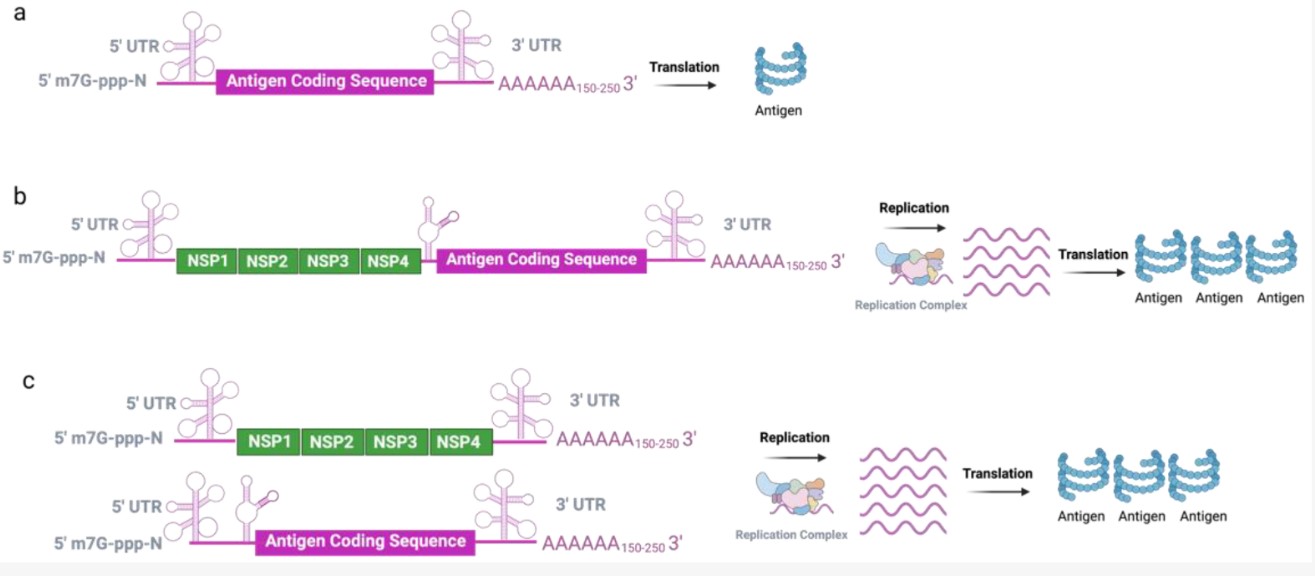 Fig.1 Molecular structure of mRNA vaccine.1
RABV-G is the only glycoprotein on the surface of rabies virus, and it is also the key antigen around all kinds of rabies vaccines, which is responsible for inducing protective neutralizing antibodies. From the perspective of topology, RABV-G is composed of an extracellular (ecto) domain, a single transmembrane domain, and a short cytoplasmic tail, which together determine its receptor binding, membrane fusion, and ability to assemble into viral particles.
- Extracellular Domain: The functional core in direct contact with the host cell, which is responsible for identifying and binding receptors on the surface of the host cell and triggering the subsequent membrane fusion process. The region can be further divided into multiple subdomains, such as PHD (pleckstrin homology domain) involved in receptor recognition and conformational changes and FD (fusion domain) closely related to the fusion process. These fine structures not only determine the efficiency of virus entry, but also are the key binding sites for a variety of highly efficient neutralizing antibodies.
- Transmembrane Domain: The transmembrane domain is like an anchor that stabilizes glycoproteins on the viral envelope or cell membrane and participates in the transmission of conformational changes to the membrane, which is an indispensable structural basis for the completion of virus-host membrane fusion. In contrast, although the cytoplasmic domain is not directly exposed and is not the main target of neutralizing antibodies, it plays an important regulatory role in the transport, assembly, budding of glycoproteins and interaction with other structural proteins of the virus, and has an indirect but non-negligible effect on the correct folding and presentation of antigens in vaccine preparation, as well as the overall immune protection efficiency.
In most clinical mRNA rabies vaccine formulations, lipid nanoparticles (LNPs) are used as the main delivery system. They are typically composed of four key components that spontaneously organize into nanospheres or core–shell structures encapsulating the mRNA cargo: an ionizable cationic lipid that complexes the payload and facilitates endosomal escape; a structural phospholipid (such as DSPC) that provides a membrane framework; cholesterol, which adjusts membrane fluidity and stability; and a PEGylated lipid that forms a hydrophilic shell and helps regulate particle size and interfacial interactions. Although specific formulations and ratios vary by program because of patents and indications, the overall architecture and mechanism are similar, and features such as PEG density and the surface distribution of ionizable lipids are characterized empirically.
In summary, mRNA rabies vaccine is a combination of a "standardized mRNA molecular skeleton (Cap-UTR-CDS-UTR-polyA, CDS encoding RABV-G)" and a "nano-delivery structure (most of the existing mRNA rabies vaccines are based on LNP four elements)". The former generally determines "antigen and translation efficiency", and the latter determines "in vivo delivery and stability".
Advances in Preclinical Studies of Rabies mRNA Vaccine
Preclinical studies on rabies mRNA vaccines have shown that inoculation of RNA vaccines to animals can prevent RABV. With the rapid advancement of preclinical research on rabies mRNA vaccines in recent years, RABV glycoprotein (G) is the only epitope target as the core idea to enhance RABV neutralization. Nucleoside-modified mRNA-LNP can induce high titer neutralizing antibody and achieve challenge protection in mice after one immunization. The control inactivated vaccine shows the advantages of dose saving and response acceleration, which proves that the development of mRNA rabies vaccine has great prospects. Experiments have shown that further enhancing neutralization and T cell response in animals expands the choice of antigen presentation styles, and the developed mRNA rabies vaccine is more stable and durable.
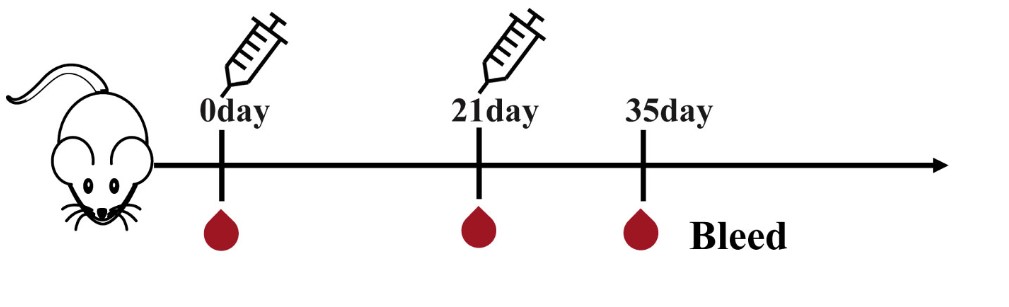 Fig.2 The mouse research experiment of rabies mRNA vaccine sequence screening in vivo experiments in mice.2
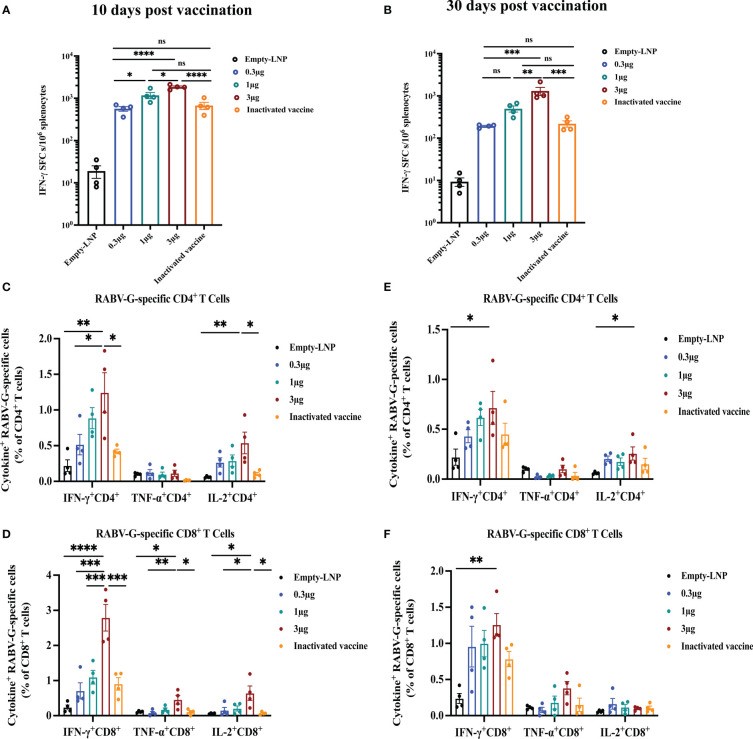 Fig. 3 T-cell immune responses in vaccinated mice.2
An ELISPOT experiment was conducted to determine the ability of splenocytes to release IFN- after re-stimulation with RABV-G peptide pools at ten days (A) or 30 days post-vaccination (B). Then RABV-G-specific CD4+ and CD8+ T cells producing IFN-γ, TNF-α, and IL-2 were measured by flow cytometry at ten days (C, D) or 30 days (E, F). The data are shown as the number of IFNγ spot forming cells (SFC)/106 splenocytes. ELISpot counts were represented as mean + SEM (standard error of the mean). Comparisons among experimental groups were determined using one-way ANOVA followed by Tukey's multiple comparisons tests (*p< 0.05; **p< 0.01; ***p< 0.001; ****p< 0.0001; ns, not significant).
Rabies Vaccine mRNA Vaccine Clinical Trials: mRNA Vaccine Can Open the Prelude to A New Rabies Vaccine?
The clinical trial results of mRNA rabies vaccine show that this platform can not only induce neutralizing antibody levels that reach or even exceed those of traditional inactivated vaccines, but also show unique advantages in terms of onset speed, dose utilization rate and preparation flexibility. Thanks to the modular design of mRNA technology itself, developers can quickly iteratively optimize the coding sequence and structural configuration of RABV-G on the same delivery platform, so as to more accurately present key neutralizing epitopes and improve the quality of immune response rather than just quantity.
At present, most of the candidate mRNA rabies vaccines are based on RABV-G pre-fusion stable conformation as the design core. By introducing stable mutation, epitope focusing and virus-like particle (VLP) expression strategies, the antigen is presented in a trimer state closer to the surface of the natural virus, maximizing the exposure of protective neutralizing epitopes, while reducing the immune systems ineffective recognition of non-protective and variable conformations.
This kind of structural optimization combined with lipid nanoparticles (LNP) delivery can induce high titer and more functional neutralizing antibodies at lower doses, which provides a realistic possibility to reduce the immune dose, reduce the number of injections, and even simplify the pre-exposure/post-exposure immune procedure.
Creative Biolabs accelerates infectious disease research with comprehensive solutions for rabies virus (RABV) intervention. We offer a premium portfolio of high-purity RABV antigens, including recombinant glycoprotein (G), nucleoprotein (N), and virus-like particles (VLPs), optimized for diagnostics and basic study.
Beyond reagents, we provide a one-stop vaccine development platform. Our custom services cover the entire pipeline—from antigen design (Subunit, mRNA, DNA) and adjuvant formulation to rigorous preclinical safety and immunogenicity evaluation. Leveraging deep virology expertise, Creative Biolabs supports pharmaceutical companies and researchers in developing next-generation rabies prophylactics efficiently and reliably.
Browse our Antigen Products
Need a custom solution? If our off-the-shelf products aren't a perfect fit, we can create one for you. Contact us to design a product that precisely matches your experimental demands.
References
- Le, T.; Sun, C.; Chang, J.; Zhang, G.; Yin, X. mRNA Vaccine Development for Emerging Animal and Zoonotic Diseases. Viruses 2022, 14, 401. CC BY 4.0. https://doi.org/10.3390/v14020401
- Bai, Shimeng, et al. "A single vaccination of nucleoside-modified Rabies mRNA vaccine induces prolonged highly protective immune responses in mice." Frontiers in immunology 13 (2023): 1099991. CC BY 4.0 . https://doi.org/10.3389/fimmu.2022.1099991
All of our products can only be used for research purposes. These vaccine ingredients CANNOT be used directly on humans or animals.