Creative Biolabs has a tradition of commitment. To achieve efficient execution and regulatory approval, we offer careful considerations of your program for the development of a cellular or gene therapy product – now and in the future.
EXPLORE MORE HighlightsWe focus on unmet needs and develop novel cellular and gene drugs and solutions that offer significant benefits over existing options.
EXPLORE MORE HighlightsThe advent of Chimeric Antigen Receptor T-cell (CAR-T) therapies has revolutionized the field of oncology, providing new avenues for treating various forms of cancer. Our 20 years of experience in the biotechnology sector have equipped us with the expertise and technological capabilities to support the entire lifecycle of CAR-T products, from early development to commercialization.
EXPLORE MORETo accelerate advanced breakthroughs of your projects, we offer broad range of platforms which enable our clients be free to tackle problems with cutting-edge technologies from different angles and in different methods.
EXPLORE MORE HighlightsUse the resources in our library to help you understand your options and make critical decisions for your study. We offer oncolytic virus, CAR-T, and dendritic cell related documents, as well as newsletter. If you don't find the answers you're looking for, contact us for additional assistance.
EXPLORE MORE HighlightsGet a real taste and understanding of the business and culture of one of the world's great research-based cellular and gene therapy discovery and development companies.
EXPLORE MORE
Cell and gene therapy (CGT) as a cutting-edge field in modern medicine, is rapidly advancing and reshaping the medical landscape, from basic research to clinical application, from technology acquisition to professional services. This article will delve into several aspects including CGT CRO, research progress, and and CGT Access Model.
Currently, CGT is the most cutting-edge research in the medical field, with over 700 projects conducting research and exploration worldwide. From rare genetic diseases to cancer treatment, CGT is the most effective way to cure these diseases. Cell and gene therapy research is the source of vitality in the entire field. To address the disease problems that traditional drugs find difficult to deal with, CGT starts from the fundamental logic of repairing cell functions and correcting gene sequences. Among them, CAR-T cell therapy, base editing and CRISPR gene editing technology have become the three major hotspots. In recent research on central nervous system diseases, it has been found that abnormal gene expression is a hallmark of most central nervous system diseases, and gene therapy is becoming a powerful tool for regulating abnormal gene expression. The changes in gene therapy for treating spinal muscular atrophy (SMA), amyotrophic lateral sclerosis (ALS), and active adrenoleukodystrophy suggest that this approach has great potential for development 1.It is estimated that the global prevalence of age-related macular degeneration (AMD) among people over 65 years old is 10-20%. Gene and cell therapy strategies offer feasible treatment options for advanced AMD2. Chimeric antigen receptor (CAR) -engineered T (CAR-T) cells are a type of T lymphocyte that expresses a synthetic receptor through genetic engineering. This receptor can recognize surface antigens of tumor cells and enable T cells to kill tumor cells. CAR-T cell therapy is an FDA-approved treatment method that can improve the progression-free survival of multiple myeloma and the overall survival of large B-cell lymphoma. CAR-T cell therapy is also widely applied in hematological malignancies and can alleviate acute lymphoblastic leukemia, follicular lymphoma and mantle cell lymphoma. In addition, the potential of CAR-T cells in treating autoimmune diseases has also been discovered. Recent studies have found that CAR-T cells can continuously and profoundly eliminate autoreactive B cells, thereby controlling autoimmune diseases with minimal safety concerns. These results have stimulated further research on the application of CAR-T cells in a wider range of autoimmune diseases and led to the development of advanced cell products with higher efficacy 3.
CRISPR is the abbreviation of "Clustered Regularly Interspaced Short Palindromic Repeats". CRISPR technology is an innovative genome editing tool. Its first discovery was in the bacterial genome. It is only in recent years that researchers have come to realize that CRISPR sequences constitute the adaptive immune system of bacteria, which use CRISPR sequences to fight against viral invaders. The CRISPR/Cas9 system is a powerful tool for genome editing that utilizes Cas9 nuclease and programmable single-guide RNA (sgRNA). The CRISPR/Cas9 system has promoted progress in agriculture, medicine and biotechnology. It is currently the most successful and mature gene editing technology. In 2020, the first patient with hereditary blindness was cured. The cure of this disease was achieved by scientists using gene editing technology. In agriculture, this technology can improve crops, making rice more cold-resistant and wheat more disease-resistant. The emergence of allergen-free peanuts further demonstrates the magic of this technology.
Gene therapy makes regenerative medicine possible, but there are also some limitations (such as: all kinds of complications, the therapeutic genes unregulated production may lead to clinical utility down). However, due to various complications, the unregulated production of therapeutic genes may lead to a decline in clinical efficacy. Therefore, technologies for controlling gene expression are also under development. These technologies include regulating transgenes, regulating endogenous genes to utilize natural biological regulation, localizing and reusing transcriptional regulatory networks, and engineering systems for dynamic responses to changes in cell states. Expanding the scope of gene therapy by precisely regulating gene expression is the focus of the development of the next generation of new technologies. These technologies include epigenome editing, antisense oligonucleotides, RNA editing, transcription fact-mediated reprogramming and synthetic genetic circuits, which have the potential to provide powerful control over cell functions4.
Research on CGT products and technologies is entering a white-hot stage. These products and technologies require continuous innovation and will also bring about a huge transformation in the medical field. This is something worth looking forward to.
Most attempts to translate gene therapy into clinical practice have failed to enter the market. What is urgently needed at present is not only to customize genes for pathology, but also to address the delivery challenges. Cell and Gene Therapy Contract Research Organizations (CGT CRO) serve as a bridge connecting basic research and clinical application. They are outsourcing institutions engaged in research and development services related to cell and gene therapy, capable of providing professional services and enhancing R&D efficiency. CGT CRO can provide one-stop professional services from preclinical research to clinical trials for its clients, including pharmaceutical enterprises, biotech companies, academic institutions, etc. CGT CRO provides services to these clients through contractual forms. These services are designed to help customers accelerate the R&D process of cell and gene therapy products, and reduce R&D costs and risks. Unlike traditional pharmaceutical companies that build their own teams, CROs have a large number of human resources, complete equipment and rich experience, providing full-process support for biotech companies from target discovery to clinical trials. Especially in technology-intensive fields such as cell and gene therapy, their value is even more promin (Fig.1).
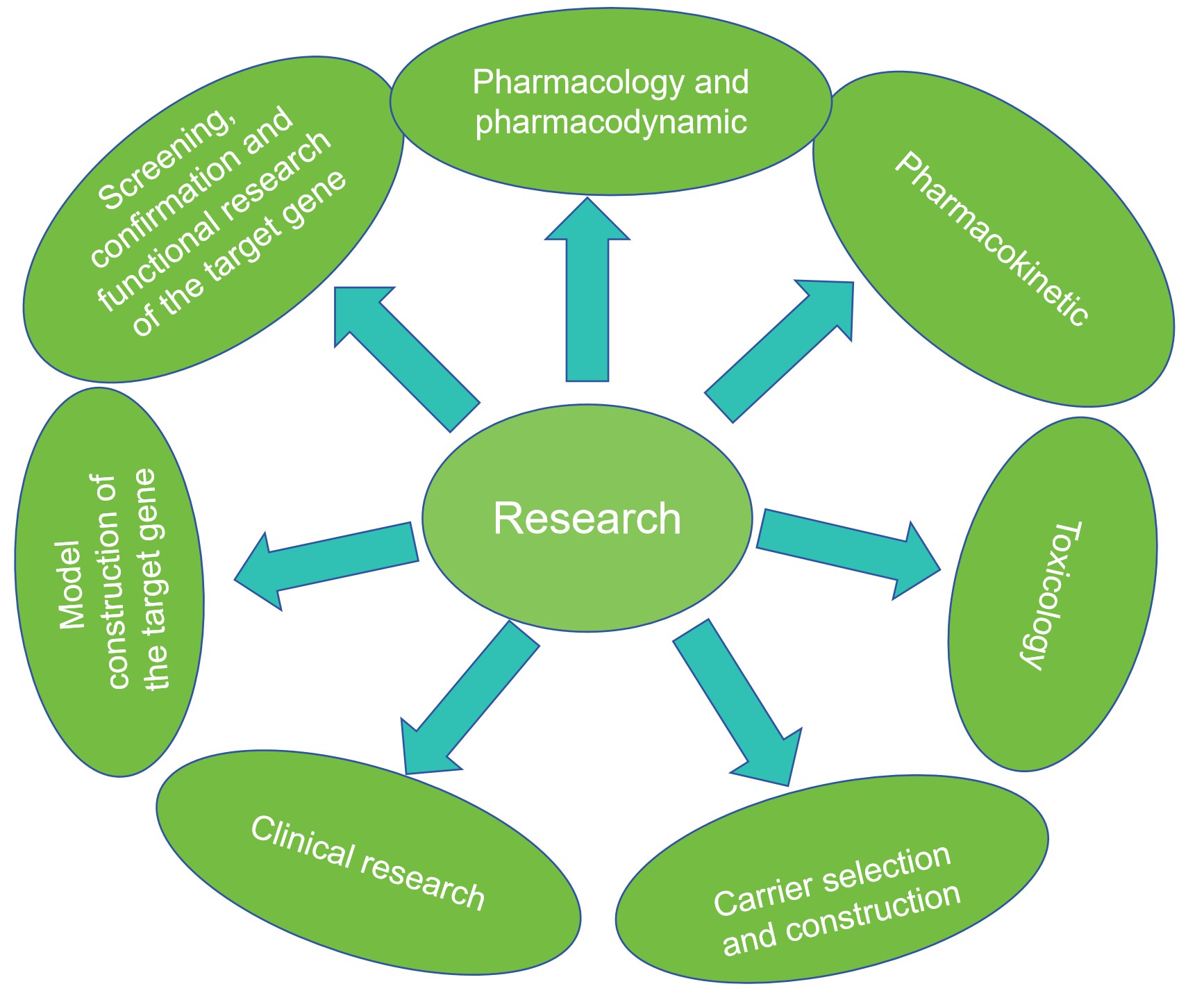 Fig.1 Advantages of CGT CRO.
In January 2024, the Centers for Medicare & Medicaid Services (CMS) of the United States launched a CGT access model, which uses a novel outcome-based payment mechanism to improve CGT access and reduce Medicaid spending. The Cell and Gene Therapy Access Model is a voluntary model that tests whether a CMS-led approach to developing and administering outcomes-based agreements (OBAs) for CGT improves Medicaid beneficiary access to innovative treatment, improves health outcomes for Medicaid beneficiaries, and reduces health care expenditures.
CGTs are a growing class of transformative, one-time medicines designed to treat previously intractable diseases.CGT access model initially focused on the CGT treatment of sickle cell disease (SCD), a hereditary blood disorder that affects approximately 100,000 people in the United States, with 50% of them covered by Medicaid. The current treatment options for SCD include symptomatic drug therapy and bone marrow transplantation for a limited proportion of patients5. It has the following features: Voluntary participation by Medicaid departments of each state; OBAs: CMS negotiates OBAs with manufacturers on behalf of each state; Advantages of collective procurement Federal administrative support; Cross-state unified access; Federal funding support; Fertility protection services.
Innovative cell and gene therapies (CGT) based on decades of research are transforming the lives of patients with a wide range of diseases, from cancer and sickle cell disease to neurological disorders. The high price of CGT ($300,000 to $4 million per dose) makes many people unable to afford these treatments. Only the academic community, industry, investors, funders, regulatory authorities and advertising agencies can all solve this accessibility problem.
CGT is basically Customized therapy, small batch production, even a single dose that is the reason why they essentially expensive. In addition, supply chain costs may account for 50% of the total manufacturing costs. The supply chain and manufacturing of CGT have not yet entered the "assembly line" era, thus lacking the "economies of scale" needed to provide goods to the global population. Through this model, CMS attempts to reduce Medicaid spending, ensure that treatment costs are related to patient prognosis, address the obstacles to obtaining CGT through Medicaid, and improve the health outcomes of Medicaid beneficiaries CGT Access Model also reflected in the following aspects: the importance of CGT Access Model since the listed price Medicaid; Have a significant impact on market share; More efficient than the previous OBA; It may get a greater discount than the Medicare IRA negotiation.
References
For any technical issues or product/service related questions, please leave your information below. Our team will contact you soon.
All products and services are For Research Use Only and CANNOT be used in the treatment or diagnosis of disease.
 NEWSLETTER
The latest newsletter to introduce the latest breaking information, our site updates, field and other scientific news, important events, and insights from industry leaders
LEARN MORE NEWSLETTER NEW SOLUTION
CellRapeutics™ In Vivo Cell Engineering: One-stop in vivo T/B/NK cell and macrophage engineering services covering vectors construction to function verification.
LEARN MORE SOLUTION NOVEL TECHNOLOGY
Silence™ CAR-T Cell: A novel platform to enhance CAR-T cell immunotherapy by combining RNAi technology to suppress genes that may impede CAR functionality.
LEARN MORE NOVEL TECHNOLOGY NEW SOLUTION
Canine CAR-T Therapy Development: From early target discovery, CAR design and construction, cell culture, and transfection, to in vitro and in vivo function validation.
LEARN MORE SOLUTION