Creative Biolabs has a tradition of commitment. To achieve efficient execution and regulatory approval, we offer careful considerations of your program for the development of a cellular or gene therapy product – now and in the future.
EXPLORE MORE HighlightsWe focus on unmet needs and develop novel cellular and gene drugs and solutions that offer significant benefits over existing options.
EXPLORE MORE HighlightsThe advent of Chimeric Antigen Receptor T-cell (CAR-T) therapies has revolutionized the field of oncology, providing new avenues for treating various forms of cancer. Our 20 years of experience in the biotechnology sector have equipped us with the expertise and technological capabilities to support the entire lifecycle of CAR-T products, from early development to commercialization.
EXPLORE MORETo accelerate advanced breakthroughs of your projects, we offer broad range of platforms which enable our clients be free to tackle problems with cutting-edge technologies from different angles and in different methods.
EXPLORE MORE HighlightsUse the resources in our library to help you understand your options and make critical decisions for your study. We offer oncolytic virus, CAR-T, and dendritic cell related documents, as well as newsletter. If you don't find the answers you're looking for, contact us for additional assistance.
EXPLORE MORE HighlightsGet a real taste and understanding of the business and culture of one of the world's great research-based cellular and gene therapy discovery and development companies.
EXPLORE MORE
Immune checkpoints are regulators of the immune system, which enables the body to maintain self-tolerance while responding effectively to protect the body against foreign materials. The immune checkpoints two components contain ligand-receptor pairs. Both adaptive and innate immune cells can express immune checkpoint receptors and their ligands on the surface of antigen-presenting cells (APCs), cancer cells, or other kinds of cells. However, some cancers can protect themselves from attack by stimulating immune checkpoint targets. Immune checkpoints and their ligands are frequently upregulated in the tumor microenvironment (TME) of various malignancies. The interaction of immune checkpoint molecules in the TME reduces the anti-tumor immune response by suppressing the recognition of T cells to tumor cells, thus resulting in tumor immune evasion and protecting cancer cells from immune clearance. Immune checkpoint blockade therapy has become a major weapon in fighting cancer. To date, two such immune checkpoints, cytotoxic T-lymphocyte protein 4 (CTLA4) and programmed cell death protein 1 (PD-1), have garnered the most attention.
Targeting immune checkpoint pathways has shown great potential as a novel cancer therapeutic approach and warrants further investigation in relation to the components of the TME. Among the various types of immunotherapy, immune checkpoint blockade covers a range of monoclonal antibody-based therapies. While immune checkpoint inhibitors (ICIs) stimulate the immune system, they may cause immune cells to attack healthy cells, triggering a variety of side effects. Another major problem with ICIs is that they only work for about a quarter of all cancers. Therefore, the combination therapy of multiple ICIs and combination with other therapies are potential ways to further improve the efficacies of ICIs. Better understanding of regulatory mechanisms of immune checkpoint/ligand expression in the TME will assist in the success of these therapies. ICIs have made an indelible mark in the field of cancer immunotherapy. Now ICIs are used as a treatment for numerous cancers such as melanoma skin cancer and lung cancer.
| Molecules | Ligands | Functions |
| Suppressive Immune Checkpoints | ||
| CTLA4 | B7-1 (CD80), B7-2 (CD86) | CTLA4 is upregulated on T cells following engagement of the T cell receptor (TCR), and competes with the co-stimulatory molecule CD28 for binding to the B7 ligands (CD80 and CD86) on APCs to effectively dampen T cell activation. |
| PD-1 | PD-L1, PD-L2 | PD-1 and its ligand 1 (PD-L1) are immune checkpoint proteins found on the cell surface of T cells. PD-L1 on cancer cells engages with PD-1 on immune cells, contributing to cancer immune escape. |
| Tim-3 | Galectin9, PtdSer, HMGB1, CEACAM1 | T-cell immunoglobulin and mucin domain 3 (Tim-3), expressed by a wide variety of immune cells as well as leukemic stem cells, is a negative immune checkpoint and plays a crucial part in tumor-induced immune suppression. |
| CD47 | SIRPα | CD47 is a macrophage immune checkpoint that plays a broad role in cancer immune evasion across multiple cancer types and particularly in myeloid malignancies. Upon the interaction of CD47-SIRPα occurrence, they send a "don't eat me" signal to the macrophages. |
| VISTA | VSIG-3 | V-domain immunoglobulin suppressor of T cell activation (VISTA) is a potent negative regulator of T cell function that is expressed on hematopoietic cells and leukocytes. |
| Activating Immune Checkpoints | ||
| CD27 | CD70 | CD27 is a co-stimulatory immune-checkpoint receptor, constitutively expressed on a broad range of T-cells (αβ and γδ T cells), NK-cells and B-cells. |
| CD28 | CD80, CD86 | CD28 is expressed by thymocytes, most peripheral T cells, and NK cells and is an important costimulatory receptor in immune checkpoint pathway. It allows T cells to proliferate and to migrate toward specific antigens. |
| OX40 (CD134) | OX40L | OX40 is an activating receptor expressed on the surface of activated cytotoxic T cells and regulatory T cells (Tregs). The mutual interaction between OX40 and its ligand decreases the functional capacity of immunosuppression offered by Tregs and induces the proliferation of T cells against specific antigens enhancing the immune response. |
Creative Biolabs offers a wide range of reagents and kits designed to study the immune checkpoints, including blocking antibodies, proteins, assays, and more. Along with our assay experience, we are also able to help our clients make sure that their program meets guidelines specifically. Please feel free to contact us for more detailed information.
For any technical issues or product/service related questions, please leave your information below. Our team will contact you soon.
All products and services are For Research Use Only and CANNOT be used in the treatment or diagnosis of disease.
 NEWSLETTER
The latest newsletter to introduce the latest breaking information, our site updates, field and other scientific news, important events, and insights from industry leaders
LEARN MORE NEWSLETTER NEW SOLUTION
CellRapeutics™ In Vivo Cell Engineering: One-stop in vivo T/B/NK cell and macrophage engineering services covering vectors construction to function verification.
LEARN MORE SOLUTION NOVEL TECHNOLOGY
Silence™ CAR-T Cell: A novel platform to enhance CAR-T cell immunotherapy by combining RNAi technology to suppress genes that may impede CAR functionality.
LEARN MORE NOVEL TECHNOLOGY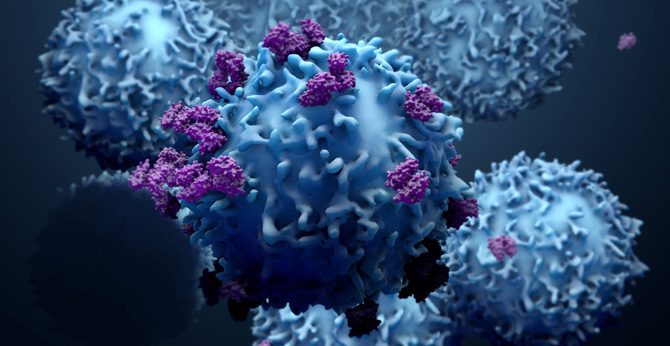 NEW SOLUTION
Canine CAR-T Therapy Development: From early target discovery, CAR design and construction, cell culture, and transfection, to in vitro and in vivo function validation.
LEARN MORE SOLUTION