Creative Biolabs has a tradition of commitment. To achieve efficient execution and regulatory approval, we offer careful considerations of your program for the development of a cellular or gene therapy product – now and in the future.
EXPLORE MORE HighlightsWe focus on unmet needs and develop novel cellular and gene drugs and solutions that offer significant benefits over existing options.
EXPLORE MORE HighlightsThe advent of Chimeric Antigen Receptor T-cell (CAR-T) therapies has revolutionized the field of oncology, providing new avenues for treating various forms of cancer. Our 20 years of experience in the biotechnology sector have equipped us with the expertise and technological capabilities to support the entire lifecycle of CAR-T products, from early development to commercialization.
EXPLORE MORETo accelerate advanced breakthroughs of your projects, we offer broad range of platforms which enable our clients be free to tackle problems with cutting-edge technologies from different angles and in different methods.
EXPLORE MORE HighlightsUse the resources in our library to help you understand your options and make critical decisions for your study. We offer oncolytic virus, CAR-T, and dendritic cell related documents, as well as newsletter. If you don't find the answers you're looking for, contact us for additional assistance.
EXPLORE MORE HighlightsGet a real taste and understanding of the business and culture of one of the world's great research-based cellular and gene therapy discovery and development companies.
EXPLORE MORE
In the rapidly evolving landscape of cancer immunotherapy, CAR-T cells have emerged as a groundbreaking therapeutic approach that harnesses the power of a patient's own immune system to fight cancer. At their core, these cells represent a sophisticated fusion of cellular and genetic engineering, where T lymphocytes are modified to express a chimeric antigen receptor (CAR) - a synthetic receptor that combines the specificity of an antibody with the cytotoxic capabilities of T cells.
The journey of CAR-T cell therapy development began in the late 1980s at the Weizmann Institute of Science, but it wasn't until the past decade that we witnessed its true clinical potential. The fundamental principle behind this therapy lies in its ability to overcome one of cancer's most effective defense mechanisms: the evasion of immune recognition. By engineering T cells to express CARs, we create immune cells that can recognize specific tumor antigens independent of Major Histocompatibility Complex (MHC) presentation - a limitation that often hampers natural T cell responses.
The structure of a CAR is elegantly complex, typically comprising four distinct domains:
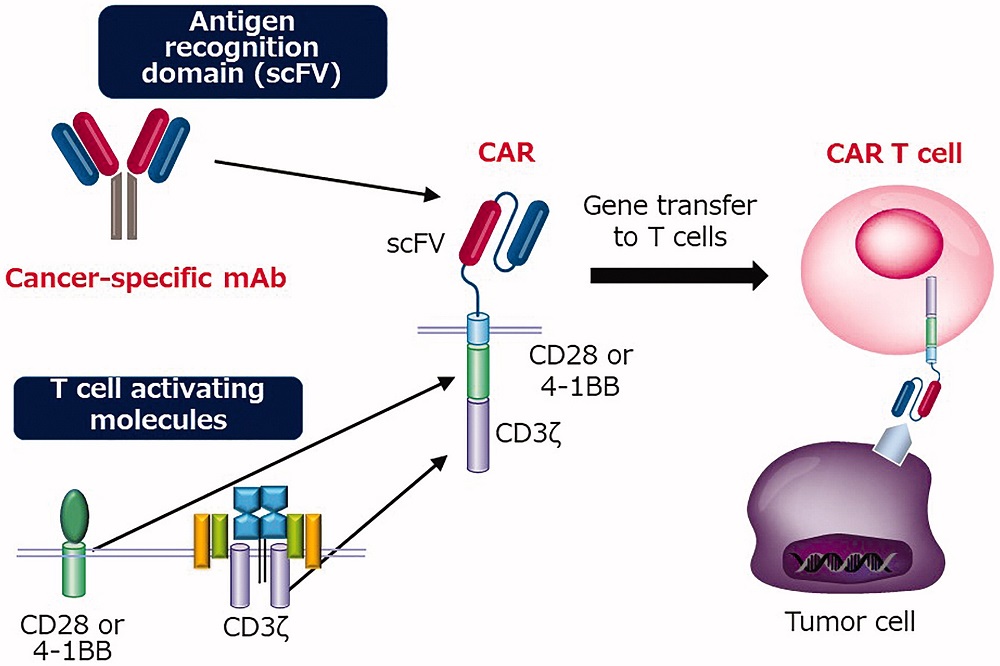 Fig.1 Illustration of the structure of CAR and CAR-T cell1,5.
The evolution of CAR design has progressed through multiple generations, each addressing specific limitations of its predecessors. First-generation CARs contained only the CD3ζ signaling domain, while second-generation constructs incorporated co-stimulatory domains like CD28 or 4-1BB. Third-generation CARs feature multiple co-stimulatory domains, and fourth-generation variants, also known as TRUCKs (T cells Redirected for Universal Cytokine Killing), can express additional molecules like cytokines or suicide genes for enhanced functionality and safety.
The CAR-T cell production process represents a complex interplay of cellular biology, genetic engineering, and quality control measures. The CAR-T therapy manufacturing process typically spans 2-3 weeks and involves several critical steps that must be executed with precision to ensure product safety and efficacy.
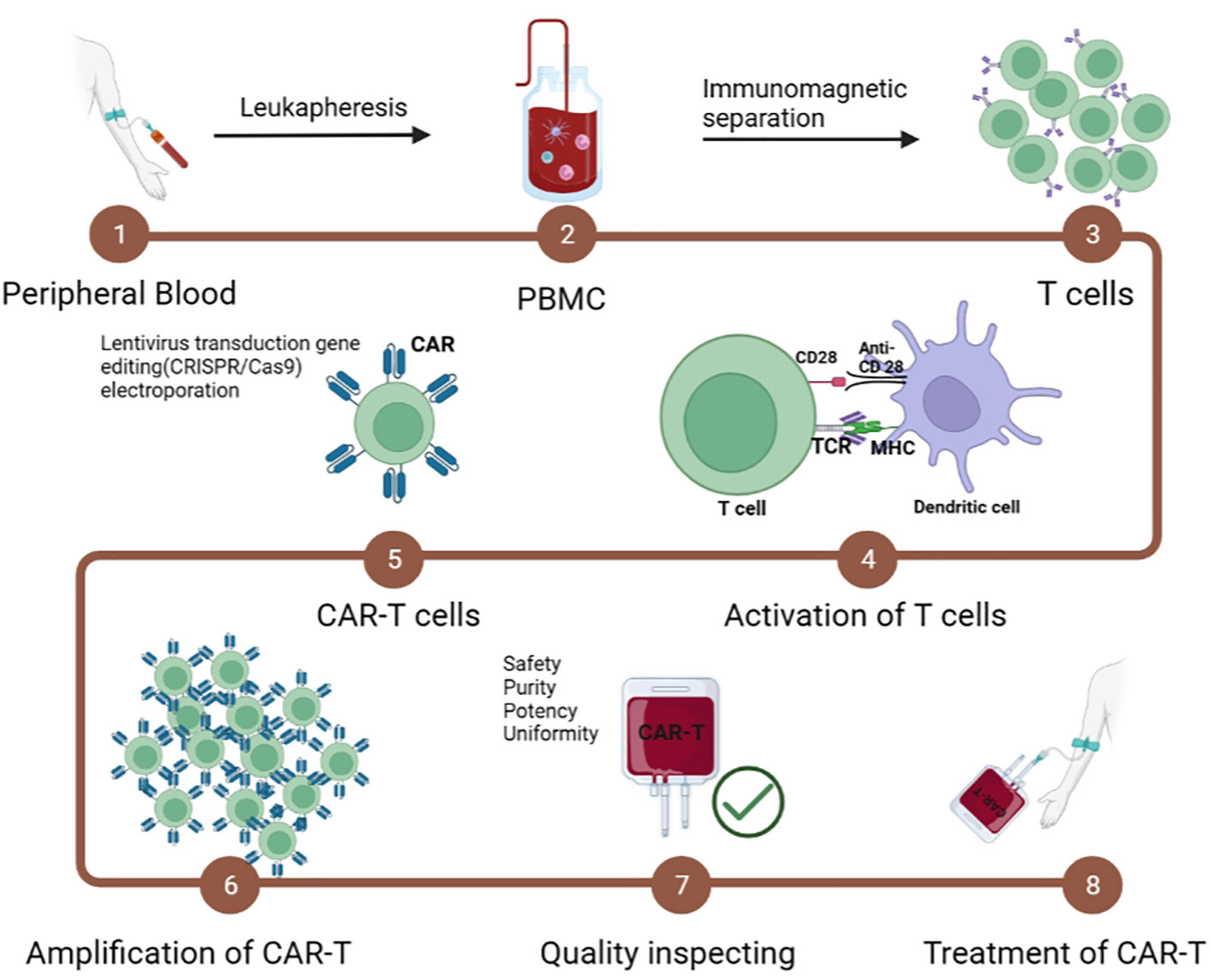 Fig.2 Manufacturing steps of CAR-T cells2,5.
The manufacturing journey begins with leukapheresis, where a patient's white blood cells are collected while returning other blood components to the circulation. This process typically takes 3-4 hours and requires careful timing to ensure optimal T cell collection. The collected product undergoes density gradient centrifugation to isolate peripheral blood mononuclear cells (PBMCs), followed by specific T cell enrichment using magnetic bead-based selection or other separation techniques.
A crucial step in the CAR-T cell production protocol involves T cell activation, traditionally accomplished using anti-CD3/CD28 antibodies conjugated to magnetic beads or artificial antigen-presenting cells. This activation creates an optimal environment for subsequent genetic modification and expansion. The choice of activation method significantly impacts the final product's phenotype and functionality.
Modern expansion protocols utilize specialized bioreactors that maintain precise control over:
The introduction of the CAR construct into T cells represents one of the most critical steps in the manufacturing process. Two primary approaches dominate the field:
1. Viral Vectors:
2. Non-viral Methods:
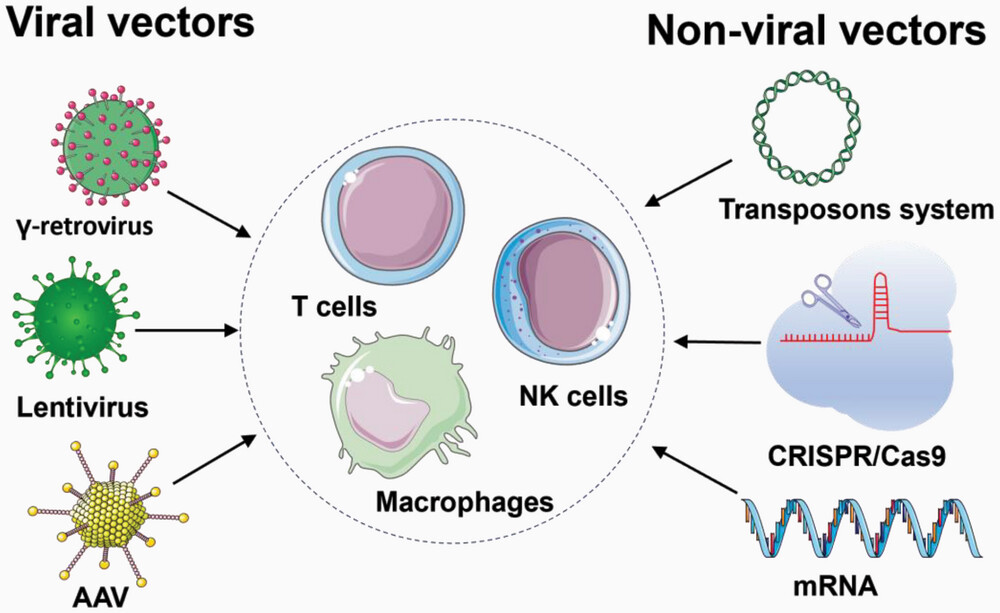 Fig.3 Manufacturing steps of CAR-T cells3,5.
Before release, CAR-T cell products undergo rigorous testing to ensure safety and potency:
1. Identity Testing:
2. Purity Assessment:
3. Potency Evaluation:
4. Safety Testing:
The manufacturing process must be carefully documented and validated according to Good Manufacturing Practice (GMP) guidelines. This includes:
The field of CAR-T cell production continues to evolve rapidly. Several innovative approaches are being developed to enhance manufacturing efficiency and product quality:
1. Automated Manufacturing Platforms:
2. Novel Selection Methods:
3. Advanced Culture Systems:
4. Alternative Genetic Modification Strategies:
The successful implementation of these manufacturing processes requires a deep understanding of cellular biology, process engineering, and regulatory requirements. Continuous process improvement and optimization are essential for advancing the field and making CAR-T cell therapy more accessible to patients.
Critical considerations for process optimization include:
As the field continues to mature, we can expect further refinements in manufacturing processes, leading to more efficient and cost-effective production methods while maintaining the highest standards of product quality and safety.
The mechanism of action of CAR-T cells represents a sophisticated integration of synthetic biology and natural immune responses. Unlike conventional T cells that require antigen presentation via the MHC, CAR-T cells can directly recognize surface antigens through their engineered receptors, initiating a cascade of events that ultimately leads to target cell elimination.
When a chimeric antigen receptor encounters its specific target antigen on a cancer cell, several critical events occur in rapid succession:
1. Initial Binding:
2. Signal Transduction:
Activated CAR-T cells employ multiple mechanisms to eliminate target cells:
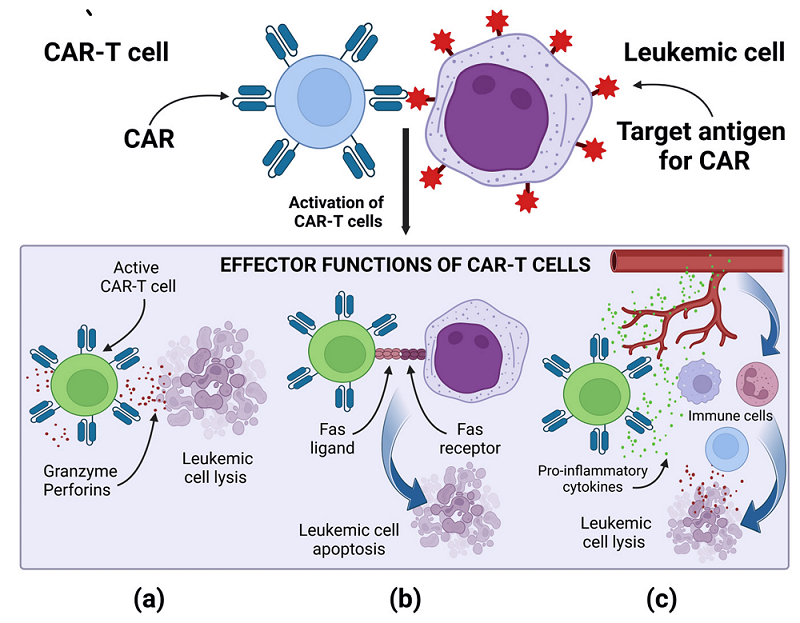 Fig.4 Effector mechanism of CAR-T cell4,5.
1. Direct Cytotoxicity:
2. Cytokine Production:
3. Proliferation and Persistence:
CAR-T cell activity is regulated through various intrinsic and extrinsic mechanisms:
1. Inhibitory Receptors:
2. Metabolic Regulation:
3. Spatial Organization:
CAR-T cell activity is regulated through various intrinsic and extrinsic mechanisms:
The functionality of CAR-T cells faces several challenges in the tumor microenvironment:
1. Immunosuppressive Factors:
2. Physical Barriers:
To address these challenges, newer generations of CAR-T cells incorporate additional features:
1. Enhanced Trafficking:
2. Resistance to Inhibition:
3. Improved Safety:
The complex interplay between CAR-T cells and their targets continues to be an area of active research, with new insights regularly emerging about optimization strategies and potential combination approaches with other therapeutic modalities.
References
For any technical issues or product/service related questions, please leave your information below. Our team will contact you soon.
All products and services are For Research Use Only and CANNOT be used in the treatment or diagnosis of disease.
 NEWSLETTER
The latest newsletter to introduce the latest breaking information, our site updates, field and other scientific news, important events, and insights from industry leaders
LEARN MORE NEWSLETTER NEW SOLUTION
CellRapeutics™ In Vivo Cell Engineering: One-stop in vivo T/B/NK cell and macrophage engineering services covering vectors construction to function verification.
LEARN MORE SOLUTION NOVEL TECHNOLOGY
Silence™ CAR-T Cell: A novel platform to enhance CAR-T cell immunotherapy by combining RNAi technology to suppress genes that may impede CAR functionality.
LEARN MORE NOVEL TECHNOLOGY NEW SOLUTION
Canine CAR-T Therapy Development: From early target discovery, CAR design and construction, cell culture, and transfection, to in vitro and in vivo function validation.
LEARN MORE SOLUTION