Creative Biolabs has a tradition of commitment. To achieve efficient execution and regulatory approval, we offer careful considerations of your program for the development of a cellular or gene therapy product – now and in the future.
EXPLORE MORE HighlightsWe focus on unmet needs and develop novel cellular and gene drugs and solutions that offer significant benefits over existing options.
EXPLORE MORE HighlightsThe advent of Chimeric Antigen Receptor T-cell (CAR-T) therapies has revolutionized the field of oncology, providing new avenues for treating various forms of cancer. Our 20 years of experience in the biotechnology sector have equipped us with the expertise and technological capabilities to support the entire lifecycle of CAR-T products, from early development to commercialization.
EXPLORE MORETo accelerate advanced breakthroughs of your projects, we offer broad range of platforms which enable our clients be free to tackle problems with cutting-edge technologies from different angles and in different methods.
EXPLORE MORE HighlightsUse the resources in our library to help you understand your options and make critical decisions for your study. We offer oncolytic virus, CAR-T, and dendritic cell related documents, as well as newsletter. If you don't find the answers you're looking for, contact us for additional assistance.
EXPLORE MORE HighlightsGet a real taste and understanding of the business and culture of one of the world's great research-based cellular and gene therapy discovery and development companies.
EXPLORE MORE
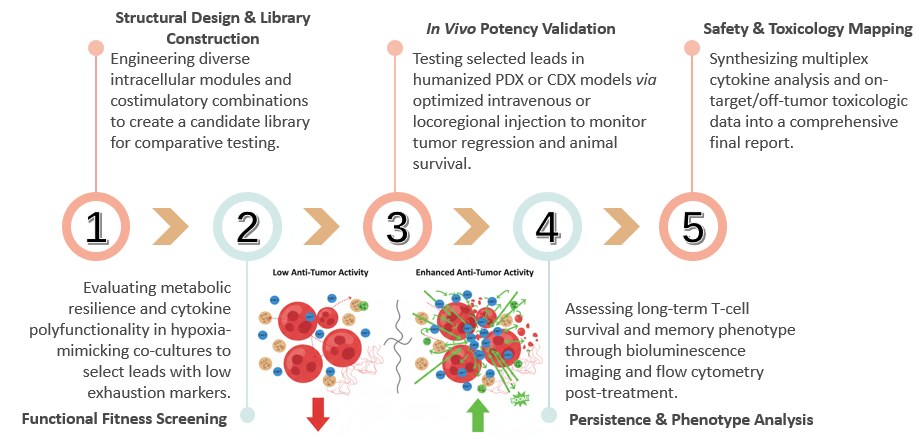
Creative Biolabs offers a comprehensive CAR-T Cell In Vivo Anti-Tumor Activity Enhancement Service designed to address limited persistence, cytokine-related toxicity, and insufficient tumor infiltration in solid malignancies. Our platform enhances CAR-T therapeutic performance through structural signalosome optimization, including innovative CD3 subunit reconstitution, combined with advanced locoregional delivery strategies to improve in vivo functionality. By integrating metabolic fitness profiling, high-throughput screening, and TME-adaptive tumor models, we systematically optimize CAR-T constructs for durability and efficacy.
CAR-T therapy often encounters hurdles in solid tumors due to rapid exhaustion and systemic toxicity. Substituting conventional CD3ε modules for CD3ζ has been shown to reduce cytokine release and tonic signals while enhancing memory differentiation. Furthermore, studies demonstrate that locoregional delivery effectively bypasses physical barriers such as the blood-brain barrier in glioblastoma. These structural and delivery refinements are essential for enhancing in vivo activity and ensuring long-term disease remission in complex tumor microenvironments.
Creative Biolabs delivers precise engineering solutions to overcome biological barriers in CAR-T therapy. We provide optimized intracellular modules that reduce tonic signaling, directly preventing premature T-cell exhaustion. Our deliverables include remodeled metabolic profiles enabling cells to thrive in hypoxic tumor environments and optimized delivery routes that maximize infiltration. By moving from unstable prototypes to lead candidates with verified in vivo potency and manageable safety profiles, we ensure your project meets rigorous clinical-readiness standards.
Discover How We Can Help - Request a Consultation.
We offer a suite of mainstream technology platforms tailored for functional enhancement:
Required Starting Materials:
scFv sequence or baseline CAR plasmid maps.
Target antigen expression profile of your specific tumor cell lines.
Desired therapeutic target profile.
Final Deliverables:
Optimized CAR-T candidate plasmids and verified stable cell lines.
Comprehensive data reports including in vivo efficacy, persistence kinetics, and histopathological analysis.
Detailed cytokine toxicity profiles and metabolic fitness datasets.
This study explores a novel way to improve CAR-T cell therapy by redesigning its core signaling component. Instead of the conventional domain, they built CARs using alternative signaling modules from different CD3 proteins. These new designs, particularly one based on the CD3ε chain, improved safety by reducing excessive cytokine release and enhancing cell persistence, without compromising anti-tumor activity.
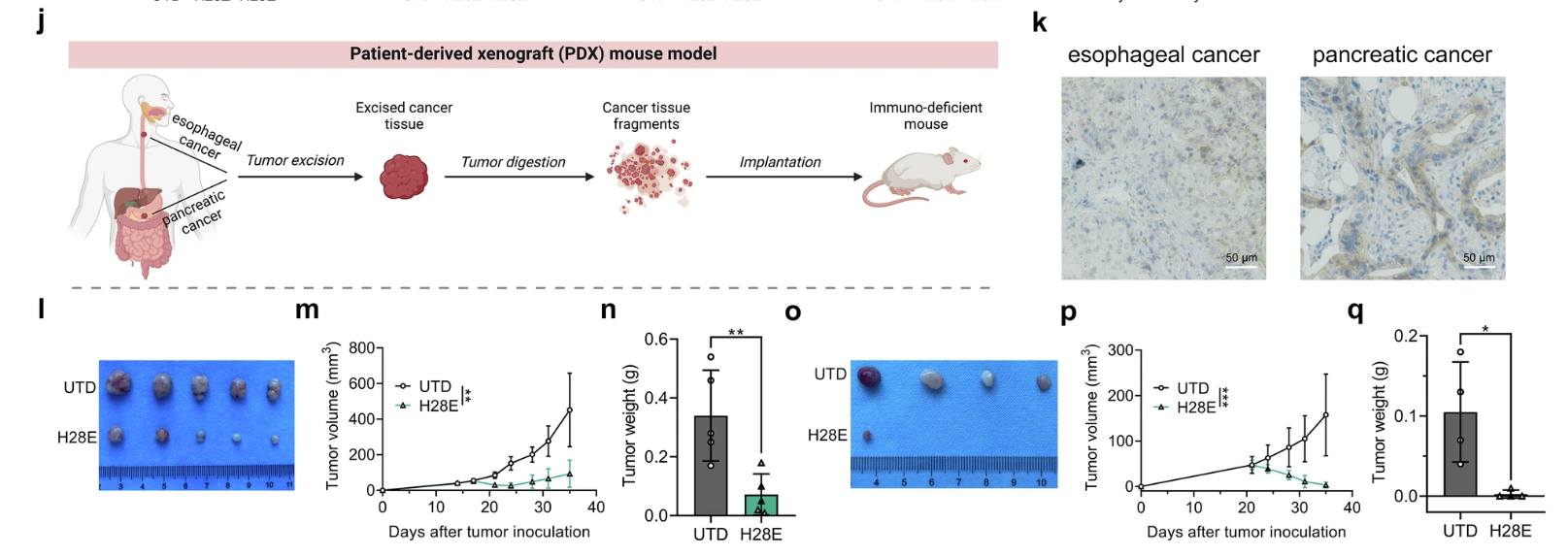 Fig.1 CARs equipped with novel intracellular domains augment the antitumor efficacy of T cells.1
Q1: What types of CAR-T cells can be tested?
A1: We accommodate various CAR-T constructs, including second- and third-generation CARs, with autologous or allogeneic T cells.
Q2: What in vivo models are available?
A2: Mouse models include syngeneic, xenograft, and humanized mice, with tumor types ranging from solid tumors to hematological malignancies.
Q3: Can you evaluate combination therapies?
A3: Yes, we support the evaluation of CAR-T cells with checkpoint inhibitors, cytokines, chemotherapies, or other immunomodulators.
Q4: How is CAR-T efficacy measured?
A4: Through tumor volume tracking, bioluminescence imaging, flow cytometry for CAR-T persistence, and cytokine profiling.
"The in vivo CAR-T studies provided by Creative Biolabs were truly outstanding. The team guided us through the entire process, from designing the study to optimizing our CAR-T cells for enhanced tumor infiltration and long-term persistence. The data we received was not only comprehensive but also highly reproducible, allowing us to make critical decisions for our preclinical program. Their attention to detail and scientific expertise exceeded our expectations at every stage."
"Working with Creative Biolabs was a game-changer for our CAR-T research. They provided a fully integrated service that included in vivo efficacy testing, immune profiling, and pharmacokinetic analysis. The team's responsiveness and ability to tailor the study design specifically for our CAR construct made the process seamless."
Creative Biolabs offers a comprehensive suite of services designed to enhance the in vivo anti-tumor activity of CAR-T cells, integrating scientific rigor with practical solutions to accelerate translational research. Our offerings cover the full spectrum of in vivo CAR-T evaluation, including optimized xenograft, syngeneic, and humanized mouse models, immune cell interaction analysis, combination therapy assessment, and detailed functional profiling of CAR-T persistence, infiltration, and cytotoxicity.
We encourage researchers, biotech innovators, and academic teams to reach out to Creative Biolabs to discuss how our in vivo CAR-T enhancement services can be applied to their projects. From study design to execution and detailed data reporting, we provide guidance and support at every stage, helping your CAR-T programs achieve optimal efficacy and translational relevance.
Reference
For any technical issues or product/service related questions, please leave your information below. Our team will contact you soon.
All products and services are For Research Use Only and CANNOT be used in the treatment or diagnosis of disease.
 NEWSLETTER
The latest newsletter to introduce the latest breaking information, our site updates, field and other scientific news, important events, and insights from industry leaders
LEARN MORE NEWSLETTER NEW SOLUTION
CellRapeutics™ In Vivo Cell Engineering: One-stop in vivo T/B/NK cell and macrophage engineering services covering vectors construction to function verification.
LEARN MORE SOLUTION NOVEL TECHNOLOGY
Silence™ CAR-T Cell: A novel platform to enhance CAR-T cell immunotherapy by combining RNAi technology to suppress genes that may impede CAR functionality.
LEARN MORE NOVEL TECHNOLOGY NEW SOLUTION
Canine CAR-T Therapy Development: From early target discovery, CAR design and construction, cell culture, and transfection, to in vitro and in vivo function validation.
LEARN MORE SOLUTION