Anti-6-FP T Cell Receptor (M33.64(Y95F)), Jurkat Cell Line (TCRJ-YC0046)

Online Inquiry  Datasheet

All products and services are For Research Use Only and CANNOT be used in the treatment or diagnosis of disease.

The anti-6-FP TCR Jurkat cell line is a stable cell line made from the anti-6-FP TCR lentivirus. The recombinant Jurkat T cell was designed to predict the MOA of 6-FP-TCR, measure the 6-FP-TCR specificity and screen target cells existing 6-FP. And the product can be used to treat cytomegalovirus infection.

Specific Inquiry

  • Size:
  • Marker:
  • Positive rate:
  Add to Cart

Specifications

  • Cell Background
  • The Jurkat cell line was established from the peripheral blood of human T lymphocyte cells. Jurkat cells are used to study acute T cell leukemia, T cell signaling, and the expression of various chemokine receptors. Jurkat cells can produce interleukin 2, and are used in research involving the susceptibility of cancers to drugs and radiation.
  • Cell Type
  • T lymphocyte
  • Formulation
  • Containing ≥ 1 X 10*6 / vial frozen cells
  • Cell Purity
  • >95%
  • Cell Viability
  • >90%
  • Mycoplasma Testing
  • The cell line has been screened using the luciferase based mycoplasma detection kit to confirm the absence of mycoplasma species.
  • Applications
  • • Screen for activators or inhibitors of CMV signaling in a cellular context
    • Characterize the biological activity of CMV and its interactions with ligands
    • Predict the MOA of the TCR design
    • Screen and validate CMV-expressing target cells
  • Storage
  • Frozen cells should be stored in a liquid nitrogen tank (-150°C~-190°C). Once reconstituted, the cells may be used for up to five days if properly stored at 2°C - 8°C in the buffer provided.
  • Handling Notes
  • Frozen cells should be thawed immediately upon receipt and grown according to handling procedure to ensure cell viability and proper assay performance.
    Note: Do not freeze the cells upon receipt as it may result in irreversible damage to the cell line.
    Disclaimer: We cannot guarantee cell viability if the cells are not thawed immediately upon receipt and grown according to handling procedure.
  • Warnings
  • Avoid multiple freeze/thaw cycles
  • Research Use Only
  • Our recombinant Jurkat cell are for research use only, not for diagnostic or therapeutic use.
  • Quality Control
  • Cultures are screened for the presence of bacteries, yeast, fungi and mycoplasma (DNA amplification). Growth media are also certified based on U.S. Public Health Service Guidelines.
  • Tumorgenicity
  • Positive (In vitro/vivo transformation assay)
  • Oncogenicity
  • Positive (In vitro soft agarose assay and life-time studies )
  • Sterility Testing
  • Creative Biolabs provides sterility testing in accordance with USP and EP regulations. All of our sterility testing is performed in an isolator or clean room environments. The cell line has been screened using the membrane filtration testing methods to confirm the absence of aerobic, anaerobic and fungi microorganisms.
  • Identity Testing
  • Identity testing is required for newly established cell lines. Isoenzyme analysis is used to confirm the identity of the species of a cell line. Alternative methods for identity testing include DNA fingerprinting, STR analysis and karyology.
  • Virological Safety Testing
  • A broad range of viruses is susceptible to affecting human cell lines. We can provide in vivo/vitro virus saftey assays by utilizing various animal systems. These viruses include: adventitious viruses, bovine viruses, human and simian viruses, porcine viruses, retrovirus and rodent viruses.
  • Genetic Stability Testing
  • We perform cell genetic stability studies under ICH guidelines. We can provide guidance on the appropriate testing program upon your requirements.

TCR Design

  • Target
  • 6-FP
  • Introduction
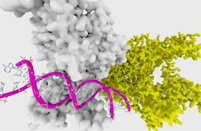
  • The MAIT TCR is restricted by the MHC class I–related molecule MR1. MR1 is a monomorphic Ag-presenting molecule that is highly conserved across mammals. Although the MR1 transcript is expressed widely, cell surface expression of MR1 is very low/absent, thereby indicating that other factors, including Ag supply, can determine the level of MR1 that egresses to the cell membrane. Recently, it has been established that MR1 can bind vitamin B–based precursors and derivatives that originate from folic acid (vitamin B9) and riboflavin (vitamin B2) biosynthesis. Specifically, MR1 can present 6-formylpterin (6-FP), a naturally occurring photo-degradation product of folic acid, and a series of ribityllumazines, including 6,7-dimethyl-8-d-ribityllumazine (RL-6,7-DiMe), 6-methyl-7-hydroxy-8-d-ribityllumazine (RL-6-Me-7-OH), 5-(2-oxoethylideneamino)-6-d-ribitylaminouracil (5-OE-RU), and 5-(2-oxopropylideneamino)-6-d-ribitylaminouracil (5-OP-RU). The MR1 Ag-binding cleft is ideally disposed to bind to these small organic metabolites, with the ligands being closely sequestered by an aromatic cradle within MR1, whereupon some of the ligands can form a covalent bond (Schiff base) with MR1.
  • HLA
  • Human MR1
  • Common Name
  • 6-FP
  • TCR Clone
  • M33.64(Y95F)
  • TCR-Host Animal
  • Human
  • Vector Name
  • pCDTCR1
  • Vector length
  • ~ 8 kb
  • Vector Type
  • Lentiviral vector
  • Epitope
  • 6-formylpterin
  • Format
  • Modified TCR

Customer Reviews and Q&As

There are currently no customer reviews or questions for Anti-6-FP T Cell Receptor (M33.64(Y95F)), Jurkat Cell Line (TCRJ-YC0046). Click the button below to contact us or submit your feedback about this product.

For research use only. Not intended for any clinical use. No products from Creative Biolabs may be resold, modified for resale or used to manufacture commercial products without prior written approval from Creative Biolabs.

Related Products

Online Inquiry

For any technical issues or product/service related questions, please leave your information below. Our team will contact you soon.

This site is protected by reCAPTCHA and the Google Privacy Policy and Terms of Service apply.

Key Updates
Newsletter. (Creative Biolabs Authorized) NEWSLETTER

The latest newsletter to introduce the latest breaking information, our site updates, field and other scientific news, important events, and insights from industry leaders

LEARN MORE NEWSLETTER
New Solution. (Creative Biolabs Authorized) NEW SOLUTION

CellRapeutics™ In Vivo Cell Engineering: One-stop in vivo T/B/NK cell and macrophage engineering services covering vectors construction to function verification.

LEARN MORE SOLUTION

Novel Solution. (Creative Biolabs Authorized) NOVEL TECHNOLOGY

Silence™ CAR-T Cell: A novel platform to enhance CAR-T cell immunotherapy by combining RNAi technology to suppress genes that may impede CAR functionality.

LEARN MORE NOVEL TECHNOLOGY
New Technology. (Creative Biolabs Authorized) NEW SOLUTION

Canine CAR-T Therapy Development: From early target discovery, CAR design and construction, cell culture, and transfection, to in vitro and in vivo function validation.

LEARN MORE SOLUTION


Receive our latest news and insights.