Leveraging natural biocompatibility, these carriers excel in evading immune detection and minimizing systemic toxicity.
Protein based Delivery System Development Services for Targeted Drug Delivery
Welcome to the forefront of precision medicine with Creative Biolabs' Protein-Based Targeted Drug Delivery Services. The ability to route therapeutics exclusively to diseased tissues while sparing healthy cells remains the defining challenge of modern pharmacology. By harnessing the natural biocompatibility and structural versatility of engineered proteins, we provide highly specific, research-grade delivery vehicles designed to protect and transport your most fragile payloads. From conceptual design to in vitro validation, Creative Biolabs empowers your R&D pipeline with unmatched expertise in synthesizing and optimizing custom protein nanoparticles for precise, targeted drug delivery.
Navigating Biological Barriers with Protein Carriers
To solve the limitations of conventional synthetic carriers, protein-based delivery systems offer a highly adaptable, biologically native approach. Our platforms are designed to seamlessly integrate with physiological systems, ensuring that your therapeutics achieve maximum efficacy with minimal off-target effects.
The Strategic Advantages of Protein-Based Delivery
Protein platforms are uniquely suited for targeted delivery due to their inherent structural and biochemical properties. They offer a superior therapeutic index through:

- Exceptional Biocompatibility & Biodegradability: As natural macromolecules, proteins are metabolized into harmless amino acids, eliminating the long-term toxicity and accumulation risks associated with synthetic polymers.
- Precise Spatial Tuning: The abundance of reactive functional groups (e.g., amino, carboxyl, and thiol groups) allows for highly controlled, site-specific conjugation of targeting ligands and drugs.
- Stimuli-Responsiveness: Many protein carriers naturally undergo conformational changes in response to the tumor microenvironment (pH, redox variations, specific enzymes), enabling triggered payload release.
- Inherent Stealth Properties: Certain endogenous proteins inherently evade the mononuclear phagocyte system (MPS), significantly prolonging blood circulation without the need for extensive PEGylation.
Advanced Targeting Strategies for Precision Medicine
We deploy multi-tiered targeting strategies utilizing our protein platforms to navigate complex biological barriers and reach exact cellular addresses:
Passive Targeting (EPR Effect)
By precisely controlling nanoparticle size (typically 20-200 nm), our protein carriers exploit the Enhanced Permeability and Retention (EPR) effect to naturally accumulate within leaky tumor vasculature.
Active Targeting (Ligand-Receptor)
We chemically modify the protein surface with specific targeting moieties (antibodies, aptamers, peptides) that bind to overexpressed receptors on target cells, triggering receptor-mediated endocytosis.
Subcellular Targeting (Endosomal Escape)
Engineered protein vectors undergo pH-dependent structural inversions within the acidic endosome, rupturing the membrane to deliver intact therapeutics directly into the cytosol or nucleus.
Our Comprehensive Protein Carrier Portfolio
Creative Biolabs offers an extensive library of customizable protein delivery platforms, each carefully selected and engineered to cater to diverse pharmacological requirements, payload types, and release kinetics. Our portfolio spans three major categories:
Endogenous & Animal-Derived Proteins
Recombinant & Engineered Polypeptides
Synthesized with exact molecular precision, these platforms offer highly tunable physicochemical properties and programmable stimuli-responsiveness.
Plant-Derived & Fibrous Proteins
A sustainable, highly biocompatible alternative that provides robust structural integrity and resistance to enzymatic degradation, particularly useful in challenging environments like the gastrointestinal tract.
Versatile Payload Delivery Capabilities
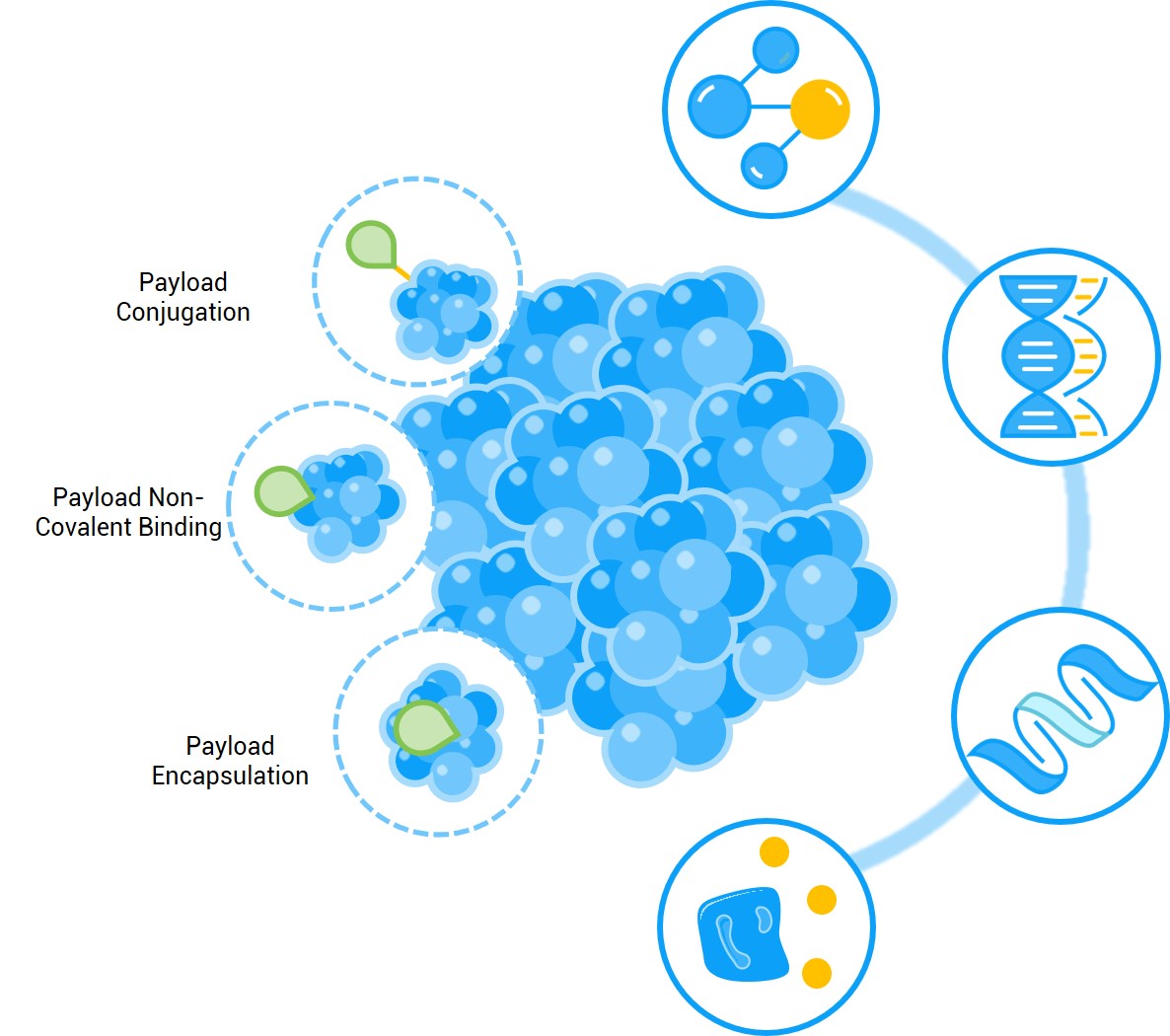
Protein nanoparticles feature unique architectures—ranging from hydrophobic cores and hollow self-assembling cages to intricate fibrous matrices. This unparalleled structural diversity allows us to deliver virtually any therapeutic modality with precision.
Fig. 1 Protein-based drug delivery systems and available therapeutic payloads.

Small Molecule Therapeutics
Hydrophobic chemotherapeutics and targeted inhibitors often suffer from poor aqueous solubility, rapid clearance, and high systemic toxicity. Protein carriers can dynamically encapsulate or covalently bind these molecules, acting as a solubilizing shield that enhances pharmacokinetics and enables controlled release.
| Drug Class | Common Examples | Protein Carrier Benefit | Suitable Protein Carrier(s) |
|---|---|---|---|
| Chemotherapeutics | Paclitaxel, Doxorubicin, Cisplatin | Drastically enhances aqueous solubility without toxic surfactants; exploits the EPR effect for tumor accumulation. | Albumin (HSA/BSA), Gelatin, Silk Fibroin, Transferrin |
| Targeted Kinase Inhibitors | Imatinib, Erlotinib | Protects against rapid hepatic clearance; facilitates localized delivery to specific diseased tissues. | Albumin, Ferritin Nanocages, Lipoproteins |
| Anti-inflammatory Agents | Dexamethasone, NSAIDs | Enables sustained, localized release at sites of severe inflammation using degradable matrices. | Gelatin, Collagen, Silk Fibroin |
| Fluorophores & Photosensitizers | ICG, FITC, Ce6 | Prevents quenching; enables highly stable, targeted in vivo imaging and enhances photodynamic therapy (PDT). | Albumin, Ferritin, Lipoproteins |
Tailored Protein-Based Targeting Solutions for Advanced R&D
At Creative Biolabs, we specialize in truly end-to-end customization—from the de novo synthesis of the protein raw materials to the final nanoparticle formulation. We meticulously design each delivery vehicle based on the physicochemical properties of your therapeutic payload and the specific biological barriers of your target site.
Recombinant Protein Expression & Purification
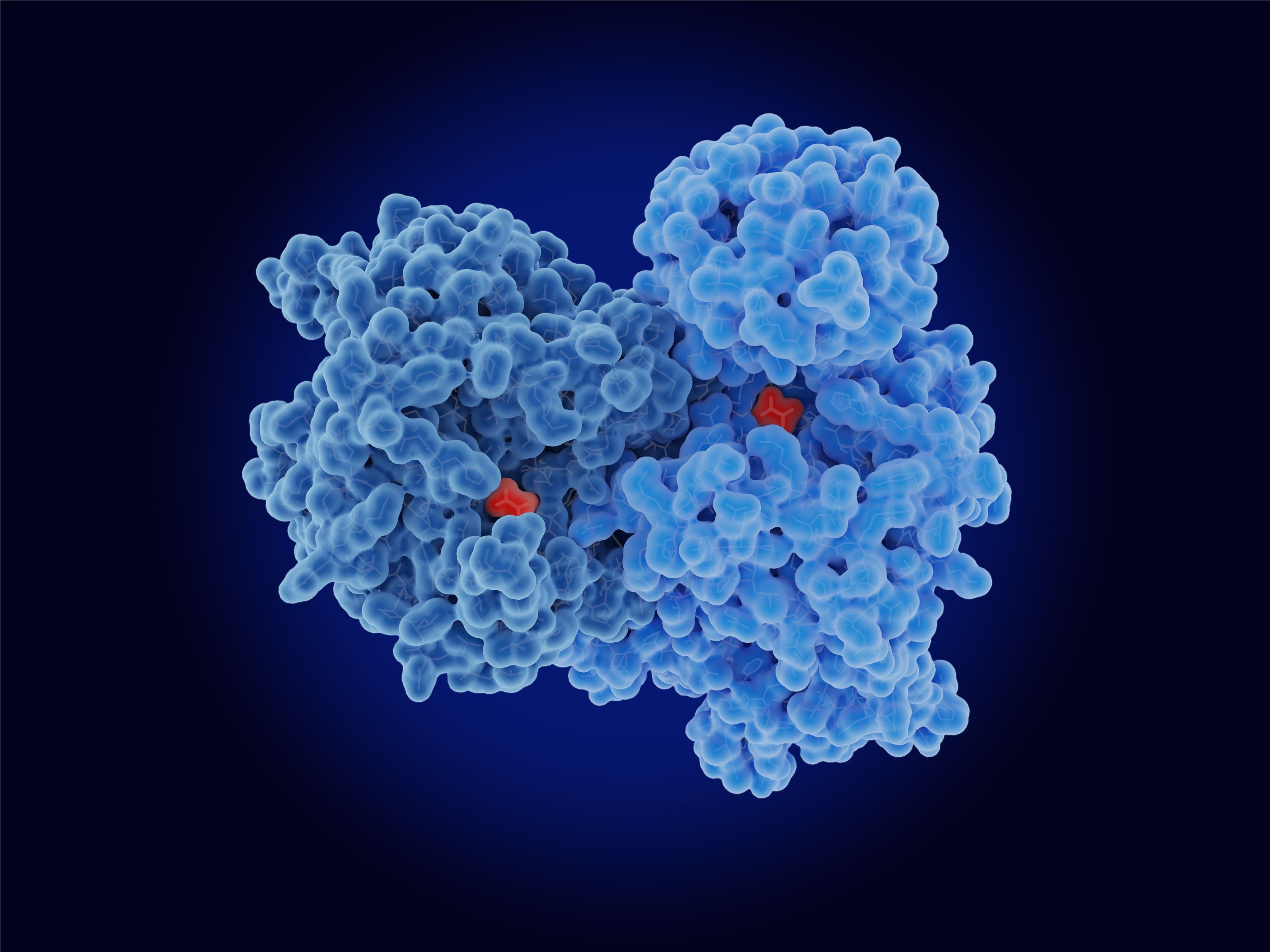
As the foundational step, we offer high-yield recombinant expression and purification of your custom protein carriers. Whether you require standard albumin or proprietary engineered polypeptides, we ensure high-purity, low-endotoxin raw materials for downstream formulation.
Versatile Expression Systems
Utilization of microbial (E. coli, Yeast) and mammalian (CHO, HEK293) platforms based on post-translational modification needs.
Stringent Purification
Advanced chromatography (affinity, ion exchange, SEC) yielding >95% protein purity.
Endotoxin Control
Strict endotoxin removal essential for safe in vitro and in vivo applications.
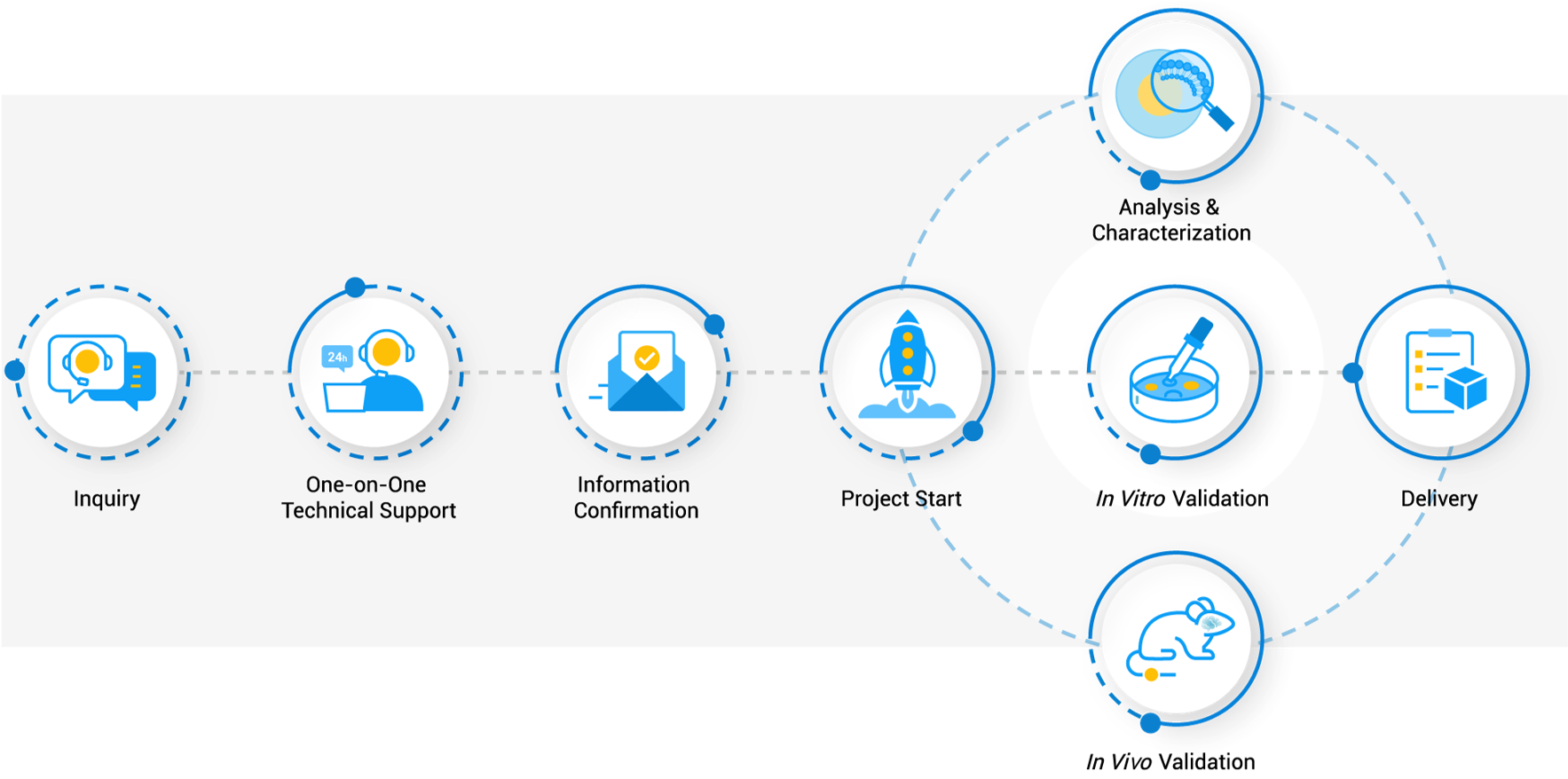
Workflow
Transformative Applications of Protein-Mediated Delivery Vehicles
Our customized protein-based delivery platforms are accelerating breakthroughs across diverse scientific disciplines, offering precision where traditional systemic administration fails.
- Oncology & Tumor Microenvironment Targeting: Exploit the Enhanced Permeability and Retention (EPR) effect and active tumor targeting to deliver high-potency chemotherapeutics or immunomodulators directly to the TME, drastically reducing off-target toxicity in preclinical models.
- Intracellular Gene Editing (CRISPR-Cas9): Safely co-deliver Cas9 ribonucleoproteins (RNPs) and guide RNA to specific cell populations, overcoming the size and charge limitations that typically hinder the cellular uptake of editing machinery.
- Neurological Research & BBB Penetration: Utilize receptor-targeting protein shuttles (such as those binding to the transferrin receptor) to facilitate the transport of biological therapeutics across the highly restrictive Blood-Brain Barrier in in vitro and in vivo models.
- Agricultural Biotechnology (Agri-Biotech): Deploy biodegradable protein nanocarriers to deliver species-specific bio-pesticides, RNAi molecules, or growth factors precisely into plant cells, minimizing environmental runoff and improving crop resilience.
Why Choose Creative Biolabs?
Creative Biolabs provides industry-leading expertise in Protein-Based Targeted Drug Delivery, offering customizable, highly precise, and biocompatible carrier systems designed to overcome your most complex biological barriers. Whether you are delivering small molecules to the tumor microenvironment or navigating nucleic acids into the cytosol, our tailored services ensure your payload reaches its target safely and effectively.
Unmatched Biocompatibility Focus
We prioritize native and engineered proteins that seamlessly integrate with biological systems, drastically reducing immunogenic responses in your research models.
High Encapsulation Efficiency
Our proprietary formulation buffers and self-assembly protocols consistently achieve >85% encapsulation efficiency, even for fragile nucleic acids.
Rapid Iterative Optimization
We employ a modular platform approach, allowing our team to rapidly test and tweak carrier variables to find the perfect formulation for your specific payload.
Data-Driven Transparency
You receive comprehensive, audit-ready analytical reports detailing particle size, polydispersity index (PDI), release kinetics, and in vitro targeting validation.
Related Services & Products
Related Services
Chemical Synthesis Services

Nucleic Acid Synthesis Services
FAQs
What is the typical encapsulation efficiency for siRNA in your protein carriers?
We routinely achieve >85% encapsulation efficiency for siRNA by fine-tuning the charge ratio and buffer conditions during the nanoparticle self-assembly phase.
How do you verify endosomal escape in vitro?
We utilize confocal microscopy with fluorescently labeled payloads and specific endosomal markers to visually track intracellular trafficking and quantify cytosolic release.
Can you target specific immune cell populations, like macrophages?
Yes, we can functionalize the protein surface with specific mannose derivatives or antibodies to actively target receptors highly expressed on macrophages and dendritic cells.
Do you require large amounts of my API for formulation testing?
No. Our miniaturized screening protocols allow us to optimize the encapsulation parameters using as little as 1-5 mg of your valuable therapeutic payload.
What is the shelf-life and stability of the formulated protein nanoparticles?
Lyophilized formulations typically remain stable for over 12 months at -20°C. We conduct dynamic light scattering (DLS) tests to ensure size stability post-reconstitution.
Our services are For Research Use Only. We do not provide services to individuals.
Online Inquiry