Protein & Peptide Encapsulation Service for Targeted Delivery
In the rapidly evolving landscape of biotherapeutics, the transition from potent lead to clinical success often hinges on one critical factor: effective delivery. At Creative Biolabs, we understand that proteins and peptides, while highly specific, face daunting physiological hurdles including enzymatic degradation and poor intracellular uptake. Our Protein & Peptide Targeted Delivery Service bridges this gap by integrating advanced nanocarriers with precision-engineered targeting ligands. By optimizing the therapeutic index of your biologics, we ensure that your innovative molecules achieve maximum impact at the site of action. Creative Biolabs brings over 20 years of specialized expertise in overcoming complex biological barriers to advance your drug delivery objectives.
Request a Free Scientific Consultation
Navigating the Complexities of Macromolecular Delivery
Physicochemical Properties & Delivery Challenges of Biologics
Proteins and peptides are premier therapeutic modalities due to their high affinity and low off-target toxicity. However, their complex structural requirements present several formidable challenges for systemic delivery:
The functionality of a protein is strictly dependent on its tertiary structure. During delivery, environmental stressors, such as shear force, temperature fluctuations, and pH shifts, can easily lead to denaturation or irreversible inactivation.
Ubiquitous proteases and peptidases in the gastrointestinal tract, serum, and interstitial tissues rapidly cleave naked macromolecules, resulting in extremely short biological half‑lives.
Large molecular weight, high hydrophilicity, and potential charge characteristics make it nearly impossible for proteins and peptides to passively penetrate the lipid bilayer of cell membranes.
Exogenous proteins can trigger unwanted immune responses, leading to the production of anti‑drug antibodies (ADA) that neutralize the therapeutic effect and accelerate clearance.
Strategic Matrix for Enhancing Biologics Performance
To overcome these inherent limitations, Creative Biolabs employs a multi-tiered strategic approach, categorizing delivery solutions into molecular, formulation, and physical-chemical interventions.
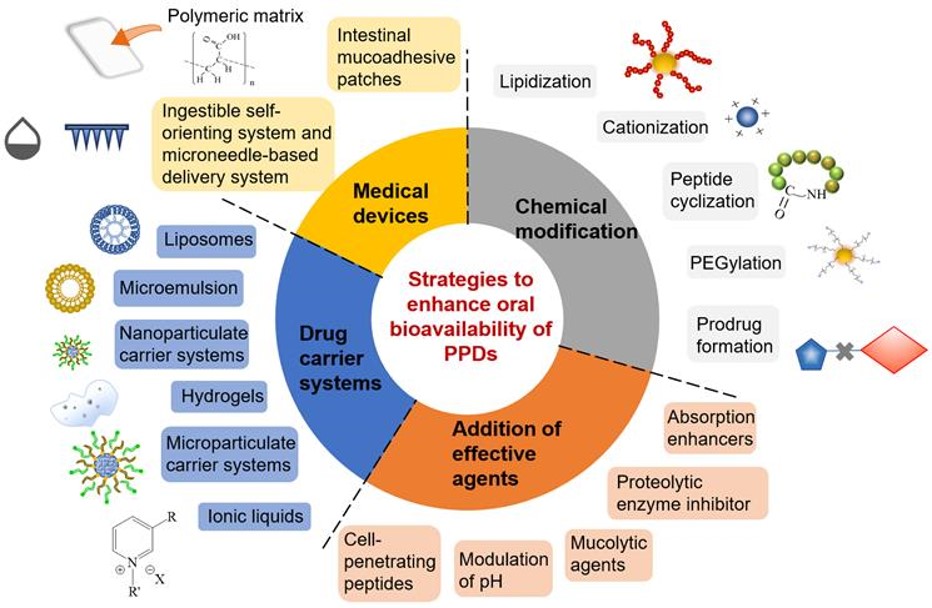 Fig. 1 The overview of main formulation strategies for oral delivery of protein and peptide drugs (PPDs).1
Molecular Engineering & Chemical Modification
We modify the primary structure of the payload to enhance its intrinsic stability and pharmacokinetics:
- Terminal Modifications: N- and C-terminal capping to prevent exopeptidase degradation.
- Peptide Cyclization: Enhancing conformational stability and protease resistance through head-to-tail or side-chain cyclization.
- Backbone & Side-chain Alterations: Methylation of amide nitrogen, chirality changes (D-amino acids), and side-chain modifications to bypass metabolic pathways.
- Lipidation & Cationization: Increasing lipophilicity via fatty acid conjugation or surface charge modulation to facilitate cell membrane interaction.
- PEGylation & Pro-drug Design: Site-specific PEG attachment to mask immunogenic epitopes and pro-drug strategies to ensure bioactivity is only triggered at the target site.
Advanced Formulation & Delivery Systems
We encapsulate therapeutics in sophisticated vehicles to shield them from the biological environment:
- Liposomes & Nanoemulsions: Utilizing lipid-based architectures to improve the solubility and systemic circulation of hydrophobic peptides.
- Nanogels: Cross-linked hydrophilic polymer networks that provide high loading capacity and stimuli-responsive release.
- Protein/Peptide Functionalization: Conjugating payloads with precision ligands (aptamers/ligands) for active targeting.
- Live-Cell Therapy Integration: Utilizing engineered cells as "living carriers" for sustained, site-specific protein expression and delivery.
Permeation Enhancement Strategies
Facilitating the transit of biologics across epithelial and endothelial barriers:
- Chemical Enhancers: Utilizing surfactants, bile salts, or fatty acids to transiently modulate tight junction permeability.
- Physical Enhancement: Integrating technologies like iontophoresis or sonophoresis to drive macromolecules across physical barriers via electrical or acoustic force.
Accelerating Your Protein & Peptide Development Pipeline
Our suite of services is built on a foundation of iterative optimization and cross-disciplinary expertise. We offer a seamless transition from molecular design to preclinical formulations, ensuring each project benefits from a holistic approach to drug delivery. By integrating discovery and development, we reduce timelines and maximize the probability of technical success.
Advanced Peptide & Protein Modification
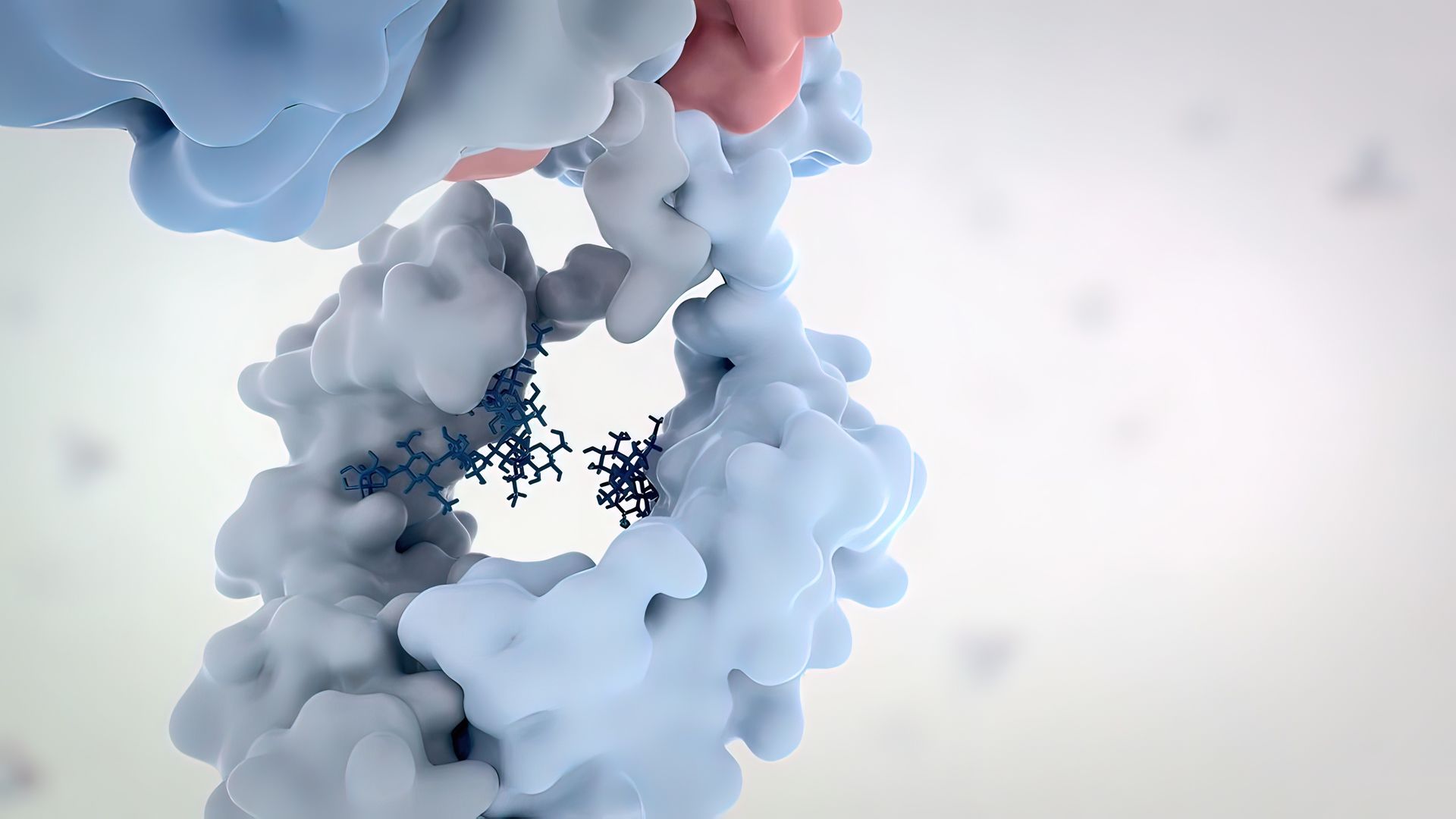
Before a molecule can be effectively delivered, it must be intrinsically "druggable." Our structural optimization services focus on reinforcing the molecular backbone to withstand the rigors of systemic circulation.
- Peptide Cyclization: Utilizing head-to-tail or side-chain cross-linking to reduce conformational entropy and enhance proteolytic stability.
- Isostere Replacement: Substituting labile peptide bonds with stable bioisosteres to bypass specific enzymatic cleavage sites.
- D-Amino Acid Incorporation: Strategically replacing L-residues with D-enantiomers to extend systemic circulation while maintaining binding affinity.
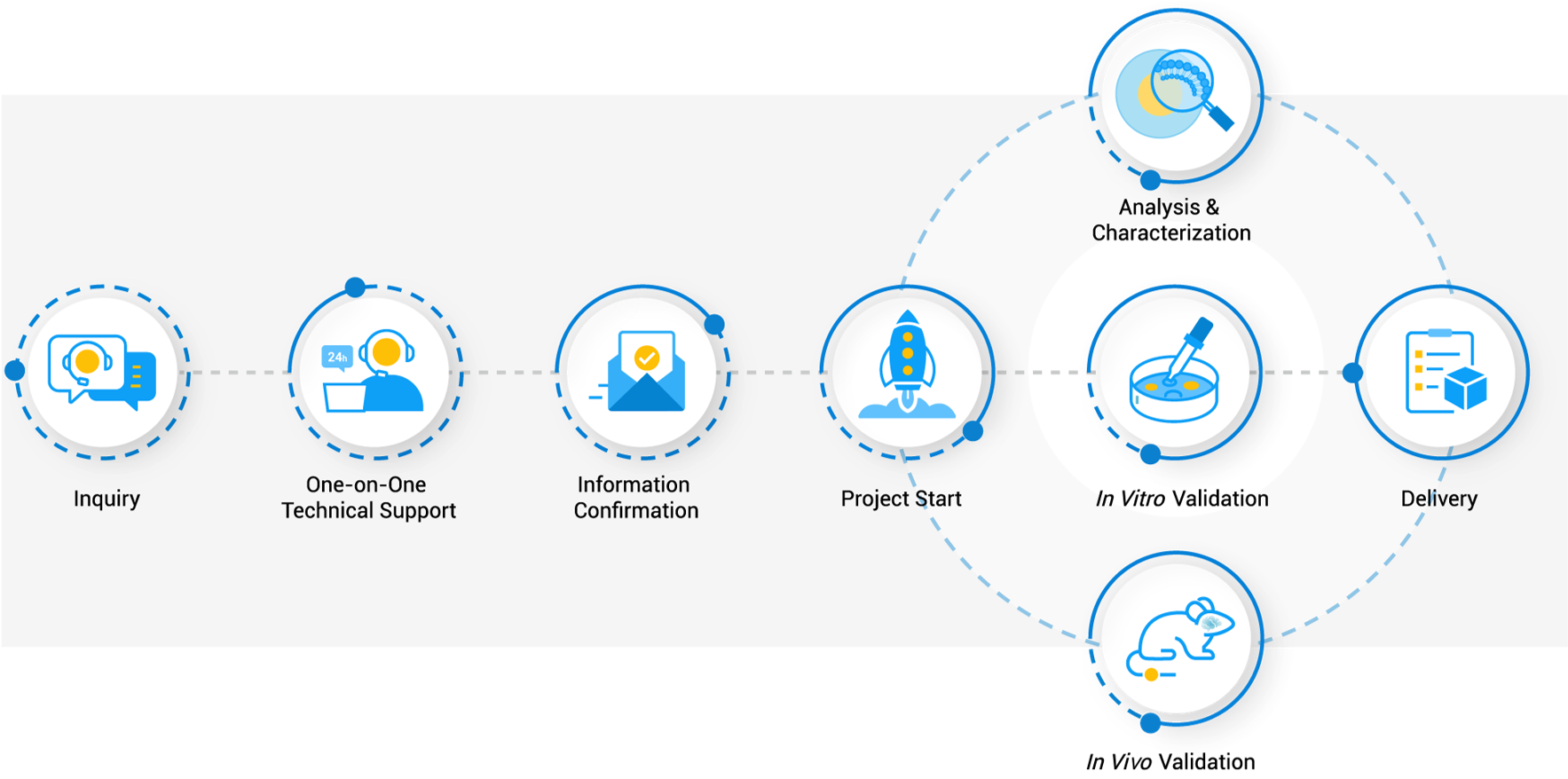
Workflow
Transforming Precision Delivery into Therapeutic Power
The versatility of our targeted delivery platform allows us to impact a wide array of therapeutic areas. By tailoring the carrier and targeting module, we enable researchers to solve specific delivery challenges across diverse medical and industrial fields.
- Precision Oncology: Directing cytotoxic peptides specifically to tumor-expressed receptors, sparing healthy tissues and mitigating systemic side effects.
- Neurotherapeutics Breakthroughs: Engineering carriers capable of navigating the Blood-Brain Barrier (BBB) for the treatment of CNS disorders.
- Agricultural Biotechnology: Developing peptide-based biopesticides encapsulated in responsive polymers for eco-friendly, slow-release crop protection.
- Advanced Cosmeceuticals: Enhancing the dermal penetration depth of anti-aging peptides for superior absorption and efficacy.
- Intracellular Genome Editing: Delivering CRISPR-Cas9 ribonucleoprotein (RNP) complexes directly to the nucleus for high-fidelity gene modification.
Why Choose Creative Biolabs?
At Creative Biolabs, we are dedicated to transforming the potential of protein and peptide therapeutics into clinical reality. Our Protein & Peptide Targeted Delivery Service provides the precision, stability, and technical expertise required to navigate the complexities of modern drug development. Whether you are in the early stages of discovery or scaling for preclinical evaluation, our team is ready to empower your research with world-class delivery solutions.
Two Decades of Mastery
Over 20 years of experience translating complex delivery challenges into successful preclinical outcomes.
Modular Versatility
Our "Plug-and-Play" targeting modules allow for rapid adaptation to diverse cell types and organs.
Proprietary Endosomal Escape Tech
High-efficiency cytosolic release ensures your protein performs its intended biological function.
Global Cold-Chain Expertise
Specialized lyophilization ensures your materials maintain full potency during international transit.
Related Services & Products
Related Services
Chemical Synthesis Services
Nucleic Acid Synthesis Services
Related Products
| Product Name | Description | Inquiry |
|---|---|---|
| Lipid-Protein Conjugation Kit (Universal) | A universal kit for rapid construction of targeted delivery prototypes via lipid-protein coupling. |
FAQs
Can your delivery systems handle large multi-domain proteins exceeding 100kDa?
Yes. We have successfully encapsulated proteins over 150 kDa using our specialized polymeric and liposomal scaffolds while fully preserving enzymatic activity.
How do you prevent protein denaturation during the encapsulation process?
We employ "mild" formulation techniques, such as microfluidic mixing, which utilize low-energy emulsification to protect fragile macromolecular structures.
What is the typical encapsulation efficiency (EE) for hydrophobic peptides?
Depending on the specific sequence, we typically achieve an EE between 75% and 95% through iterative formulation optimization.
Does Creative Biolabs offer custom targeting ligand discovery?
While we maintain an extensive library of modules, we also accept client-provided ligands and provide expert assessment for selecting the optimal targets for specific tissues.
Does lyophilization affect the bioactivity of the final product?
Our protocols utilize advanced cryoprotectants that ensure >98% bioactivity retention upon reconstitution, offering superior stability compared to liquid versions.
Reference
- Chen, Guanyu, et al. "Oral delivery of protein and peptide drugs: From non-specific formulation approaches to intestinal cell targeting strategies." Theranostics 12.3 (2022): 1419. https://www.thno.org/v12p1419.htm. Distributed under Open Access license CC BY 4.0, without modification.