Mineral & Ion Encapsulation Service for Targeted Delivery
In the rapidly evolving landscape of biopharmaceuticals, the ability to modulate cellular microenvironments through Precision Mineral and Ion Targeted Delivery Service represents a frontier of therapeutic innovation. At Creative Biolabs, we recognize that metal ions and minerals are not merely passive components but critical regulators of signaling pathways, enzymatic functions, and metabolic checkpoints. From managing copper-induced cell death (cuproptosis) to restoring calcium signaling in neurodegenerative models, the delivery of these elements requires extreme precision to avoid systemic toxicity. Creative Biolabs possesses deep-seated expertise in engineering specialized nanocarriers and ligands to master the complexities of bio-inorganic drug delivery.
Request a Free Scientific Consultation
The Science of Bio-Inorganic Precision: Navigating Ion Homeostasis
The Multifaceted Roles of Minerals & Ions in Modern Medicine
Minerals and metal ions are the fundamental cornerstones of nearly every physiological process and clinical diagnostic paradigm. Rather than acting as static structural elements, these bio-inorganic entities orchestrate a complex symphony of life, from the catalytic centers of enzymes to the electronic signals governing heartbeats. In the modern clinical landscape, their utility has expanded into a sophisticated framework encompassing four primary domains:
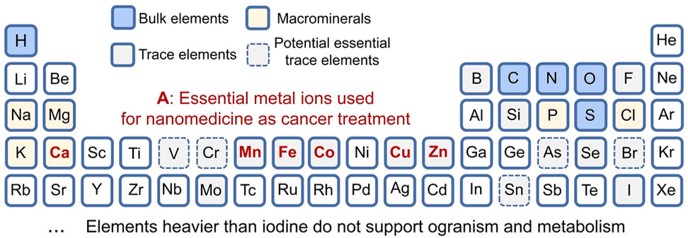 Fig. 1 Essential metal ions used for cancer treatment in the periodic table.1,4
Metal‑based drugs (metallodrugs), such as platinum‑complexes for chemotherapy or gold‑complexes for rheumatoid arthritis, leverage the unique redox properties and coordination chemistry of metals to inhibit disease progression at the molecular level.
Paramagnetic and radioactive ions (e.g., Gd3+, 64Cu, Fe3+) are indispensable for Magnetic Resonance Imaging (MRI), Positron Emission Tomography (PET), and Computed Tomography (CT), providing the high contrast sensitivity required for early‑stage disease detection and anatomical mapping.
Divalent cations like Ca2+ and Mg2+ function as ubiquitous secondary messengers. They translate extracellular stimuli into intracellular responses, controlling critical functions such as synaptic plasticity, muscle contraction, and regulated cell death.
Essential trace elements like Zn2+ and Se are integrated into the structural and functional domains of thousands of human proteins. These metalloproteins are responsible for diverse tasks ranging from DNA repair and gene expression to advanced antioxidant defense mechanisms.
The Toxicity Paradox & the Necessity of Targeted Delivery
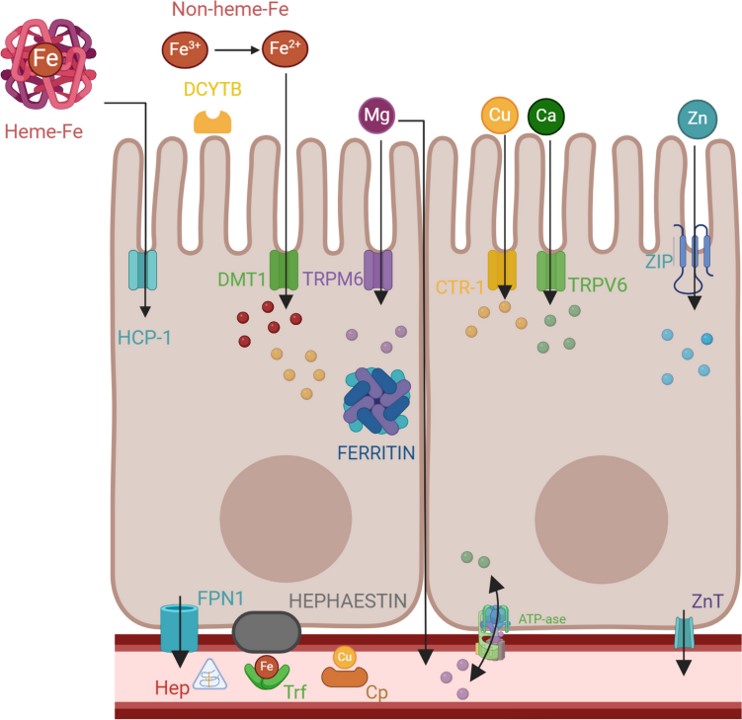 Fig. 2 The absorption process of iron (Fe) at the enterocyte level.2,5
Despite their utility, "free" ions in systemic circulation pose significant risks. Many therapeutic minerals exhibit a Narrow Therapeutic Window, where the effective dose is dangerously close to the toxic dose. Problems include:
- Systemic Toxicity: Unbound metals can catalyze the production of Reactive Oxygen Species (ROS), leading to nephrotoxicity, neurotoxicity, and hepatotoxicity.
- Rapid Clearance: Small ions are quickly filtered by the kidneys, reducing their "dwell time" at the target site.
- In vivo Sequestration: Ions often bind non-specifically to serum proteins like albumin, rendering them inactive or causing unpredictable distribution.
Targeted delivery is therefore mandatory to shield these reactive species, extend their half-life, and ensure they are released only within the desired biological compartment.
Strategic Delivery Paradigms & Technology Platforms
Creative Biolabs employs a diverse array of industry-leading strategies to achieve precise, controlled ion release, overcoming the chemical barriers inherent in bio-inorganic delivery:
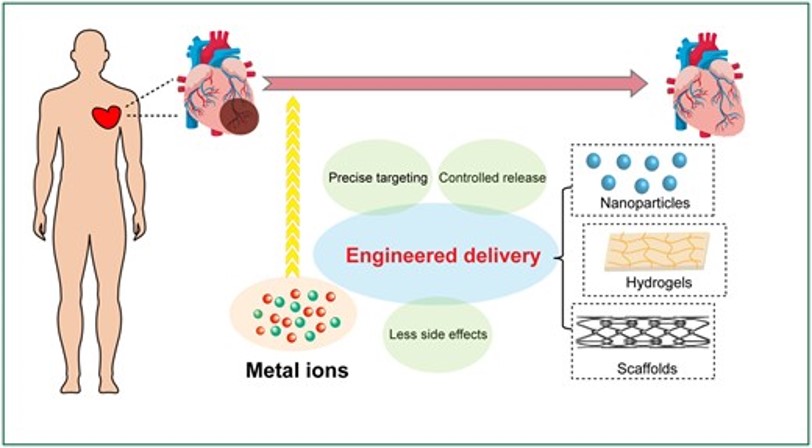 Fig. 3 Engineering strategies for metal ion delivery.3,5
- Liposomal & Micellar Encapsulation: Utilizing bilayer phospholipid structures to provide superior biocompatibility and "stealth" properties, effectively shielding ions from serum proteins.
- Metal-Organic Frameworks (MOFs): Leveraging ultra-high porosity and tunable chemical structures to achieve exceptional mineral loading capacity, ideal for high-dose therapeutic or imaging requirements.
- Stimuli-Responsive Nanoparticles: Engineering carriers that respond to endogenous triggers (pH, redox potential, enzymes) or exogenous triggers (light, ultrasound) for site-specific cargo release.
- Inorganic-Organic Hybrids: Combining carbon nanotubes or gold nanoparticles with polymer coatings to create multifunctional theranostic platforms.
Professional Ion & Mineral Delivery Services
Our suite of services is built on a foundation of iterative optimization and cross-disciplinary expertise. We offer a seamless transition from molecular design to preclinical formulations, ensuring each project benefits from a holistic approach to drug delivery. By integrating discovery and development, we reduce timelines and maximize the probability of technical success.
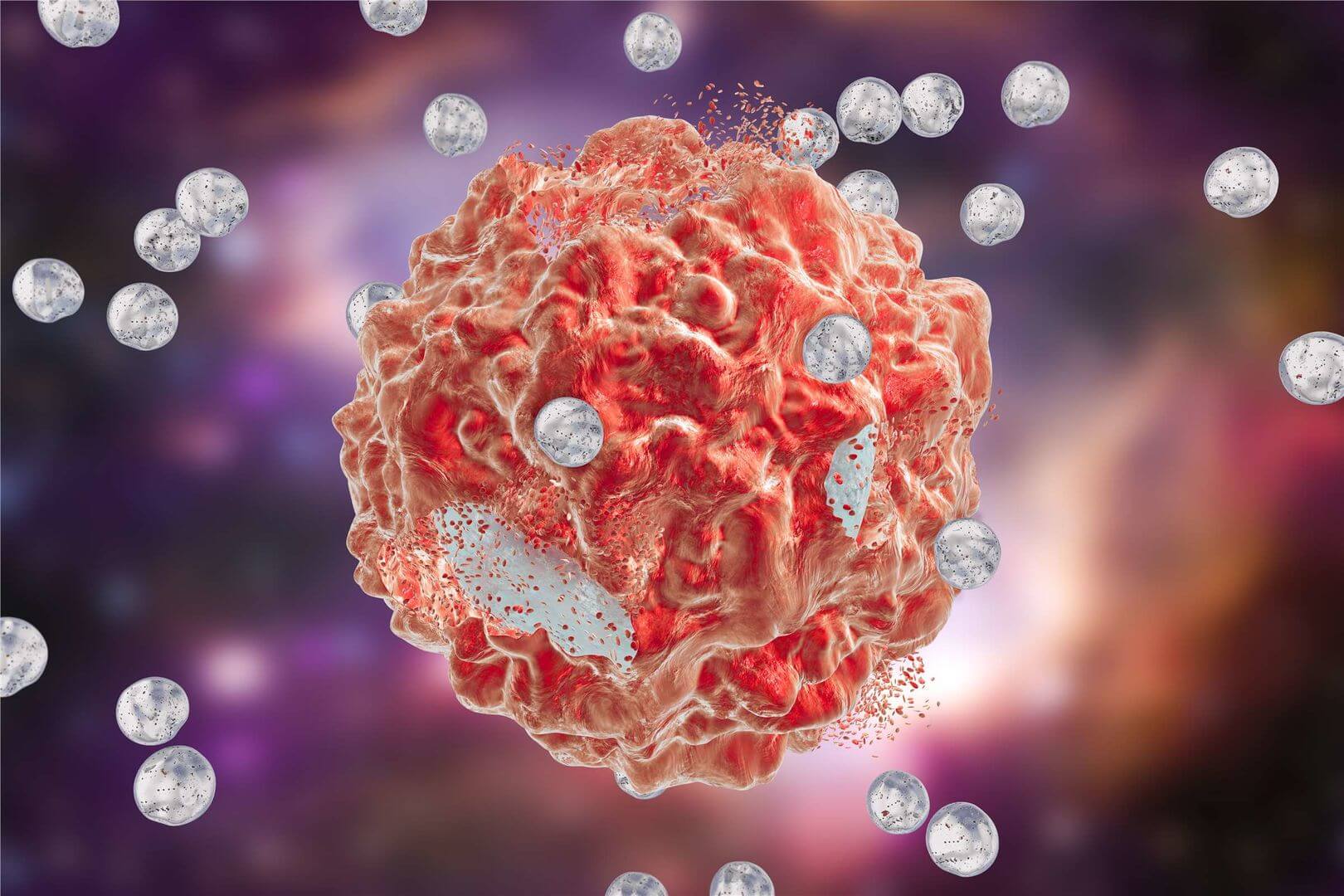
We design and synthesize high-affinity targeting ligands specifically for mineral-binding receptors to ensure tissue-specific accumulation and optimized cellular uptake.
- Specialized Ligand Libraries: Inclusion of saccharide, peptide, and small-molecule ligands for receptor-specific binding.
- In Silico Affinity Modeling: Computer-aided docking to predict and enhance ligand-carrier binding strength.
- Custom Conjugation Chemistry: Expert attachment of targeting moieties to diverse nanocarriers (Lipids, MOFs, Polymers).
Workflow

Redefining Therapeutic Boundaries: Advanced Applications
Our Precision Mineral and Ion Targeted Delivery Service is a versatile tool applicable across diverse scientific and industrial sectors:
- Oncology & Advanced Therapeutics: Exploiting "mineral addiction" in tumor cells to induce selective cell death via targeted delivery of copper or iron complexes, particularly in drug-resistant cancers.
- Neurobiology & CNS Research: Developing Blood-Brain Barrier (BBB) crossing carriers to deliver zinc or calcium modulators for neuroprotection and restoration of signaling.
- Agricultural Biotechnology: Engineering targeted micronutrient delivery systems for crops to increase yield and stress resistance without environmental runoff.
- Environmental Remediation & Biosensing: Creating ion-responsive "smart" materials for detecting heavy metals and achieving in-situ chelation.
Why Choose Creative Biolabs?
Creative Biolabs is dedicated to advancing the field of nanomedicine through our Precision Mineral and Ion Targeted Delivery Services. By combining deep scientific insight with cutting-edge engineering, we help you overcome the most significant obstacles in mineral-based drug development, ensuring your therapies are safe, potent, and precise.
Proprietary Ligand Library
Access to a unique library of ligands optimized for high-affinity receptor binding across multiple cell types.
Exceptional Endosomal Escape Efficiency
Our carriers are engineered to bypass degradative pathways, ensuring cargo reaches the cytosol intact.
Comprehensive Analytical Suite
Utilizing ICP-MS, DLS, and Cryo-EM to provide rigorous verification of every formulation.
Collaborative Partnership Model
We work as an extension of your R&D team, providing transparent data and iterative optimization.
Related Services & Products
Related Services
Chemical Synthesis Services
Nucleic Acid Synthesis Services
Related Products
| Product Name | Description | Inquiry |
|---|---|---|
| Liposomal Calcium | High bioavailability liposomal calcium for bone metabolism and signaling research. | |
| Liposomal Magnesium | Optimized magnesium delivery system for enhanced intracellular uptake efficiency. | |
| Liposomal Zinc | Targeted zinc carriers designed for immunomodulation and enzymatic studies. | |
| Liposomal EDTA | Encapsulated chelator for studying intracellular metal clearance and detoxification. |
FAQs
How do you ensure the stability of reactive minerals during delivery?
We use specialized chelating agents and protective shells to sequester ions, preventing interaction with blood components until a target-specific trigger (e.g., pH change) is encountered.
Can you target specific organelles such as the mitochondria?
Yes. We can modify delivery vehicles with mitochondria-targeting sequences (e.g., TPP) to achieve sub-cellular precision.
What is the typical encapsulation efficiency for metallodrugs?
Depending on the molecule, we typically achieve encapsulation efficiencies between 75% and 95% using our proprietary optimization protocols.
How much sample material is required for a pilot project?
Typically, we require 10–50mg of your therapeutic payload to begin feasibility testing, though this varies by mineral type.
References
- Weng, Lin, and Xin Chen. "A Brief Review on Manipulation of Essential Metal Ions as Nanomedicine for Cancer Therapy." Advanced NanoBiomed Research 4.2 (2024): 2300069. https://doi.org/10.1002/anbr.202300069.
- Rolić, Tara, et al. "Iron metabolism, calcium, magnesium and trace elements: a review." Biological trace element research 203.4 (2025): 2216-2225. https://doi.org/10.1007/s12011-024-04289-z.
- Hong, Xiaoqian, et al. "Exogeneous metal ions as therapeutic agents in cardiovascular disease and their delivery strategies." Regenerative biomaterials 11 (2024): rbad103. https://doi.org/10.1093/rb/rbad103.
- Distributed under Open Access license CC BY, without modification.
- Distributed under Open Access license CC BY 4.0, without modification.