PLGA Development Service for Targeted Drug Delivery
The efficacy of next-generation therapeutics is often severely limited by rapid in vivo degradation, poor solubility, and severe off-target toxicities. At Creative Biolabs, we engineer advanced Poly(lactic-co-glycolic acid) (PLGA) nanoparticles designed to shield delicate payloads, navigate complex biological barriers, and deliver your compound precisely where it is needed. From bench-scale formulation to optimized preclinical scale-up, our industry-leading PLGA Nanoparticle Development Service provides the specialized expertise required to accelerate your most challenging targeted drug delivery programs.
Understanding PLGA Delivery Systems
From Monomers to Matrix: The Structural Blueprint and Biocompatibility
Poly(lactic-co-glycolic acid) (PLGA) is synthesized via the ring-opening co-polymerization of two core monomers: lactic acid and glycolic acid. As one of the few polymeric materials dually approved for human parenteral administration, its defining advantage is impeccable biocompatibility. In vivo, the ester linkages of the PLGA backbone undergo natural bulk hydrolysis, breaking down into its original lactic and glycolic acid monomers. These endogenous metabolites effortlessly enter the Krebs cycle and are safely eliminated as carbon dioxide and water, ensuring no long-term toxic accumulation—a critical foundation for any advanced Drug Delivery System (DDS).
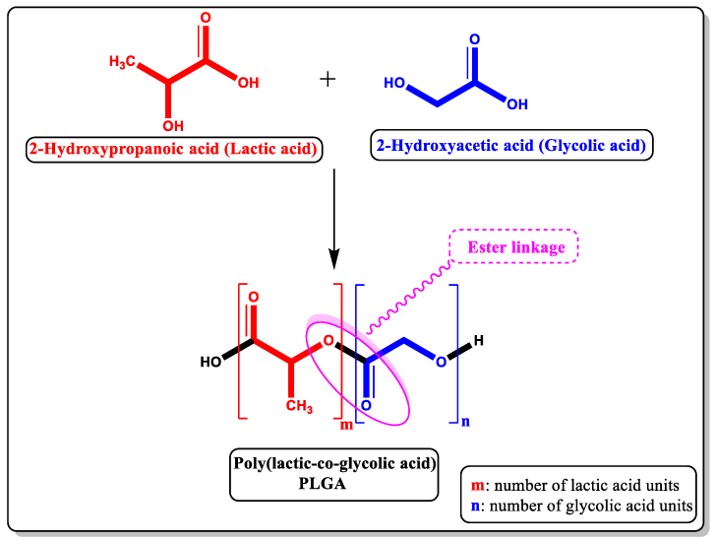 Fig. 1 Schematic representation of chemical structure for PLGA and its monomers.1,3
Degradation & Sustained Release Mechanisms
What makes PLGA an ideal delivery vehicle is its highly tunable biphasic release mechanism, governed simultaneously by drug diffusion and polymer matrix erosion. Once administered, water penetrates the nanoparticle matrix, initiating hydrolysis. By precisely engineering the polymer's architecture, we can overcome the notorious "burst release" phenomenon common in conventional formulations. Instead, PLGA ensures a steady, sustained release profile—spanning from days to several months—maintaining the payload within its optimal therapeutic window and drastically reducing systemic side effects.
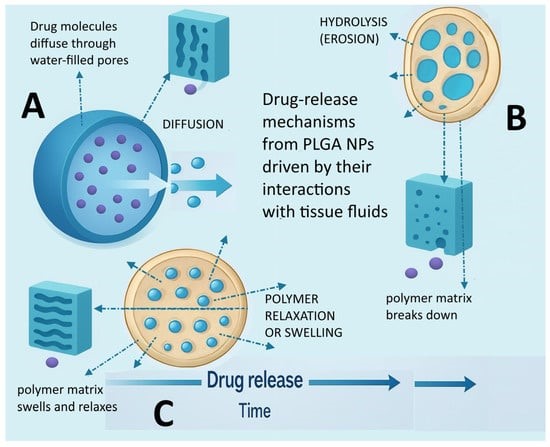 Fig. 2 Illustration of the mechanisms governing drug release from PLGA nanoparticles driven by their interactions with tissue fluids.2,3
The Core of Customization: Critical Factors Influencing PLGA Efficacy
The true power of PLGA lies in its modularity. We meticulously tune several critical physicochemical parameters to match the specific pharmacokinetic requirements of your Active Pharmaceutical Ingredient (API):
Lactide:Glycolide (L:G) Ratio
Lactic acid is more hydrophobic than glycolic acid. Higher lactic content increases overall hydrophobicity and extends the degradation timeline.
Molecular Weight (MW)
Higher molecular weights correspond to longer polymer chains, requiring more time for complete hydrolysis and payload release.
Particle Size
Crucial for determining cellular uptake efficiency, biodistribution, and the ability to cross physiological barriers (e.g., the Blood-Brain Barrier).
Surface Charge (Zeta Potential)
Governs colloidal stability and dictates the electrostatic interactions with cell membranes.
Polymer End-Capping
Uncapped (acid-terminated) PLGA degrades rapidly; capped (ester-terminated) PLGA resists hydration for extended delivery.
Crystallinity
Amorphous PLGA allows for rapid hydration and diffusion, while semi-crystalline matrices provide rigid scaffolds for long-term depots.
Microenvironmental pH
PLGA hydrolysis accelerates in acidic environments (e.g., tumors, endosomes), a property we leverage for targeted, stimuli-responsive release.
Payload Properties
The API's specific hydrophilicity, size, and charge dictate the optimal encapsulation technique (e.g., nanoprecipitation vs. double emulsion).
| Lactic:Glycolic Ratio | Crystallinity | Hydrophilicity | Typical Degradation Time | Ideal Payload Application |
|---|---|---|---|---|
| 50:50 | Amorphous | Highest | 1 to 2 Months | Highly water-soluble drugs; rapid release profiles. |
| 65:35 | Amorphous | Moderate | 3 to 4 Months | Peptides and proteins requiring medium-term sustained release. |
| 75:25 | Amorphous | Low | 4 to 5 Months | Hydrophobic small molecules; extended systemic circulation. |
| 85:15 | Semi-crystalline | Lowest | 5 to 6+ Months | Long-term implantable depots; sustained agricultural release. |
Breaking Biological Barriers: Multi-Dimensional Targeting Strategies
To achieve genuine precision medicine, we upgrade PLGA from a passive carrier to an intelligent, active targeting nanomedicine through strategic modifications:
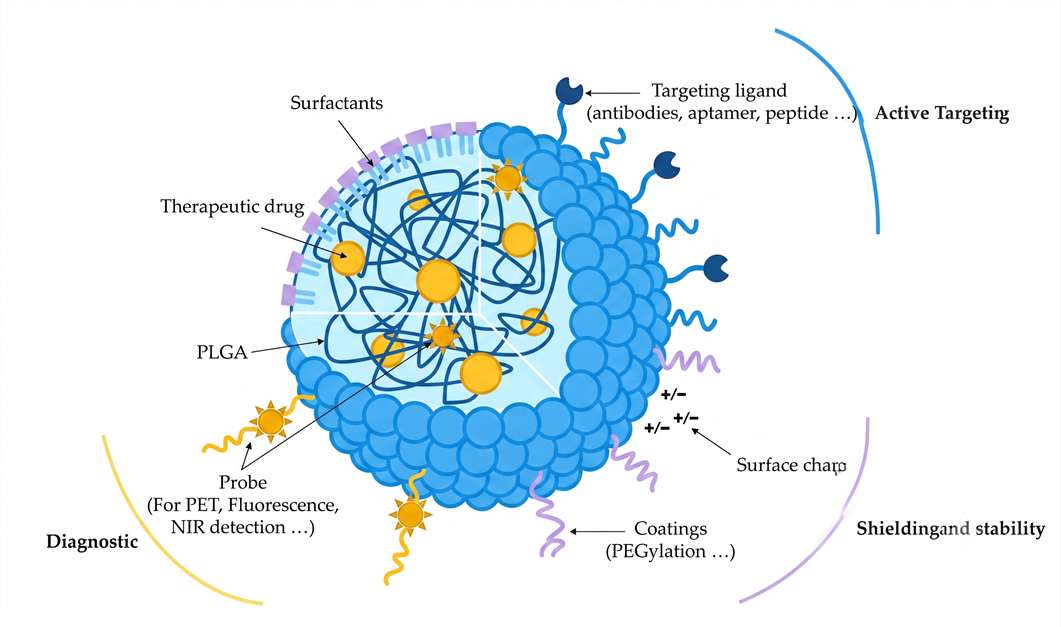
- Passive Targeting & "Stealth" Engineering: By functionalizing the surface with PEG (PEGylation), we create a hydrophilic shield that evades immune clearance by the Mononuclear Phagocyte System (MPS). This extended circulation time naturally exploits the Enhanced Permeability and Retention (EPR) effect in tumor microenvironment.
- Active Ligand Targeting: We conjugate specific ligands (such as monoclonal antibodies, aptamers, or peptides) to the PLGA surface. These act as homing beacons, binding to overexpressed receptors on target cells to trigger rapid receptor-mediated endocytosis.
- Stimuli-Responsive Delivery: We engineer smart PLGA architectures designed to remain stable in circulation but rapidly disassemble in response to specific localized triggers, such as the acidic pH of a tumor interstitium or localized enzymatic activity.
Our Tailored PLGA Formulation Services
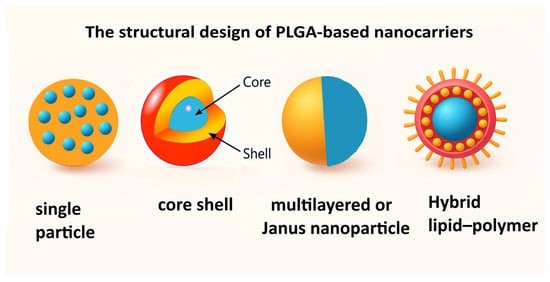 Fig. 4 The structural design of PLGA-based nanocarriers.2,3
Our Tailored PLGA Formulation Services
Custom PLGA Nanoparticle Formulation
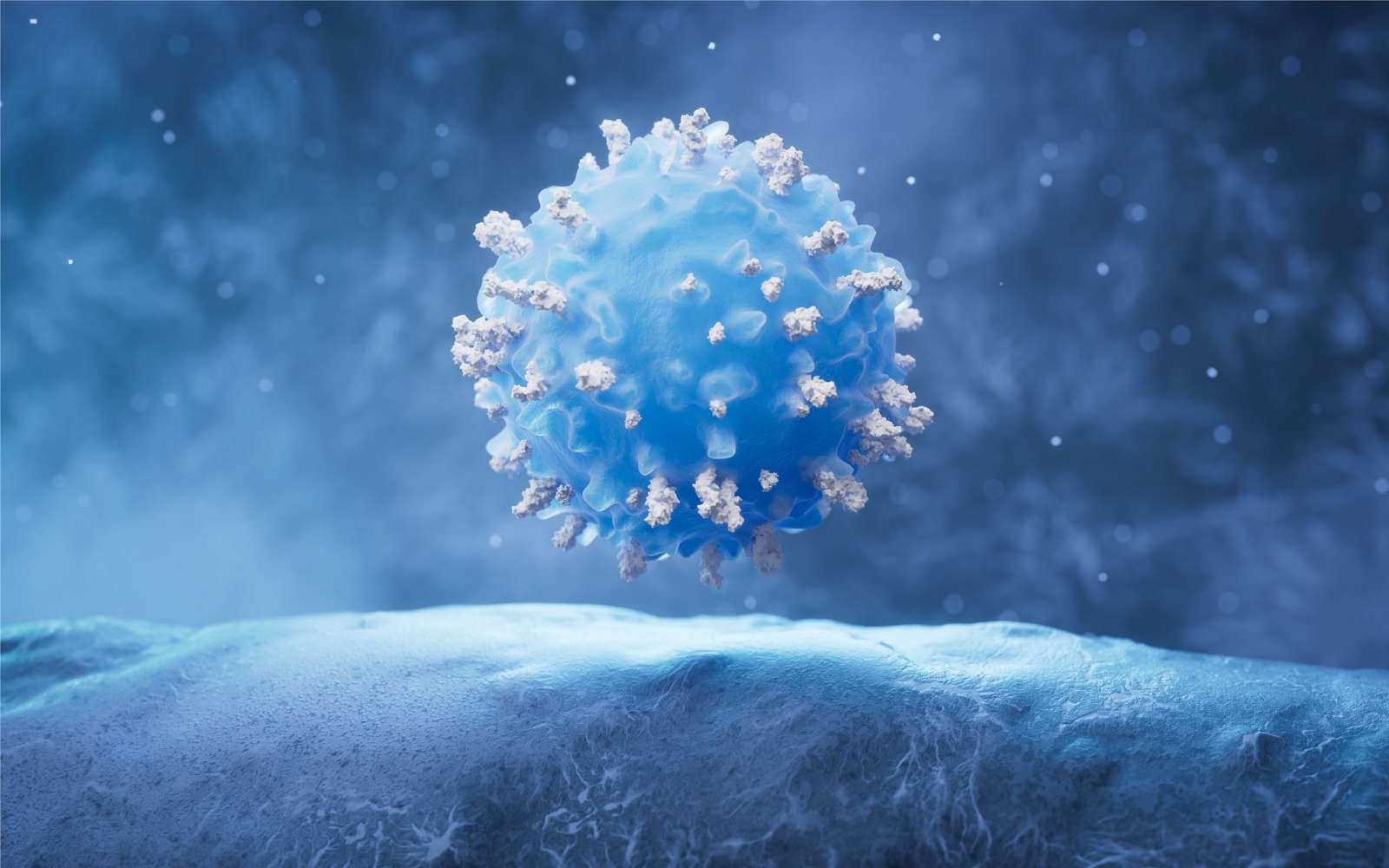
At Creative Biolabs, we do not believe in one-size-fits-all solutions. We design the nanoparticle architecture from the ground up to match the unique physicochemical properties of your therapeutic. Using state-of-the-art microfluidics and optimized emulsion techniques (e.g., w/o/w double emulsion, nanoprecipitation), we engineer highly uniform, monodisperse PLGA particles.
Precise control over particle size (typically 50nm – 500nm depending on application).
Custom selection of polymer molecular weight and L:G ratios for exact release kinetics.
Rigorous minimization of initial "burst release" to ensure steady, prolonged delivery.
Optimization of the zeta potential to enhance cellular uptake and colloidal stability.
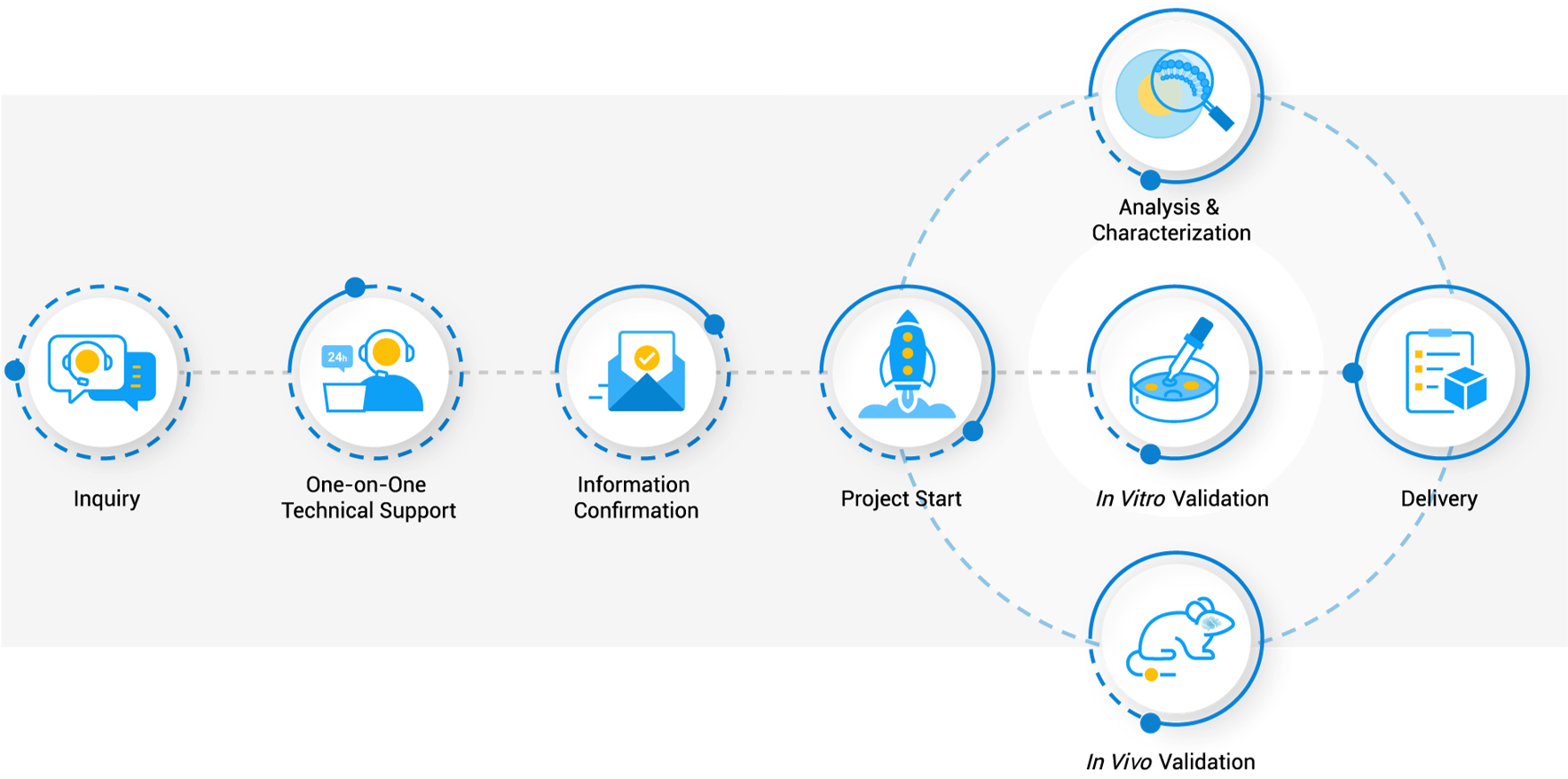
Workflow
Applications of PLGA Delivery Systems
While deeply rooted in advanced pharmacotherapy, the exceptional tunability and safety profile of PLGA makes it a disruptive technology across multiple scientific and industrial domains.
- Precision Oncology & Nanomedicine: Delivering highly toxic chemotherapeutics or immunomodulators directly to the tumor microenvironment, minimizing systemic side effects and overcoming multi-drug resistance.
- Gene Editing & Advanced Therapeutics: Safely transporting fragile mRNA vaccines and CRISPR-Cas9 ribonucleoproteins to target organs (e.g., liver, lungs) without premature enzymatic degradation.
- Neurodegenerative Disease Therapy: Engineering ultra-small, specialized PLGA nanoparticles designed to temporarily traverse the Blood-Brain Barrier (BBB) to deliver therapeutics for Alzheimer's or Parkinson's diseases.
- Advanced Agricultural Biotechnology: Developing sustained-release nano-agrochemicals (pesticides, fertilizers, and plant growth regulators) that reduce environmental runoff and require fewer application cycles.
- Cosmeceuticals & Derm-Delivery: Encapsulating unstable active ingredients (like Retinol or Vitamin C) for deep dermal penetration and prolonged, irritation-free release profiles in high-end skincare formulations.
- Veterinary Pharmaceuticals: Creating long-acting injectable depot formulations for livestock and companion animals, drastically reducing the frequency of required dosing.
Why Choose Creative Biolabs?
Creative Biolabs is committed to pushing the boundaries of what is possible in targeted drug delivery and advanced materials science. Whether you are aiming to cross the blood-brain barrier, silence a mutant gene, or formulate a next-generation agricultural product, our custom PLGA Nanoparticle Development Services provide the specialized tools, rigorous data, and dedicated partnership you need to succeed.
Unmatched Encapsulation Expertise
We routinely achieve >85% encapsulation efficiency, even for notoriously difficult, highly hydrophilic biomacromolecules.
Scalable, Reproducible Processes
We utilize advanced microfluidic technologies that ensure seamless transition from small-scale discovery batches to larger preclinical volumes without losing batch-to-batch consistency.
Deep Analytical Capabilities
We don't just build particles; we prove they work. Our comprehensive in-house analytical suite guarantees you receive robust PK/PD predictive data alongside your product.
Rapid Iteration & Communication
We operate as an extension of your R&D team, providing bi-weekly updates and rapid formulation tweaks based on real-time analytical feedback.
Related Services & Products
Related Services
Chemical Synthesis Services

Nucleic Acid Synthesis Services
FAQs
What is the typical size range of the PLGA nanoparticles you formulate?
Through highly controlled microfluidic mixing and sonication, we can precisely tune particle diameters anywhere from 50 nm up to 1000 nm (1 μm), with exceptionally low polydispersity indices (PDI < 0.2).
Can you encapsulate highly water-soluble payloads?
Yes. While PLGA is naturally suited for hydrophobic drugs, we utilize optimized double emulsion (water-in-oil-in-water) techniques and custom polymer blending to achieve high encapsulation efficiencies for highly hydrophilic payloads, including peptides and nucleic acids.
How do you prevent the "burst release" phenomenon often seen with PLGA?
Initial burst release is a common challenge. We mitigate this by optimizing the polymer molecular weight, increasing the density of the polymer matrix, refining our washing/purification protocols, and occasionally integrating capping agents to ensure a stable, sustained release profile.
Can you scale up the formulation for in vivo animal studies?
Absolutely. Our workflow is designed with scalability in mind. Once the initial formulation protocol is locked in during Phase 1 & 2, our continuous-flow synthesis platforms allow us to generate the larger volumes required for comprehensive in vivo efficacy and tox studies.
How are the PLGA nanoparticles shipped and stored?
To ensure long-term stability and prevent premature polymer hydrolysis or payload degradation, final products are typically lyophilized (freeze-dried) with a cryoprotectant and shipped cold. They can be easily reconstituted in biological buffers prior to use.
References
- Alsaab, Hashem O., et al. "PLGA-based nanomedicine: history of advancement and development in clinical applications of multiple diseases." Pharmaceutics 14.12 (2022): 2728. https://doi.org/10.3390/pharmaceutics14122728
- Stevanović, Magdalena M., et al. "PLGA-Based Co-Delivery Nanoformulations: Overview, Strategies, and Recent Advances." Pharmaceutics 17.12 (2025): 1613. https://doi.org/10.3390/pharmaceutics17121613
- Distributed under Open Access license CC BY 4.0, without modification.