Imaging & Diagnostic Agent Encapsulation Service for Targeted Delivery
In the frontier of precision medicine, the diagnostic utility of molecular probes is fundamentally governed by their spatial accuracy and biological localization. Conventional diagnostic agents often suffer from rapid systemic clearance and high background interference, which obscure critical pathological data and limit early detection capabilities. Creative Biolabs addresses these systemic limitations through our world-class imaging and diagnostic agent targeted delivery service. By harmonizing advanced materials science with site-specific bioconjugation, we ensure your diagnostic payloads achieve unprecedented accumulation at the target site. Creative Biolabs leverages over 20 years of expertise to engineer sophisticated delivery systems that redefine the thresholds of diagnostic sensitivity and clinical clarity.
Request a Free Scientific Consultation
The Evolution of Targeted Diagnostics
Synergy Between Imaging & Diagnostic Agents and Targeted Delivery
The efficacy of an imaging agent is not merely a product of its physicochemical properties, such as fluorescence quantum yield or longitudinal relaxivity, but its ability to concentrate within the target tissue. Targeted delivery serves as a "precision navigation system," utilizing specialized nanocarriers to encapsulate or conjugate imaging payloads. This synergy bypasses systemic circulation hurdles, significantly amplifying signal intensity at the lesion site while minimizing non-specific deposition in off-target organs like the liver and spleen.
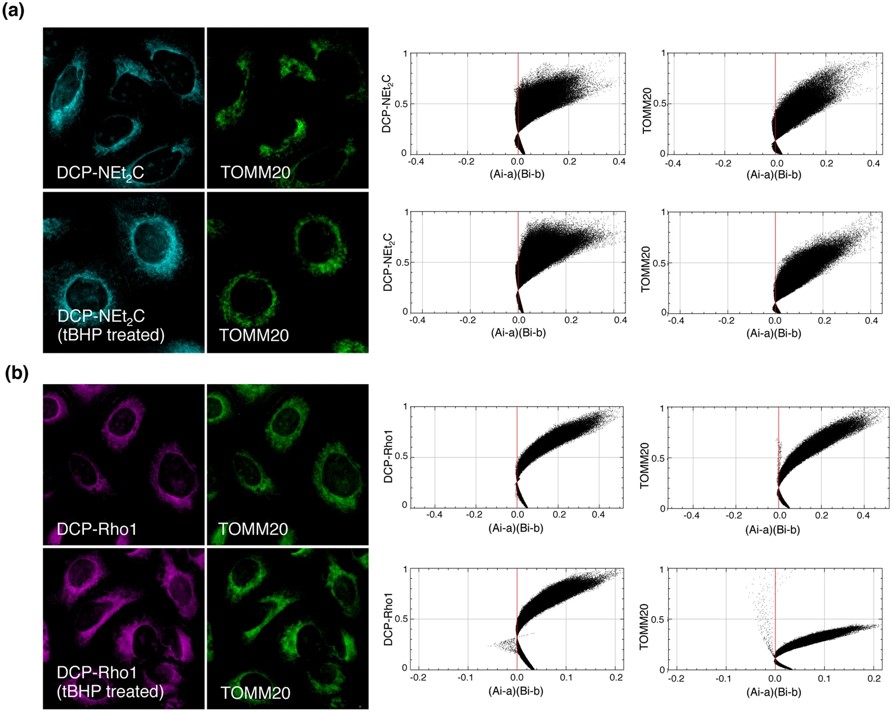 Fig. 1 Mitochondria-targeted Probes for Imaging Protein Sulfenylation.1,3
Focus on T1/T2 contrast enhancement and functional metabolic mapping.
High-sensitivity quantification of tracer kinetics and receptor density.
Real-time, high-resolution intraoperative guidance and deep-tissue fluorescence.
High-resolution anatomical mapping and functional oxygenation sensing.
Synergistic signaling in a single vehicle for integrated anatomical and functional data.
Core Modalities of Targeted Imaging & Diagnostic Agents
Creative Biolabs offers a sophisticated portfolio of specialized diagnostic modalities, meticulously engineered to address distinct technological verticals and optimize the precision of molecular imaging across diverse research frameworks.
Fluorescent and bioluminescent sensors designed for high-resolution cellular and intraoperative imaging.
Paramagnetic, superparamagnetic, or microbubble-based agents optimized for MRI, CT, and Ultrasound.
High-specificity PET and SPECT tracers for quantitative metabolic and receptor mapping.
Integrated platforms combining precision diagnosis with localized therapeutic action (e.g., photo-thermal or radio-therapy).
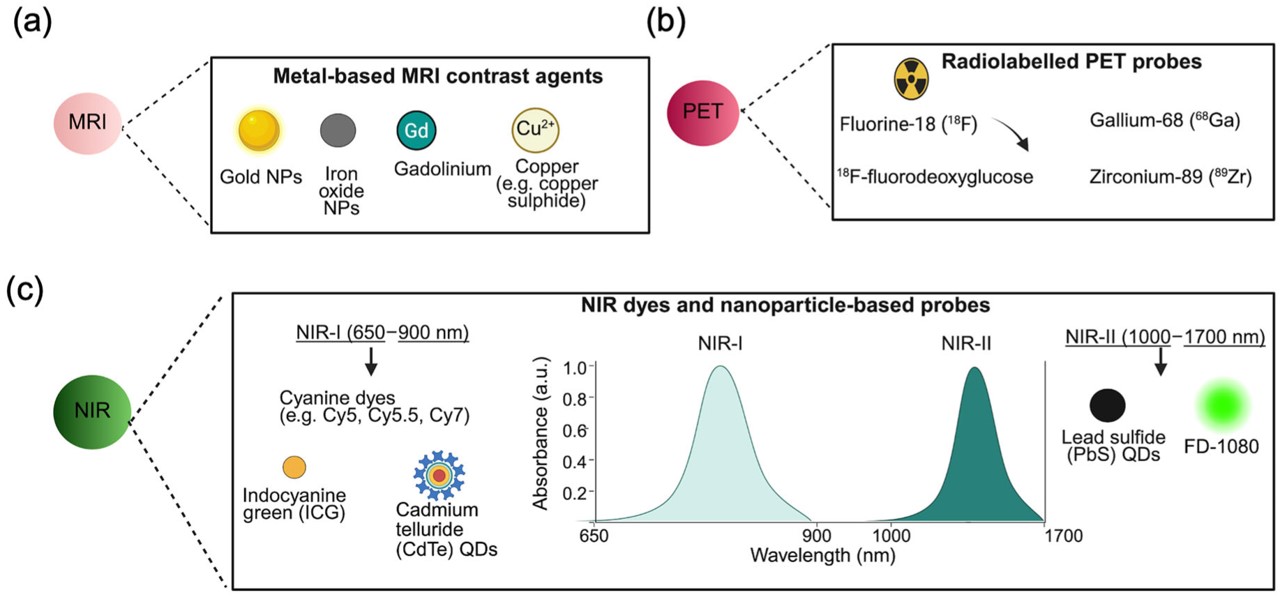 Fig. 2 Representative imaging probes.2,3
The following table summarizes successful peptide-based probes currently utilized in human studies or late-stage clinical trials:
| Target Receptor | Peptide Probe | Clinical Indication | Regulatory Status |
|---|---|---|---|
| SSTr (Somatostatin) | 111DTPA-Octreotide | Neuroendocrine Tumors (NETs) | FDA Approved |
| SSTr (Somatostatin) | 68DOTA-TATE / TOC | GEP-NETs | FDA Approved |
| Integrin (αvβ3) | 18F-Galacto-RGD | Head & Neck / Glioblastoma | Clinical Phase II |
| Integrin (αvβ3) | 18F-FPPRGD2 | Angiogenesis Imaging | eIND / Phase I |
| GRPr (Gastrin-Releasing) | 99mTc-RP-527 | Metastatic Breast Cancer | Clinical Study |
| GLP-1r (Glucagon-like) | 111In-Exendin-4 | Insulinoma Localization | Clinical Phase II |
| NTr (Neurotensin) | 99mTc-NT-XI | Pancreatic Adenocarcinoma | Clinical Study |
Diversified Targeting Strategies & Technologies
The successful localization of a diagnostic agent requires a sophisticated interplay between the targeting moiety and the physiological environment. Creative Biolabs offers a diverse portfolio of strategies that range from traditional ligand-receptor interactions to "smart" responsive systems that activate only upon specific biological cues.
Core & Emerging Targeting Methodologies:
Leveraging a diverse library of high-affinity moieties—including monoclonal antibodies, scFv fragments, synthetic peptides, aptamers, and small molecules—to achieve precise receptor recognition and rapid tissue localization.
Leveraging liposomes, polymeric micelles, and inorganic nanoparticles (Gold/SPIO) to protect diagnostic payloads and enable multi-functional surface engineering.
A high-efficiency, in vivo strategy where a "tagged" precursor and a "probe" react specifically at the target site, minimizing off-target interference.
Engineering "smart" agents that undergo site-specific signal transformation or "turn-on" in response to distinct endogenous triggers (e.g., enzymatic proteolysis, acidic/redox flux) or exogenous physical stimuli (e.g., light-mediated uncaging).
Representative examples of validated targeting systems across various disease models:
| Biological Target | Targeting Moiety | Payload/Modality | Therapeutic Payload | Model / Disease |
|---|---|---|---|---|
| Integrin αvβ6 | RGD-Based Sequence | SPIO (MRI) | Doxorubicin | H2009 (Lung Carcinoma) |
| Folate Receptor | Folic Acid (FA) | NIR Dye / SPIO | Paclitaxel | A549 (Lung) / H9c2 |
| Transferrin (CD71) | Transferrin | 64Cu (PET/CT) | siRNA | Neuro2A (Neuroblastoma) |
| SIGNR1 Receptor | Dextran | SPIO | TPC | RAW 264.7 (Macrophage) |
| uMUC-1 | EPPT Peptide | Cy5.5 / SPIO (NIRF/MRI) | Dox / siRNA | BT-20 (Breast Adenocarcinoma) |
| MMP-2 | Chlorotoxin (CTX) | SPIO (MRI) | siRNA / DNA | C6 (Glioma) |
| Integrin αvβ3 | Peptidomimetic | Paramagnetic Gd | Fumagillin | Atherosclerosis Models |
Molecular Probe Engineering & Diagnostic Delivery Services
Optical Imaging Probe Customization
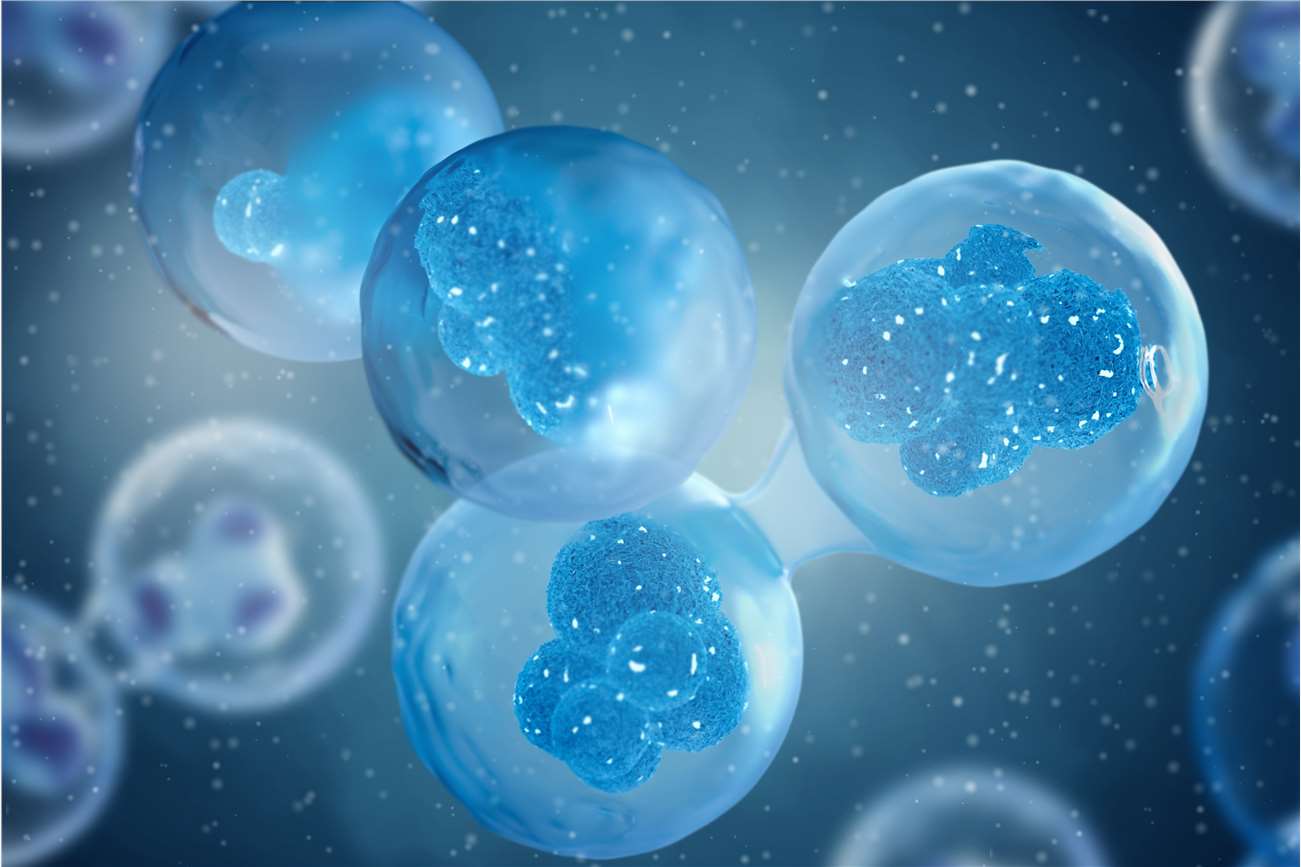
We provide advanced conjugation solutions for near-infrared fluorophores, enabling high-resolution real-time visualization of biological processes with minimal tissue interference and optimized photon efficiency for deep-tissue penetration.
- NIR-I/II Optimization: Precision mapping of fluorescence emission for maximum tissue transparency.
- Smart Turn-on Sensors: Enzymatic or pH-responsive activation for zero-background imaging signals.
- Quantum Dot Engineering: Size-tunable optical properties for multiplexed cellular tracking.
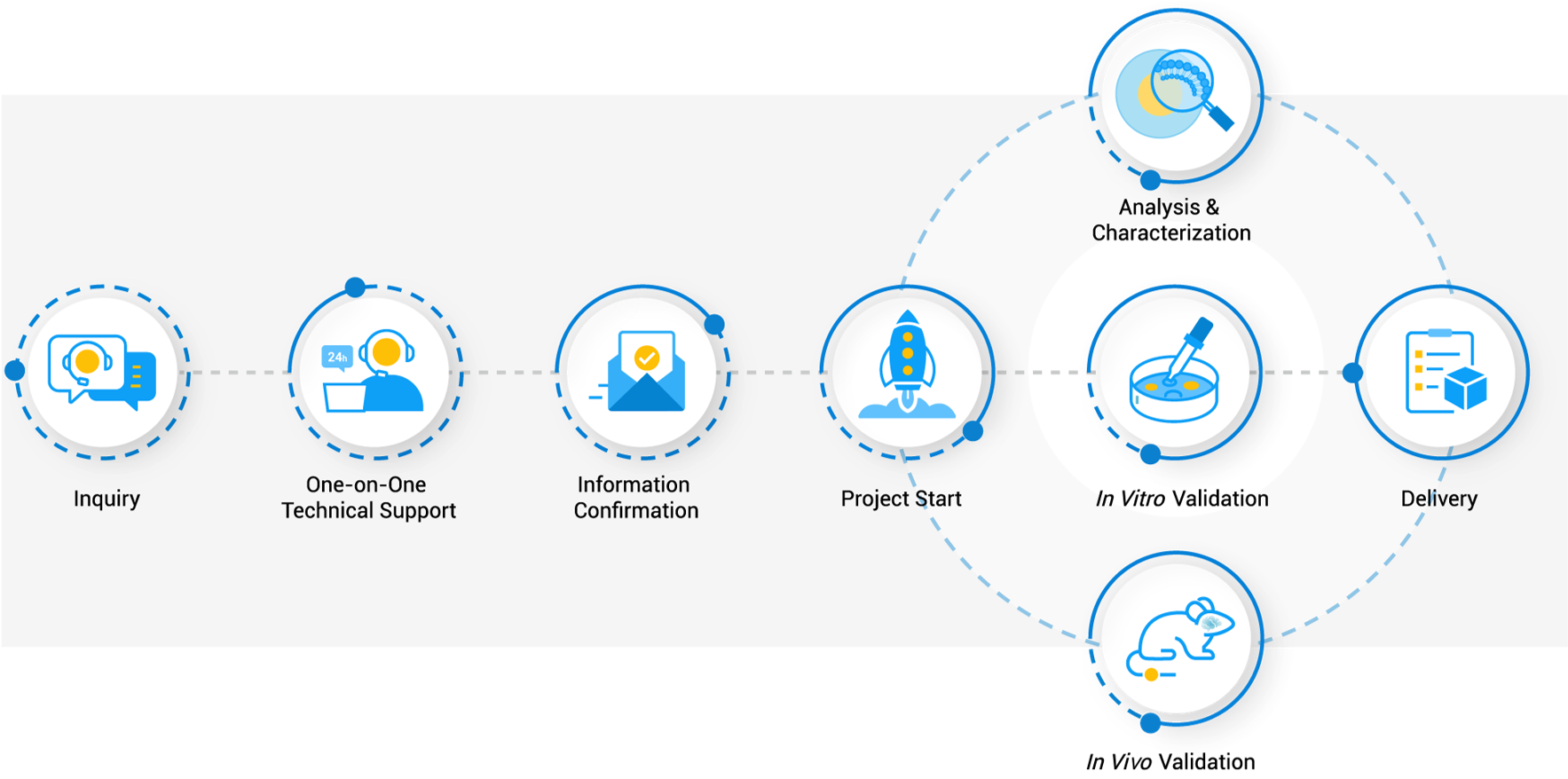
Workflow
Clinical & Translational Applications of Targeted Diagnostics
The integration of targeting technologies into imaging protocols empowers researchers to explore complex disease mechanisms with unprecedented resolution and biological relevance.
- Oncology & Precision Surgery: Real-time visualization of tumor margins and occult micro-metastases, enabling radical resection with minimal damage to adjacent healthy tissue.
- Neurology & BBB Crossing: Facilitating the delivery of molecular probes across the blood-brain barrier to map amyloid plaques and neuro-inflammation in Alzheimer's models.
- Cardiovascular & Plaque Monitoring: Targeted imaging of vascular inflammation and unstable plaques to predict and prevent myocardial infarction or ischemic stroke.
- Immunology & Cell Tracking: Monitoring the migration and engraftment of CAR-T cells or stem cells in vivo to assess therapeutic persistence and efficacy.
- Metabolic Disease Diagnosis: Visualizing functional beta-cell mass or localized metabolic dysfunction in diabetic and insulinoma research frameworks.
Why Choose Creative Biolabs?
Creative Biolabs remains at the cutting edge of diagnostic innovation, offering an exhaustive imaging and diagnostic agent targeted delivery service that transforms the way researchers visualize disease. From engineering complex stimuli-responsive probes to navigating the blood-brain barrier, our solutions are defined by scientific precision and clinical relevance.
Advanced Modular Platforms
Our "plug-and-play" technology allows for rapid interchange of ligands and payloads.
Deep Technical Expertise
Our team consists of 100+ Ph.D. scientists specializing in bioconjugate chemistry and molecular imaging.
Rigorous Quality Control Framework
Every conjugate undergoes stringent multi-parameter characterization to ensure batch-to-batch reproducibility.
Multimodal Integration Capability
Expertise in combining disparate imaging modalities into a single, cohesive delivery system.
Related Services & Products
Related Services

Chemical Synthesis Services
Nucleic Acid Synthesis Services
FAQs
How do you prevent the premature release of diagnostic isotopes or dyes?
We utilize ultra-stable covalent linkages and high-affinity macrocyclic chelators, followed by rigorous incubation in biological serum to validate zero-leakage profiles.
Can you deliver diagnostic agents to specific intracellular organelles like mitochondria?
Yes. By incorporating organelle-homing sequences (e.g., TPP for mitochondria), we achieve targeted localization at the subcellular level for metabolic studies.
What are the typical purity requirements for your radiopharmaceutical tracers?
All tracers undergo semi-preparative HPLC purification, ensuring a radiochemical purity of >98% as confirmed by analytical radio-HPLC and TLC analysis.
Do you offer scale-up services for pre-clinical imaging studies?
Absolutely. Our facility is equipped for scalable synthesis, ranging from milligram pilot batches to multi-gram quantities required for longitudinal animal cohorts.
How do you handle ligands that exhibit high non-specific binding?
We employ advanced PEGylation and surface masking techniques to create a "stealth" layer, effectively reducing protein corona formation and off-target sequestration.
Is it possible to target necrotic or hypoxic regions within a tumor?
We utilize pH-sensitive and oxygen-responsive ligands specifically designed to accumulate in the acidic and hypoxic environments characteristic of advanced solid tumors.
References
- Holmila, Reetta J., et al. "Mitochondria-targeted probes for imaging protein sulfenylation." Scientific Reports 8.1 (2018): 6635. http://creativecommons.org/licenses/by/4.0/.
- Colpan, Reyhan Dilsu, et al. "Protein Nanocarriers: Targeted Theranostics for Cancer Treatment and Imaging." Cancers 18.5 (2026): 832. https://doi.org/10.3390/cancers18050832.
- Distributed under Open Access license CC BY 4.0, without modification.