Collagen Development Service for Targeted Drug Delivery
The modern landscape of biotherapeutics demands unparalleled precision. Whether delivering delicate nucleic acids or highly hydrophobic small molecules, overcoming biological barriers without systemic toxicity remains a paramount challenge. A collagen development service for targeted drug delivery offers a transformative solution, utilizing the body's native extracellular matrix proteins to engineer biocompatible, highly specific delivery vehicles. Creative Biolabs possesses deep-rooted expertise in synthesizing, modifying, and functionalizing these advanced biopolymers, empowering researchers to achieve exceptional payload stability, precise tissue homing, and optimized therapeutic indices.
The Science of Biomimetic Delivery: Collagen as an Advanced Drug Carrier
The development of synthetic nanoparticles often encounters clinical roadblocks due to systemic toxicity, rapid immune recognition, or poor stability of sensitive payloads. Endogenous lipoproteins present a distinct advantage. Because they are naturally recognized by the body as lipid transport mechanisms, they serve as highly efficient, biocompatible vehicles for both research and targeted therapeutics.
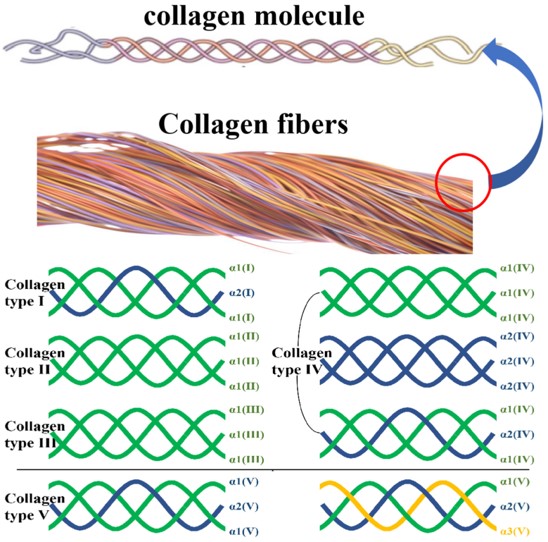 Fig. 1 Collagen structure.1
Collagen offers distinct advantages over synthetic polymers for precision drug delivery, functioning as a highly tunable, biomimetic platform:
- Endogenous Biocompatibility: Recognized as a native material by the human body, collagen minimizes foreign-body immune cascades and significantly reduces reticuloendothelial system (RES) clearance, prolonging circulation.
- Inherent Cellular Uptake: Naturally occurring receptor-binding sites (such as integrin-binding domains) facilitate seamless interaction and entry into target cells.
- Highly Tunable Active Targeting: The collagen backbone is rich in functional groups (amines, carboxyls, and hydroxyls). This allows for highly efficient bioconjugation of specific targeting ligands (antibodies, aptamers, or homing peptides), ensuring payloads are driven directly to diseased cells while sparing healthy tissue.
Explore Our Collagen Delivery Systems
Because of its versatile physicochemical properties, collagen can be processed into various structural forms to suit different administration routes and targeting strategies.

Collagen Nanogels
Nano-sized hydrogel networks offering high payload capacity and stimulus-responsive (pH/temperature) release profiles for precision targeting.

Collagen Films
Thin, flexible 2D matrices engineered for topical applications, ocular delivery, and acting as bioactive wound dressings with controlled API release.

Collagen Emulsions
Advanced liquid multiphase systems incorporating collagen peptides. Specifically optimized for enhancing mucosal adhesion and transdermal penetration.

Collagen Liposomes
Hybrid vesicular systems combining lipid bilayers with collagen matrices to protect sensitive APIs from harsh enzymatic degradation.

Collagen Nanofibers
Highly porous, electrospun macroscopic structures mimicking natural ECM. Promotes targeted cellular infiltration and strong antibacterial activity.
Collagen Scaffolds
3D macroscopic biomimetic sponges and matrices engineered for localized growth factor release and advanced tissue engineering.
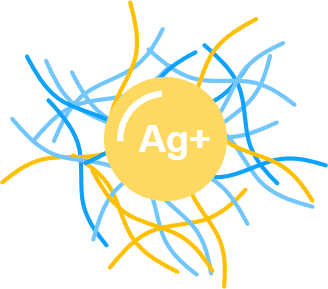
Collagen Metal Nanoparticles
Hybrid nanocomposites combining collagen with metallic nanoparticles (e.g., Ag, ZnO) to generate powerful antibacterial activity and accelerated tissue regeneration. Ideal for advanced wound care and theranostic applications.
Efficacy & Performance of Collagen-Based Formulations
Collagen carriers are routinely engineered with various active materials to achieve remarkable biological outcomes and overcome delivery barriers. Below is a representative summary of the documented performance and therapeutic efficacy of distinct collagen formulations:
| Formulation Category | Material Composition | Carrier Form | Demonstrated Results & Advantages |
|---|---|---|---|
| Collagen-Based Polymer NPs | Collagen type I, PVA, curcumin | Composite film | Significant antibacterial activity; Good biocompatibility; Improves wound healing in excisional skin. |
| Collagen type I nanomaterials | Nanoparticles gel | Increases cell proliferation; Accelerates the wound-healing process. | |
| Collagen type I, macrophage membrane | Nanosuspension | Inhibits growth of gram-positive bacteria; Promotes wound healing in infected skin. | |
| Collagen-Based Emulsion NPs | Collagen type I peptide | Nanoemulsion | Increases collagen deposition; Promotes diabetic wound healing. |
| Collagen-Based Liposomes NPs | Collagen type I, gelatin alginate, dexamethasone | Hydrogel film | Inhibits growth of gram-negative bacteria; Low cytotoxic properties; Promotes corneal wound healing. |
| Ag NPs, collagen type I | Hydrogel | Promotes antibacterial activity; Good biocompatibility; Accelerates excisional wound healing. | |
| Collagen-Based Metal NPs | ZnO NPs, collagen type I | Nanocomposite | Generates significant antibacterial activity. |
| Doxycycline, collagen type I | Nanofibers | Low cytotoxicity; Increases collagen deposition; Promotes wound healing. | |
| Collagen Nanofibers | Polycaprolactone, collagen type I | Nanofibers | Promotes antibacterial activity; Demonstrates good biocompatibility. |
Our Comprehensive Services: From Collagen to Targeted Systems
At Creative Biolabs, our expertise spans the entire biopolymer development pipeline. We do not just formulate delivery vehicles; our deep expertise in materials science means we engineer the underlying collagen matrix itself to perfectly match your project's unique requirements.
Custom Collagen Extraction & Purification
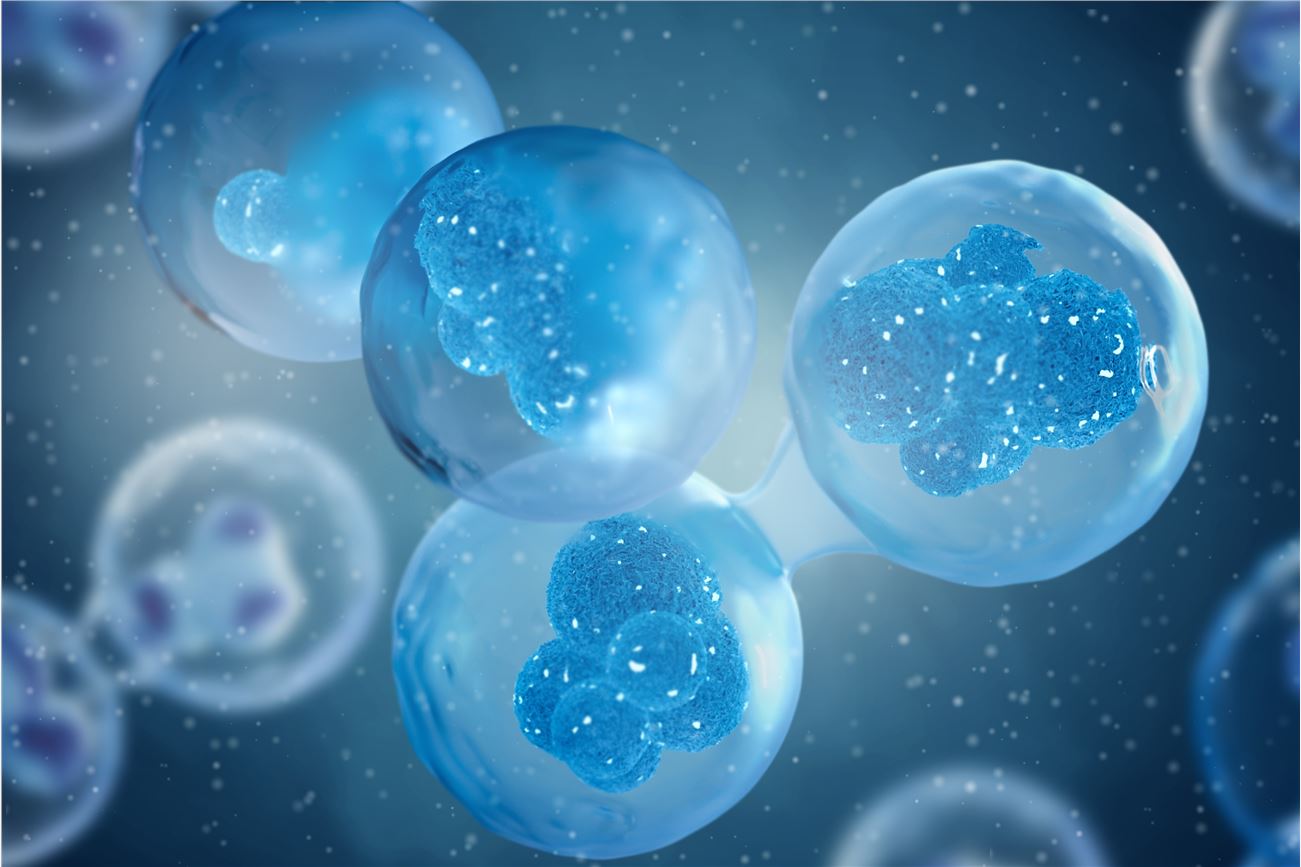
At Creative Biolabs, we provide specialized extraction and purification services to deliver high-quality, ultra-pure collagen tailored to your specific formulation requirements. We ensure that the native structural integrity of the biopolymer is rigorously preserved for optimal downstream applications.
Isolation of specific collagen types (e.g., Type I, II, III, IV) from marine, bovine, or advanced recombinant sources.
Rigorous endotoxin removal protocols to meet stringent pre-clinical and clinical-grade specifications.
Preservation of the native triple-helix conformation to guarantee maximal biocompatibility and low immunogenicity.
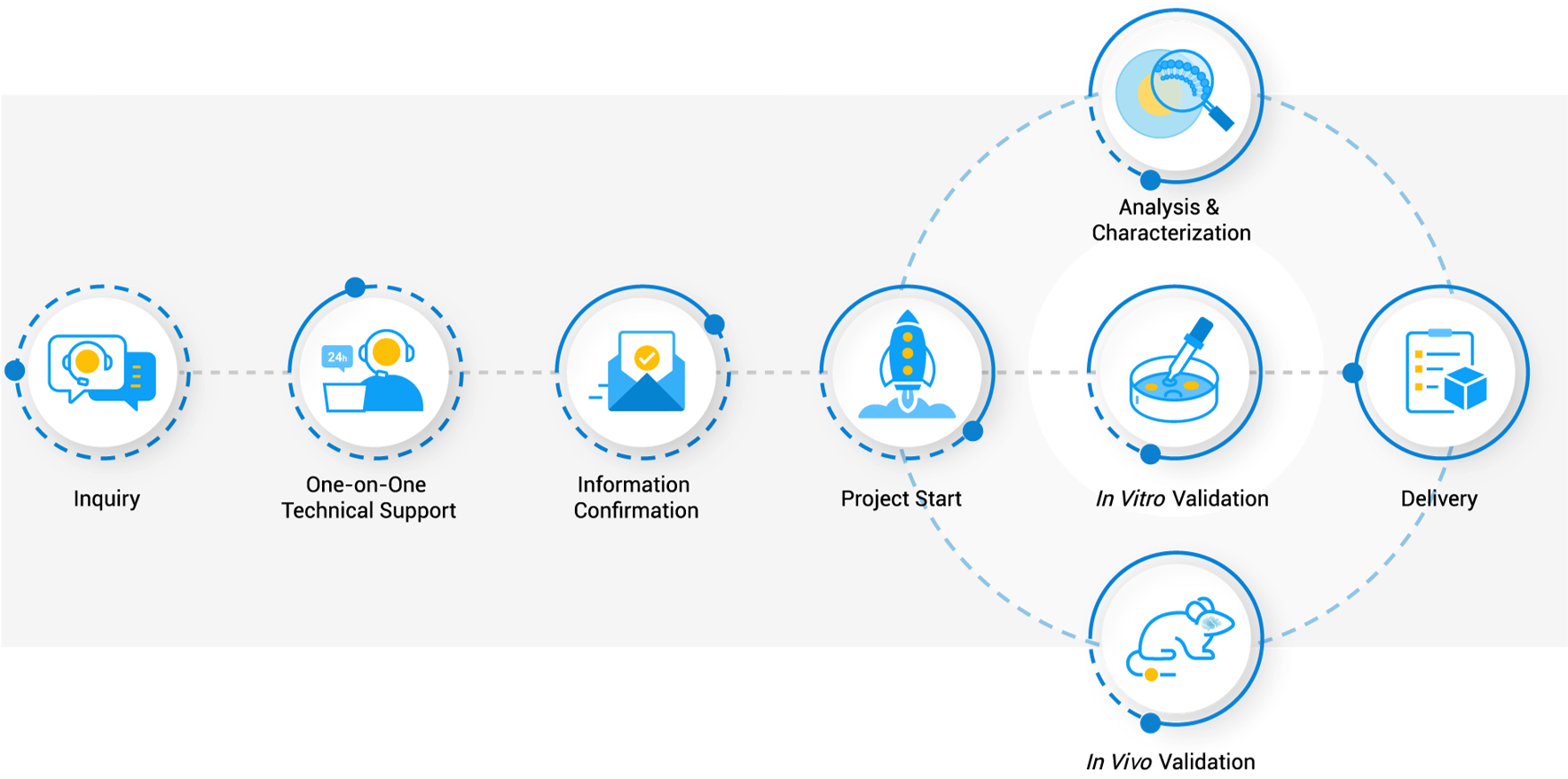
Workflow
Applications of Collagen-Based Targeted Delivery
The unparalleled versatility of collagen as a biopolymer extends its utility far beyond traditional pharmaceutical applications. Our custom delivery systems empower innovation across diverse scientific and commercial fields:
- Advanced Oncology Therapeutics: Engineering targeted nanoparticles capable of penetrating dense tumor microenvironments and releasing chemotherapeutics or protein degradations strictly within malignant cells, preserving healthy tissue.
- Regenerative Medicine & Wound Healing: Deploying localized, sustained-release collagen hydrogels and scaffolds loaded with growth factors to accelerate tissue repair, angiogenesis, and stem cell differentiation.
- Cosmeceuticals & Advanced Dermatology: Utilizing nano-collagen formulations for the targeted, transdermal delivery of anti-aging peptides and antioxidants deep into the dermal matrix.
- Agriculture & Agri-Biotech: Designing biodegradable collagen-based microparticles for the highly targeted, slow release of botanical nutrients or targeted bio-pesticides, minimizing environmental runoff.
- Nutraceuticals & Functional Foods: Enhancing the oral bioavailability and gastric-survival of highly sensitive vitamins, probiotics, or botanicals via protective collagen encapsulation.
Why Choose Creative Biolabs?
At Creative Biolabs, we are dedicated to pushing the boundaries of what is possible in precision pharmacokinetics and biomaterials engineering. Our comprehensive Collagen Development Service for Targeted Drug Delivery provides an unmatched, vertically integrated platform. From the precise sourcing and modification of raw collagen to the ultimate synthesis of ligand-targeted nanoparticles, our scientists are ready to engineer the ideal biomimetic vehicle for your proprietary payload.
Complete Vertical Integration
From raw collagen extraction and purification to the final targeted nanoparticle synthesis, we control the entire quality chain.
Proprietary Cross-linking Techniques
We utilize advanced, low-toxicity cross-linking protocols that preserve the bioactivity of your most delicate macromolecular payloads.
Scalable Manufacturing Pathways
We design all our pilot formulations with a clear, direct line of sight to large-scale expansion.
Collaborative Scientific Partnership
You work directly with PhD-level formulation scientists who function as an extension of your own R&D team.
Related Services & Products
Related Services
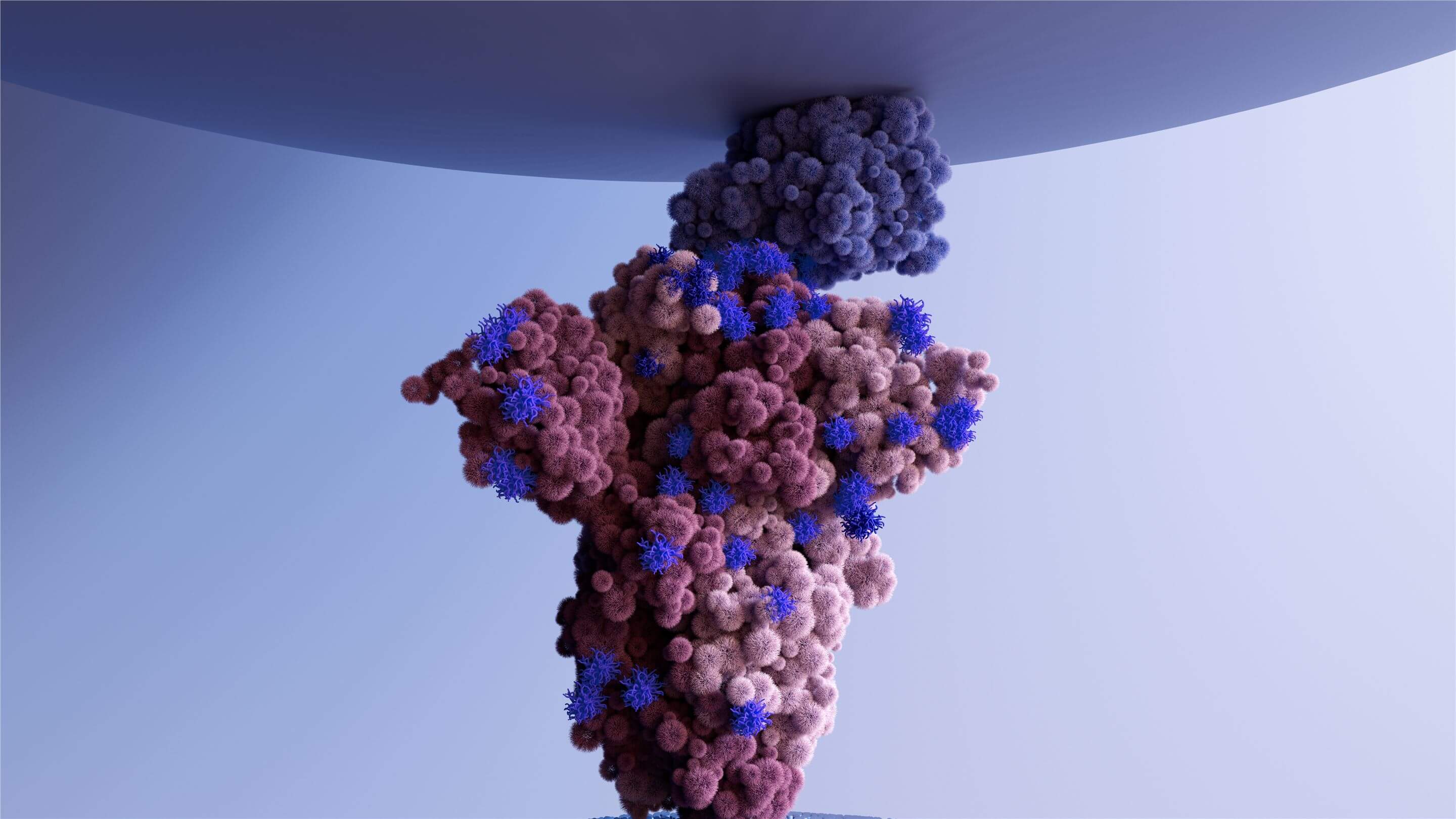
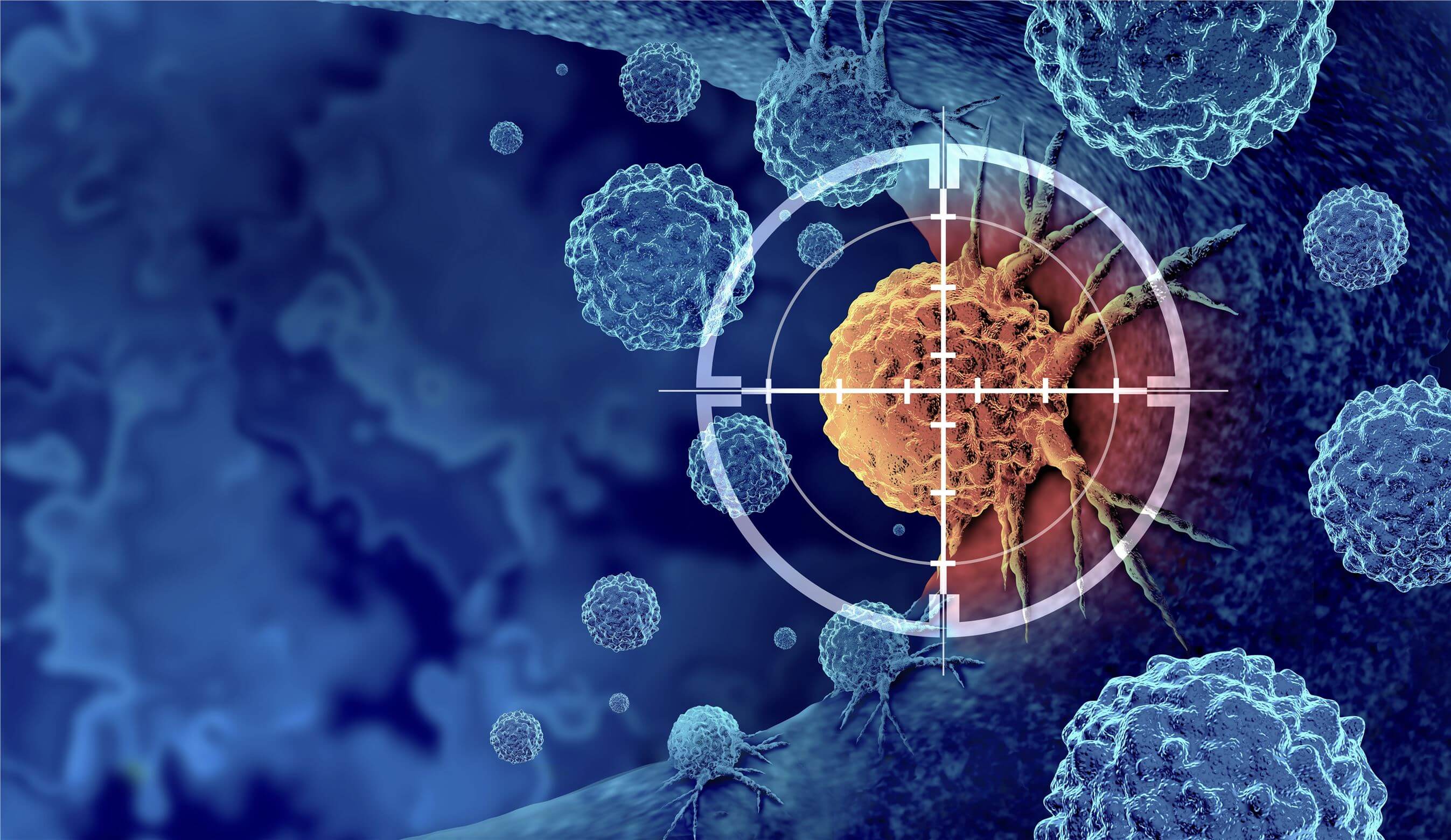
Chemical Synthesis Services
Nucleic Acid Synthesis Services
FAQs
Do you extract your own collagen, or do we need to provide it?
We provide end-to-end services. We can supply ultra-high-purity, extensively characterized collagen (bovine, marine, or recombinant) tailored for your project, or we can work with proprietary materials you provide.
What is the maximum payload size that can be encapsulated in your collagen nanoparticles?
Payload capacity depends on the physicochemical properties of the API. Generally, our nanoparticles comfortably encapsulate small molecules, moderately sized peptides, and various nucleic acids. For extremely large macromolecular complexes, we typically recommend our microgel or hydrogel platforms.
How does collagen compare to PLGA for targeted delivery?
While PLGA is highly effective, collagen offers superior biomimicry and inherent cellular interaction domains (like integrin binding). Furthermore, collagen degrades via endogenous enzymes without creating the acidic microenvironment typically associated with PLGA hydrolysis, which can damage sensitive payloads like proteins.
How do you ensure the targeted ligands remain active after conjugation?
We utilize highly specific, mild bioconjugation chemistries (such as click-chemistry or site-specific amine modifications) that prevent the steric hindrance or denaturation of the active binding sites on your targeting ligands.
Can you scale the formulation for pre-clinical animal studies?
Yes. While initial optimization is done at the milligram scale, our protocols are explicitly designed to be seamlessly scaled to generate the gram-level quantities required for robust in vivo efficacy and safety models.
Reference
- Zhou, Nan, et al. "Pharmacological functions, synthesis, and delivery progress for collagen as biodrug and biomaterial." Pharmaceutics 15.5 (2023): 1443. https://doi.org/10.3390/pharmaceutics15051443. Distributed under Open Access license CC BY 4.0, without modification.