
Microneedle Development Service for Targeted Drug Delivery
Unlock the full potential of your therapeutic candidates with next-generation transdermal solutions. Conventional delivery methods often struggle with bioavailability and patient compliance, particularly for macromolecules like biologics and nucleic acids. Our service bridges this gap by utilizing high-precision microneedle technology to bypass the stratum corneum non-invasively, enabling the systemic or localized delivery of complex payloads. Creative Biolabs leverages decades of expertise in nanomedicine to integrate advanced module delivery systems (such as LNPs and liposomes) directly into microneedle arrays, ensuring superior stability, loading efficiency, and targeted therapeutic outcomes.
Request a Free Scientific Consultation
Microneedle Technology Landscape: Mechanisms and Research Utility
Understanding Microneedles: Definition & Core Advantages
Microneedles (MNs) are sophisticated micro-scale devices designed to bridge the gap between the convenience of transdermal patches and the delivery efficiency of hypodermic needles. Defined as ordered arrays of micron-sized projections, typically ranging from 25 to 2000 µm in height, they are engineered to mechanically penetrate the superficial layers of the skin, creating micron-scale transport pathways that overcome the limitations of passive diffusion.
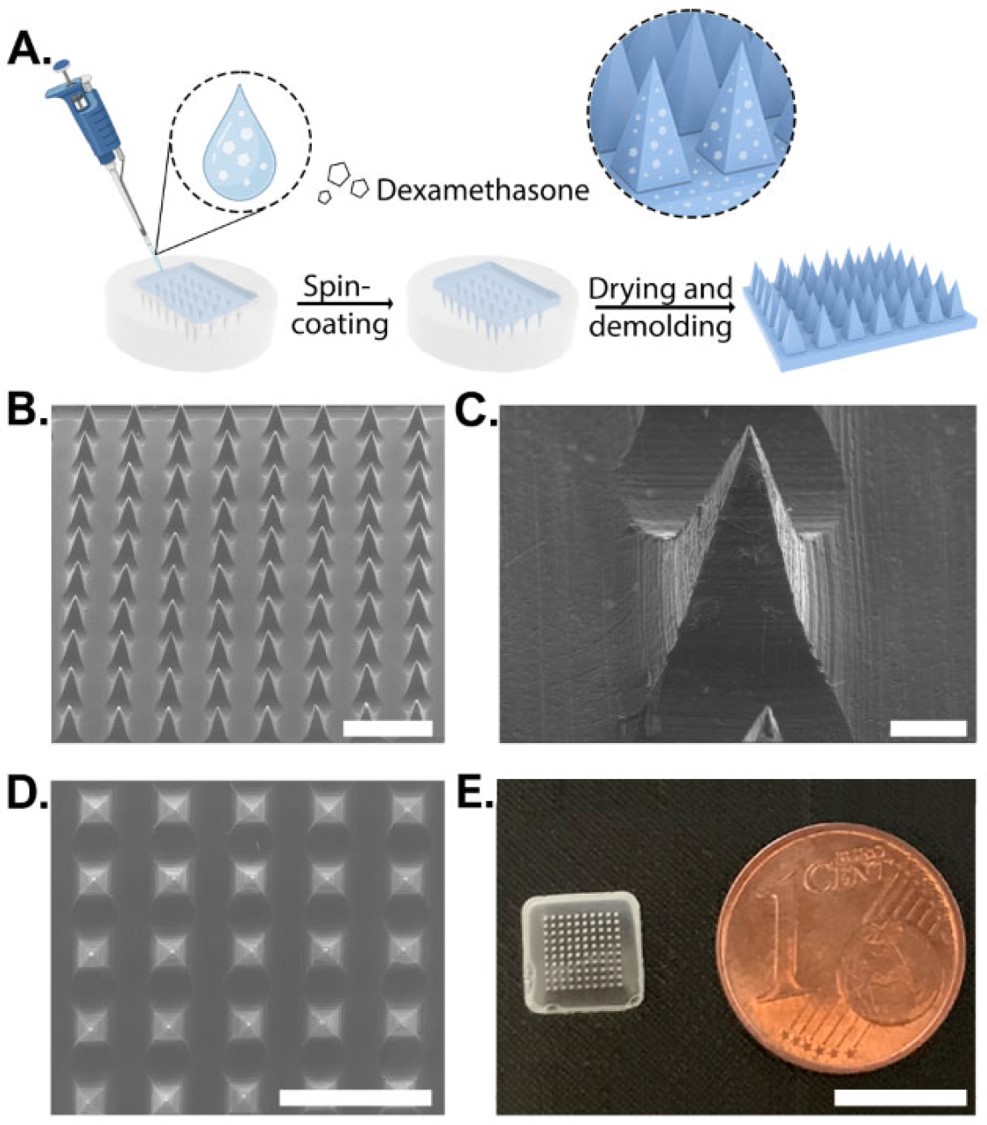 Fig. 1 Schematic illustration of dexamethasone-loaded microneedle fabrication process and their morphology.1,4
Core Technical Advantages
Creates physical conduits allowing hydrophilic, high-molecular-weight compounds (proteins, nucleic acids) to bypass the stratum corneum barrier.
Guarantees reproducible pharmacokinetics through defined needle geometry and coating thickness, offering superior control over variable topical applications.
Facilitates direct systemic or lymphatic entry via dermal capillaries, avoiding hepatic and gastrointestinal degradation.
Supports diverse payloads, from small molecules to LNP-encapsulated biologics, without compromising physicochemical stability.
Dissolving matrices eliminate sharps waste, enhancing safety and simplifying laboratory disposal protocols.
Transdermal Permeation Dynamics & Microneedle-Mediated Transport
The Challenge: Physiological Barriers to Transdermal Absorption
The skin acts as a formidable biological barrier, primarily due to the stratum corneum (SC). This outermost layer consists of dead, keratin-filled corneocytes embedded in a dense, highly organized lipid matrix, forming a "brick-and-mortar" structure. This architecture restricts the passive permeation of most therapeutic agents, particularly those that are hydrophilic or have a molecular weight greater than 500 Da. Consequently, the research potential of many potent biologics is limited by the inability to reach their target tissues via topical application.
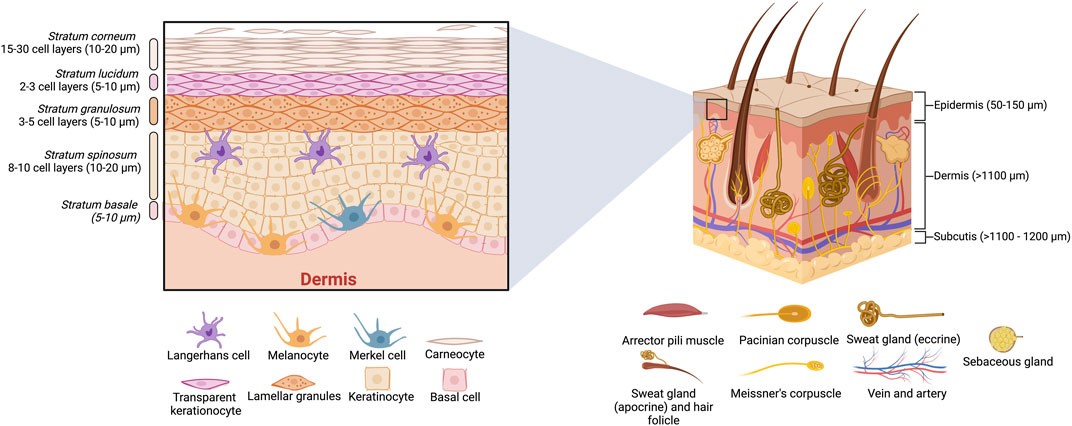 Fig. 2 The preparation strategies of branched DNA hydrogels.2,4
The Solution: Microneedle-Mediated Poration Mechanism
Microneedles overcome the SC barrier through a physical mechanism known as microporation. Upon application, the microneedle array exerts mechanical force to disrupt the lipid bilayer structure of the stratum corneum, creating transient, aqueous micro-conduits. These pathways bypass the rate-limiting diffusion step, allowing therapeutic payloads to access the viable epidermis and dermis directly. This mechanism enhances the permeability coefficient of macromolecules, enabling high-efficiency delivery and rapid onset of action in experimental models. It represents a superior alternative to passive diffusion, offering controllable dosing and reproducible pharmacokinetics.
Advanced Microneedle Architectures & Material Classification
Microneedle technologies are systematically categorized based on their fabrication materials, structural design, and payload release mechanisms. This classification is critical for determining suitability for specific therapeutic classes, ranging from immediate-release vaccine formulations to sustained-release hormonal therapies, and dictates the pharmacokinetics of drug absorption within the dermal microenvironment.
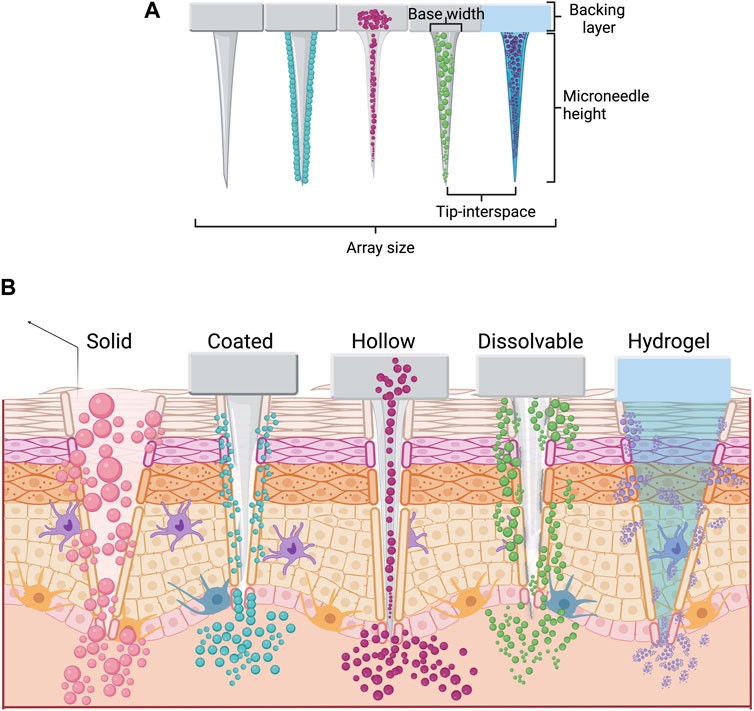 Fig. 3 Types of microneedles in transdermal patch drug delivery.2,4
Solid Microneedles
Constructed from inert materials such as silicon, stainless steel, or titanium, these microneedles function primarily via a "poke-and-patch" or "coat-and-poke" approach. They are either used to pretreat the skin to increase permeability prior to topical application or are coated with a dry drug formulation for rapid dissolution upon skin entry. Solid MNs are characterized by high mechanical strength and are extensively used in permeation mechanism studies and for the rapid delivery of high-potency compounds.
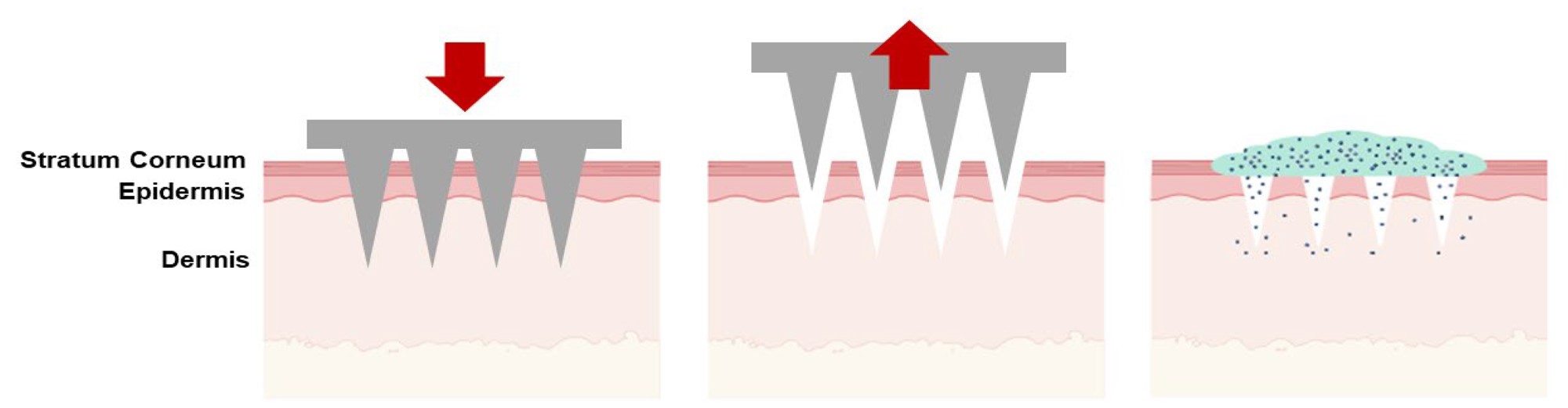 Fig. 4 Drug delivery process using solid microneedles. Red arrows indicate the movements direction.3,4
Coated Microneedles
Consisting of solid micro-projections (typically stainless steel, titanium, or biocompatible polymers) coated with a water-soluble drug formulation, these arrays facilitate rapid delivery upon skin insertion. The solid core provides the mechanical strength necessary for reliable penetration, while the coating dissolves within seconds to minutes in the dermal environment. This architecture is particularly advantageous for delivering high-potency macromolecules, such as DNA vaccines and peptides, where preserving the stability of the active ingredient in a dry state is crucial.
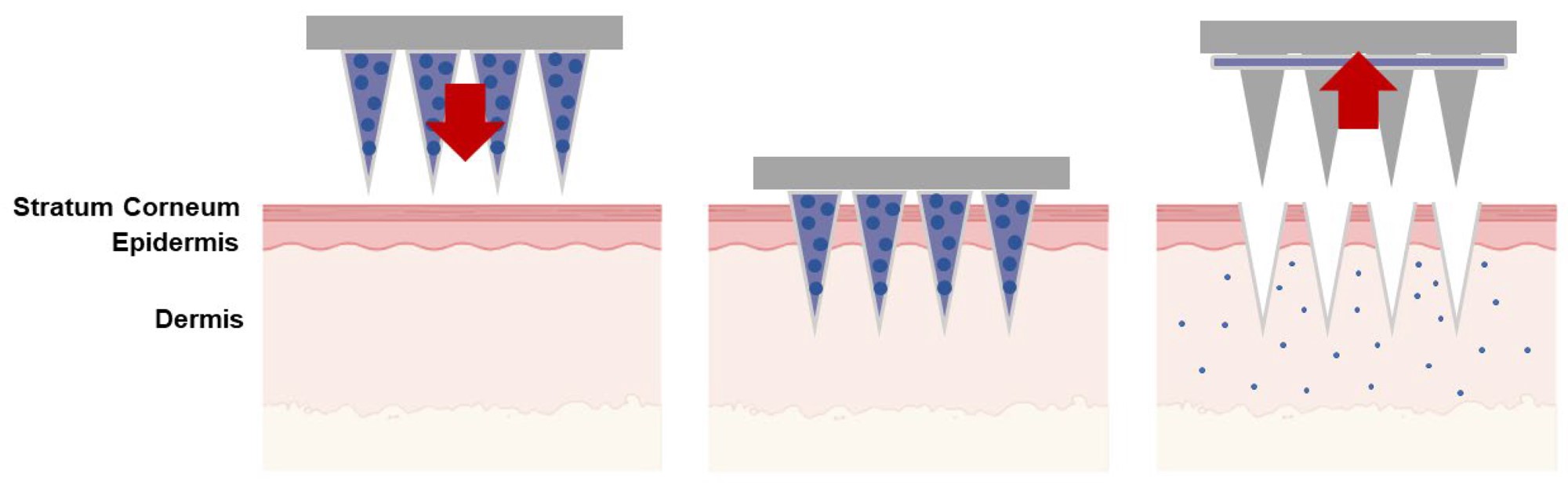 Fig. 5 Drug delivery process using coated microneedles. Red arrows indicate the movements direction.3,4
Dissolving Microneedles
These arrays are fabricated from biodegradable, water-soluble polymers (e.g., Hyaluronic Acid, PVP, PVA, PLGA) that form a solid matrix encapsulating the therapeutic payload. Upon insertion into the skin, the interstitial fluid triggers the dissolution of the polymer matrix, releasing the cargo directly into the dermis. This mechanism ensures complete payload delivery, enhances the bioavailability of labile biologics by shielding them until release, and eliminates biohazardous sharps waste, making them ideal for single-use administration of vaccines and biologics.
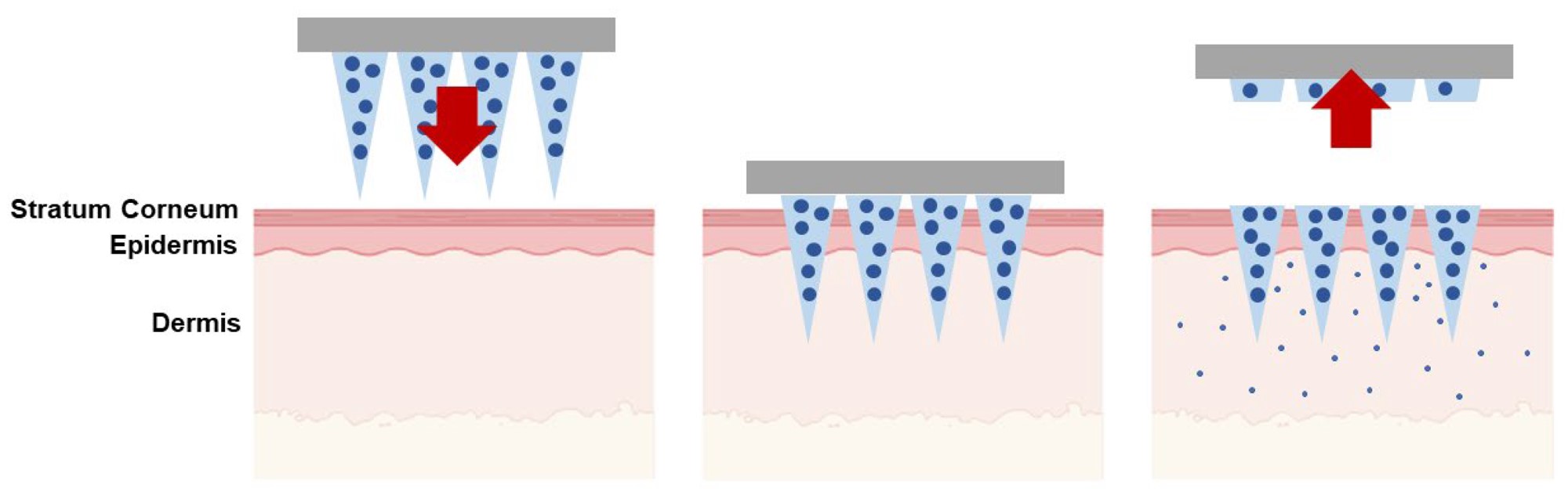 Fig. 6 Drug delivery process using dissolving microneedles. Red arrows indicate the movements direction.3,4
Hollow Microneedles
Resembling microscopic hypodermic needles, these devices contain an internal microfluidic channel that allows for the pressure-driven flow of liquid formulations into the skin. This architecture facilitates the delivery of larger volumes compared to solid or dissolving types and enables continuous infusion or flow-rate controlled delivery. They are particularly valuable for comparative pharmacokinetic analyses against standard subcutaneous injections.
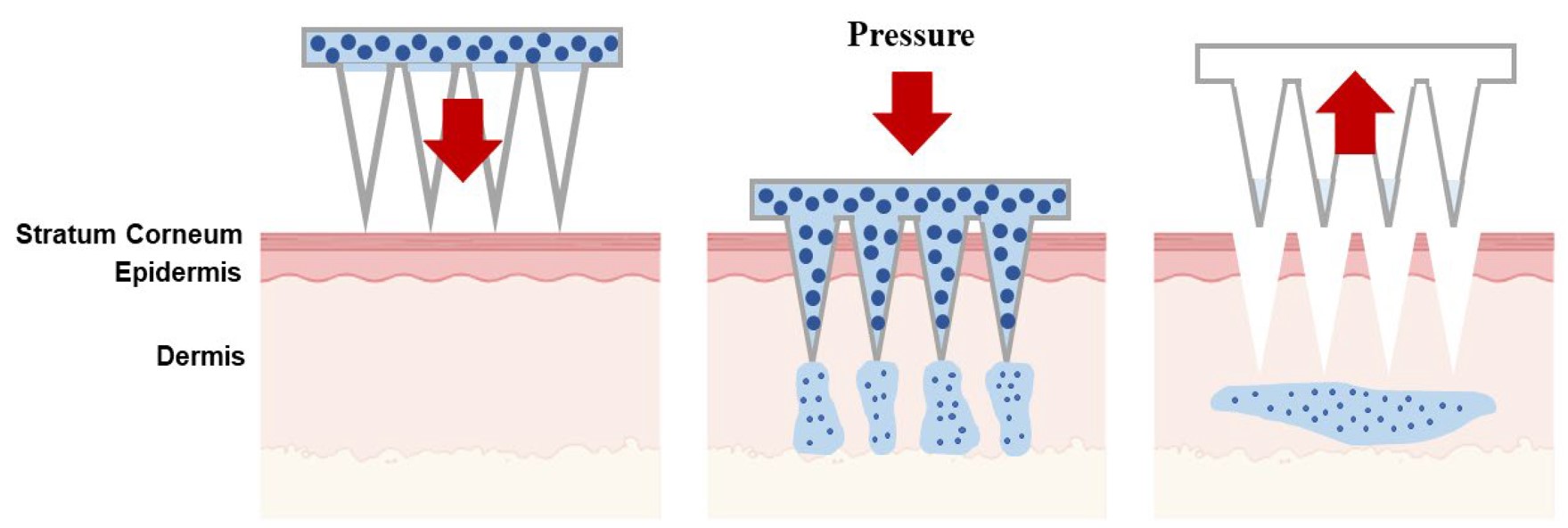 Fig. 7 Drug delivery process using hollow microneedles. Red arrows indicate the movements direction.3,4
Hydrogel-Forming Microneedles
Composed of crosslinked polymer networks, these microneedles are designed to swell upon contact with interstitial fluid rather than dissolving. This swelling creates a continuous, hydrogel-filled conduit between a drug reservoir attached to the backing and the dermal tissue. This mechanism supports sustained, diffusion-controlled release over extended periods and permits the reverse diffusion of interstitial fluid for biomarker sampling without leaving polymer residues in the skin.
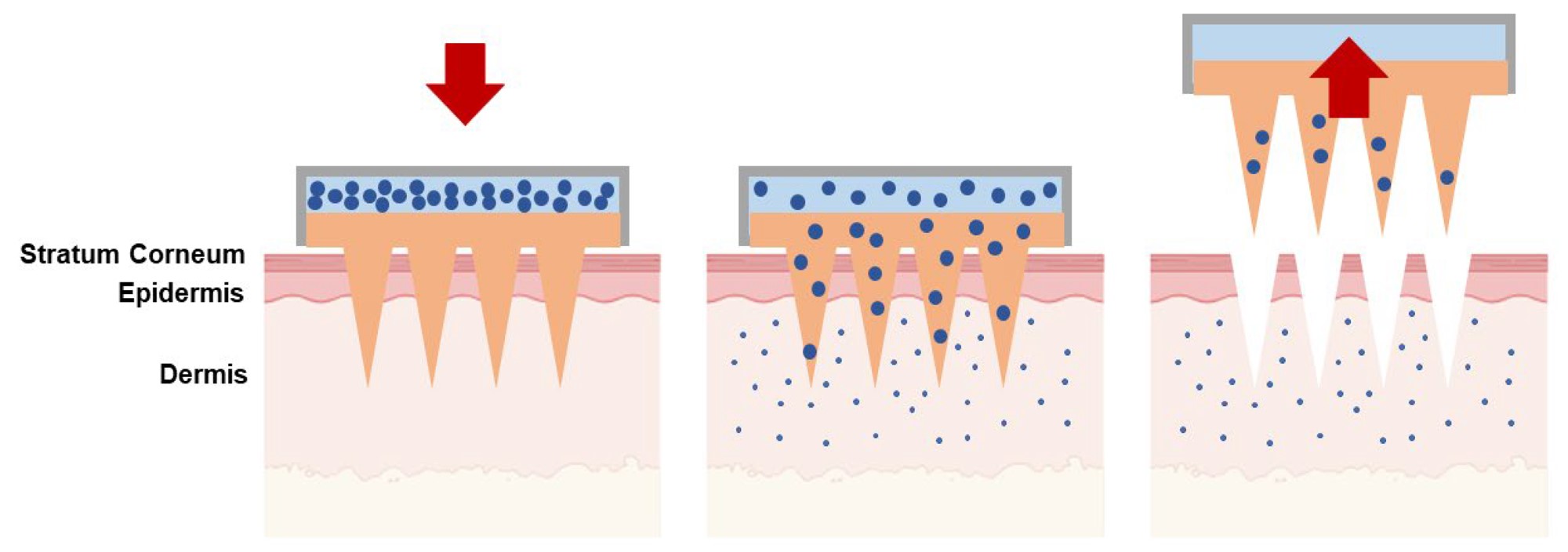 Fig. 8 Drug delivery process using hydrogel-forming microneedles. Red arrows indicate the movements direction.3,4
Comprehensive Microneedle System Engineering Solution
Creative Biolabs offers a robust suite of development services designed to transform your active ingredients into functional, research-ready microneedle prototypes. Our engineering philosophy centers on precision, reproducibility, and the preservation of biological activity.
Customized Microneedle Array Fabrication
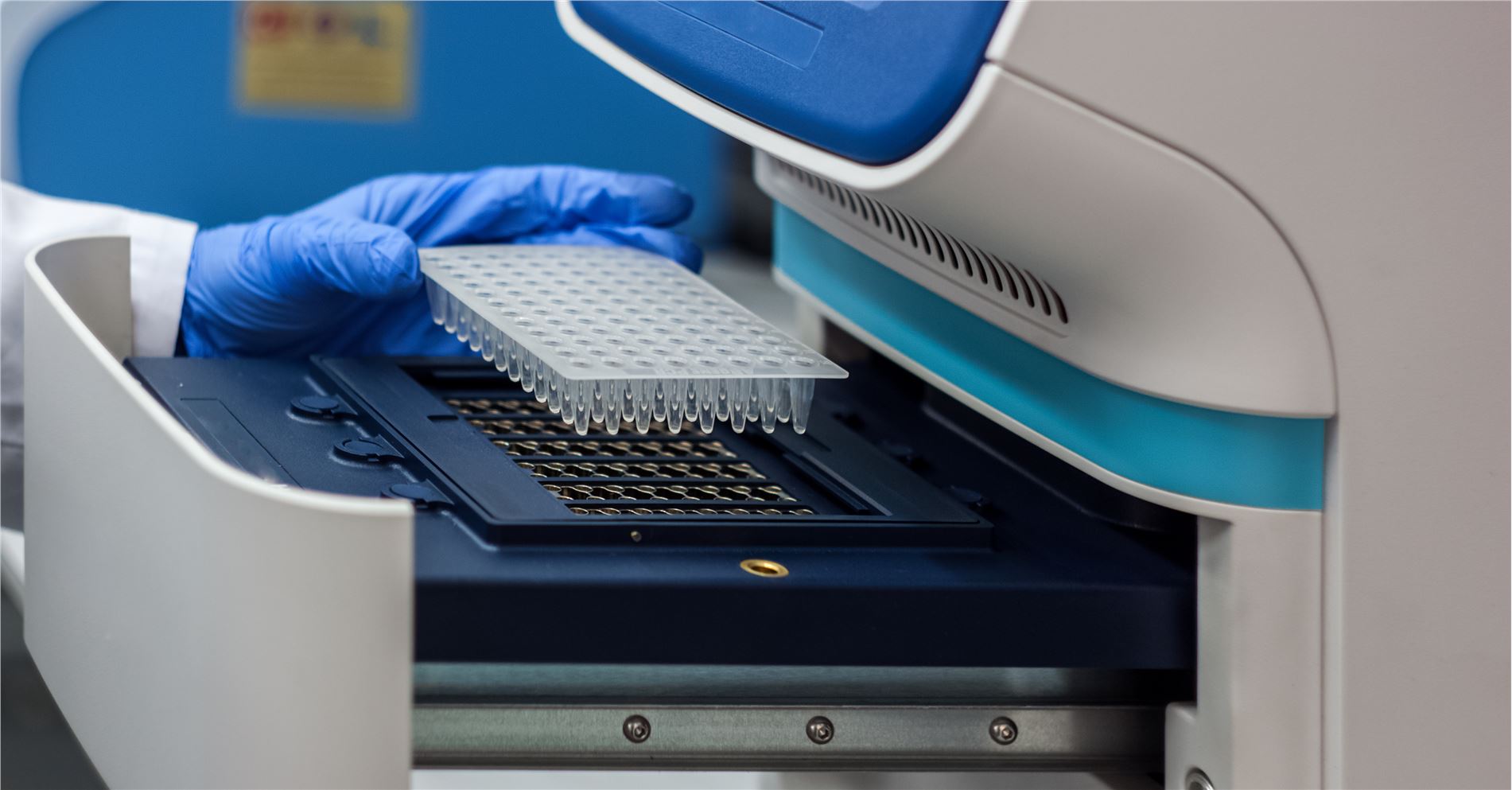
We offer a versatile prototyping platform capable of engineering diverse microneedle architectures, including dissolving, coated, hollow, and hydrogel-forming systems. By utilizing advanced micro-molding and lithography, we exert precise control over needle density and geometry to ensure optimal skin penetration and reproducible drug deposition tailored to your formulation.
- Multi-Modal Architecture Development: Custom fabrication of Dissolving (biodegradable), Coated (solid core), Hollow (microfluidic), and Hydrogel-forming arrays to match the therapeutic window of your API.
- Micro-Molding & Lithography: High-fidelity replication of master molds to produce consistent needle height, density, and aspect ratio.
- Geometry Optimization: Customization of needle shape (conical, pyramidal) to balance penetration force with mechanical stability.

Workflow

Applications: Advancing Preclinical Research
Our microneedle platforms are powerful tools for exploring novel therapeutic mechanisms and delivery routes in preclinical settings.
- Vaccines & Immunotherapy: Precise delivery of antigens to epidermal immune cells to study dose-sparing effects and immune activation pathways.
- Gene Therapy: Non-invasive transfection of skin cells using LNP-loaded MNs for gene silencing or expression studies.
- Oncology: Localized administration of chemotherapeutics to subcutaneous tumors for studying intratumoral retention and efficacy.
- Regenerative Medicine: Delivery of growth factors or exosomes to investigate wound healing and tissue regeneration mechanisms.
- 3D Tissue Models & Bio-Printing: Validating drug permeation and toxicity in 3D-printed skin equivalents and organ-on-chip systems.
- Biosensing & Diagnostic Monitoring: Minimally invasive extraction of interstitial fluid for real-time quantification of biomarkers using hydrogel or hollow microneedle arrays.
- Ocular Therapeutics: Targeted delivery of biologics or small molecules to the suprachoroidal space for treating retinal diseases with minimal invasiveness and high precision.
Why Choose Creative Biolabs?
At Creative Biolabs, we are dedicated to advancing the frontiers of transdermal drug delivery research. By merging micro-scale engineering with advanced nanocarrier technology, we provide the scientific community with robust tools to explore novel delivery mechanisms. Whether you are investigating genetic medicines or optimizing formulation kinetics, our team is ready to engineer the precise solution for your research goals.
Scientific "Module + Microneedle" Approach
We uniquely combine nanomedicine with microfabrication, solving the stability and intracellular delivery challenges of complex macromolecules.
Research-Centric Customization
We engineer bespoke solutions tailored to specific APIs and research hypotheses.
Advanced Characterization Suite
Access to industry-leading mechanical testing and permeation analysis equipment ensures your data is publication-ready.
Broad Material Library
Extensive selection of medical-grade polymers allows for fine-tuning of degradation rates and mechanical properties.
Related Services & Products
Related Services
Related Products
| Product Name | Description | Inquiry |
|---|---|---|
| LNP Formulation Kit (Universal) | A complete set of reagents and ionizable lipids for synthesizing high-quality LNPs in your own lab. | |
| Targeted LNP Formulation Kit | Specialized kits containing targeting lipids optimized for specific organ delivery (Liver, Lung, Spleen, Muscle). | |
| Drug-Loaded Liposomes | Liposomal formulations loaded with standard chemotherapeutics (e.g., Clodronate) for research use. | |
| mRNA-LNP | Ready-to-use LNPs loaded with reporter mRNAs (e.g., EGFP mRNA) at various concentrations for transfection studies. |
FAQs
What determines the loading capacity of the microneedle arrays?
Loading capacity is governed by the needle volume, geometry, and the solubility of the cargo within the polymer matrix. For dissolving MNs, we typically achieve 10-20% w/w. For high-dose requirements, we can optimize the array density or utilize "arrowhead" designs to concentrate the drug at the tips.
How do you ensure homogeneity of the drug within the needles?
We utilize precision centrifugal casting and vacuum deposition techniques. This ensures that the formulation fills the mold cavities completely and that the nanocarrier-drug complexes are uniformly distributed throughout the needle matrix or concentrated at the tips as designed.
Can these microneedles be used for animal studies?
Yes, our prototypes are specifically engineered for preclinical research. We can customize the patch size and needle length to suit various animal models (e.g., mice, rats, mini-pigs) to ensure optimal skin penetration and retention.
How does nanocarrier integration affect the mechanical strength of the needles?
High lipid content can plasticize the polymer matrix, potentially reducing mechanical strength. We address this by optimizing the polymer-to-lipid ratio and incorporating mechanical enhancers (like specific sugars or salts) to maintain sufficient hardness for skin insertion.
References
- Ben David, Noa, et al. "Design and evaluation of dissolvable microneedles for treating atopic dermatitis." Pharmaceutics 15.4 (2023): 1109. https://doi.org/10.3390/pharmaceutics15041109.
- Sánchez-Trasviña, Calef, et al. "Transdermal microneedle patches as a promising drug delivery system for anti-obesogenic molecules." Frontiers in Bioengineering and Biotechnology 12 (2024): 1380537. https://doi.org/10.3389/fbioe.2024.1380537.
- Oliveira, Cristiana, et al. "Microneedles' device: design, fabrication, and applications." Macromol 4.2 (2024): 320-355. https://doi.org/10.3390/macromol4020019
- Distributed under Open Access license CC BY 4.0, without modification.