
Optimizing PLGA microspheres, liposomes, or nanogels to achieve efficient encapsulation of protein drugs, protecting their activity and achieving sustained release over weeks to months.
Targeting Delivery for Protein Replacement Therapy
Protein replacement therapy (PRT) is the cornerstone for treating inherited metabolic disorders, endocrine imbalances, and immunodeficiency. However, poor drug stability, short in vivo circulation, and failure to reach intracellular sites of action (such as lysosomes) remain major obstacles. Creative Biolabs' targeted delivery technology focuses on the nanoencapsulation and intracellular targeting of proteins, addressing the core challenges of PRT and achieving long-lasting, precise replacement of therapeutic proteins.
Click Here to View more about our Service
What is Targeted Delivery?
In the field of PRT, "targeted delivery" is key to unlocking the potential of protein drugs. It refers to a sophisticated engineering approach that guides the therapeutic payload to its intended destination with maximum efficiency and minimal waste.
This strategy encompasses:
Enhanced Stability: Encapsulating easily degradable therapeutic proteins in nanocarriers (such as liposome, LNPs or polymeric systems) to protect them from protease degradation and prolonging their circulating half-life in vivo.
Intracellular Targeting: Ensuring proteins can penetrate the cell membrane and reach their precise sites of action, such as lysosomes, the nucleus, or the cytoplasm.
Oral Delivery Optimization: Overcoming the harsh gastrointestinal barrier and significantly improving the bioavailability of protein drugs for oral administration.
Applications for Protein Replacement Therapy
Our delivery platform provides technical support for key innovations across PRT modalities:
Intracellular Targeting of Enzyme Replacement Therapy (ERT)
Encapsulating lysosomal enzymes and modifying carrier surface ligands (such as mannose-6-phosphate ligands) to specifically target lysosomes and treat lysosomal storage diseases.
Stability & Oral Delivery of Peptide Drugs
Delivering easily degradable peptide drugs, such as insulin or GLP-1 agonists, via nanocarriers or microneedle patches for oral or transmembrane delivery, replacing traditional injections.
Extending the Cycle Time of Antibody/Fc Fusion Proteins
Developing polymer conjugation (e.g., PEGylation) or nanoencapsulation technologies to extend the pharmacokinetic (PK) properties of monoclonal antibodies or Fc fusion proteins, reducing dosing frequency.
Sustained In vivo Expression
Focusing on high-load, sustained-release vectors to achieve prolonged and steady protein release within the body, minimizing peak-and-trough drug level fluctuations.
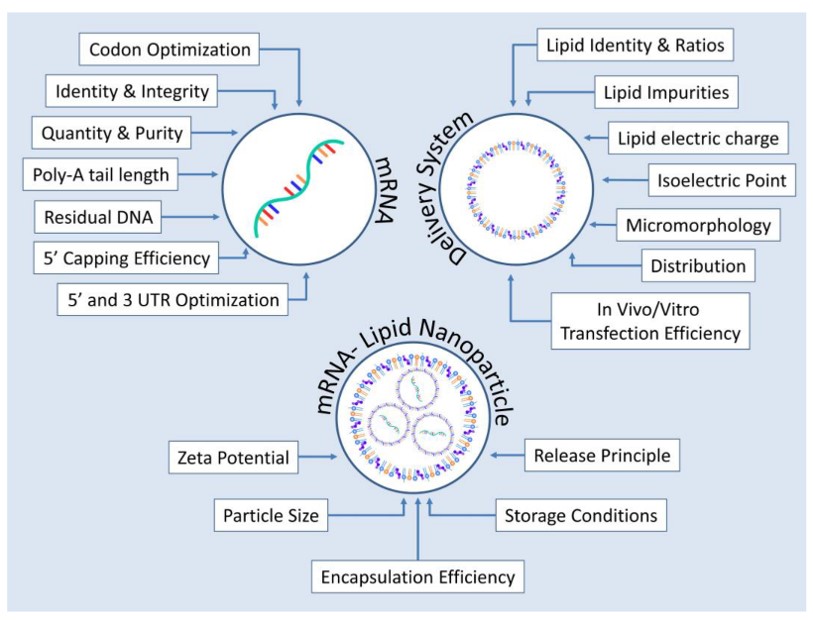 Fig.1 Critical quality attributes in the production of encapsulated mRNA products for PRT.1
Delivery Challenges of Protein Replacement Therapy
In vivo Stability and Degradation: Proteins are readily degraded by proteases in the bloodstream, leading to short half-lives and requiring frequent, high-dose injections.
- Intracellular Targeting Challenges: Most therapeutic proteins act on intracellular sites (e.g., lysosomes, mitochondria, or the nucleus), but large protein molecules inherently struggle to penetrate the protective cell membrane.
- Immunogenicity: Exogenous proteins may trigger a host immune response, leading to the formation of neutralizing antibodies that reduce long-term efficacy or cause adverse reactions.
- Low Oral Bioavailability: The harsh environment of the gastrointestinal tract (acid, enzymes) renders oral administration of proteins largely ineffective.
What We Can Offer
Creative Biolabs offers professional targeted delivery technologies, focusing on solving the challenges of PRT stability, intracellular targeting, and flexible drug delivery routes:
Nanoencapsulation and Long-Lasting Release
Intracellular Targeted Delivery Systems
Carrier surface modification to recognize specific cell surface receptors (such as mannose receptors and folic acid receptors), efficiently delivering proteins into lysosomes or the cytoplasm via endocytosis. This includes specialized ligands for Blood-Brain Barrier (BBB) penetration.
Oral & Transmucosal Delivery Platforms
Developing peptide/protein nanoparticles with gastric acid resistance and intestinal mucosal permeability, or utilizing microneedle technology to significantly improve the bioavailability of oral and transmucosal delivery.
Low Immunogenicity Vector Design
Through polymer coupling (PEGylation) or vector surface optimization, the antigenic epitopes of proteins are masked to the maximum extent, reducing immunogenicity and prolonging cycle time.
Why Choose Us?
Years of Experience
Proven track record in complex nanocarrier development.
Dual-Targeting Platforms
Expertise in combining ligands (e.g., Tf and cRGD) for challenging barriers like the BBB.
Ready Scalability
Delivery systems designed for seamless transition from R&D to manufacturing.
Subcellular Precision
Unique ability to target specific organelles (e.g., mitochondria).
Workflow
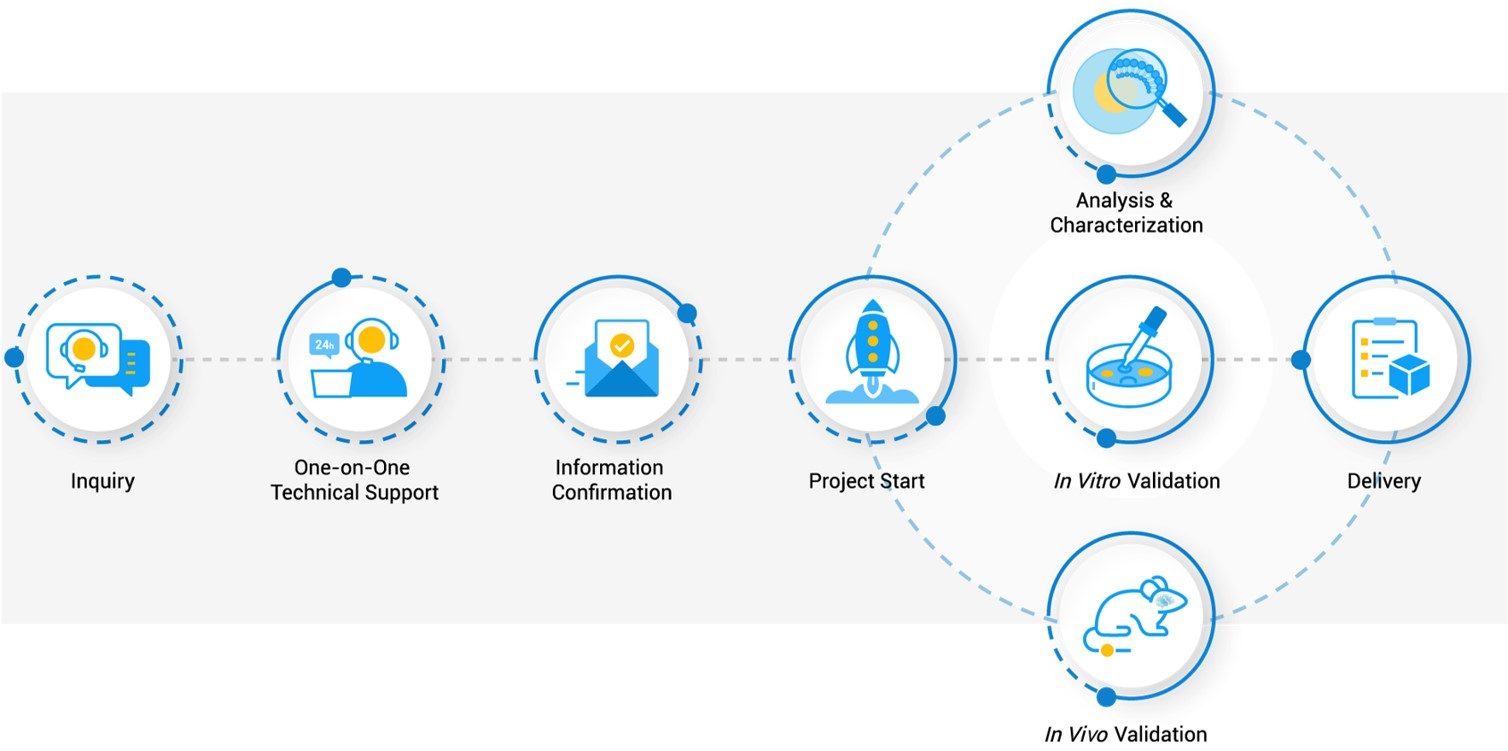
Ready to move your protein asset into the clinic with unparalleled precision? Explore our in-depth blueprint on targeted delivery or contact our lead biologics strategy team today for a confidential consultation on your specific PRT challenge.
Reference
- Vavilis, Theofanis, et al. "mRNA in the context of protein replacement therapy." Pharmaceutics 15.1 (2023): 166. Distributed under Open Access license CC BY 4.0, without modification. https://doi.org/10.3390/pharmaceutics15010166
Our services are For Research Use Only. We do not provide services to individuals.
Online Inquiry