

Professional high-efficiency non-viral delivery platforms for introducing chemokine receptors, anti-apoptotic genes, or metabolic reprogramming molecules into stem cells, enhancing their in vivo migration and survival capabilities.
Targeting Delivery for Regenerative Medicine
Regenerative medicine restores damaged tissue function using cells, engineered materials, and molecular signals. Success requires precisely controlling the therapeutic payload's fate and activity, whether delivered via cell transplantation or in vivo regeneration. Creative Biolabs provides specialized delivery system development services, focusing on solving key challenges in regenerative medicine such as cell homing and survival, and local control of molecular signals.
Click Here to View more about our Service
What is Targeted Delivery?
Targeted delivery encapsulates therapeutic payloads—such as stem cells, growth factor mRNA, functional genes, or small molecules—in a vector or scaffold, protecting their integrity and activity. This strategy employs advanced engineering techniques to enhance the specific migration and retention of cells or nanocarriers at damaged or inflamed sites. By achieving highly localized, sustained, and stimuli-responsive release, targeted delivery ensures that critical growth factors or transcription factors act precisely at the damaged tissue, maximizing therapeutic effect while minimizing systemic exposure.
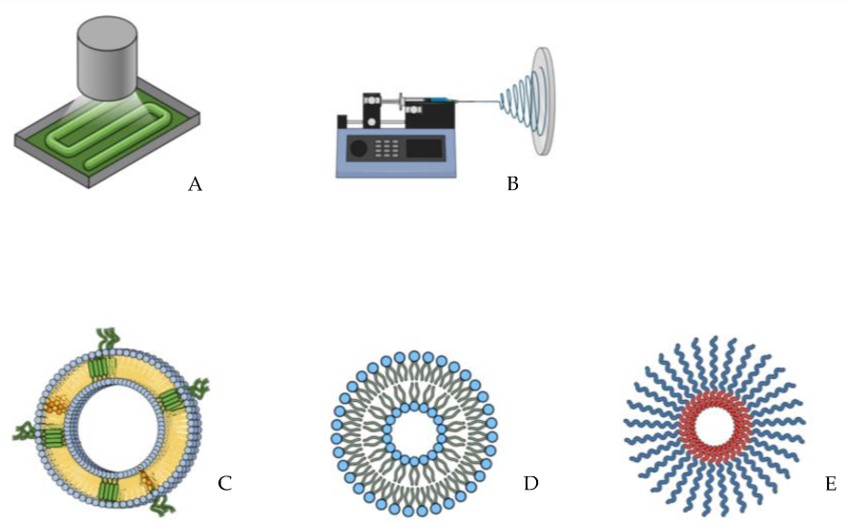 Fig.1 Examples of delivery technologies in regenerative medicine.1
Applications for Regenerative Medicine
Enhancing Stem Cell Transplantation Efficiency
Delivery platforms introduce chemokine receptor mRNA or anti-apoptotic genes into stem cells to significantly enhance their homing to damaged sites and improve survival rates post-transplantation.
In vivo Tissue Regeneration
Targeted nanocarriers deliver growth factor or transcription factor mRNA (e.g., for cardiac, nerve, or pancreatic repair) to induce resident endogenous cells to repair and regenerate tissue in situ.
Functionalization of Tissue Engineering Scaffolds
Therapeutic nucleic acids or growth factors are integrated directly into biomaterial scaffolds (e.g., hydrogels). This achieves localized, continuous, and controlled molecular signaling regulation, promoting optimal cell attachment, proliferation, and differentiation within the engineered construct.
Delivery Challenges of Regenerative Medicine
- Low Cell Load Survival Rate: Extensive apoptosis and necrosis immediately following transplantation pose a major obstacle to clinical application efficacy, often necessitating protective encapsulation strategies.
- Insufficient Homing and Specificity: After systemic distribution, cells or vectors often traffic indiscriminately, struggling to efficiently home to damaged sites (failing to utilize the EPR effect or active ligands), which leads to poor therapeutic effects.
- Challenges of the Inflammatory Microenvironment: The harsh biochemical milieu of damaged or inflamed tissue (characterized by low pH and high enzyme activity) actively inhibits cell survival and function, requiring delivery systems designed to combat inflammation and promote a pro-regenerative environment.
What We Can Offer
We offer professional targeted delivery technologies, focusing on solving the challenges of survival, homing, and microenvironment control in regenerative medicine:
Enhanced Cell Homing & Survival
Tissue-Specific Molecular Targeting
Development of LNP/nanogels with surface-modified tissue damage-specific ligands to achieve precise delivery of growth factor mRNA or gene editing tools to damaged tissues (such as myocardium and cartilage). We specialize in utilizing small peptide motifs for active targeting of highly specific cell surface markers.
Biomaterial Carrier Functionalization
Seamless integration of nucleic acids, proteins, or small molecules into injectable hydrogels, microspheres, or scaffolds to achieve localized, continuous, and on-demand release of therapeutic signals. These Stimuli-Responsive systems control cell fate by reacting to specific microenvironmental cues (like pH or MMP overexpression).
Microenvironment Immunomodulatory Delivery
Strategic delivery of anti-inflammatory cytokines or immunomodulatory molecules to effectively reprogram the inflammatory microenvironment of damaged tissues, creating highly favorable, pro-regenerative conditions for cell survival and subsequent tissue repair. We ensure robust compliant manufacturing protocols for all carrier systems.
In-depth Exploration: Our Sub-fields in Regenerative Medicine
Stem Cell Therapy: Focusing on the in vitro engineering of stem cells to enhance their homing and survival capabilities.
Tissue Repair: Focusing on the targeted in vivo delivery of growth factors or transcription factors to induce endogenous cell repair and regeneration.
Why Choose Us?
Years of Expertise
Deep specialization at the intersection of nanomedicine and regenerative biology.
Validated Platforms
Proven, adaptable solutions (ENCs, Smart Hydrogels, Cell-Based Vehicles) ready for immediate customization.
Proprietary Ligand Toolkit
Unique, high-affinity targeting ligands for difficult-to-access tissues (e.g., CNS).
Workflow
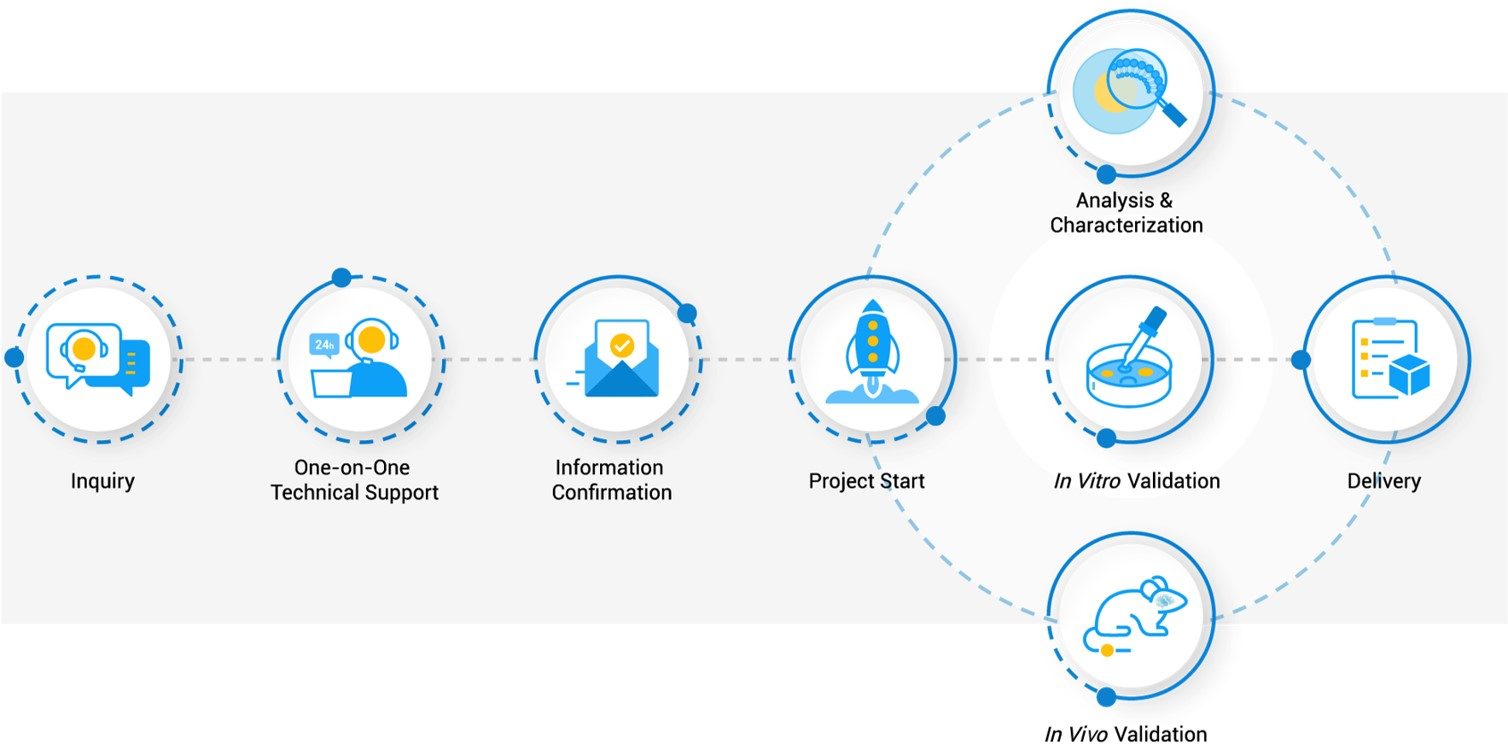
Ready to translate your regenerative therapy? Contact Creative Biolabs' translational biology team today for a confidential consultation to engineer your precision delivery solution and accelerate your clinical pipeline.
Reference
- Mansour, Alaa, et al. "Drug delivery systems in regenerative medicine: an updated review." Pharmaceutics 15.2 (2023): 695. Distributed under Open Access license CC BY 4.0, without modification. https://doi.org/10.3390/pharmaceutics15020695
Our services are For Research Use Only. We do not provide services to individuals.
Online Inquiry