
This is the flagship application for Bilosomes. Conventional lipid carriers often degrade in the stomach's acidic environment or dissolve prematurely upon exposure to intestinal bile salts. Bilosomes overcome this, making them ideal carriers for fragile biologicals (peptides, proteins, antigens, and nucleic acids) and drugs with poor intestinal absorption. This non-invasive delivery route offers improved patient compliance and eliminates the risks associated with parenteral administration.
Bilosome based Targeted Drug Delivery Solution
In the pursuit of groundbreaking therapeutics, the challenge of achieving stable oral or transdermal delivery often stalls promising drug candidates. Our Bilosomes-based Delivery Systems Solution offers a definitive answer, providing highly stable, customizable nanocarriers that overcome degradation and enhance bioavailability. Creative Biolabs helps you accelerate drug development and enhance therapeutic efficacy through innovative bile-salt stabilized vesicular technology.
Click Here to View more about our Services
Introduction to Bilosomes Delivery Systems
Bilosomes are highly flexible, bile-salt-stabilized vesicular systems that represent the next evolutionary step in lipid-based drug delivery, originally conceptualized to overcome the inherent instability of liposomes and niosomes. Structurally, bilosomes are closed, bilayered vesicles composed of traditional phospholipids or non-ionic surfactants, crucially augmented by the incorporation of amphiphilic bile salts (such as sodium deoxycholate or sodium cholate) into the bilayer membrane.
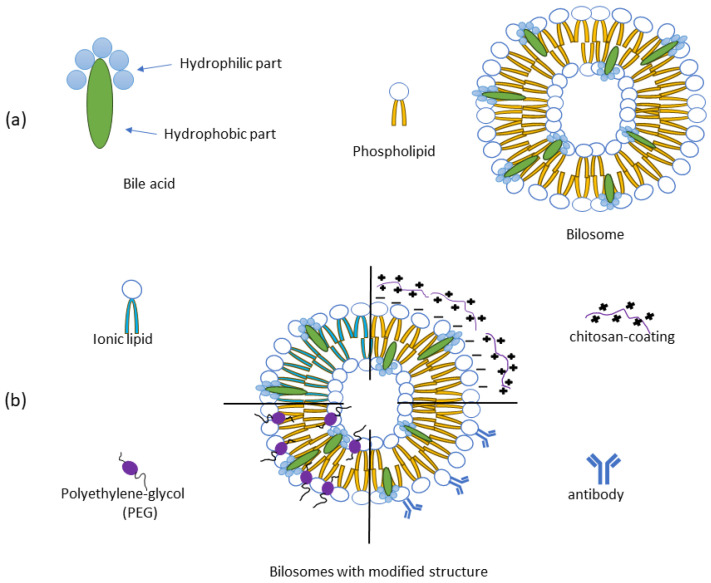 Fig.1 Schematic of bilosome structure.1,5
This unique incorporation of bile salts imparts several advantageous physicochemical properties:
Gastrointestinal Resistance
Bile salts are endogenous surfactants naturally found in the gastrointestinal (GI) tract. When they are integrated into the bilosome structure, they provide a protective layer that stabilizes the vesicle against the disruptive effects of endogenous bile salts and digestive enzymes, preventing premature drug release.
Membrane Flexibility
The presence of bile salts increases the elasticity and deformability of the vesicular membrane. This plasticity is crucial for transdermal delivery, allowing the nanocarrier to squeeze through narrow channels in the skin's stratum corneum barrier, a mechanism often referred to as enhanced skin penetration.
Adjuvant Properties
In vaccine delivery, bilosome components have shown inherent adjuvant properties, capable of stimulating both systemic and mucosal immune responses, often superior to traditional methods.
Literature confirms the successful use of Bilosomes to enhance the oral bioavailability of poorly absorbed drugs and improve the transdermal flux of topical agents, establishing them as an indispensable tool for challenging therapeutic programs.
Advanced Applications of Bilosome Delivery
The enhanced stability and improved permeability afforded by Bilosomes expand their utility across multiple therapeutic areas and administration routes:
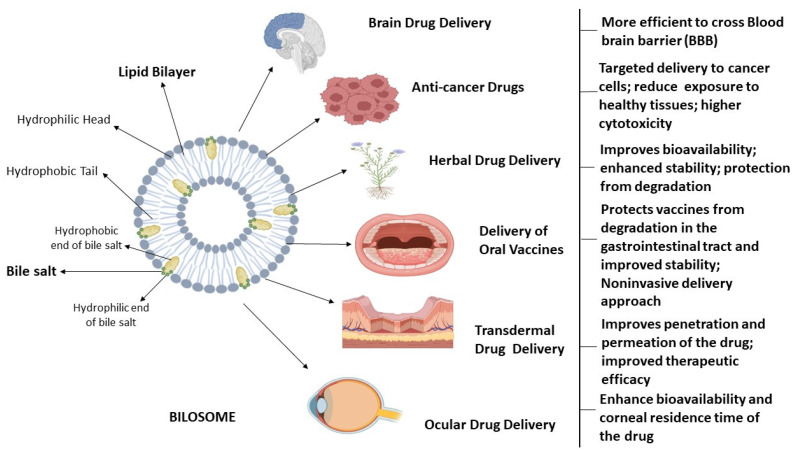 Fig.2 Bilosomes in therapeutic drug delivery.2,5
Oral Drug and Vaccine Delivery
Transdermal and Topical Delivery
For dermatological and localized treatments, Bilosomes significantly improve drug penetration across the skin barrier. Their high deformability allows them to successfully navigate the highly structured lipid layers of the stratum corneum, delivering therapeutic agents deep into the skin layers or into systemic circulation. This has been successfully applied to enhance the topical delivery of various anti-inflammatory, antifungal, and analgesic drugs.
Targeting Central Nervous System (CNS) Disorders
The ability of Bilosomes to traverse biological barriers has generated interest in neurological applications. By engineering the Bilosome surface, researchers can potentially facilitate the crossing of the Blood-Brain Barrier (BBB), offering a promising avenue for the targeted delivery of therapeutics for conditions like Alzheimer's disease or chronic pain management.
Antimicrobial and Anticancer Therapy
Bilosomes are effective in loading both hydrophilic and lipophilic agents, including potent anticancer drugs and antibiotics. By directing the drug selectively to the diseased tissue, Bilosomes minimize systemic exposure and reduce off-target toxicity, leading to a higher therapeutic index.
Practical Research Case Studies
Oral Delivery of Lipophilic Drugs
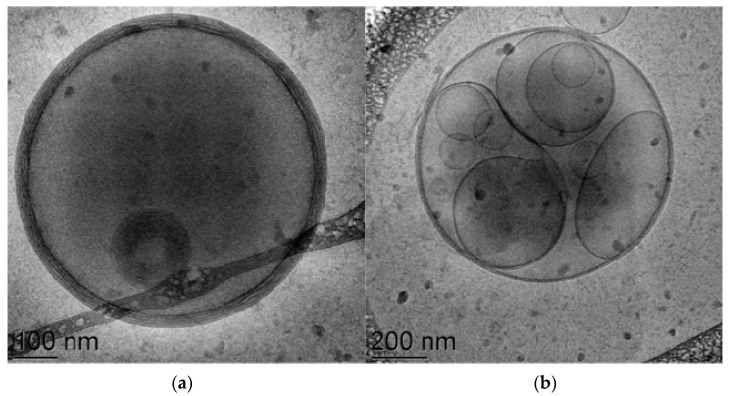
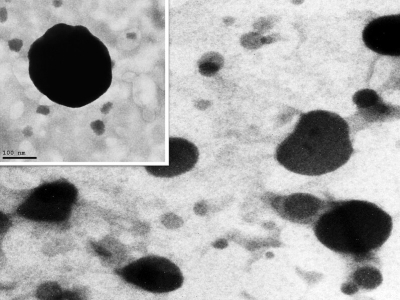
This study focused on using bilosomes and biloparticles to enhance the water solubility and oral delivery of the poorly soluble drug Budesonide, a corticosteroid. The formulations showed high encapsulation efficiency and stability. In vitro release tests demonstrated that bilosomes provided a sustained release of the drug in simulated gastrointestinal fluids. Immunofluorescence experiments confirmed that the ursodeoxycholic acid-based bilosomes effectively reduced inflammation in intestinal cells, suggesting promising potential for oral use in inflammatory bowel diseases.2,5
Improved Oral Bioavailability for Antidiabetics
Researchers developed berberine-loaded bilosomes (BER-BLS) to overcome the low oral absorption of the natural antidiabetic drug, berberine. Pharmacokinetic analysis in diabetic rats revealed a remarkable 6.4-fold increase in the drug's relative bioavailability when administered as BER-BLS compared to a simple solution. The optimized bilosomes were stable and demonstrated enhanced hypoglycemic activity, confirming that bilosomes are a highly effective oral nanoplatform for improving the systemic availability of challenging therapeutic compounds.3,5
What We Can Offer: Comprehensive Bilosome Development Services
Bilosomes, as advanced vesicular nanocarriers, address the critical limitations of conventional liposomes and niosomes, particularly their instability in the harsh biological environments of the gastrointestinal tract and skin. For your project, our Bilosome solutions translate directly into enhanced performance for your therapeutic cargo, whether it's a small molecule, a peptide, or a vaccine antigen.
We leverage the unique stabilizing properties of bile salts within the vesicular structure to deliver superior results:
Superior Bioavailability
By protecting the payload from enzymatic degradation in the gut, Bilosomes ensure more of your active pharmaceutical ingredient (API) reaches systemic circulation. For transdermal applications, their membrane flexibility and penetration-enhancing properties fluidize the stratum corneum, significantly boosting absorption.
Enhanced Stability
Our optimized Bilosome formulations exhibit exceptional chemical and physical stability, reducing leakage and extending the shelf-life of your final product, often without the need for strict cold-chain requirements common to other lipid carriers.
Customized Targeting
Beyond simple encapsulation, we engineer Bilosome surfaces with targeting ligands or functional groups to facilitate precise delivery to specific cells or tissues, maximizing therapeutic impact while minimizing off-target effects.
Our tailored Bilosomes-based Delivery Systems provide a robust, non-invasive platform that transforms challenging APIs into viable, high-performance therapies.
FAQs
How do these specialized vesicles compare to standard liposomes, especially for oral administration?
Standard lipid vesicles are highly susceptible to degradation and dissolution when they encounter the acidic environment of the stomach and the bile salts present in the intestine. These specialized vesicles overcome this major hurdle by incorporating natural bile salts into their structure. This integration protects the payload and enhances membrane flexibility, making them significantly more stable and effective for oral delivery and absorption.
My compound has low aqueous solubility. Can this nanocarrier system effectively increase its bioavailability?
Yes, absolutely. These systems are highly versatile and are capable of encapsulating both hydrophilic drugs within their aqueous core and lipophilic compounds within the lipid bilayer. For poorly soluble compounds, the nanocarrier protects the drug and facilitates its transport across biological membranes, which often results in dramatically improved absorption and overall bioavailability compared to a free drug suspension.
What is the typical size range, and can the nanocarrier size be customized for different applications?
The size of these vesicular carriers typically falls within the nano-range (e.g., 50 nm to 200 nm). Customization of size is a key feature of the formulation process. By adjusting the composition, preparation method, and sonication parameters, the vesicle size can be precisely controlled. This control is critical, as size often dictates the carrier's fate in vivo, influencing tissue distribution, lymphatic uptake, and the type of immune response generated.
We are looking for a non-invasive way to deliver a vaccine. How effective is this system for mucosal immunity?
This is one of the most compelling applications. By being resistant to GI degradation, these nanocarriers can effectively deliver antigens to the gut-associated lymphoid tissue (GALT), which is crucial for initiating a mucosal immune response. Furthermore, components of the nanocarrier itself have been shown to possess inherent properties that can enhance the immune-stimulating effect of the encapsulated antigen, leading to robust systemic and mucosal immunity.
What level of stability can I expect from these nanocarriers, and is cold-chain storage still necessary?
A significant advantage of incorporating bile salts is the substantial increase in physical and chemical stability compared to conventional lipid vesicles. This often allows the final formulation to be stored at room temperature or in a refrigerator for extended periods without significant leakage or degradation. While specific stability testing is required for every unique formulation, the use of bile salts frequently eliminates the critical reliance on a strict cold-chain, which greatly simplifies logistics and reduces costs.
Creative Biolabs is your trusted partner for developing high-performance Bilosomes-based Delivery Systems. We deliver bespoke nanocarrier solutions that overcome the stability and bioavailability challenges inherent in complex drug candidates, allowing your project to move swiftly from concept to clinical reality. Our comprehensive service ensures optimal formulation design, rigorous characterization, and successful scalability for oral, transdermal, and targeted therapeutic applications.
Reference
- Mitrović, Darko et al. "The Pharmaceutical and Pharmacological Potential Applications of Bilosomes as Nanocarriers for Drug Delivery." Molecules (Basel, Switzerland) vol. 30,5 1181. 6 Mar. 2025, https://doi.org/10.3390/molecules30051181
- Kaurav, Hemlata et al. "Emerging Trends in Bilosomes as Therapeutic Drug Delivery Systems." Pharmaceutics vol. 16,6 697. 23 May. 2024, https://doi.org/10.3390/pharmaceutics16060697
- Sguizzato, Maddalena et al. "Bilosomes and Biloparticles for the Delivery of Lipophilic Drugs: A Preliminary Study." Antioxidants (Basel, Switzerland) vol. 12,12 2025. 21 Nov. 2023, https://doi.org/10.3390/antiox12122025
- Elkomy, Mohammed H et al. "Bilosomes as a promising nanoplatform for oral delivery of an alkaloid nutraceutical: improved pharmacokinetic profile and snowballed hypoglycemic effect in diabetic rats." Drug delivery vol. 29,1 (2022): 2694-2704. https://doi.org/10.1080/10717544.2022.2110997
- Distributed under Open Access license CC BY 4.0, without modification.
Our services are For Research Use Only. We do not provide services to individuals.
Online Inquiry