
Solid tumors frequently exhibit an acidic microenvironment and over-rely on the endosomal pathway for internalization. Fliposomes are perfectly suited to capitalize on this, delivering cytotoxic agents like doxorubicin or methotrexate specifically to the tumor and releasing them efficiently into the cytoplasm after endosomal uptake, leading to higher therapeutic indices and reduced systemic toxicity. Specific studies have shown promising results against challenging indications like Triple-Negative Breast Cancer (TNBC).
Fliposome based Targeted Drug Delivery Solution
In the pursuit of next-generation drug delivery, overcoming biological barriers and ensuring precise therapeutic payload release are critical. Our Fliposomes-based Delivery Systems Solution helps you maximize therapeutic efficacy and minimize off-target effects through precise lipid bilayer engineering and stimuli-responsive modification. This advanced nanocarrier technology is specifically designed to meet the complex demands of modern biopharmaceuticals, offering superior stability and controlled release capabilities for sensitive therapeutics like nucleic acids and small molecules.
Click Here to View more about our Services
Introduction to Fliposomes-based Delivery Systems Solution
Fliposomes represent a sophisticated advancement in liposome technology, moving beyond conventional carriers to offer true stimulus-responsive functionality. A conventional liposome is a spherical vesicle composed of one or more concentric lipid bilayers, primarily used for passive targeting (Enhanced Permeability and Retention or EPR effect). Fliposomes, however, incorporate a unique, synthetic lipid component that acts as a pH-sensitive conformational switch.
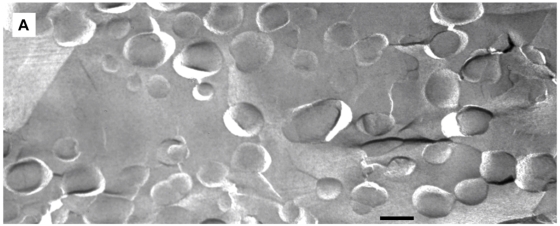 Fig.1 1/POPC/PEG-ceramide fliposomes.1
The mechanism is rooted in the structure of the specialized "flipid." For example, systems incorporating trans-2-aminocyclohexanol (TACH) or similar moieties are stable at physiological pH (≈7.4). When exposed to the lower pH of a pathological site, the key functional group (e.g., an amine nitrogen) is protonated. This protonation triggers a rapid conformational flip of the cyclohexanol ring, mechanically forcing the associated lipid tails to shorten and increase their spatial separation. This disruption instantly creates transient pores or destabilizes the bilayer, causing rapid and complete release of the encapsulated content. This targeted and instantaneous release addresses major limitations of traditional delivery systems that often suffer from premature leakage or inefficient release within the target cell.
Applications of Fliposomes Technology in Biopharma
The ability of Fliposomes to precisely control the timing and location of cargo release unlocks vast potential across numerous therapeutic areas, particularly where intracellular delivery or overcoming drug resistance is paramount.
Oncology and Anti-Cancer Therapeutics
Gene and Nucleic Acid Therapy
The successful delivery of nucleic acids (mRNA, siRNA, plasmid DNA) requires the carrier to protect the fragile payload in circulation and then efficiently escape the endosome. Fliposomes, through their acid-triggered membrane destabilization, facilitate rapid endosomal escape, protecting the genetic material from degradation by lysosomal enzymes.
Management of Inflammatory and Infectious Diseases
Areas of infection and inflammation are often characterized by localized changes in pH. Fliposomes can be designed to respond to these specific environmental cues, enabling site-specific delivery of anti-inflammatory or antimicrobial agents, thereby reducing the high doses typically required for systemic treatment.
Combination Therapies
The customizable nature of the fliposome surface allows for co-delivery of multiple therapeutic agents (e.g., a chemotherapeutic drug and a sensitizing small molecule) or modification with targeting ligands (like peptides or antibodies) to achieve active targeting alongside the passive targeting and stimuli-responsive release.
Practical Research Case Studies
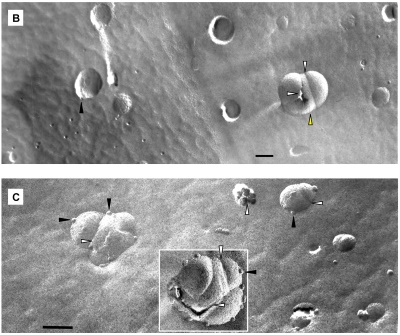
pH-Triggered Rapid Cargo Release
Fliposomes: pH-Sensitive Liposomes Containing a trans-2-morpholinocyclohexanol-Based Lipid That Performs a Conformational Flip and Triggers an Instant Cargo Release in Acidic Medium
Researchers synthesized a novel lipid containing a trans-2-morpholinocyclohexanol group, which was incorporated into liposomes to create true "Fliposomes." This lipid functions as a conformational switch, causing membrane disruption and an instantaneous cargo release (within seconds) below pH 5.5, mimicking the acidic environment of endosomes or tumors. This demonstrated an advanced method for delivering the anti-cancer drug methotrexate with significantly enhanced cytotoxicity in HeLa cells compared to the free drug.1
What We Can Offer: Comprehensive Fliposomes Development Services
At Creative Biolabs, we specialize in transforming the dynamic concept of Fliposomes into robust, clinically relevant delivery vehicles. The core challenge in targeted therapy is not just accumulation, but releasing the payload exactly when and where it is needed. Fliposomes, engineered with specialized lipids (often called "flipids"), provide a definitive solution by introducing a conformational switch into the nanocarrier membrane.
We assist your project by delivering systems that:
Ensure Stimuli-Responsive Release
Our Fliposomes formulations are primarily designed to exploit the subtle pH differences found in disease microenvironments, such as the mildly acidic milieu of solid tumors (pH≈6.5) or the late endosomes/lysosomes (pH≈5.0). Upon reaching this low pH, the "flipid" component undergoes a rapid conformational change, instantly destabilizing the membrane and releasing the cargo. This mechanism provides kinetic control far superior to passive release methods.
Enhance Intracellular Delivery
By leveraging the acidic environment of the endosome, Fliposomes accelerate endosomal escape, preventing payload degradation in the lysosome. This is particularly crucial for nucleic acid therapeutics (siRNA, mRNA) and certain small molecule drugs that act intracellularly.
Provide Full Customization
We do not offer off-the-shelf solutions. Every Fliposome formulation—from lipid composition (including Dipalmitoyl PC or custom trans-2-morpholinocyclohexanol-based lipids) to surface modification (PEGylation, polycation coating for enhanced stability/targeting)—is meticulously customized to your specific drug payload and target indication.
FAQs
How does a stimuli-responsive system, like a Fliposome, provide better control than a standard PEGylated liposome?
A conventional PEGylated liposome (stealth liposome) primarily relies on passive accumulation (EPR effect) and gradual leakage for release, which is non-specific and slow. A stimuli-responsive carrier incorporates a component that acts as a switch, causing an instantaneous and drastic change in membrane integrity only when a specific biological cue—like low pH at a tumor site—is detected. This localized, rapid burst of release dramatically increases the drug concentration precisely at the target tissue, boosting efficacy while minimizing systemic exposure and side effects.
Are there specific therapeutic agents that benefit most from this type of pH-triggered delivery?
Yes, any therapeutic agent that requires high concentrations within the cell cytoplasm to be effective, or is prone to degradation within the endosome/lysosome, is an ideal candidate. This includes sensitive biological macromolecules, such as nucleic acids (siRNA, mRNA), and certain small molecule chemotherapeutics that need to bypass efflux pumps or act directly on intracellular targets. The system ensures protection in the bloodstream and highly efficient release upon cell internalization.
What are the primary concerns regarding the stability of these advanced carriers, and how are they addressed?
The main concern is maintaining structural integrity at physiological pH (7.4) while ensuring immediate disruption at the target pH (≈5.5). Stability is addressed through careful selection of the main stabilizing lipids (like cholesterol and saturated phospholipids) and precise control over the molar ratio of the pH-sensitive lipid. We rigorously test for leakage and stability across various temperature and storage conditions for several months to guarantee a long shelf life and reliable performance in vivo.
How does the size of the final delivery system impact its function and biodistribution?
Size is a critical parameter. For targeted delivery via the EPR effect, nanocarriers must typically fall within the 60 nm to 150 nm range to efficiently accumulate in diseased tissues and avoid rapid clearance by the mononuclear phagocyte system (MPS). Our manufacturing processes are optimized to yield vesicles with a narrow, highly uniform size distribution, often through techniques like extrusion or microfluidics, which is crucial for achieving predictable pharmacokinetics and effective tissue penetration.
When comparing this technology to other stimulus-responsive systems (e.g., thermosensitive or enzyme-sensitive), what is its unique advantage?
The unique advantage of pH-sensitive Fliposomes lies in the ubiquity and magnitude of the pH gradient in disease. The pH drop from blood (7.4) to the late endosome (≈5.0) is significant and universal across multiple pathologies (tumors, inflammation). Furthermore, the release mechanism—the conformational flip of a designed lipid—is exceptionally fast, resulting in a near-instantaneous cargo release that is often superior to the slower, diffusion-limited release associated with some temperature- or enzyme-sensitive systems.
Creative Biolabs' Fliposomes-based Delivery Systems Solution provides a pivotal advantage for therapeutic developers seeking to enhance targeted action and control drug release with high precision. By focusing on bespoke formulation and advanced flipid chemistry, we offer the robust, responsive nanocarriers required to translate challenging molecules into successful clinical candidates.
Reference
- Samoshina, Nataliya M et al. "Fliposomes: pH-Sensitive Liposomes Containing a trans-2-morpholinocyclohexanol-Based Lipid That Performs a Conformational Flip and Triggers an Instant Cargo Release in Acidic Medium." Pharmaceutics vol. 3,3 379-405. 11 Jul. 2011, Distributed under Open Access license CC BY 4.0, without modification. https://doi.org/10.3390/pharmaceutics3030379
Our services are For Research Use Only. We do not provide services to individuals.
Online Inquiry