

This is the most prominent application. The tumor microenvironment (TME) is often rich in specific proteases, notably Matrix Metalloproteinases (MMPs) such as MMP-2 and MMP-9, which are crucial for cancer invasion and metastasis. ERTD systems engineered with MMP-cleavable peptides can release highly potent cytotoxic drugs precisely within the TME, maximizing tumor cell killing while minimizing damage to surrounding healthy tissue.
Enzyme-Responsive Delivery Solution for Targeted Drug Delivery
In the pursuit of groundbreaking therapies, the journey from a promising molecule to a viable treatment often stalls at a single, formidable obstacle: systemic toxicity and a lack of site-specific activation. Protecting fragile nucleic acids and guiding therapeutics to their precise site of action are challenges that can make or break a project. Creative Biolabs' Enzyme-Responsive Targeted Delivery system offers the decisive solution, helping you maximize therapeutic index and streamline clinical translation through advanced nanocarriers engineered for biochemical specificity.
Click Here to View more about our Service
Introduction of Enzyme-Responsive Targeted Delivery
Enzyme-Responsive Targeted Delivery (ERTD) is a sophisticated strategy within nanomedicine that utilizes the differences in enzyme activity and concentration between healthy and pathological tissues as a biological trigger. Disease states, particularly cancer, inflammation, and infection, are often characterized by the overexpression or unique compartmentalization of specific enzyme classes, such as proteases, lipases, glycosidases, and oxidoreductases.
The core of ERTD involves integrating an enzyme-sensitive component—typically a peptide sequence or a chemical linker—into the nanocarrier's structure (e.g., liposome, polymeric micelle, or nanoparticle). This linkage is stable in the neutral, low-enzyme environment of the bloodstream. However, upon accumulation at the target site (often facilitated by passive targeting mechanisms like the Enhanced Permeability and Retention (EPR) effect), the high local concentration of the target enzyme catalyzes the cleavage of the sensitive linkage.
This cleavage reaction leads to a transformative event in the carrier structure, such as:
Hydrophobic-to-Hydrophilic Shift
Cleavage destabilizes the carrier assembly, leading to rapid disintegration and drug release.
Uncaging/Activation
Cleavage removes a protective or masking group, either activating a prodrug or exposing a targeting ligand to facilitate cellular internalization.
Matrix Degradation
Enzymes specifically break down the nanocarrier matrix itself (e.g., enzyme-responsive hydrogels), releasing the encapsulated cargo in a controlled manner.
This mechanism ensures spatial and temporal control over drug release, moving therapeutic candidates from merely accumulating at the target site to actively activating only at the site of disease. This precise biochemical targeting capability is what sets ERTD apart as a hallmark of precision nanomedicine.
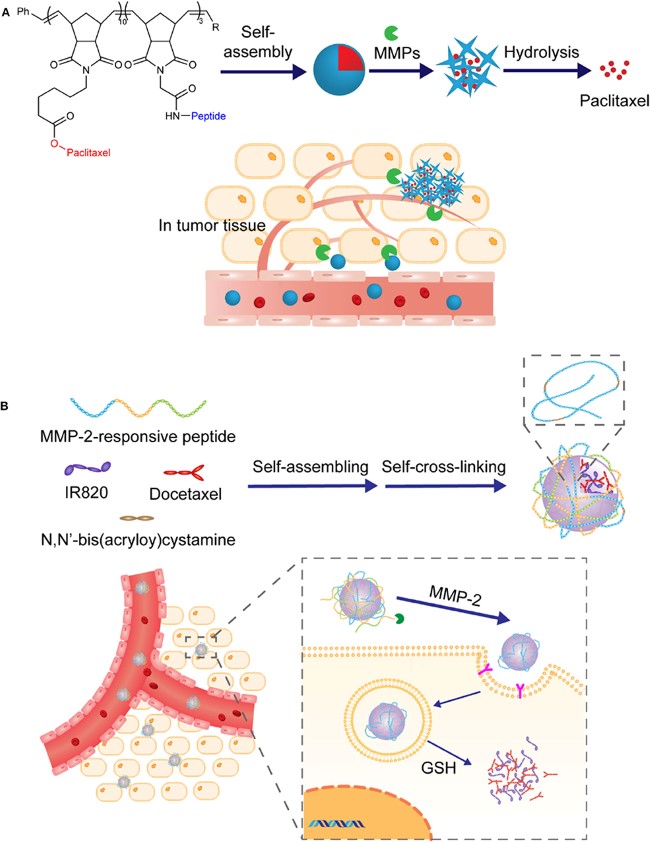 Fig.1 Enzyme-Responsive Targeted Delivery.1
Common Enzyme-Responsive Nanomaterials
Our platform utilizes a range of advanced materials, functionalized with enzyme-cleavable moieties, to construct high-performance ERTD systems:
| Material | Introduction |
|---|---|
| Enzyme-Responsive Liposomes | Lipid bilayers are stabilized by enzyme-cleavable head groups or phospholipids. Cleavage by specific lipases (e.g., PLA2) or phospholipases destabilizes the membrane, triggering rapid content release. |
| Polymeric Micelles and Nanoparticles | The polymer backbone or the cross-linking agents are incorporated with peptide sequences (e.g., MMP-2 substrates) or other sensitive chemical bonds. Enzymatic cleavage leads to polymer degradation, micelle disassembly, and cargo liberation. |
| Prodrug Conjugates | Drugs are directly attached to carrier molecules or targeting ligands via an enzyme-sensitive bond. The enzyme acts as a catalyst to release the active drug molecule, effectively creating a pro-drug system that only activates at the lesion. |
| Hydrogels and Mesoporous Silica Nanoparticles (MSNs) | These carriers use enzyme-sensitive linkers as "gates" to hold the drug inside the pores or matrix. Cleavage of the gatekeepers by the target enzyme opens the structure, facilitating drug outflow. |
Applications of Enzyme-Responsive Systems
The high specificity of enzyme-substrate recognition makes ERTD a powerful tool across several complex therapeutic areas, enabling precise drug action where it is most needed.
Oncology (Cancer Therapy)
Inflammatory Diseases
Chronic inflammation, such as in arthritis or atherosclerosis, involves the local upregulation of enzymes like phospholipase A2 (PLA2) or elastase. ERTD carriers can be designed to respond to these inflammatory signals, delivering anti-inflammatory agents or immunosuppressants directly to the inflamed joint or vascular lesion.
Infectious Diseases
In the context of bacterial or fungal infections, ERTD can exploit pathogen-derived enzymes that are unique to the invading microorganism. For example, systems responsive to β-lactamase can be designed to activate antibiotics selectively in the presence of antibiotic-resistant bacteria, overcoming resistance mechanisms.
Cardiovascular Interventions
ERTD systems utilizing MMP-responsive polymers have shown promise in delivering therapeutics to the infarcted myocardium (heart attack site), where inflammatory enzymes are transiently overexpressed following injury, offering a mechanism for prolonged retention and localized treatment.
What We Can Offer
At Creative Biolabs, we move beyond passive delivery systems. Our Enzyme-Responsive Targeted Delivery (ERTD) platform is built on the principle of biological specificity, ensuring that drug payloads are released only upon encountering the unique biochemical signature of a diseased tissue, such as a tumor, inflammation site, or infectious lesion.
Specific Deliverables and Key Problem-Solving Capabilities:
Minimizing Off-Target Effects
We engineer nanocarriers with enzyme-cleavable linkages that remain inert in the systemic circulation. This dramatically reduces drug exposure to healthy tissues, resolving major systemic toxicity concerns associated with potent therapeutics.
Enhancing Bioavailability
By stabilizing vulnerable payloads (like nucleic acids or unstable small molecules) within the nanocarrier, we ensure the drug remains intact until it reaches the high-enzyme-activity target microenvironment, significantly improving the effective dose delivered to the diseased site.
Customized Activation Profiling
We don't offer a one-size-fits-all solution. Our specialists design the carrier composition and the specific enzyme-labile linker based on the target pathology's unique enzyme expression profile (e.g., MMPs in tumors, elastase in inflammation), providing true "on-demand" release kinetics essential for optimal pharmacodynamics.
Broad Payload Compatibility
Our platform supports diverse payloads, including small-molecule cytotoxic agents, proteins, peptides, and gene therapies (siRNA, mRNA, plasmid DNA), making ERTD a versatile tool for various therapeutic modalities.
We empower our clients to overcome the limitations of conventional drug delivery.
FAQs
How do these delivery systems maintain stability throughout the body but release the drug effectively at the target site?
The core principle relies on a difference in enzyme activity. The nanocarrier is designed with a chemical bond or peptide sequence that is highly stable in the low-enzyme environment of the blood and healthy tissue. At the disease site—such as a tumor—a specific enzyme (like a matrix metalloproteinase or phosphatase) is significantly overexpressed. This high local concentration of the enzyme acts as a biochemical 'key' that rapidly cleaves the specific 'lock' on the carrier, causing it to destabilize and release the payload on demand.
What type of therapeutic molecules are best suited for this responsive delivery strategy?
Systems that require high localized concentration to be effective, or that suffer from poor stability or high systemic toxicity, are ideal. This includes potent cytotoxic small molecules, sensitive nucleic acid therapies (mRNA, siRNA) that degrade quickly, and peptides or proteins that are rapidly cleared from circulation. The strategy is particularly effective when the disease is characterized by a unique and measurable biochemical signature.
Are there any concerns about premature drug release caused by non-target enzymes in the liver or bloodstream?
This is a critical concern addressed during the design phase. We mitigate premature release by utilizing highly specific enzyme substrates that are selective for the target enzyme (e.g., MMP-2) over common, ubiquitous circulating enzymes (e.g., esterases or general hydrolases). Furthermore, incorporating protective elements like PEGylation helps shield the responsive linker from non-specific degradation during prolonged circulation.
How do these delivery systems compare to traditional pH-responsive or temperature-responsive carriers?
While pH and temperature systems rely on broad physical differences, enzyme-responsive systems offer superior biochemical specificity. The concentration gradient of a specific enzyme (like a tumor-associated protease) between diseased and healthy tissue is often much sharper and more unique than the slight pH drop in tumors. This higher level of selectivity generally translates to better target engagement and reduced off-target effects.
What is the initial step required to evaluate if this delivery strategy is right for my therapeutic candidate?
The first step is typically a detailed analysis of your therapeutic target and the associated disease microenvironment. We would need to identify which enzymes are overexpressed or uniquely present in your specific pathological condition. Once the biochemical trigger is confirmed, we can propose a rational design for the nanocarrier and the specific enzyme-labile linker to maximize the responsive payload release.
Enzyme-Responsive Targeted Delivery represents the future of high-precision nanomedicine. Creative Biolabs stands ready to partner with you, leveraging our 20+ years of expertise and proprietary ERTD platform to design, develop, and validate a highly selective delivery system for your critical therapeutic candidates. We offer the precision engineering and comprehensive support necessary to convert biological differences into therapeutic advantages.
Reference
- Li, Mengqian et al. "Enzyme-Responsive Nanoparticles for Anti-tumor Drug Delivery." Frontiers in chemistry vol. 8 647. 30 Jul. 2020, Distributed under Open Access license CC BY 4.0, without modification. https://doi.org/10.3389/fchem.2020.00647
Our services are For Research Use Only. We do not provide services to individuals.
Online Inquiry