
Tumor tissues often exhibit high metabolic activity and reduced oxygen levels (hypoxia), both of which contribute to excessive ROS generation by mitochondria and NADPH oxidase. ROS-responsive nanocarriers are widely applied to encapsulate traditional cytotoxic drugs (like Doxorubicin or Paclitaxel). The specific release at the tumor site enhances local drug concentration, overcoming issues of multidrug resistance and improving overall anti-tumor efficacy, as supported by published data on various polymeric and lipid-based systems.
Reactive Oxygen Species (ROS) Responsive Delivery Solution for Targeted Drug Delivery
The quest for next-generation therapeutics hinges on precision, and traditional delivery systems often fail to protect payloads or target diseased tissue effectively. Our Reactive Oxygen Species (ROS) Responsive Targeted Delivery solutions help you significantly enhance therapeutic efficacy and minimize off-target toxicity through innovative nanocarrier platforms engineered for smart, on-demand drug release precisely at the pathological site.
Click Here to View more about our Service
Introduction of ROS Responsive Targeted Delivery
Reactive Oxygen Species (ROS) are a collective term for highly reactive molecules derived from oxygen, including free radicals (O2-, OH) and non-radical species (H2O2, 1O2). At low, basal levels, ROS are essential signaling molecules involved in cell proliferation, differentiation, and immune response. However, chronic or acute diseases, such as solid tumors, rheumatoid arthritis, and ischemic-reperfusion injury, disrupt the body's redox homeostasis, leading to significantly elevated, pathological concentrations of ROS, a state known as oxidative stress.
This aberrant biochemical signature—often 10- to 100-fold higher than in normal tissue—makes ROS a highly specific, endogenous stimulus for drug delivery. ROS-responsive drug delivery systems (DDSs) capitalize on this contrast. They are "smart" or "stimuli-responsive" nanocarriers designed to remain inert during systemic circulation but undergo a dramatic chemical or physical transformation upon encountering the high ROS levels characteristic of the disease site.
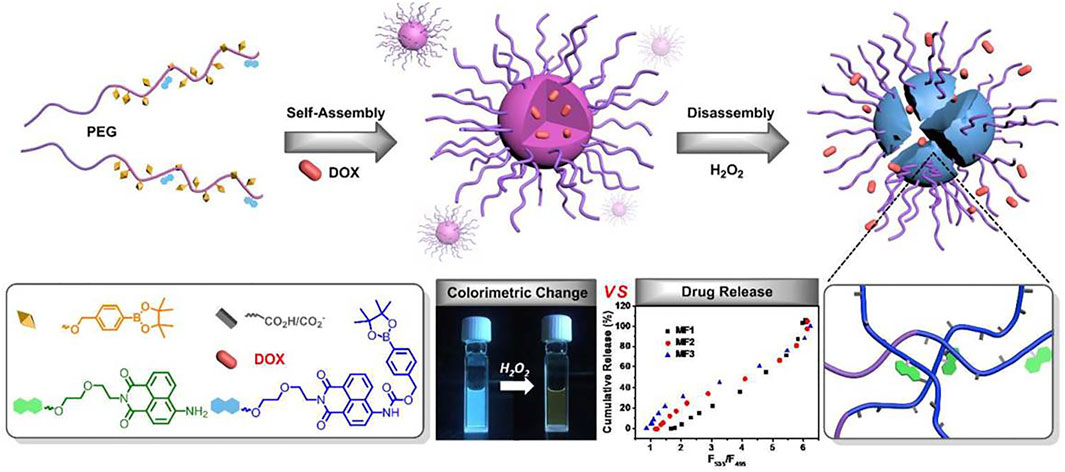 Fig.1 A kind of ROS-responsive NPs delivery system.1
Mechanisms of ROS-Triggered Release
The primary function of a ROS-responsive nanocarrier is to convert a chemical stimulus (ROS oxidation) into a physical event (drug release). This transformation is typically achieved through one of three mechanisms:
Solubility Switching
Certain polymers, such as poly(propylene sulfide) or selenium-containing polymers, are hydrophobic in their native state. Upon oxidation by ROS, they transform into hydrophilic counterparts (sulfoxide or sulfone), causing the nanocarrier shell to swell or disassemble and release the drug.
Cleavage and Degradation
Materials containing specific ROS-labile bonds, like thioketal or diselenide, can be cleaved by H2O2. This cleavage breaks the structural integrity of the polymer backbone or cross-linking within the carrier, leading to rapid degradation and cargo discharge.
Prodrug Activation
The therapeutic agent itself can be linked to the carrier via an ROS-cleavable linker (e.g., arylboronic ester). ROS specifically cleaves this linker, activating the prodrug at the target site.
Key ROS Responsive Materials
The choice of responsive material is critical for tuning sensitivity and release kinetics. Creative Biolabs employs a variety of established and novel chemistries to optimize delivery for diverse payloads:
| Material | Introduction |
|---|---|
| Sulfur-Containing Compounds (Thioethers/Thioacetals/Thioketals) | These are the most common and robust triggers. The oxidation of the thioether group to hydrophilic sulfoxide or sulfone triggers carrier disassembly, while thioketal linkages offer excellent stability and rapid cleavage in the presence of H2O2. |
| Boronic Acid/Ester Derivatives | Phenylboronic acid-based groups are highly sensitive to H2O2 and are used to construct polymer chains or cross-linkers that are rapidly degraded upon oxidation. |
| Selenium and Tellurium Compounds | The oxidation of selenide/telluride linkages to selenone/tellurone induces a rapid hydrophobic-to-hydrophilic transition, often providing a faster response compared to their sulfur-based counterparts. |
| Vinyl Ethers and Cinnamate Derivatives | These groups are susceptible to ROS-induced degradation, which can be leveraged for specific payload release mechanisms. |
Application of ROS-Responsive Drug Delivery Systems
The ability to achieve localized, on-demand drug release makes ROS-responsive systems highly versatile across a range of pathologies characterized by oxidative stress.
Enhanced Cancer Chemotherapy
Treatment of Chronic Inflammatory Diseases
Inflammatory conditions, such as inflammatory bowel disease (IBD), atherosclerosis, and rheumatoid arthritis, involve the accumulation of immune cells (like activated macrophages and neutrophils) that actively generate large amounts of H2O2 and other ROS as part of the immune response. ROS-responsive delivery systems can deliver anti-inflammatory drugs or immunosuppressants specifically to these inflamed areas, providing localized symptom relief and disease modulation without the side effects associated with systemic administration.
Combination Therapy and Theranostics
ROS-responsive platforms are frequently used in combination therapies. For instance, they can be designed to release a chemotherapeutic agent and a photosensitizer simultaneously. Upon light irradiation, the photosensitizer generates singlet oxygen, which is itself a ROS, further amplifying the stimulus and creating a "self-catalytic" or cascade release loop for an even higher, localized drug dose. Furthermore, by incorporating ROS-sensitive imaging agents, these systems can function as theranostics, enabling real-time monitoring of drug release and therapeutic effect in vivo.
What We Can Offer: Our Custom ROS-Responsive Delivery Services
The core challenge in advanced drug development lies in achieving a high therapeutic index—maximizing drug concentration at the diseased site while minimizing systemic exposure. This is particularly difficult in conditions like cancer, inflammation, and neurodegeneration, which are characterized by an abnormal microenvironment.
Our ROS-Responsive Targeted Delivery approach solves this by exploiting the elevated levels of reactive oxygen species (ROS), such as hydrogen peroxide (H2O2) and superoxide (O2-), that are universally present in pathological tissues but minimal in healthy cells. We integrate chemically sensitive elements—like thioketals, thioethers, or arylboronic acids—into nanocarriers (e.g., liposomes, polymeric micelles, or nanoparticles). When these nanocarriers encounter the high ROS concentration at the target site, the sensitive linkage undergoes an oxidation reaction, leading to a programmed structural change. This change can be a hydrophobic-to-hydrophilic phase transition, a bond cleavage, or carrier degradation, which in turn triggers the rapid, controlled release of the encapsulated therapeutic payload.
Specific Deliverables and Solutions:
Enhanced Drug Specificity
Release is confined to the high-ROS disease microenvironment, preventing premature cargo release in circulation and protecting healthy tissues from cytotoxic agents.
Optimal Therapeutic Dosing
By improving localized drug bioavailability, a lower systemic dose can be administered, translating to reduced systemic toxicity and improved patient safety profile.
Custom Nanocarrier Design
We deliver optimized, stable, and scalable nanocarrier formulations (liposomes, polymeric micelles, inorganic nanoparticles) functionalized with the specific ROS-sensitive chemistry best suited for your drug and target pathology.
In vitro and In vivo Validation
Provision of robust data demonstrating ROS-triggered release kinetics and superior anti-pathology efficacy in relevant cell and animal models.
FAQs
What is the primary advantage of using a ROS-responsive nanocarrier compared to a standard (non-responsive) nanocarrier like PEGylated liposomes?
Standard nanocarriers rely solely on passive accumulation, which can result in low, inefficient drug release at the target site, leading to limited efficacy. ROS-responsive systems offer a crucial layer of control: they accumulate passively, but the drug release is then actively triggered by the pathological environment's high ROS levels. This ensures rapid, high-concentration payload release directly within the diseased tissue, drastically improving therapeutic outcomes and reducing systemic drug exposure.
How do you ensure the nanocarrier remains stable in normal, healthy tissue circulation environments?
Stability is paramount. The responsive element is meticulously selected and integrated to have a reaction threshold significantly higher than the physiological ROS levels found in normal blood and tissue. We utilize highly stable chemical linkages (like specific thioketals or selenides) and optimize the carrier's structural integrity (lipid composition, polymer density) to prevent premature leakage, guaranteeing stability during prolonged systemic circulation.
Are these delivery systems suitable for large biological molecules, such as mRNA or therapeutic antibodies?
Absolutely. The carrier size and composition can be tailored to encapsulate various large biomolecules. For nucleic acids like mRNA, we focus on engineering the core and surface chemistry (often using ionizable lipids or cationic polymers) in conjunction with the ROS-responsive trigger to ensure effective packaging, protection, and, critically, efficient endosomal escape upon reaching the high-ROS target site.
What is the main consideration when designing the ROS-responsive component for a specific disease, such as cancer versus acute inflammation?
The key consideration is the specific type and concentration of ROS present. Different diseases produce different dominant ROS species (e.g., higher H2O2 in some tumors, versus higher hypochlorite in acute inflammation). Our design process involves matching the responsive chemical moiety's sensitivity and kinetics to the specific ROS profile of your target pathology to ensure optimal triggering speed and efficacy.
Could the products generated from the ROS-triggered degradation of the nanocarrier be toxic?
The carrier components are designed with biocompatibility and clearance in mind. We prioritize materials that degrade into non-toxic, easily metabolized, or readily excretable small molecules. For instance, many polymeric systems degrade into benign, naturally occurring byproducts like aldehydes or ketones, minimizing the risk of secondary toxicity from the carrier itself after drug release.
Creative Biolabs is your trusted partner for engineering cutting-edge, ROS-Responsive Targeted Delivery systems that maximize therapeutic efficacy through environmental-specific drug release. We provide end-to-end expertise in custom linker chemistry, nanocarrier formulation (liposomes, polymeric systems), payload encapsulation (small molecules and biologics), and rigorous in vitro and in vivo validation. Our goal is to move your most challenging therapeutic candidates closer to the clinic by solving the problem of targeted delivery with intelligent, stimuli-responsive technology.
Reference
- Liu, Jiaxue et al. "Reactive oxygen species-responsive polymer drug delivery systems." Frontiers in bioengineering and biotechnology vol. 11 1115603. 2 Feb. 2023, Distributed under Open Access license CC BY 4.0, without modification. https://doi.org/10.3389/fbioe.2023.1115603
Our services are For Research Use Only. We do not provide services to individuals.
Online Inquiry