Precise quantification of the HMW ADIPOQ isoform offers advanced screening capabilities for individuals at high risk of developing T2D and Metabolic Syndrome. This allows researchers to segment patient cohorts based on true insulin-sensitizing capacity, rather than just total adiposity.
Creative Biolabs provides comprehensive ADIPOQ analysis services for worldwide clients. The bioanalytical laboratory at Creative Biolabs can develop and validate methods to analyze ADIPOQ in various matrixes such as cell supernatant, plasma, serum, urine, and tissue. Over the past years, we have performed bioanalytical method development for different biomarkers by expression analysis, protein interaction analysis, gene mutation analysis, polymorphism analysis, and so forth.
Introduction of ADIPOQ
ADIPOQ, or adiponectin, is an abundant protein hormone belonging to the adipokine family, expressed predominantly by adipocytes and circulating as the most prolific adipokine in human plasma. It is a pivotal regulator of lipid and glucose metabolism, acting as a potent insulin-sensitizing hormone with anti-diabetic, anti-inflammatory, and anti-atherogenic properties. Structurally, ADIPOQ exists in three multimeric forms (LMW, MMW, HMW), with the HMW isoform being recognized as the major active form, mediating the majority of its beneficial metabolic effects.
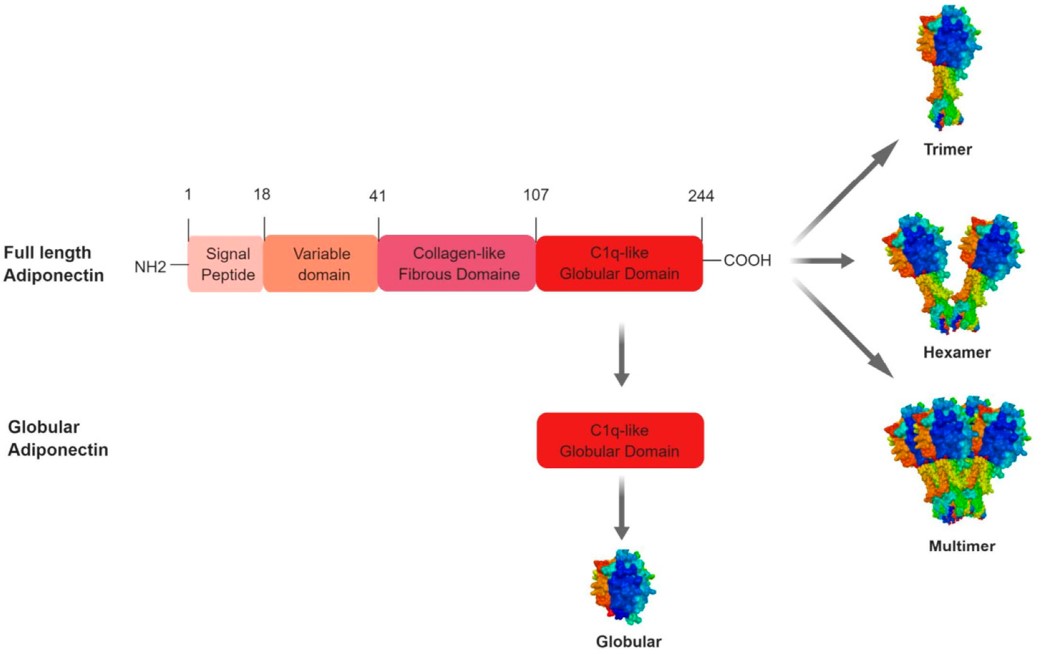 Fig.1 Structural and signaling roles of ADGRL1.1
The clinical significance of ADIPOQ is complicated by genetic factors. Polymorphisms in the ADIPOQ gene, such as the rs266729 SNP, are linked to lower protein levels and increased susceptibility to chronic diseases like type 2 diabetes (T2D) and cancers. Decreased serum ADIPOQ is inversely associated with inflammation and tumor development. Research also highlights its critical role in cellular homeostasis: functional loss alongside Aldehyde Dehydrogenase 2 (ALDH2) synergistically contributes to multisystem abnormalities, including hematopoietic failure.
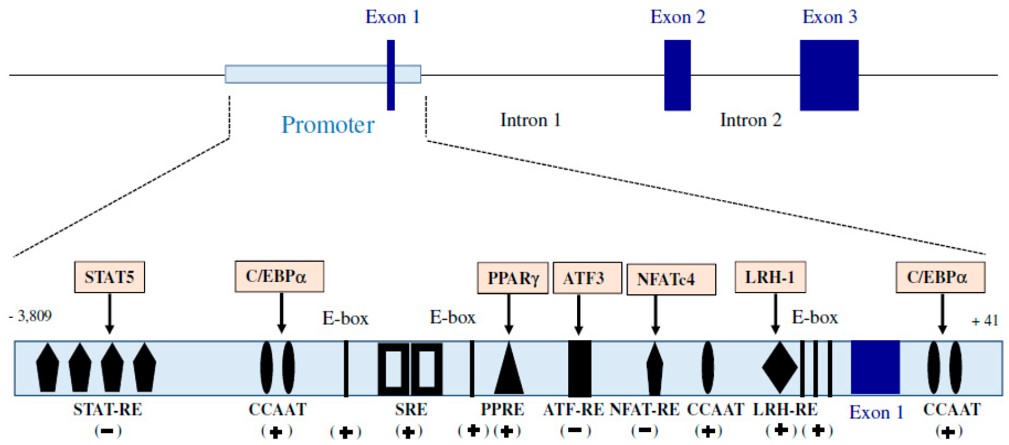 Fig.2 Diagrammatic representation of the ADIPOQ gene and its regulatory promoter region.1
ADIPOQ Analysis Services at Creative Biolabs
Creative Biolabs provides extensive, customized ADIPOQ analysis across gene and protein levels. We specialize in rigorously validating assays to precisely quantify the biologically active HMW oligomer. This high-resolution data is critical for determining therapeutic mechanism of action (MOA) and target engagement, thereby mitigating risk during drug development.
Our comprehensive services include but are not limited to, the following:
- LC-MS/MS Analysis
Gold-standard, high-resolution quantification of ADIPOQ oligomeric forms (HMW, MMW, LMW) via absolute peptide measurement.
- Sandwich ELISA
High-throughput immunoassay for total ADIPOQ quantification.
- Chemiluminescent Immunoassay (CLIA)
High-sensitivity immunoassay for low-concentration samples.
- RNA and Gene Expression Analysis
qPCR and sequencing-based analysis of ADIPOQ mRNA levels.
- Analysis of DNA Polymorphisms
Genotyping for SNPs such as rs266729 and rs3774262.
- Methylation Analysis
Epigenetic profiling of the ADIPOQ promoter region.
Service Workflow
Our ADIPOQ analysis service employs a robust, phased workflow, ensuring analytical integrity and client satisfaction.
01Consultation and Strategy Design
The process starts with a detailed consultation to define client objectives and specific matrix needs. Our expert team uses this information to select the optimal analytical platform for ADIPOQ analysis.
02Method Development and Validation
Our bioanalytical lab custom-develops or validates the selected method. This crucial phase ensures the assay meets strict criteria for linearity, specificity, and reproducibility required for clinical-grade biomarker analysis.
03Sample Processing and Quantification
Once client materials are received, standardized methods are immediately applied to preserve ADIPOQ integrity and oligomeric state. Highly trained technicians then execute the validated ADIPOQ analysis protocols using state-of-the-art instrumentation.
04Final Data Delivery and Reporting
Raw data undergoes rigorous quality control and statistical analysis. Clients receive a comprehensive final report detailing quantified ADIPOQ levels, method validation parameters, and an expert interpretation of the biomarker findings relevant to their study endpoints.
Applications
Personalized Metabolic Risk Assessment
Cardiovascular Disease Prognostics
ADIPOQ is key in vascular protection. Our analysis aids in risk stratification for atherosclerosis and coronary artery disease (CAD) by assessing endothelial function and systemic inflammation, providing powerful data for drug candidates targeting vascular health.
Monitoring Therapeutic Efficacy
ADIPOQ levels, particularly the HMW fraction, serve as a critical pharmacodynamic biomarker for therapeutic monitoring. Researchers can accurately track the mechanism of action and dose response of insulin sensitizers (like TZDs) and other metabolic modulators.
Cancer-Metabolism Interrogation
The inverse correlation between low ADIPOQ levels and hormone-sensitive cancers (e.g., breast, prostate) means ADIPOQ analysis offers valuable insights into cancer-metabolism crosstalk, supporting the identification of novel diagnostic markers and informing targeted oncology approaches.
Service Highlights
- Precision Oligomer Quantification: We provide absolute quantification of the highly active HMW ADIPOQ isoform, ensuring that all findings reflect true biological activity rather than inactive forms.
- Custom Matrix Validation: We perform rigorous method validation on client-specific matrices (e.g., plasma, synovial fluid, tissue extract) to eliminate interference and ensure the highest data quality regardless of sample origin.
- Integrated Genomic Insights: The service seamlessly integrates protein quantification with ADIPOQ gene analysis, including SNP and methylation profiling, providing a complete picture of gene-protein dysregulation.
FAQs
-
How does the quantification of High Molecular Weight (HMW) ADIPOQ improve the predictability of clinical outcomes?
The quantification of HMW ADIPOQ improves the predictability because this specific isoform is known to be the most biologically active form responsible for mediating beneficial anti-diabetic and anti-inflammatory effects in the body, offering a better marker of functional insulin sensitivity.
-
Can your service integrate the ADIPOQ protein quantification data with genetic polymorphism data, such as the rs266729 SNP?
Yes, our service can integrate the ADIPOQ protein quantification data with genetic polymorphism data because we offer parallel services for DNA genotyping and methylation analysis, allowing us to correlate circulating protein levels directly with underlying genetic regulatory factors for comprehensive insight.
-
What steps do you take to minimize inter-assay variability when performing ADIPOQ analysis on a longitudinal study with samples collected over several years?
We take significant steps to minimize inter-assay variability by utilizing stable isotope-labeled internal standards during every LC-MS/MS run, which corrects for matrix effects and instrument drift across time points, ensuring the long-term integrity and comparability of the longitudinal data set.
-
If a client suspects their samples have high levels of interfering substances, how do you adjust the analysis to ensure reliable ADIPOQ measurement?
If a client suspects their samples contain high levels of interfering substances, we adjust the analysis by implementing rigorous sample cleanup procedures and utilizing the highly selective separation capabilities of the Liquid Chromatography (LC) front-end, which effectively isolates ADIPOQ peptides from the complex sample matrix prior to detection.
-
We are interested in the functional implication of ADIPOQ/ALDH2 loss in our model; can your analysis support this specific research objective?
Yes, our analysis can support this specific research objective because our integrated approach allows for the parallel quantification of ADIPOQ levels alongside gene expression and functional assays for related detoxification enzymes, providing the precise molecular data required to map complex synergistic pathways.
If you are interested in our services at Creative Biolabs, please contact us for more information.
Reference
- Barbe, Alix, et al. "Mechanisms of adiponectin action in fertility: an overview from gametogenesis to gestation in humans and animal models in normal and pathological conditions." International journal of molecular sciences 20.7 (2019): 1526. Distributed under Open Access license CC BY 4.0, without modification. https://doi.org/10.3390/ijms20071526
For Research Use Only.