Are you seeking groundbreaking solutions for anxiety treatment? Anxiety disorders present complex challenges, from limited drug effectiveness to significant side effects. At Creative Biolabs, we understand these hurdles. Our advanced lipid-based drug delivery systems offer a revolutionary approach, enhancing drug bioavailability, ensuring precise brain delivery, and minimizing off-target effects. Discover how our innovative solutions can transform your research and accelerate the development of more effective and safer anxiolytic therapies.
Anxiety is characterized by excessive worry, fear, and apprehension, significantly impairing daily functioning. Their complex pathophysiology involves dysregulation of key neurotransmitter systems, particularly gamma-aminobutyric acid (GABA), serotonin, and noradrenaline, along with alterations in brain circuits like the amygdala, prefrontal cortex, and hippocampus.
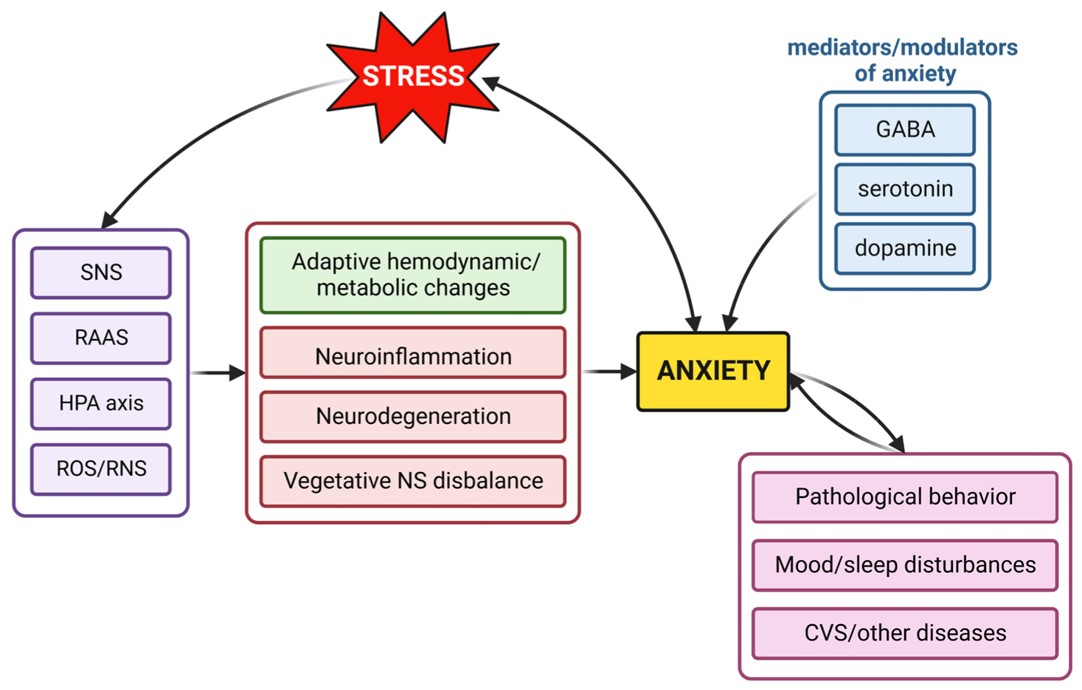 Fig. 1 Proposed mechanisms of anxiety development.1,3
While pharmacotherapy remains a cornerstone of treatment, conventional anxiolytics face critical limitations:
These multifaceted challenges highlight the pressing need for advanced drug delivery strategies that can overcome these pharmacokinetic and pharmacodynamic shortcomings, paving the way for more effective and tolerable anxiety treatments.
Melatonin, a pleiotropic neurohormone predominantly synthesized and secreted by the pineal gland—a small endocrine structure within the brain—is also produced in smaller quantities by peripheral tissues such as the retina, bone marrow, and gastrointestinal tract. Its biosynthesis begins with the essential amino acid tryptophan, which is first converted to serotonin, and subsequently acetylated and then methylated to form melatonin. It exerts its diverse physiological effects, which include the regulation of circadian rhythms, sleep, and mood, primarily through the activation of specific G-protein coupled receptors.
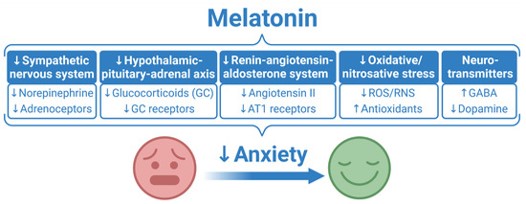 Fig. 2 The proposed mechanisms contributing to anxiolytic effect of melatonin.1,3
Melatonin has garnered significant interest for its therapeutic potential in anxiety management, attributed to its anxiolytic, hypnotic, and neuroprotective properties. Despite its promising therapeutic profile, the clinical utility of melatonin as a standalone anxiolytic is significantly hampered by its unfavorable pharmacokinetic properties:
These limitations underscore a critical need for advanced drug delivery systems that can enhance melatonin's bioavailability, prolong its half-life, and significantly improve its brain penetration. Lipid-based drug delivery systems offer a sophisticated and highly effective solution to these challenges, enhancing the therapeutic effect of melatonin on anxiety by protecting it from premature degradation, increasing its systemic exposure, and facilitating its targeted and sustained delivery to the brain.
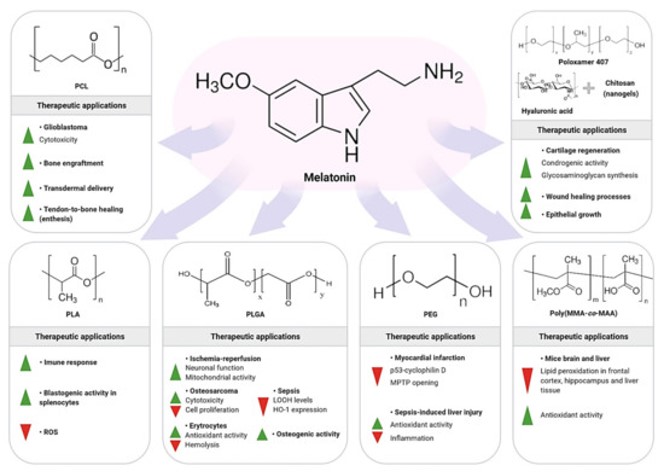 Fig. 3 The incorporation of melatonin into multiple drug delivery systems provides a favorable biological response.2,3
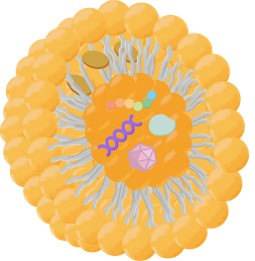
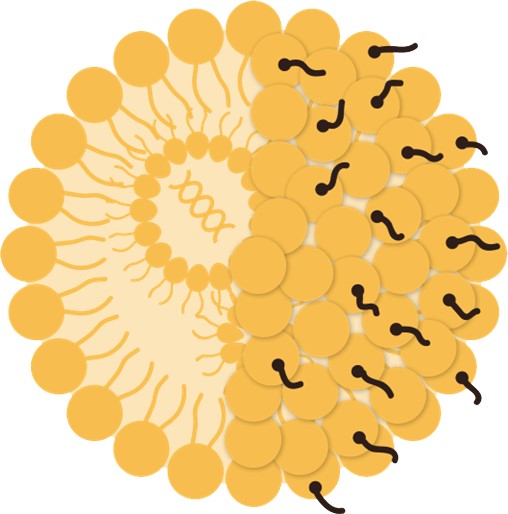
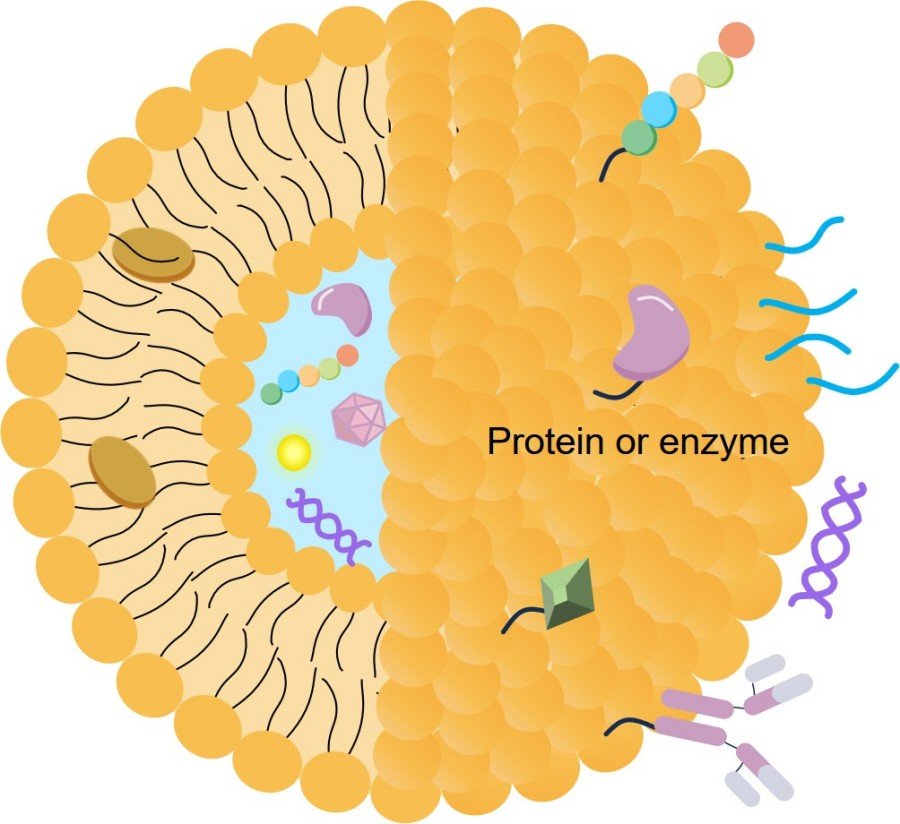
At Creative Biolabs, our deep expertise in lipid-based drug delivery systems position us uniquely to overcome the complex delivery challenges of anxiolytic compounds, including melatonin. We can achieve efficient and sustained brain delivery of melatonin through our innovative delivery systems platforms, significantly enhancing its therapeutic efficacy.
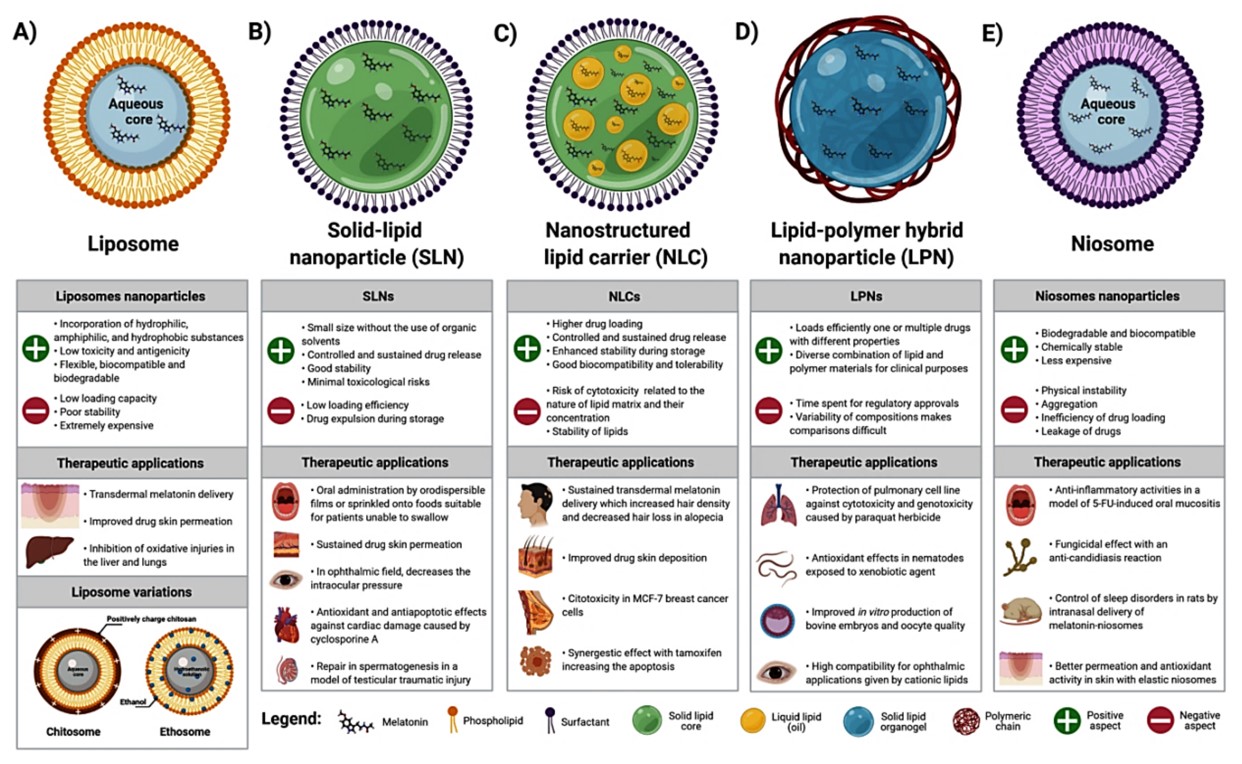 Fig. 4 Therapeutic applications of lipid-based drug delivery systems with melatonin insertion.2,3
Beyond melatonin, we offers customized solutions for a wide range of other anti-anxiety drugs, including various classes such as benzodiazepines. These diverse drug classes can be tailored for the treatment of various anxiety disorders, including generalized anxiety disorder (GAD), panic disorder (PD), agoraphobia, post-traumatic stress disorder (PTSD), social anxiety disorder (SAD), acute stress disorder (ASD), separation anxiety disorder, and obsessive–compulsive disorder (OCD). Each drug presents unique physiochemical properties and delivery challenges, and our team is adept at developing tailored strategies to optimize their therapeutic profiles.
| Drugs | GAD | PD | Agoraphobia | PTSD | SAD | ASD | Separation Anxiety Disorder | OCD |
| Benzodiazepines (BDZs) | ||||||||
| Alprazolam | V | V | V | V | V | V | V | V |
| Chlordiazepoxide | V | V | V | V | V | V | V | V |
| Clonazepam | V | |||||||
| Diazepam | V | V | V | V | V | V | V | V |
| Lorazepam | V | V | V | V | V | V | V | V |
| Oxazepam | V | V | V | V | V | V | V | V |
| Alprazolam | V | V | V | V | V | V | V | V |
| Selective Serotonin Reuptake Inhibitors (SSRIs) | ||||||||
| Escitalopam | V | V | V | V | ||||
| Fluoxetine | V | V | V | |||||
| Fluvoxamine | V | V | V | V | ||||
| Paroxetine | V | V | V | V | V | V | ||
| Citalopram | V | V | V | |||||
| Sertaline | V | V | V | V | V | V | ||
| Serotonin-Norepinephrine Reuptake Inhibitors (SNRIs) | ||||||||
| Duloxetine | V | |||||||
| Venlafaxine | V | V | V | V | ||||
| Tricyclic Antidepressant (TCA) | ||||||||
| Clomipramine | V | V | V | |||||
| Doxepine | V | V | V | V | V | V | V | V |
| Imipramine | V | |||||||
| Monoamine Oxidase Inhibitors (MAOIs) | ||||||||
| Phenelzine | V | |||||||
| Moclobemide | V | |||||||
| Calcium Modulators | ||||||||
| Pregabalin | V | V | ||||||
| Azapirone | ||||||||
| Buspirone | V | V | V | V | V | V | V | V |
| Antihistamine | ||||||||
| Hydroxyzine | V | V | V | V | V | V | V | V |
The integration of lipid-based drug delivery systems into anxiety treatment protocols represents a significant leap forward. By overcoming the limitations of conventional therapies, these delivery systems promise enhanced therapeutic efficacy, and reduced side effects. Creative Biolabs is committed to leading this innovation, offering our unparalleled scientific knowledge and technical capabilities to our partners. We invite you to connect with our team of expert biology specialists and pharmaceutical scientists to explore how our lipid-based drug delivery systems technologies can transform your anxiolytic drug development.
References
 For Research Use Only. Not For Clinical Use
Applications
Online Inquiry

Creative Biolabs is a world-leading liposome provider with extensive experience in liposome preparation, custom formulation development, and characterization.

© 2026 Creative Biolabs. All rights reserved.