
Phytosterols are naturally occurring bioactive substances that possess physiological activities such as lowering cholesterol, immune regulation, anti-inflammatory, antioxidant, skincare, and anti-aging effects. Creative Biolabs is a supplier specializing in lipid-based delivery system development. With decades of R&D experience, we can provide you with customized phytosterol liposomes to boost product innovation.
Phytosterols have a structure similar to cholesterol, with a basic skeleton of perhydrocyclopentanophenanthrene. Liposomes, spherical bilayer vesicles created through the dispersion of phospholipids in an aqueous medium, serve as versatile carriers for drug delivery and therapeutic applications. The high concentration of unsaturated fatty acids in phospholipid structures renders them susceptible to oxidative degradation, potentially impacting the stability and effectiveness of liposomal formulations. Typically, adding a certain proportion of cholesterol during liposome preparation can address this issue. However, excessive intake of cholesterol poses health risks. Phytosterols can serve as substitutes for cholesterol in liposomes, as they affect the rigidity and permeability of lipid bilayers through interactions with phospholipids. Under appropriate concentrations and temperatures, liposomes containing phytosterols demonstrate better stability than those containing cholesterol.
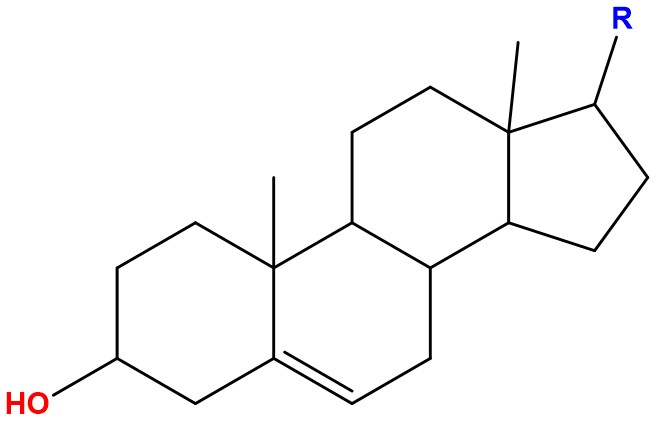 Fig.1 The basic skeleton of phytosterols.
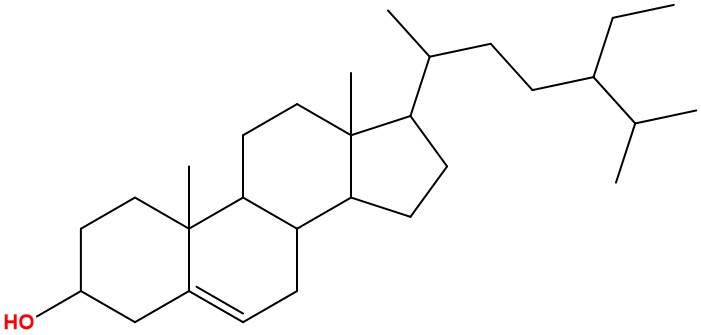
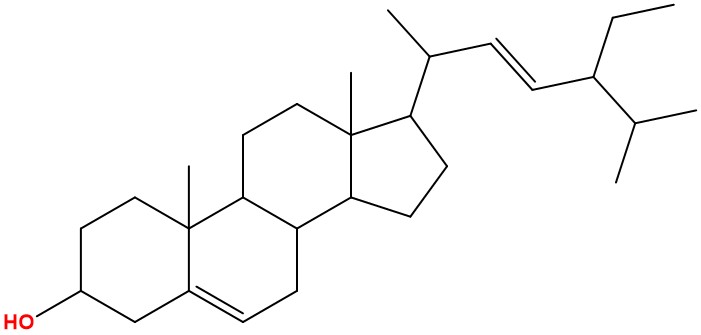
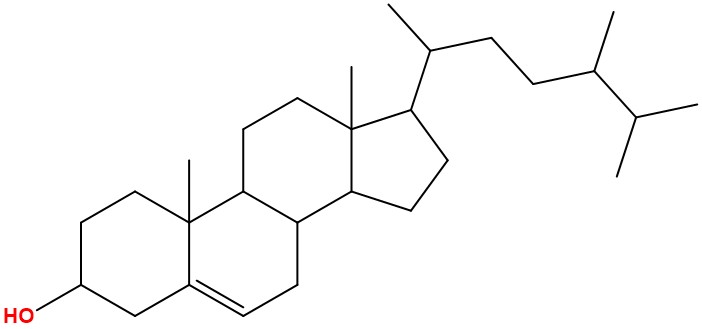
More than forty different types of phytosterols have been identified, which are present in the roots, stems, leaves, fruits, and seeds of plants, as well as in lower organisms like snails. The most prevalent phytosterols are β-sitosterol and stigmasterol, followed by campesterol and brassicasterol.
| Phytosterols | Chemical Structures | Sources |
| β-sitosterol |
|
Seeds of various grains, nuts, and others. |
| Stigmasterol |
|
Soya, lentil, tobacco, and other herbaceous plants |
| Campesterol |
|
Bamboo leaves and rhizomes, rape seeds, tobacco leaves, corn husks, etc. |
| Brassicasterol |
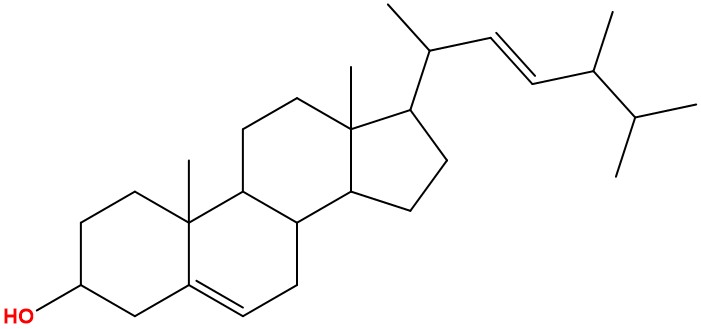
|
Phytoplankton, oilseed rape, etc. |
Regardless of how phytosterols are employed, the free form is responsible for the serum cholesterol-lowering impact. Adding phytosterols to liposomes imparts their unique features, such as antioxidative, anti-inflammatory, and cholesterol-regulating bioactivities. However, the application of phytosterols is limited by a number of challenges, including low water solubility, which makes it difficult to disperse uniformly in aqueous solutions; a proclivity for precipitation or crystallization in the gastrointestinal tract, which affects absorption; and susceptibility to degradation in light, heat, and oxygen environments. The combination of phytosterols with liposomes can improve their water solubility, bioavailability, and chemical stability.
Creative Biolabs upholds a strong dedication to delivering exceptional products and services to our customers. Drawing upon our extensive expertise in lipid-based delivery systems, we are well-equipped to address your needs for incorporating phytosterols into various lipid-based delivery systems, such as liposomes, emulsions, and more. Rest assured, at Creative Biolabs, you will find customized solutions tailored to meet your requirements.
 For Research Use Only. Not For Clinical Use
Supports
Online Inquiry

Creative Biolabs is a world-leading liposome provider with extensive experience in liposome preparation, custom formulation development, and characterization.

© 2026 Creative Biolabs. All rights reserved.