Depression poses significant challenges in treatment, with issues like short drug half-life, degradation, low concentration, and off-target effects hindering progress. At Creative Biolabs, we recognize these critical unmet needs and are pioneering innovative solutions through the development of advanced lipid-based drug delivery systems to revolutionize the treatment landscape for depression.
Depression presents as a complex and profoundly disabling condition, often marked by persistent sadness, a loss of interest or pleasure, and a wide array of emotional and physical symptoms. We are observing a concerning upward trend in its global prevalence, which significantly burdens public health systems and economies alike. While a variety of antidepressant medications are available, a substantial number of patients unfortunately do not achieve full remission of their symptoms. Moreover, many individuals experience significant side effects that can make adhering to treatment regimens challenging. This highlights a fundamental hurdle in the field: the difficulty in effectively targeting therapeutic agents to the brain, where they exert their primary effects, while concurrently limiting their broader impact on the rest of the body.
| Drug | Examples | Mechanism of Action |
|---|---|---|
| Selective Serotonin Reuptake Inhibitors (SSRIs) | Fluoxetine, Sertraline, Escitalopram | Increase serotonin levels in the brain by blocking reuptake. |
| Serotonin-Norepinephrine Reuptake Inhibitors (SNRIs) | Venlafaxine, Duloxetine | Increase serotonin and norepinephrine levels by blocking reuptake. |
| Tricyclic Antidepressants (TCAs) | Imipramine, Amitriptyline | Block reuptake of norepinephrine and serotonin; broader side effect profile. |
| Monoamine Oxidase Inhibitors (MAOIs) | Phenelzine, Tranylcypromine | Inhibit monoamine oxidase, preventing breakdown of neurotransmitters. |
| Atypical Antidepressants | Bupropion, Mirtazapine, Ketamine | Diverse mechanisms, often targeting multiple neurotransmitter systems. |
Explore Creative Biolabs' research in Depression
Despite these options, challenges like the blood-brain barrier (BBB), systemic side effects, and delayed onset of action persist. This highlights the critical need for advanced drug delivery strategies to enhance therapeutic efficacy and patient outcomes in depression treatment.
The nose-to-brain pathway offers a unique and highly promising non-invasive route for direct drug delivery to the central nervous system, circumventing the BBB and first-pass metabolism. This approach holds significant importance for depression treatment, as it can potentially overcome the limitations of systemic administration, such as extensive first-pass metabolism and poor brain penetration. By bypassing the systemic circulation, intranasal delivery can achieve higher drug concentrations in the brain with lower overall doses, leading to enhanced therapeutic efficacy and reduced adverse events.
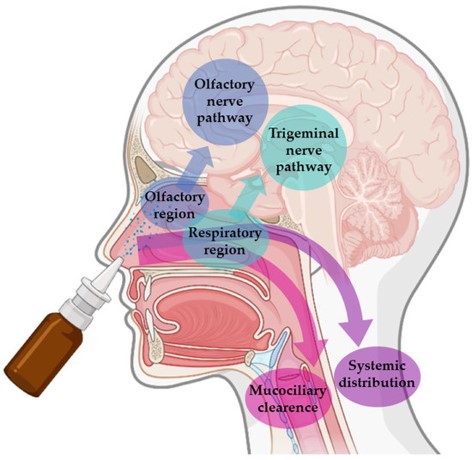 Fig. 1 Pathways of brain drug transport after intranasal administration.1,3
The mechanism of nose-to-brain delivery primarily involves two pathways:
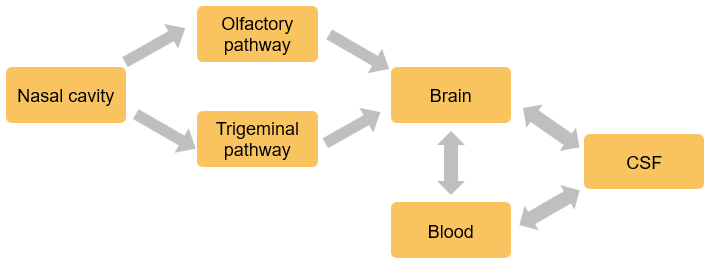
This route offers a strategic advantage for delivering various neuroactive compounds, including small molecules, peptides, and even biologics, directly to brain regions implicated in depression. Creative Biolabs is actively researching and developing optimized formulations to maximize the efficiency of this delivery route.
Lipid-based drug delivery systems are exceptionally well-suited for nasal administration, particularly for enhancing the nose-to-brain delivery of antidepressants. Their biocompatibility, ability to encapsulate diverse drug molecules, and capacity to interact favorably with biological membranes make them ideal candidates for this route. Creative Biolabs leverages various delivery systems platforms to optimize drug permeation, improve stability, and prolong residence time in the nasal cavity.
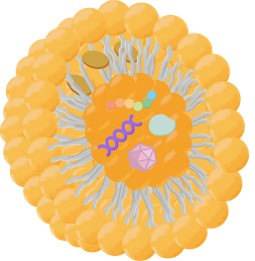
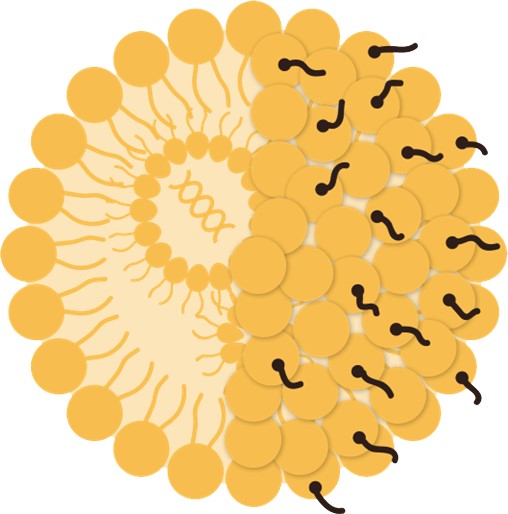
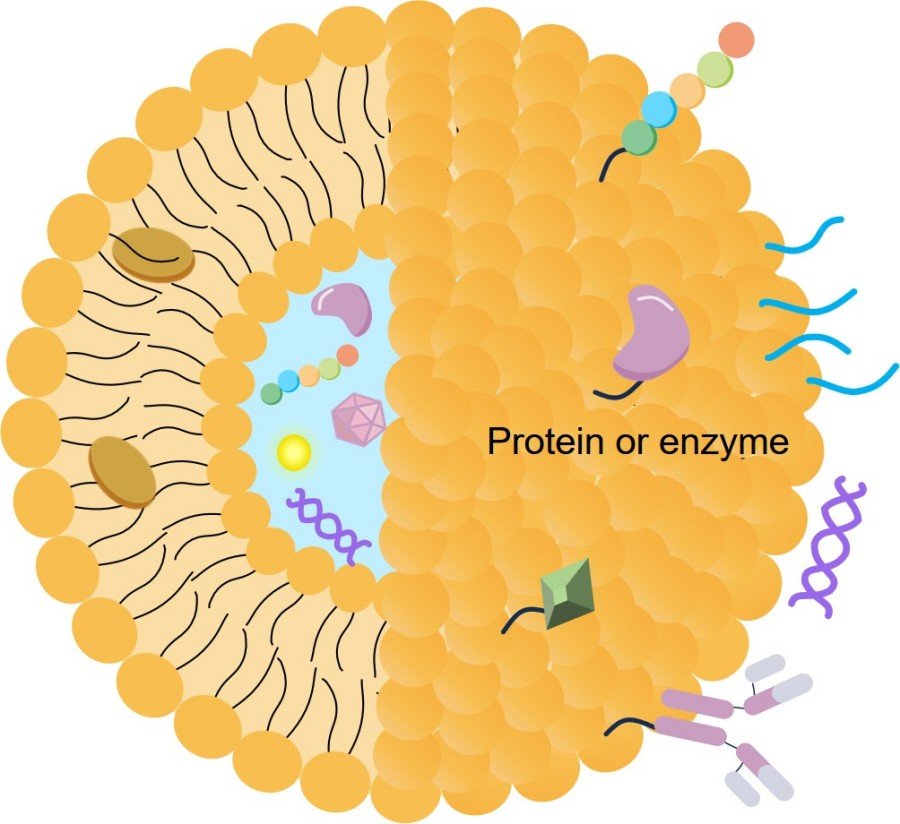
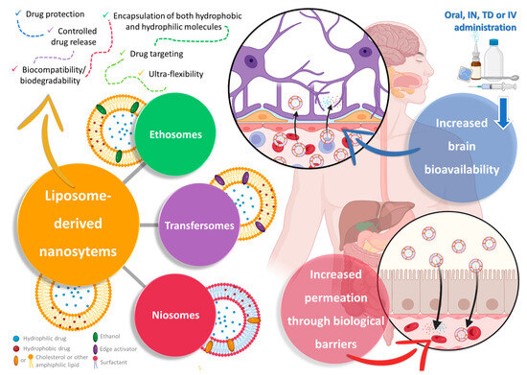 Fig. 2 Schematic representation of liposome-derived vesicular nanosystems.2,3
Specific liposome derivatives enhance nasal permeation and stability.
These stable mixtures of oil, water, and surfactants form nanometer-sized droplets.
These solid lipid-based systems protect drugs and enable sustained release for prolonged therapeutic effects via nasal administration.
Self-Emulsifying Drug Delivery Systems (SEDDS)
SEDDS form fine emulsions in nasal fluids, enhancing absorption of lipophilic drugs and potentially facilitating lymphatic transport to the brain.
At Creative Biolabs, our 20+ years of experience as expert biology specialists positions us uniquely to address the complexities of drug delivery for neurological disorders. We offer comprehensive services in lipid-based drug delivery systems that are specifically tailored to overcome the challenges in depression treatment research.
Discover How We Can Help - Request a Consultation
By partnering with Creative Biolabs, you gain access to cutting-edge technology and unparalleled expertise, enabling you to develop more effective, safer, and patient-friendly treatments for depression. We help you transform promising compounds into impactful therapies.
As an expert biology specialist with over 20 years of experience, Creative Biolabs is dedicated to pushing the boundaries of drug delivery science. Our team of highly skilled scientists and researchers is at the forefront of delivery systems development, employing state-of-the-art technologies and rigorous scientific methodologies to create superior therapeutic solutions for complex neurological disorders like depression. Contact us today to explore collaboration opportunities and learn more about our advanced drug delivery platforms.
References
 For Research Use Only. Not For Clinical Use
Applications
Online Inquiry

Creative Biolabs is a world-leading liposome provider with extensive experience in liposome preparation, custom formulation development, and characterization.

© 2026 Creative Biolabs. All rights reserved.