Creative Biolabs is at the forefront of advancing research in lipid-based drug delivery systems for diabetes treatment. We not only develop innovative delivery systems but also offer functionalized delivery system development services. Our expertise enables enhanced delivery of anti-diabetic drugs like insulin, helping researchers overcome challenges and achieve more efficient therapeutic outcomes.
Diabetes is an important metabolic disorder, characterized by insufficient insulin secretion from the pancreas or reduced insulin utilization in peripheral tissues, resulting in hyperglycemia. Traditional treatment methods mainly based on insulin often face limitations in achieving optimal blood sugar control and reducing long-term complications.
| Classification | Characteristics |
|---|---|
| Type 1 Diabetes | Autoimmune destruction of pancreatic β cells, leading to absolute insulin deficiency. |
| Type 2 Diabetes | Insulin resistance and progressive decline in insulin secretion. |
| Gestational Diabetes | Glucose intolerance that develops during pregnancy. |
| Other Specific Types | Caused by genetic defects, medications, or other conditions. |
Insulin is crucial for diabetes treatment, but injections can cause issues like hyperinsulinemia, skin necrosis, neuropathy, and hypoglycemia. Oral insulin could avoid these by mimicking natural secretion via the portal vein. Yet, as a protein, it's easily broken down in the gastrointestinal tract. Creative Biolabs is developing lipid-based systems to protect insulin and boost its absorption.
Insulin faces several physiological barriers that make it difficult to maintain its structural integrity while successfully crossing these barriers, thus limiting its absorption:
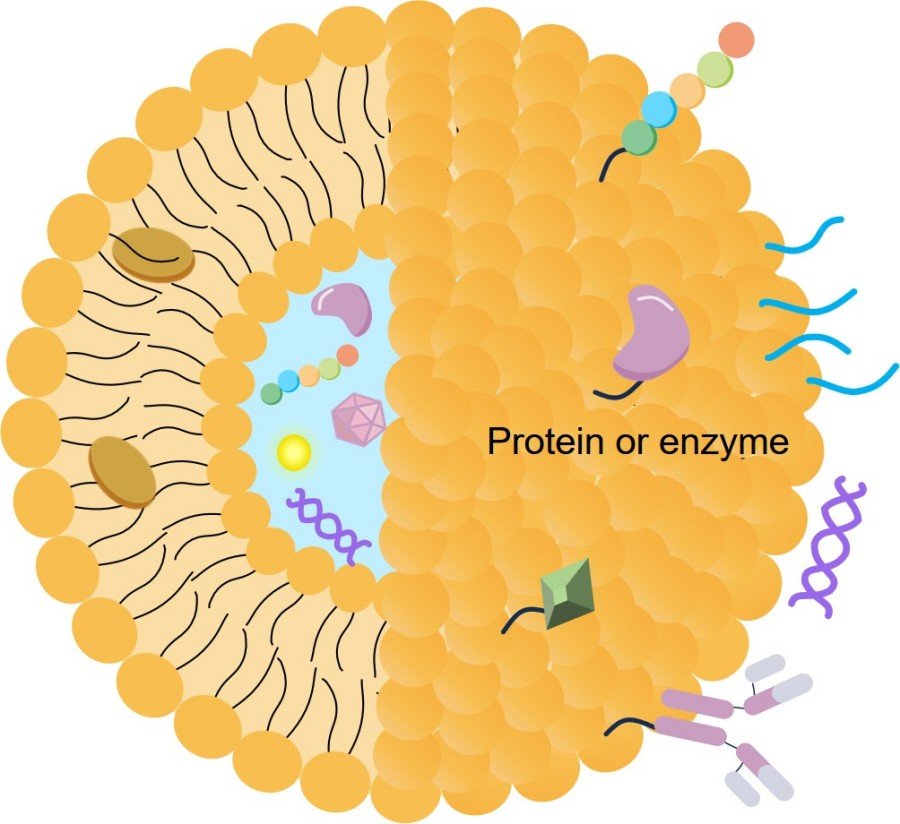
Creative Biolabs' unique lipid-based drug delivery system offers solutions to these challenges. We can encapsulate insulin in carriers such as liposomes to protect it from degradation and enhance its absorption, thereby better controlling blood sugar. If you need to overcome the delivery challenges of other anti-diabetic drugs, you can contact us for detailed information.
Lipid-based drug delivery systems offer a promising alternative to traditional diabetes treatments. These systems can protect drugs from degradation, enhance solubility, and improve bioavailability. For anti-diabetic drugs like insulin, it can facilitate absorption through various administration routes, including oral and nasal, potentially reducing dosing frequency.
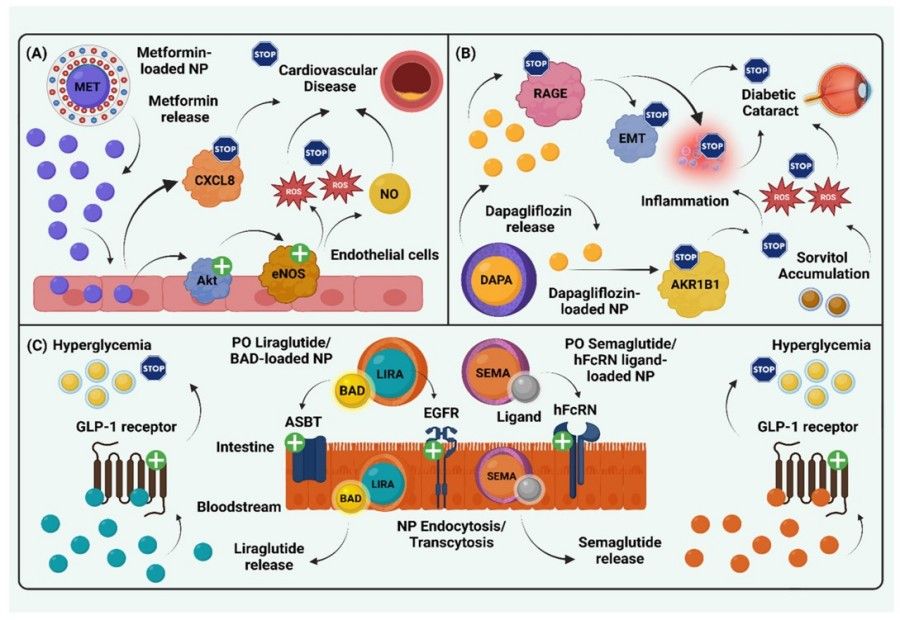 Fig. 1 Nanomedicine strategies for targeted drug delivery in diabetes.1
The following table lists some lipid-based drug delivery systems that can be used for diabetes treatment:
| Lipid-Based Drug Delivery Systems | Anti-Diabetic Drugs | Advantages |
|---|---|---|
| Solid Lipid Nanoparticles (SLNs) | Insulin |
|
| Glibenclamide (GLB) | ||
| Liposomes | Insulin | |
| Metformin Hcl | ||
| Niosomes | Insulin | |
| Glipizide | ||
| Metformin Hcl | ||
| Pioglitazone | ||
| Creative Biolabs can develop customized delivery systems for a variety of drugs, including small molecules, proteins/peptides, prodrugs, and nucleic acids, to meet different research needs. | ||
In addition to developing drug delivery systems, Creative Biolabs provides functionalized delivery system development services. These services enable more precise, efficient, and controlled drug delivery in diabetes treatment.
| Functionalized Delivery System | Details |
|---|---|
| Glucose-Responsive Delivery | We can develop lipid-based drug delivery systems that respond to glucose levels to release insulin and other drugs. This approach aims to achieve precise drug release and maximize blood sugar reduction. |
| Lipid–Drug Conjugates | Covalent conjugation of drugs to lipids to improve pharmacokinetics and targeting. We have expertise in designing these conjugates for enhanced drug performance. |
| Ligand-Modified Targeted Delivery | Systems modified with ligands such as folic acid, biotin, peptides, transferrin, or vitamin B12 to target specific cells or tissues. Creative Biolabs can develop these targeted delivery systems to enhance therapeutic precision. |
Creative Biolabs stands out for its comprehensive expertise in lipid chemistry and drug delivery.
Creative Biolabs is your trusted partner in advancing lipid-based drug delivery systems for diabetes research. Whether you require a traditional or functionalized lipid-based drug delivery systems, we have the expertise to assist you. Contact us today to learn more about how we can support your diabetes research.
Reference
 For Research Use Only. Not For Clinical Use
Applications
Online Inquiry

Creative Biolabs is a world-leading liposome provider with extensive experience in liposome preparation, custom formulation development, and characterization.

© 2026 Creative Biolabs. All rights reserved.