Huntington's disease (HD) is one of the most important neurodegenerative diseases, and its treatment faces major challenges in the blood-brain barrier (BBB). At Creative Biolabs, we understand the importance of allowing drugs to bypass the BBB and ensure their stability for HD treatment. Our lipid-based drug delivery systems help you achieve superior brain targeting and enhanced therapeutic efficacy through advanced formulation and innovative nanoparticle engineering techniques. Let us help you deliver small molecules, proteins/peptides, nucleic acids, prodrugs to brain targets at high concentrations.
Huntington's disease (HD), an autosomal dominant neurodegenerative condition, gradually impairs motor control, cognitive function, and mental health. Understanding the pathogenesis of HD is conducive to the targeted treatment of HD. It is caused by a mutation in the huntingtin gene (HTT) gene. This leads to the production of mutant HTT (mHTT) protein, a protein with an abnormally long polyglutamine stretch. mHTT can damage the brain through various mechanisms, causing the progressive symptoms of HD. Subsequently, it manifested as uncontrollable movement (chorea), muscle stiffness (dystonia), decreased thinking ability, and mental problems, which can result in severe disability and early death.
Challenges in HD Therapy
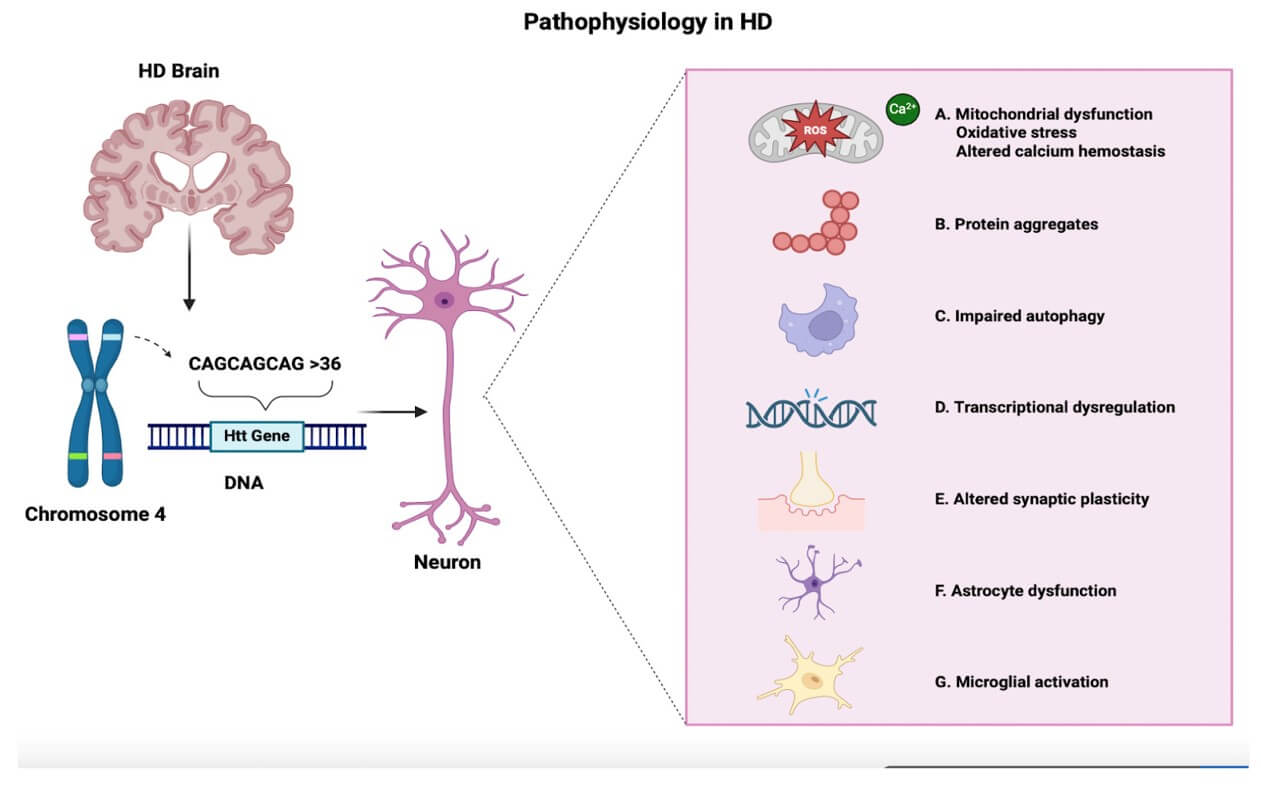 Fig. 1 Pathophysiology of HD. 1,3
Current therapeutic approaches for HD primarily focus on managing symptoms and slowing disease progression.
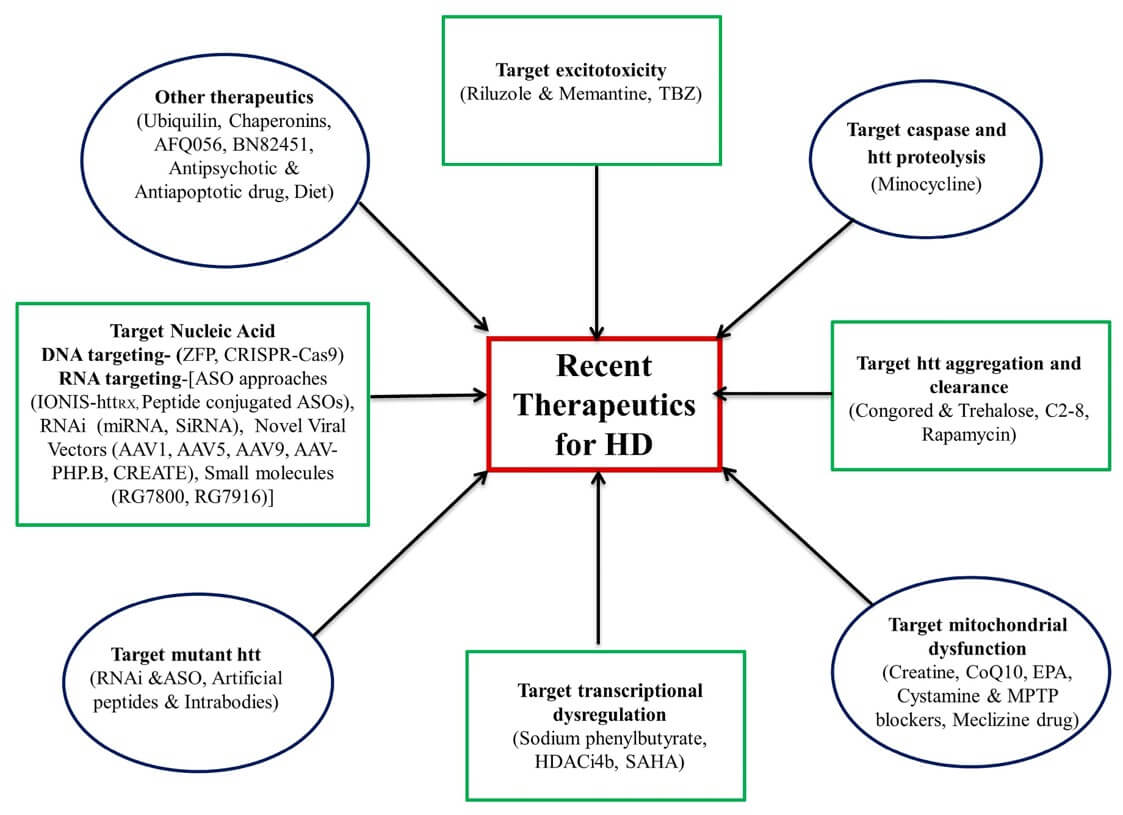 Fig. 2 Recent advancement in the therapeutics for HD. 2,3
Despite these diverse strategies, one of the biggest hurdles we face is the BBB, a physiological barrier that severely limits the therapeutic effect of drugs. This, combined with challenges like keeping drugs stable, avoiding unwanted side effects throughout the body, and ensuring a steady release of medication, really holds back how effective traditional treatments can be. Creative Biolabs is developing advanced lipid-based drug delivery systems specifically designed to skillfully cross/bypass the BBB and deliver drugs precisely to brain targets at high concentrations.
Creative Biolabs offers a sophisticated and highly effective solution for the complex challenges of HD therapeutics. Our expertise in advanced lipid-based drug delivery systems, like liposomes, lipid nanoparticles (LNPs), allows us to design tailored solutions that enhance the delivery and efficacy of drugs. We specialize in integrating these delivery systems with emerging treatment modalities like gene silencing, gene editing, and innovative stem cell therapies for HD.
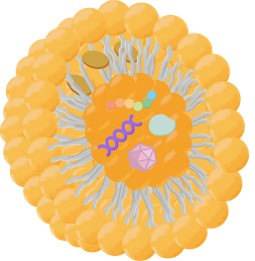
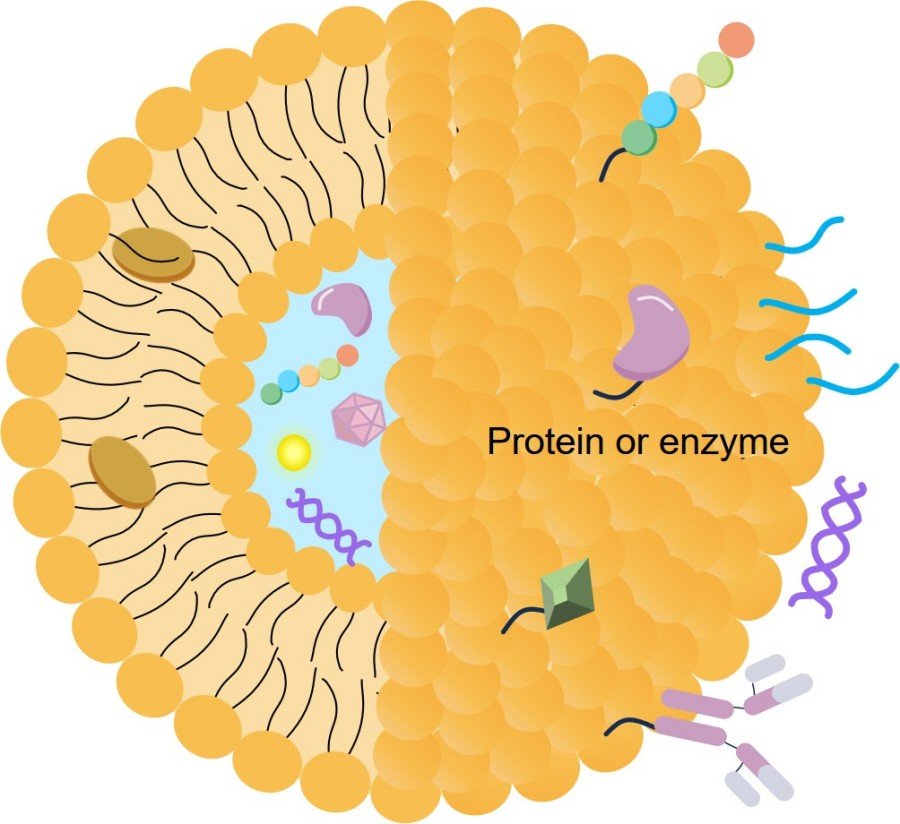
Versatile vesicles that can encapsulate both hydrophilic and hydrophobic drugs, offering high payload capacity and proven clinical potential.
Solid Lipid Nanoparticles (SLNs)
Biocompatible lipid-core particles ideal for enhancing the stability and brain penetration of lipophilic compounds.
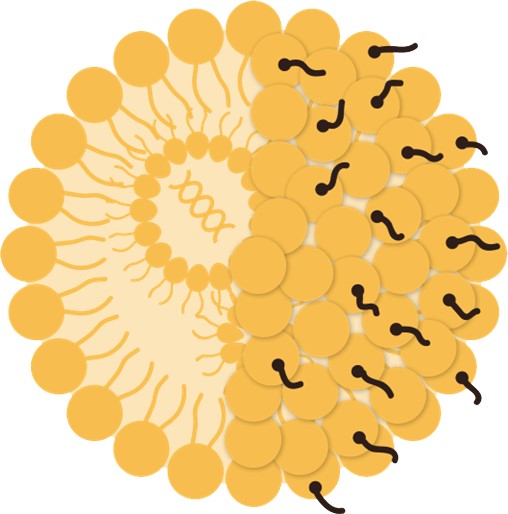
Tailored delivery systems, including advanced micelles and LNPs, designed for your specific therapeutic agent and target.
Table 1 Recent status of HD drug therapy.
| Drug/ Reagent | Mechanism of Action |
|---|---|
| Riluzole | Glutamate release inhibitor |
| Memantine | N-methyl-D-aspartate (NMDA) receptor inhibitor |
| Tetrabenazine (TBZ) | Dopamine pathway |
| Minocycline | Targeting Caspase and HTT proteolysis |
| Congo red | Promoting HTT aggregate and clearance |
| Trehalose | Promoting HTT aggregate and clearance |
| Rapamycin | Promoting HTT aggregate and clearance |
| Creatine | Targeting mitochondrial dysfunction |
| CoQ10 | Targeting mitochondrial dysfunction |
| Eicosapentaenoic acid (EPA) | Targeting mitochondrial dysfunction |
| Meclizine drug | Targeting mitochondrial dysfunction |
| Sodium phenylbutyrate |
Transcriptional deregulation Histone deacetylase inhibitor |
| Suberoylanilide hydroxamic acid |
Transcriptional deregulation Histone deacetylase inhibitor |
| Mithramycin |
Transcriptional deregulation G-C-rich DNA binding antibiotic |
| Chromomycin |
Transcriptional deregulation G-C-rich DNA binding antibiotic |
| RNAi approach (siRNA/miRNA/shRNA) | Improves motor and neuropathological abnormalities, silencing of HTT |
| ASO | Blocks transcription of mHTT |
| Artificial peptides and intrabodies | Targeting proline-rich domain of HTT |
Our lipid-based drug delivery systems offer a powerful tool to enhance the efficacy and safety of these promising agents, providing a critical advantage in the journey from discovery to preclinical research.
Creative Biolabs' lipid-based drug delivery systems can be effectively combined with emerging therapies like gene therapy, RNA interference, stem cell therapy, and ASO therapy to meet your HD research needs. Contact us to explore how we can enhance your projects and drive progress in HD treatment.
References
 For Research Use Only. Not For Clinical Use
Applications
Online Inquiry

Creative Biolabs is a world-leading liposome provider with extensive experience in liposome preparation, custom formulation development, and characterization.

© 2026 Creative Biolabs. All rights reserved.