Lipid-Based Drug Delivery Systems in Bacterial Infections Treatment
Background Challenges Antibiotics vs Liposomes Creative Biolabs’ Solutions Workflow Published Data Products & Services Resources
In the ongoing battle against bacterial infections, the development of advanced drug delivery systems is crucial. At Creative Biolabs, our lipid-based drug delivery systems are at the forefront of combating bacterial infections. Our diverse products enhance antibiotic efficacy through targeted delivery. Whether you are optimizing existing treatments and exploring novel antimicrobial strategies (such as bacteriophages and antimicrobial peptides), our customizable liposomal delivery systems can enhance the efficacy and targeting of your therapeutic agents, helping you achieve your research goals in combating bacterial infections.
Background of Bacterial Infections
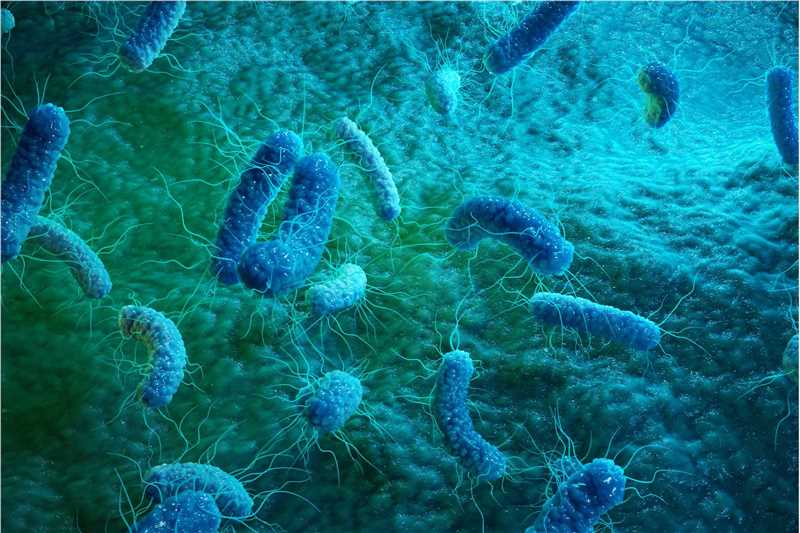
Bacterial infections are a common health problem that happen when dangerous bacteria get into the body and grow. These bacteria can get in through a number of ways, such as touching someone who is sick, touching a dirty surface, or eating or drinking contaminated food or water. They can affect different parts of the body, including the respiratory system, urinary tract, skin, and gastrointestinal tract. Symptoms vary depending on the infection type and affected area, but common ones include fever, pain, inflammation, redness, and discharge. If not diagnosed and treated in time, they may lead to serious complications, include pneumonia, bacteremia, sepsis, septic shock, meningitis and other potentially life-threatening diseases.
A critical difficulty in modern treatment stems from the alarming rise of antimicrobial resistance (AMR), where bacteria evolve to withstand existing drugs, rendering standard therapies ineffective.
Challenges of Bacterial Resistance
In the realm of bacterial infection treatment, one of the most daunting challenges is the development of bacterial resistance to conventional antibiotics. As bacteria evolve and adapt, they develop various mechanisms to counteract the effects of these drugs, rendering many traditional treatments less effective or even obsolete. This growing resistance not only complicates the treatment process but also increases the risk of persistent infections and the spread of resistant strains. Understanding these resistance mechanisms is crucial for developing more effective treatment strategies, and lipid - based drug delivery systems offer a promising avenue to overcome these challenges.
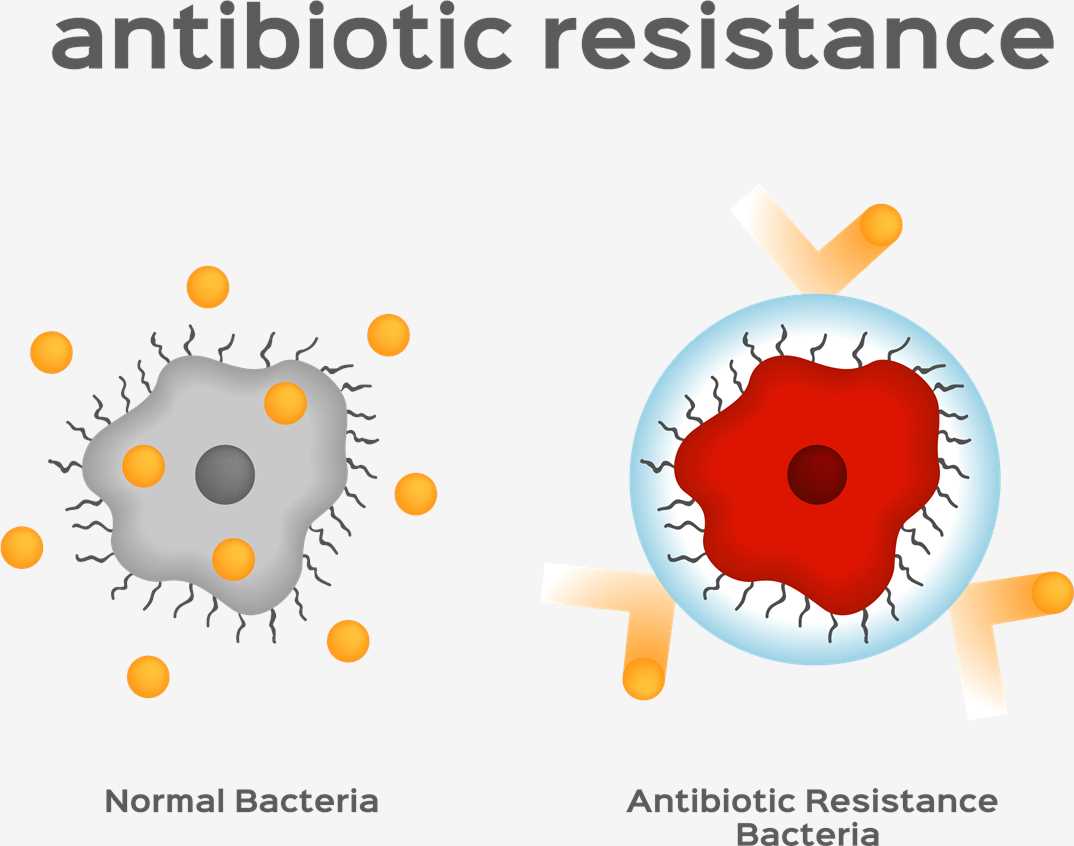
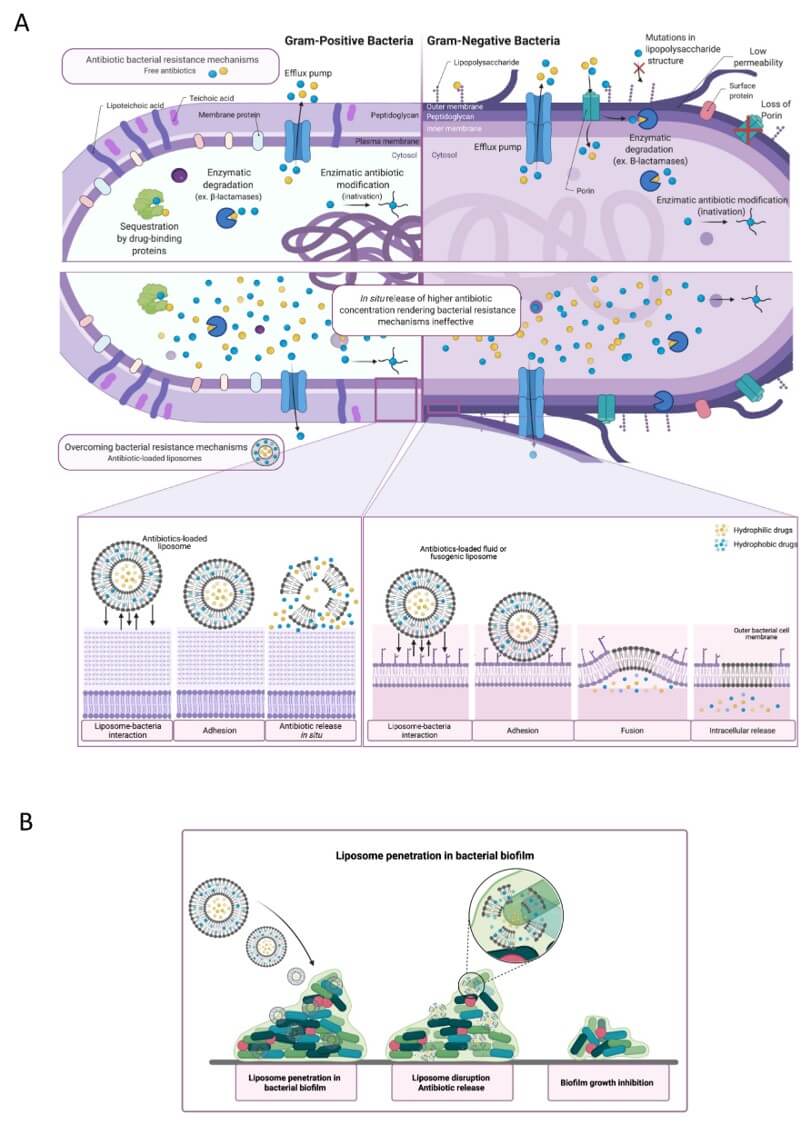 Fig. 1 Schematic representation of antimicrobial resistance mechanisms that could be overcome by the use of antibiotic incorporated liposomes.1,4
-
Mechanisms of Bacterial Resistance
Bacteria employ a diverse array of sophisticated mechanisms to resist the effects of antibiotics, allowing them to survive and proliferate in the presence of antimicrobial agents.
-
Loss of porins
-
Sequestration by drug-binding proteins
-
Enzymatic degradation and modification
-
Efflux pumps
-
Reduced permeability
-
Overcoming Resistance with Lipid-Based Drug Delivery Systems
Lipid-based drug delivery systems, such as liposomes and micelles, offer a compelling strategy to circumvent these formidable bacterial resistance mechanisms.
-
Modulation of cell wall permeability
-
Inhibition of biofilm formations
-
Activation of host immune response
-
Oxidative stress induction
-
Intracellular trafficking optimization
Conventional Antibiotics vs Lipid-Based Drug Delivery Systems
Conventional Antibiotics: The Challenges
-
Rising Resistance: Bacteria rapidly develop resistance, rendering treatments ineffective.
-
Poor Bioavailability: Low drug concentration at the infection site reduces efficacy.
-
Systemic Toxicity: High drug doses can damage healthy tissues and cause side effects.
-
Ineffective Against Biofilms: Struggle to penetrate the protective matrix of bacterial biofilms.
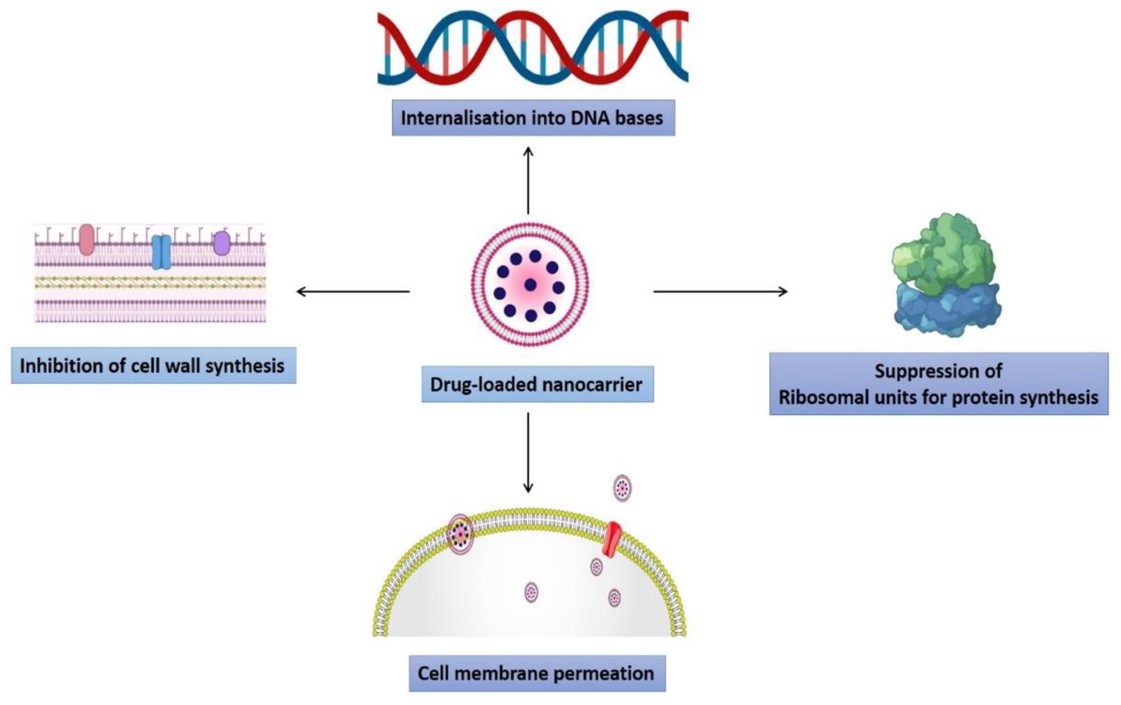 Fig. 2 The illustration shows the role of drug-loaded nanocarrier in inhibiting the antibiotic resistance.2,4
Advanced Lipid-Based Drug Delivery Systems
-
Overcomes Resistance: Delivers potent drug payloads, bypassing bacterial defense mechanisms.
-
Enhanced Efficacy: Concentrates the antibiotic at the site of infection, increasing effectiveness.
-
Reduced Side Effects: Minimizes exposure of healthy tissues to the drug, improving patient safety.
-
Penetrates Biofilms: Nanoparticle design allows for deeper penetration into resilient biofilms.
-
Similarity-Based Fusion: Nanoparticle structures mimic bacterial cell membranes, promoting fusion and delivering therapeutic drugs to bacteria in high concentrations.
How Creative Biolabs' Lipid-Based Drug Delivery Systems Can Assist Your Project
Creative Biolabs provides end-to-end support for your antimicrobial development, from formulation design to preclinical evaluation. Our services are tailored to meet your specific project goals and accelerate your path to market.

Custom Formulation
We design and develop customized lipid-based drug delivery systems (liposomes, SLNs, NLCs) optimized for your specific antimicrobial agent.

Characterization
Comprehensive analysis of particle size, zeta potential, encapsulation efficiency, and drug release kinetics to ensure quality and consistency.

Expert Consultation
Collaborate with our seasoned scientists to navigate the complexities of drug delivery and accelerate your research program.

In Vitro & In Vivo Efficacy
Preclinical evaluation of antimicrobial activity against a range of pathogens, including resistant strains and biofilm models.

Stability & Scalability
Ensuring your delivery systems are stable under storage conditions and developing scalable manufacturing processes.
Workflow for Lipid-Based Drug Delivery Systems Development for Bacterial Infections
Published Data
This article explores an innovative approach to combat bacterial infections, particularly those caused by Pseudomonas aeruginosa (Pa). The study investigates the therapeutic potential of asymmetric phosphatidylserine/phosphatidic acid (PS/PA) liposomes, both as standalone agents and in combination with phages. The study demonstrates that these specialized PS/PA liposomes significantly reduce bacterial burden in living organisms, specifically within both wild-type and CFTR-loss-of-function zebrafish embryos infected with Pa. A crucial finding is the synergistic effect observed: the combined application of these liposomes and a phage-cocktail not only improved the antimicrobial effects over single treatments but also proved effective against phage-resistant bacterial strains. This highlights the capacity of liposomes to enhance the efficacy of existing or emerging antimicrobial agents.
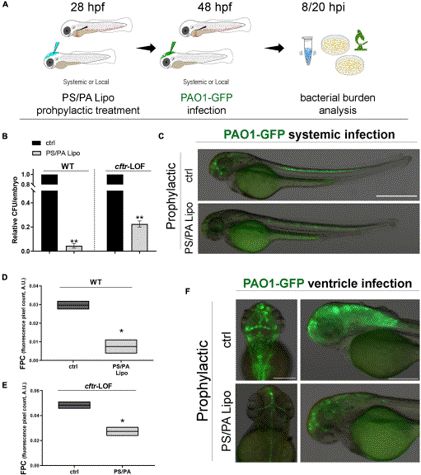 Fig. 3 Antimicrobial activity of phosphatidylserine/phosphatidic acid (PS/PA) liposome prophylactic administration in wild-type (WT) and cftr-LOF zebrafish embryos.3,4
Ready-to-Use Products and Services
We understand that research requires reliable tools and expert support. Creative Biolabs offers a range of lipid-based products and services specifically designed to help you advance your bacterial infection research.
Characterization & Analysis
Comprehensive characterization services for your formulations, including size, zeta potential, encapsulation efficiency, and release.
Learn More→
Custom Formulation Service
Our experts will design and optimize lipid-based drug delivery systems tailored to your specific therapeutic agent and research goals.
Learn More→
Pre-formulated Products
Ready-to-use liposomes and LNPs optimized for enhanced drug loading and stability. Available in various formulations.
Learn More→
Lipid-based drug delivery systems, with a structure analogous to bacterial cell membranes, can effectively fuse with these membranes. This mechanism enables the direct and high-concentration delivery of antibiotics into bacteria, making lipid-based systems one of the most promising drug delivery methods for antibacterial applications. At Creative Biolabs, we leverage this innovative technology to provide specialized services for bacterial infection treatment. Our expertise and advanced lipid-based delivery solutions position us as a leading choice for efficient bacterial infection therapy. Moreover, we also utilize other cutting-edge technologies such as antimicrobial peptides and bacteriophages to address the challenges of bacterial infections. If you're ready to enhance your research efforts in this field, please contact us to explore how we can assist your project.
Resources
References
-
Ferreira, Magda, et al. "Liposomes as antibiotic delivery systems: a promising nanotechnological strategy against antimicrobial resistance." Molecules 26.7 (2021): 2047. doi:10.3390/molecules26072047.
-
Imran, Mohammad, et al. "Overcoming multidrug resistance of antibiotics via nanodelivery systems." Pharmaceutics 14.3 (2022): 586. doi:10.3390/pharmaceutics14030586.
-
Cafora, Marco, et al. "Evaluation of phages and liposomes as combination therapy to counteract Pseudomonas aeruginosa infection in wild-type and CFTR-null models." Frontiers in Microbiology 13 (2022): 979610. doi:10.3389/fmicb.2022.979610.
-
Distributed under Open Access license CC BY 4.0, without modification.

For Research Use Only. Not For Clinical Use