
Liposomes are spherical bilayer vesicles formed by self-assembly of lipids (phospholipids and sterols) in a solvent. Due to their composition and structure similar to biological membranes, liposomes are the preferred model for membrane studies. Phospholipid molecules include a large number of unsaturated fatty acids, which generate oxides such as malondialdehyde, affecting liposome stability. Sterols, as amphiphilic molecules, can be inserted between phospholipid molecules in the lipid membrane to regulate membrane fluidity and permeability, thereby enhancing the stability of liposomes.
Sterols are important components of biological membranes, which are found mainly in animals, plants, and fungi. Animal cells usually contain cholesterol; plant cells contain more than 200 phytosterols, of which β-sitosterol and stigmasterol are the most abundant; and ergosterol is mainly found in fungal cells.
Cholesterol is the main sterol in mammals and the most commonly utilized sterol in liposomes. It regulates membrane elasticity, permeability, fluidity, strength, and phospholipid transition temperature (Tm) by promoting the conformational ordering of lipid chains, which is critical for liposome membrane stability.
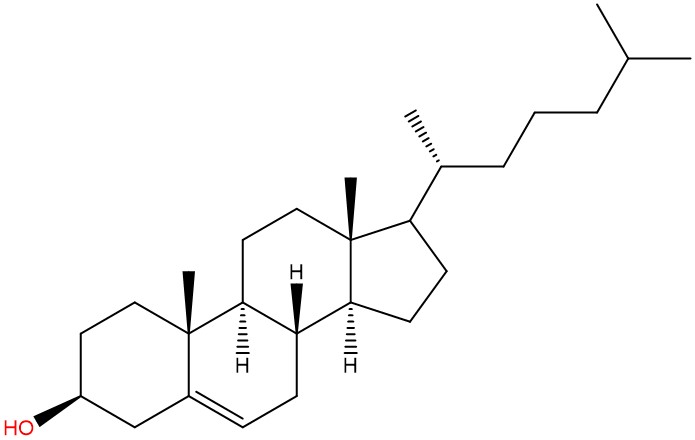 Fig.1 Schematic representation of cholesterol.
Phytosterols, such as β-sitosterol, stigmasterol, campesterol, and brassicasterol, are commonly present in the roots, stems, leaves, fruits, and seeds of plants. Compared to cholesterol, phytosterols have a similar structure and better hydrophobicity. Due to the risk of cardiovascular disease and atherosclerosis associated with cholesterol, phytosterols can be a good substitute for cholesterol in the preparation of liposomes.
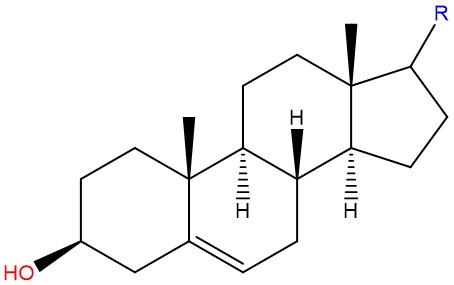 Fig.2 Schematic representation of phytosterols.
Ergosterol is a key component of the fungal cell membrane, contributing to membrane structural integrity, fluidity, cell viability, and substance transport.
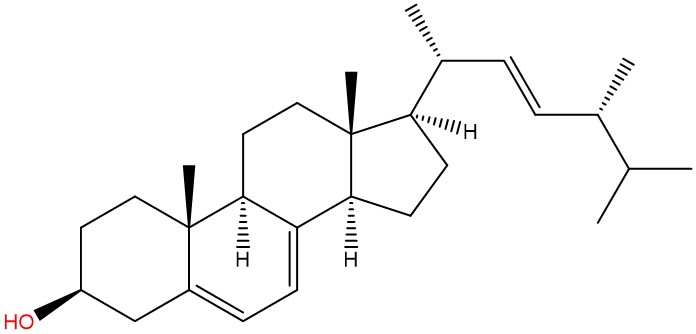 Fig.3 Schematic representation of ergosterol.
Permeability
The encapsulation and release of drugs are directly affected by the permeability of lipid membranes. Sterols can regulate liposome permeability through interactions with phospholipids, such as van der Waals forces.
Fluidity
Lipid membrane fluidity is the property of freely flowing due to the continuous movement of phospholipids. Stigmasterol is more effective in increasing liposome fluidity than β-sitosterol and cholesterol.
Stability
Lipid aggregation, precipitation, and oxidative hydrolysis during storage and transit may cause structural instability in liposomes, leading to drug leakage and increased particle size. Phospholipid interactions can be disrupted by the cyclic nature of sterols, which might have an impact on liposome stability and size.
Rigidity
The type and amount of sterols can influence liposome rigidity. Increasing the rigidity of liposomes can help maintain a proper three-dimensional shape and enhance their stability.
Transition temperature (Tm)
The transition temperature (Tm) is the temperature at which liposomes transition from a gel (liquid) to a liquid (gel) phase, significantly affecting the morphology of liposomes. The Tm of liposomes can be regulated by adjusting the sterols added to them.
Creative Biolabs has extensive expertise in creating and producing liposomes using various sterols, such as cholesterol, β-sitosterol, stigmasterol, and ergosterol. If you are looking for liposomes without additional sterols, we offer a variety of options to choose from. At Creative Biolabs, you can rest assured that you will find answers to all your project-related queries.
 For Research Use Only. Not For Clinical Use
Supports
Online Inquiry

Creative Biolabs is a world-leading liposome provider with extensive experience in liposome preparation, custom formulation development, and characterization.

© 2026 Creative Biolabs. All rights reserved.