Bispecific Antibody (BsAb) Analysis Service
Creative Biolabs provides an end-to-end analytical solution for the characterization of multispecific proteins. Our service encompasses high-resolution structural identification, impurity quantification, and functional validation of dual-target engagement. Clients can expect to gain a clear, evidence-based understanding of their molecule's purity, stability, and binding kinetics. By providing detailed insights into chain pairing and glycan distribution, we enable researchers to optimize their lead candidates with high confidence and move forward with data-driven decision-making in their drug discovery programs.
Bispecific Antibody Analysis: Ensuring Synergy Beyond Assembly
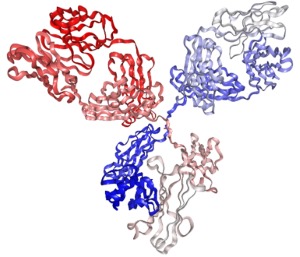
Bispecific antibodies offer advanced molecular engineering by simultaneously engaging two epitopes to redirect immune effectors or inhibit redundant signaling pathways. However, their complex architecture, often involving multiple polypeptide chains, creates significant analytical barriers. Emerging research emphasizes that structural integrity does not inherently guarantee biological synergy. Consequently, successful development requires a dual-track strategy: utilizing high-resolution mass spectrometry to verify structural fidelity alongside MoA-centered bioassays to confirm effective dual-binding functionality within controlled laboratory environments.
What We Can Offer
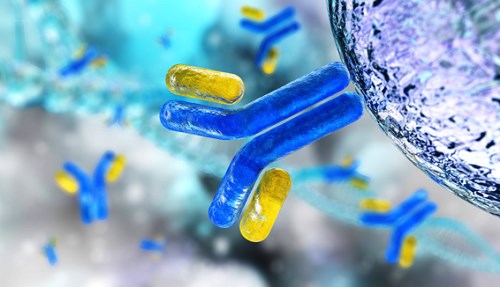
Bispecific antibodies have achieved outstanding clinical results. To develop a BsAb for the treatment of tumor immune diseases, a comprehensive analysis of the BsAb to ensure its quality and function is critical. At Creative Biolabs, we conduct comprehensive analysis of quality assessment, characterization, and pre-clinical studies at different stages of BsAb development.
Biochemistry Characterization
We offer a variety of biochemical characterization services for your BsAb, including purity measurements, molecular weight/mass measurements, and molecular structure analysis.
Purity Measurement
We provide sodium-dodecyl sulfate polyacrylamide gel electrophoresis (SDS-PAGE) analysis, liquid chromatography-mass spectrometry (LC-MS) analysis and partial-filled affinity capillary electrophoresis (PFACE) analysis, allowing more accurate qualitative and quantitative analysis of antibodies.
Molecular Weight/Mass Measurement
Techniques include size exclusion chromatography, multi-angle light scattering (SEC-MALS), electrospray ionization mass spectrometry (ESI-MS), and electrospray ionization time of flight (ESI-TOF).
Molecular Structure Analysis
Analysis methods include nuclear magnetic resonance (NMR) spectroscopy, small-angle X-ray scattering (SAXS) and molecular docking analysis.
Stability Analysis
Our stability analysis consists of three main components:
Polymerization Measurement
Various techniques such as dynamic light scattering (DLS), electrospray differential mobility analysis (ES-DMA), sedimentation velocity analysis, ultracentrifugation (SV-AUC) and field flow fractionation (FFF), etc.
Thermal Stability Measurement
Temperature is an important environmental factor among many factors affecting protein aggregation. We offer several techniques for measuring the thermal stability of BsAb or other therapeutic molecules, including differential scanning calorimetry (DSC) and differential scanning fluorimetry (DSF).
In Vitro Serum Stability Measurement
In vitro serum stability typically results in poor drug efficacy in vivo, even molecular toxicity, as well as plasma protein binding data. We provide technical assays such as enzyme-linked immunosorbent assay (ELISA) and flow cytometry for measurement.
Functional Analysis
Affinity Measurement
Techniques such as surface plasmon resonance (SPR), ELISA-based analysis and flow cytometry analysis.
ADCC Analysis
Typically, two types of effector cells, peripheral blood mononuclear cells (PBMC) and NK cells, are used for ADCC testing. We also offer high quality ADCC testing using the 51Cr method or the LDH method.
CDC Analysis
Typically, CDC determines cell death by preloading target cells with radioactive compounds. We provide a highly reproducible CDC analysis for the analysis and interpretation of the cytotoxic effects of BsAb.
ADCP Analysis
ADCP is a potentially powerful mechanism of action (MOA), which needs to be considered by the antibody drug developers and vaccine manufacturers when measuring product efficacy. We have developed a reporter gene detection method that can quickly and reliably measure the ADCP of a candidate drug.
PK / PD Analysis
In general, antibody drugs show more complex PK/PD characteristics than those of common small molecule drugs. Creative Biolabs provides BsAb absorption analysis, distribution analysis, metabolism and elimination analysis.
Antibody Distribution
The distribution of BsAb is measured by the rate of extravasation in the tissue, the rate of distribution within the tissue, the rate and extent of antibody binding in the tissue, and the rate of tissue elimination. The rate of antibody clearance from the tissue can be measured primarily by convective elimination clearance and tissue catabolic rate within the tissue.
Antibody Metabolism and Elimination
Metabolism of BsAb occurs in a range of body tissues and plasma. Through the pharmacokinetic model, the contribution of tissues such as skin, muscle, liver and intestine to the elimination of BsAb is analyzed. Mechanisms for drug elimination include filtration, secretion, and biotransformation.
Pre-clinical Study
To measure the efficacy and safety of drug candidates during drug development, a range of models are used at different stages, ranging from test tube experiments to cell cultures, animals and healthy human subjects. Creative Biolabs has built various models for your BsAb development.
Highlights
At Creative Biolabs, we recognize that every bispecific project presents unique architectural challenges. We provide a one-stop, fully customizable analytical suite that spans from early-stage candidate characterization to large-scale research stability testing.
Comprehensive Multi-Platform Analysis
We integrate high-resolution mass spectrometry with light scattering and kinetic biosensors to provide a holistic view of your molecule's structural and functional integrity.
Highly Customized Bioassay Development
Our team designs specialized reporter and binding models that accurately reflect your candidate's specific biological mechanism and dual-target engagement properties.

High-Throughput Impurity Profiling
We rapidly detect and quantify mispaired chains, fragments, and aggregates to ensure product homogeneity and minimize downstream risks during the discovery phase.
Precision Glycoform Characterization
Advanced deconvolution algorithms are utilized to map complex carbohydrate distributions across multi-chain scaffolds, ensuring consistent post-translational modification profiles for all candidates.
Customer Reviews
-
Superior Impurity Detection
Using Creative Biolabs' bispecific antibody analysis in our research has significantly facilitated the identification of non-functional homodimers. Their native SEC-MS approach resolved peaks that were completely masked by traditional denaturing methods. - Dr. S**h. P. -
Accurate MoA Validation
The bridging ELISA and cell-based activation assays provided by Creative Biolabs helped us compare different formats side-by-side. We observed a difference in kinetics that influenced our final lead selection for further R&D. – M**l. R.
FAQs
How do you handle the salt interference issue common in SEC-MS for bispecifics?
We utilize volatile buffer systems and specialized columns that allow for high-resolution separation without the need for non-volatile salts, ensuring clean, de-adducted mass spectra.
Is your bioassay sensitive enough to detect differences between fragment-based and IgG-like formats?
We utilize time-resolved engagement assays and apoptotic markers, which have been shown to differentiate the "killing kinetics" between different molecular scaffolds in cell-line research.
Related Services
ADC Analytical Characterization and Validation
We provide comprehensive characterization of drug-antibody ratio (DAR), payload distribution, and structural integrity to validate your conjugate's research performance and stability.
Learn More →ADEPT PK and PD Analysis Service
We provide integrated PK/PD analysis and immunogenicity assessment to characterize metabolism, target engagement kinetics, and potential antibody responses in research models.
Learn More →How to Contact Us
Creative Biolabs provides a complete suite of bispecific antibody analysis services, ranging from native-state mass spectrometry and impurity quantification to complex mechanism-of-action bioassays for research. Our goal is to provide the high-resolution data necessary to transform your multispecific concept into a robust scientific lead.
Ready to discuss your bispecific project? Our team is available to provide technical guidance and customized project quotes for your research needs.
 Download our brochure