Gut Microbiota Metabolomics Service
Creative Biolabs offers expert gut microbiota metabolomics services for research.
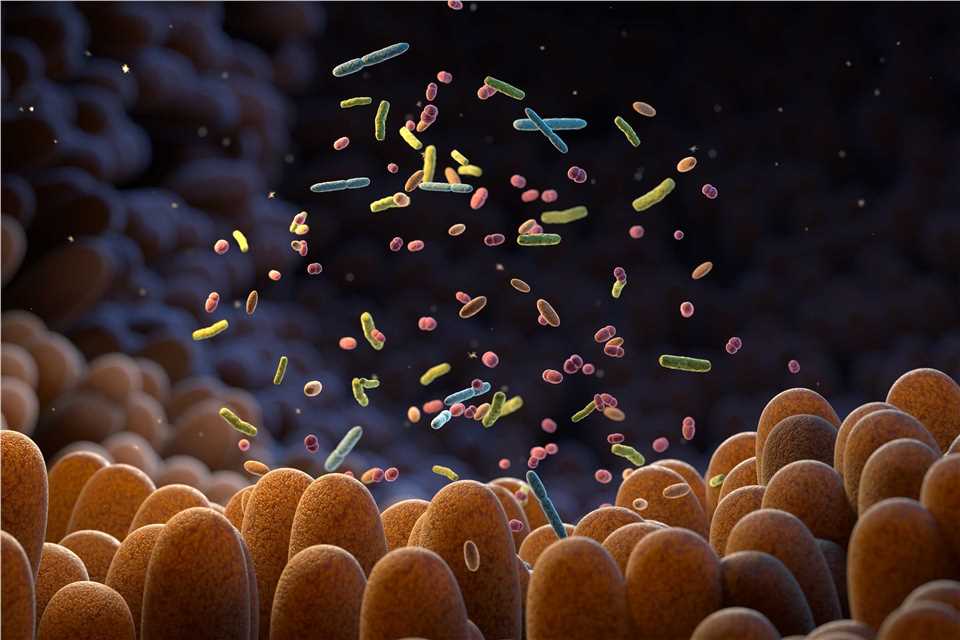
The gut microbiota plays a fundamental role in modulating host metabolism, influencing key physiological functions that directly affect both health and disease. It is responsible for producing essential metabolites such as short-chain fatty acids (SCFAs), transforming bile acids, and synthesizing amino acids. These metabolites are crucial in regulating immune responses, maintaining epithelial homeostasis, and supporting nutrient absorption. Thus, studying the gut microbiota and investigating various gut microbiota-based diagnostics platforms are pivotal in the context of chronic disease research.
The complex interplay between microbial metabolites and systemic health has made metabolomics a prominent tool in biomedical science. This approach allows for precise profiling of metabolites, offering insights into metabolic pathways and microbial functions. Creative Biolabs employs advanced metabolomics platforms to explore these networks, aiming to improve the precision of research in chronic disease mechanisms, such as metabolic and neurological disorders, and further advancing personalized scientific solutions.
What is Gut Microbiota Metabolome?
The gut microbiota is exclusively responsible for several metabolic important functions, including vitamin and short-chain fatty acid (SCFAs) production, amino acid (AAs) synthesis, bile acid biotransformation, hydrolysis, and fermentation of non-digestible substrates. The beneficial effects of gut microbiota include epithelial homeostasis, immune-cell homeostasis, and development (Th1 vs. Th2 and Th17), food digestion, enteric nerve regulation, support of angiogenesis, and fat metabolism. However, when the balance between the resident microbiota and the gastrointestinal (GI) tract is disrupted, intestinal and extraintestinal diseases can develop, including allergy, obesity, inflammatory bowel disease (IBD), cancer, diabetes, cardiovascular dyslipidemia, and neuropathology.
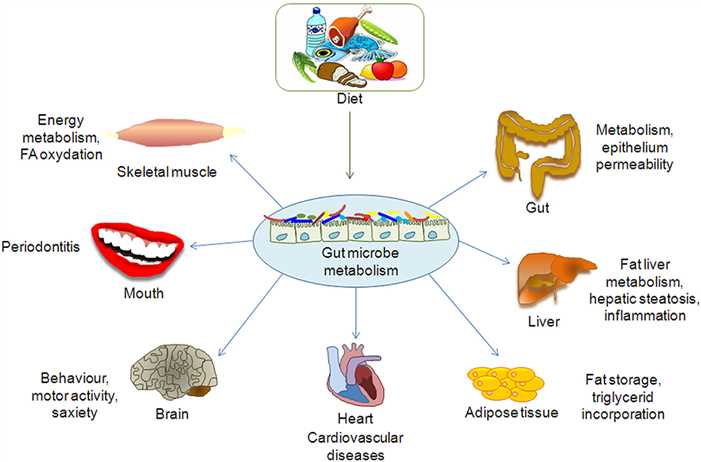 Fig.1 Effect of Gut Microbiota Metabolome on Organs and Tissues.1
Our Platforms for Metabolomics
The Metabolomics approach has been applied to the gut microbiota study that focused on the exploration of disease-related metabolites to obtain detailed information on the gut metabolic pathways. Moreover, metabolomics represents an unprecedented approach for collecting the complex metabolic interactions between the host and its commensal microbial partners, offering the opportunity to define individual and population phenotypes. Creative Biolabs employs an array of state-of-the-art platforms to meet the diverse needs of gut microbiota metabolomics. Each technology offers unique strengths, providing comprehensive metabolite detection across various classes.
| Platform | Sensitivity | Throughput | Resolution | Use Case Examples |
|---|---|---|---|---|
| GC-MS | High for volatilemetabolites | Moderate | High | SCFA profiling ingut inflammation |
| LC-MS | Very high for polar and non-polarmetabolites | High | Excellent | Bile acid analysis in metabolicsyndrome |
| HPLC | Moderate | High | Moderate | Amino acid detection |
| UPLC | Very high | Very high | Superior | Lipidomics and polyphenol profiling |
| NMR | Moderate | High | Excellent reproducibility | Large-scale metabolic profiling |
| CE-MS | High | Low | High for charged analytes | Organic acid quantification |
| FTIR | Moderate | Moderate | High | Detection of lipids and fatty acids |
| ICR-FT-MS | Ultra-high | Moderate | Ultra-high | Structural identification of novelmetabolites |
Workflow of Gut Microbiota Metabolomics
The metabolomics workflow at Creative Biolabs ensures meticulous sample handling, data acquisition, and advanced data analysis to provide high-quality insights. A metabolomics analysis typically comprises the following 3 steps:
 Fig.2 General workflow of metabolomics analysis.
Sample Collection and Preparation
Creative Biolabs ensures high-quality sample integrity through meticulous collection protocols. We work with a variety of sample types, including feces, urine, plasma/serum, saliva, exhaled breath, cerebrospinal fluid, and tissues from target organs. Handling procedures emphasize snap-freezing to prevent degradation, and internal standards are incorporated to control variability. To maintain integrity, minimizing freeze-thaw cycles is crucial throughout the process.
Data Acquisition
Our advanced data acquisition platforms include LC-MS and NMR for comprehensive metabolite profiling, while GC-MS is employed to specialize in the analysis of volatile metabolites. These platforms enable real-time, high-throughput collection of high-resolution data, ensuring broad-spectrum profiling and precise metabolomics analysis tailored to research needs.
Statistical Analysis and Pathway Mapping
We employ sophisticated multivariate statistical methods, including Principal Component Analysis (PCA) and Partial Least Squares Discriminant Analysis (PLS-DA), to identify key metabolites and trends. Our analysis integrates biological pathway mapping tools like KEGG, providing insights into how metabolites function within biochemical networks and revealing potential molecular mechanisms.
Sample Requirements
Creative Biolabs provides a broad spectrum of sample options that support diverse research needs across various study designs. Whether analyzing biofluids, tissues, or cell cultures, our service ensures high accuracy and reproducibility through standardized protocols and temperature-controlled storage. For unique sample types or specialized project requirements, our team offers expert consultation and tailored preparation protocols to fit your specific research goals.
Sample Types and Minimum Volume
| Sample Type | Minimum Quantity Required |
|---|---|
|
≥ 200 µL/sample |
|
≥ 200 mg/sample |
|
≥ 1 × 10⁷ cells/sample |
|
Consult Now! |
Precision in Sample Handling and Storage
Temperature
Samples should be stored at -80°C to ensure the stability of volatile and sensitive metabolites.
Shipping
Use dry ice to maintain sample integrity during transport and avoid freeze-thaw cycles that may degrade sample quality.
Quality Control
Include internal standards where appropriate to correct variability during analysis and to ensure reproducibility across experimental batches.
If you are interested in our gut microbiota metabolomics services, please contact us for any discussion about your microbiome project service needs.
Reference
- Vernocchi, Pamela, Federica Del Chierico, and Lorenza Putignani. "Gut microbiota profiling: metabolomics based approach to unravel compounds affecting human health." Frontiers in microbiology 7 (2016): 1144. Distributed under Open Access license CC BY 4.0, without modification.




 Gut Microbial Biomarker Discovery Service
 Download our brochure