Cardiac Toxicity Analysis Service for Chemotherapy Lead
In contemporary medicine, chemotherapy agents play a crucial role in cancer treatment. However, as the effectiveness of these drugs has increased, so too has the attention on their side effects, particularly issues related to cardiac toxicity. Creative Biolabs offers a collection of services for the development of chemotherapy leads and the analysis of cardiac toxicity, enhancing the safety and efficacy of cancer therapies.
Introduction
Chemotherapy-induced cardiotoxicity is a significant concern, particularly during cancer treatment. Numerous chemotherapy agents can adversely affect the heart, potentially leading to complications such as heart disease and heart failure.
In response to this need, Creative Biolabs has established an analytical platform, focusing on the assessment of cardiac toxicity induced by chemotherapy agents. Our services use multiple technologies and extensive expertise to conduct precise pharmacological research and detailed toxicological analysis. We systematically reveal the potential effects of chemotherapy drugs on cardiac function, assisting clients in early risk identification, drug structure optimization, and reduction of cardiac toxicity.
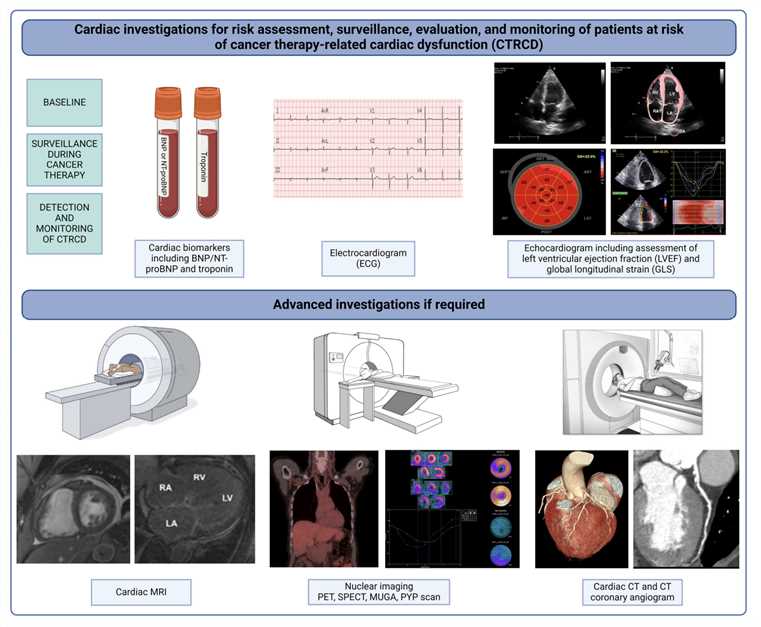 Fig.1 The Analysis of Cancer Therapy-related Cardiac Dysfunction.1,3
Services
In our company, the development of chemotherapy leads is a complex and intricate process that typically involves several stages: drug design, synthesis, in vitro testing, and preclinical trials. In the initial phase, we utilize computer simulations and bioinformatics analyses to identify potential anticancer targets and design small molecules or antibody-based agents with specific pharmacological activities. Following this, the candidate leads are synthesized through chemical methods and undergo in vitro evaluations to assess their effects on inhibiting the proliferation of cancer cells while ensuring selectivity towards normal cells.
Creative Biolabs has consistently prioritized the safety of chemotherapy agents, with a particular focus on their potential cardiotoxicity. Up to now, analyzing cardiac toxicity has become an integral part of our chemotherapy drug development process.
- Preliminary Screening: Creative Biolabs employs in vitro models using cardiac cells (cardiomyocytes derived from human induced pluripotent stem cells) to assess the toxicity of drugs on cardiac cells, evaluating their effects on cell viability, cardiac cell functionality, and electrophysiological characteristics.
- Mechanistic Studies: We delve deeper into the potential mechanisms behind drug-induced cardiotoxicity, investigating their impacts on mitochondrial function in cardiomyocytes, oxidative stress, and calcium homeostasis through advanced cellular and biochemical analysis techniques.
- Animal Studies: Our team conducts evaluations of the overall cardiotoxicity of drugs within animal models, such as mice or rats. We monitor changes in cardiac function using methods such as electrocardiograms (ECGs) and echocardiograms, simulating human cardiac responses.
- Real-time Monitoring: We use cardiac monitoring, cardiac biomarkers (like troponin and BNP), and imaging techniques to closely observe cardiac health, providing reliable data support for assessing drug safety.
- Data Analysis and Model Development: By integrating in vitro, animal, and clinical data, we utilize data mining and bioinformatics to construct predictive models of drug-induced cardiotoxicity, aiding our clients in subsequent drug design and development efforts.
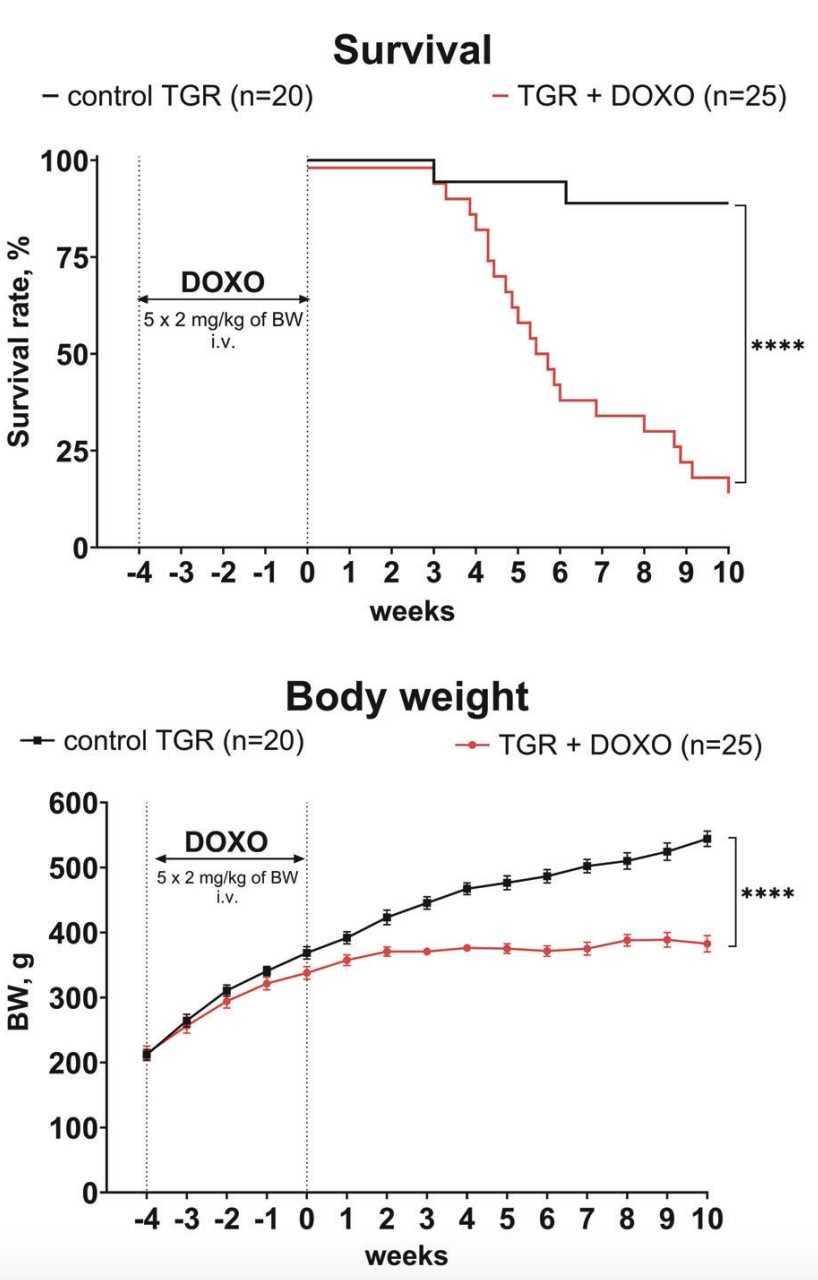 Fig.2 The Survival and Body Weight Analysis of Drug-treated TGR Group and Placebo-treated Control Group.2,3
Case Study:
In a recent project, chemotherapy agent X is a novel anticancer drug that shows significant efficacy in treating advanced cancer. To gain a deeper understanding of its safety profile, we help clients conduct a series of analyses focused on cardiac toxicity.
1. Objective:
To assess the effects of chemotherapy agent X on the hearts of mice and to investigate potential mechanisms of cardiac toxicity.
2. Experimental Animals:
We will use 8-week-old C57BL/6 mice obtained from a specialized breeding facility, divided into a control group and an experimental group (10 mice per group).
3. Experimental Groups:
Control Group: Treated with saline solution.
Experimental Group: Administered drug X at a dosage of 5 mg/kg, daily for 14 consecutive days.
4. Experimental Procedures
Drug Preparation and Administration:
Chemotherapy agent X will be dissolved in saline to ensure consistent concentration during each administration. Mice will receive an injection of 5 mg/kg via the intraperitoneal route.
Cardiac Function Assessment:
Before the experiment starts and at its conclusion, echocardiography will be employed to measure the heart rate, left ventricular ejection fraction (EF%), and left ventricular end-diastolic diameter (LVIDd) of the mice.
Tissue Sampling and Pathological Analysis:
At the end of the experiment, mice will be anesthetized, and cardiac tissue will be extracted for slicing; HE staining will be utilized to observe pathological alterations in the cardiac tissue.
Cardiac Biomarkers Detection:
Blood samples were collected from the tail veins of mice, and the levels of cardiac troponin and heart-specific enzymes in the serum were measured using the ELISA method.
Creative Biolabs offers comprehensive support for the development of chemotherapy drugs, including drug mechanism analysis, dosage optimization, and animal model design, ensuring an efficient and precise research process. Besides, through advanced experimental techniques and big data analysis, we can assess the cardiac toxicity of newly developed chemotherapy leads, helping clients identify potential risks early on. Feel free to contact us for more details about our services, and let's work together toward a safer future in anticancer agents.
References
- Scalia, Isabel G., et al. "Chemotherapy-Related Cardiotoxicity Evaluation-A Contemporary Review with a Focus on Cardiac Imaging." Journal of Clinical Medicine 13.13 (2024): 3714.
- Gawrys, Olga, et al. "Characterization of a new model of chemotherapy-induced heart failure with reduced ejection fraction and nephrotic syndrome in Ren-2 transgenic rats." Hypertension Research (2024): 1-21.
- Distributed under Open Access license CC BY 4.0, without modification.
 Download our brochure