The labeled tracer is administered intravenously, ensuring systemic distribution. Subsequent tissue collection is strategically timed and includes tumor tissue, blood, and other relevant tissues to capture a holistic picture of metabolic fluxes. For clinical applications, our protocols are designed in close collaboration with clients, adhering to stringent safety and regulatory guidelines, including Institutional Review Board (IRB) requirements, to safeguard research participants.
In Vivo Isotope Tracing Service for Tumor Metabolism
Background Service Highlights FAQs Contact Us
The Imperative of In Vivo Metabolic Profiling in Cancer Research
Understanding the intricate metabolic landscape of cancer cells is paramount for identifying novel therapeutic targets and developing effective anti-cancer strategies. For decades, in vitro cell culture models have provided foundational insights into cellular biochemistry. However, it is increasingly recognized that these simplified systems often fail to recapitulate the complex metabolic demands and interactions of malignant cells within the dynamic tumor microenvironment of a living organism. Tumors in their native physiological context exhibit distinct nutritional requirements and metabolic pathway utilization compared to isolated cells. This critical disparity underscores the urgent need for robust in vivo approaches to precisely characterize tumor metabolism.
At Creative Biolabs, with over 20 years of specialized experience in biological research, we recognize that comprehensive in vivo profiling is the gold standard for dissecting tumor metabolic routes. This advanced understanding is key to identifying the relevant alterations that drive cancer onset and progression, paving the way for truly transformative therapeutic interventions.
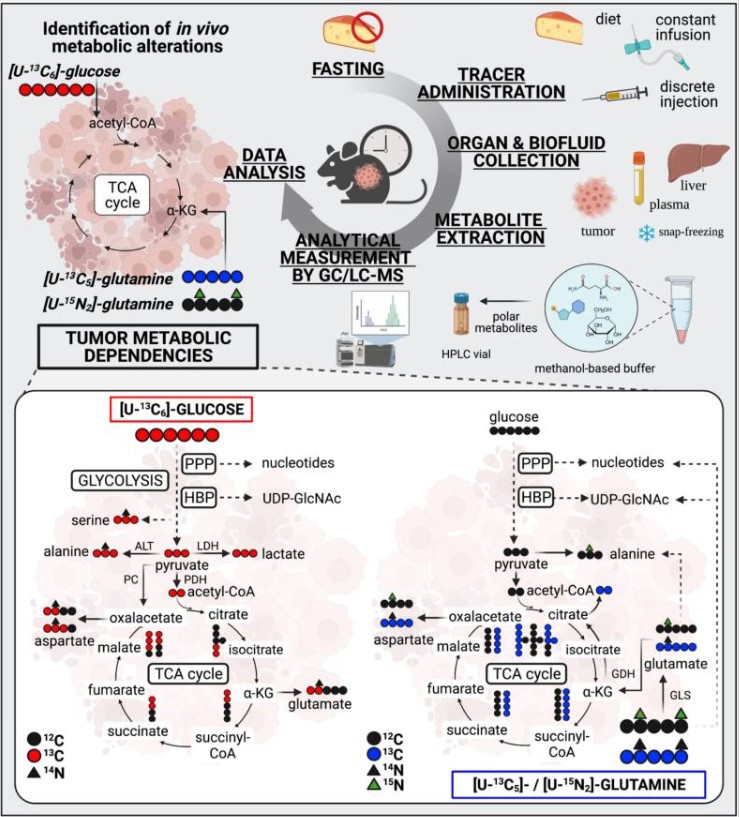 Fig.1 In vivo stable isotope tracing approaches.1
Our In Vivo Isotope Tracing Service for Tumor Metabolism
Creative Biolabs' In Vivo Isotope Tracing Service for Tumor Metabolism offers a powerful and precise methodology to decipher the metabolic intricacies of cancer within its physiological milieu. This cutting-edge technique involves the administration of a stable isotope-labeled nutrient—such as 13C-glucose, 13C-glutamine, or 13C-acetate—to a living organism, typically an animal model or, in clinical research, a patient undergoing tumor surgery. The core principle is to track the movement of these labeled atoms as they are metabolized and incorporated into various biochemical pathways within the tumor and surrounding tissues.
By meticulously monitoring the fate of these labeled tracers, our service provides unparalleled insights into:
- Nutrient Uptake: Quantifying which specific nutrients tumors preferentially consume.
- Energy Production: Elucidating the dominant metabolic pathways (e.g., glycolysis, tricarboxylic acid (TCA) cycle) utilized by cancer cells to generate ATP.
- Biosynthesis: Identifying the sources and fluxes of building blocks (e.g., amino acids, lipids, nucleotides) essential for rapid tumor growth and proliferation.
- Systemic Metabolic Interplay: Revealing how localized tumor development impacts organismal metabolism, such as the induction of liver gluconeogenesis to compensate for tumor glucose demand, as evidenced by studies demonstrating the tumor-liver glucose-alanine cycle. This systemic perspective is crucial given that tumors can exert profound metabolic influences on distant organs.
This detailed metabolic assessment is indispensable for identifying cancer-specific metabolic vulnerabilities. By pinpointing altered metabolic pathways, Creative Biolabs helps clients uncover novel therapeutic targets that can disrupt tumor growth and progression with enhanced specificity.
Comprehensive Service Content at Creative Biolabs
Creative Biolabs' In Vivo Isotope Tracing Service is meticulously designed to provide actionable data through a robust and streamlined workflow:
Precision Tracer Administration and Sampling
Advanced Isotope Analysis Techniques
Metabolites extracted from collected samples are rigorously analyzed using state-of-the-art mass spectrometry, the primary technique for discerning isotope labeling patterns. Our capabilities extend to liquid chromatography/mass spectrometry (LC/MS)-based metabolomics workflows, enabling precise quantification and identification of labeled metabolites, even in complex biological matrices. This high-resolution analysis allows us to infer metabolic fluxes with exceptional accuracy.
Diverse Applications and Model Systems
Our service supports a wide range of applications:
Investigating Tumor Energy Metabolism: Detailed characterization of glycolytic and oxidative phosphorylation reliance.
Profiling Biosynthetic Pathways: Tracking carbon and nitrogen incorporation into macromolecules.
Uncovering Metabolic Adaptations to Therapy: Assessing how tumors rewire metabolism in response to drug treatment.
Exploring Systemic Metabolic Dysregulation: Utilizing various in vivo models, including advanced animal models such as adult zebrafish, which possess similar metabolic organs to mammals. This allows us to investigate systemic metabolic implications, such as increased liver gluconeogenesis compensating for tumor glucose demand and the alanine-glucose cycle between tumor and liver. Studies have shown that inhibiting this cycle can reduce tumor burden, demonstrating the utility of such models.
Our Advantages
At Creative Biolabs, our 20 years of experience as an excellent biological specialist translate into unparalleled expertise and distinct advantages for our clients:
- Overcoming Complexities with Unrivaled Expertise
- Comprehensive Profiling and Actionable Insights
- Uncompromising Quality and Regulatory Adherence
FAQs
Q1: Why is in vivo isotope tracing superior to in vitro metabolic studies?
A1: In vitro studies lack the complex physiological environment, including nutrient supply, hormonal regulation, and interactions with other cell types, found in vivo. Our service provides a more accurate representation of tumor metabolism as it occurs within the living system, which is crucial for identifying clinically relevant targets.
Q2: How does Creative Biolabs address the complexity of data interpretation in in vivo studies?
A2: Our team comprises highly experienced computational biologists and metabolomics specialists. We utilize advanced bioinformatics tools and proprietary algorithms to process, analyze, and interpret complex isotopic labeling patterns, generating clear, interpretable results and flux maps.
Q3: What regulatory considerations are involved for clinical isotope tracing studies?
A3: For clinical applications, our service includes comprehensive support for study design, safety assessments, and adherence to all necessary regulatory frameworks, including securing Institutional Review Board (IRB) approvals. Creative Biolabs ensures that all aspects of patient selection, tracer administration, and sample collection meet ethical and regulatory standards.
Q4: Can your service help identify novel drug targets?
A4: Absolutely. By precisely mapping metabolic pathway utilization and identifying vulnerabilities unique to cancer cells, our In Vivo Isotope Tracing Service is designed to pinpoint critical enzymes or transporters that can serve as promising targets for novel therapeutic agents.
Contact Us
Leverage Creative Biolabs' two decades of expertise in biological research to accelerate your cancer metabolism studies. Our In Vivo Isotope Tracing Service provides the precise, in-depth metabolic insights you need to advance drug discovery and therapeutic development. Connect with our experts today to discuss your specific research needs and learn how Creative Biolabs can be your strategic partner in unlocking the complexities of tumor metabolism.
Reference
- Wang, Ruohong et al. "Global stable-isotope tracing metabolomics reveals system-wide metabolic alternations in aging Drosophila." Nature communications vol. 13,1 3518. 20 Jun. 2022. DOI: 10.1038/s41467-022-31268-6. Distributed under Open Access License CC BY 4.0, without modification.
 Download our brochure
Loading case studies...
Online Inquiry