Human Stomach Cell NCI-N87 based Proliferation Assay Service
NCI-N87 Cell Line
NCI-N87 cell line is a human gastric cancer cell line derived from a male patient with gastric carcinoma. NCI-N87 cells overexpress HER2, which is a common target for therapeutic interventions in certain types of gastric and breast cancers. The NCI-N87 cell line provides a robust platform for investigating tumor biology, screening potential anticancer agents, and evaluating drug efficacy and toxicity.
- Origin: Derived from a liver metastasis of a gastric carcinoma patient.
- Morphology: Epithelial-like cells that grow adherently.
- Growth Properties: Exhibits robust proliferation in vitro, making it suitable for various experimental applications.
- Genetic Profile: Known to possess various genetic mutations typical of gastric cancer, including alterations in the HER2 gene, which is amplified in NCI-N87 cells.
- Applications: NCI-N87 cells are widely used for in vitro studies of gastric cancer, including drug screening, genetic studies, signal transduction research, and biomarker identification.
NCI-N87 Cell-based Proliferation Assay Service
NCI-N87-based proliferation assay services at Creative Biolabs utilize a suite of advanced technologies to provide comprehensive insights into cell growth patterns and drug response. Our comprehensive service package—spanning initial consultation, experimental execution, data analysis, and final reporting—provides a hassle-free experience, allowing clients to focus on downstream applications and interpretations. The standard workflow for our service is designed to ensure high accuracy and reproducibility.
- Assay Workflow
The assay starts with the thorough preparation and culturing of NCI-N87 cells under optimal conditions. Test compounds or therapeutic antibodies are then introduced at varying concentrations. Following incubation in a certain time (e.g. 72 hours), cell proliferation is assessed using the chosen assay method. Upon completion, we provide a comprehensive data delivery package that includes experimental procedures, raw data, and detailed analysis (such as dose-response curves and IC50 values).
- Methods
The assay employs a variety of well-established methods, including but not limited to:
|
|
|
|
|
Comprehensive Tumor Cell Proliferation Assay Services
At Creative Biolabs, we offer tumor cell proliferation assay services designed to advance therapeutic antibody and protein development. Our services include a wide array of cell lines and assay methods, tailored to meet the diverse needs of cancer research and drug development. Our comprehensive service package—spanning initial consultation, experimental execution, data analysis, and final reporting—provides a hassle-free experience, allowing clients to focus on downstream applications and interpretations. For more details or to discuss your specific project needs, please do not hesitate to reach out to our expert team.
Published Data
To assess the cytotoxic activity of these compounds, NCI-N87 cells were incubated with different concentrations of compounds for 72 hours, and cell viabilities were determined using MTT assays.
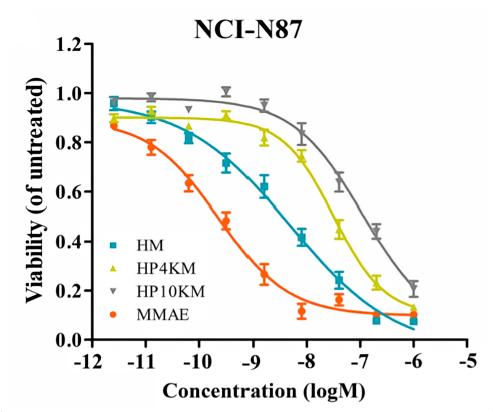 Fig.1 Curve of NCI-N87 cells viability after treatment.1
Reference
- Li, Qiyu, et al. "PEG linker improves antitumor efficacy and safety of affibody-based drug conjugates." International Journal of Molecular Sciences 22.4 (2021): 1540. Distributed under Open Access license CC BY 4.0, without modification.
 Download our brochure