NTRK Cell Panel Screening Service
Introduction to NTRK and Its Therapeutic Importance
Neurotrophic Tyrosine Receptor Kinase (NTRK) genes, including NTRK1, NTRK2, and NTRK3, are integral components in the etiology of various cancers due to their role in encoding tropomyosin receptor kinase proteins (TrkA, TrkB, and TrkC). These proteins are pivotal in neural development, cellular proliferation, and survival, making their dysregulation significant in oncogenesis. The presence of NTRK gene fusions has been identified across a range of malignancies, contributing to the continuous activation of oncogenic pathways. Recognizing these fusions in tumors can guide targeted therapy, offering potential relief through the implementation of Trk inhibitors. These therapies leverage the unique vulnerabilities of tumors harboring NTRK fusions, underscoring the necessity for precise detection and therapeutic intervention strategies.
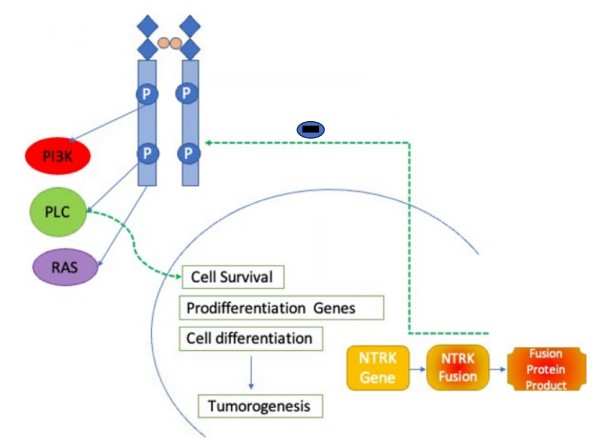 Fig.1 The mechanism of action of NTRK inhibitors.1
Our NTRK Cell Panel Screening Service
At Creative Biolabs, the NTRK cell-based panel screening service is meticulously designed to facilitate the identification of therapeutic responses across a diverse array of cancer cell lines. This service is engineered to provide comprehensive insights into the pharmacological profiles of TRK inhibitors, aiding in the refinement of therapeutic strategies. Utilizing both 2D and 3D cell culture systems enhances the physiological relevance of the findings, ensuring robust translational applicability.
Service Contents
Our NTRK cell-based panel screening service encompasses:
Comprehensive Panel Screening:
Evaluation of up to hundreds of cancer cell lines, including those with known NTRK fusions, to discern drug efficacy and potency.
Variable Assay Formats:
Utilization of both single-agent and combination drug screens to determine synergistic effects and resistance mechanisms.
Advanced 3D Culturing Techniques:
Long-term assays in spheroids and organoids to mimic in vivo tumor environments.
Custom Screening Solutions:
Tailored assay development to address specific research queries and clinical objectives.
Featured Technology and Platform
Creative Biolabs employs state-of-the-art technologies to ensure accurate and reliable screening outcomes. The integration of high-content imaging and flow cytometry allows for detailed cell population analysis, while proprietary liquid chromatography mass spectrometry systems facilitate metabolite profiling. The use of 3D culture systems further enhances the physiological relevance of the assays, providing insights into tissue architecture and cell-matrix interactions vital for therapeutic evaluation.
Features of Our Service
Creative Biolabs distinguishes itself by offering:
- Customizability: Flexible assay platforms tailored to specific research and clinical needs.
- Translational Relevance: Systems biology approaches that ensure findings are applicable in clinical settings.
- Comprehensive Support: Expert consultation and data analysis to assist in decision-making processes.
Frequently Asked Questions
Q1: What is the advantage of using both 2D and 3D cultures in screening?
A1: While 2D cultures are valuable for high-throughput screening, 3D cultures better replicate the tumor microenvironment, offering insights into cellular responses and drug penetration dynamics that are more reflective of in vivo conditions.
Q2: How does the service support biomarker discovery efforts?
A2: By integrating genomic and proteomic technologies, our screening assays can identify expression patterns associated with drug response, providing potential biomarkers that predict treatment efficacy and patient outcomes.
Creative Biolabs is dedicated to advancing cancer therapeutics through meticulous and pioneering NTRK cell-based panel screening services. Engaging with our services ensures access to unparalleled expertise and cutting-edge technological resources.
Reference
- Theik, Nyein Wint Yee, et al. "NTRK Therapy among Different Types of Cancers, Review and Future Perspectives." International Journal of Molecular Sciences 25.4 (2024): 2366. Distributed under Open Access License CC BY 4.0, without modification.
 Download our brochure