Lipid-Based Drug Delivery Systems in COVID-19 Treatment
Background Treatment Strategies Creative Biolabs' Solutions Applications Workflow Published Data Related Services Resources
As the global scientific community continues to battle COVID-19, innovative therapeutic approaches are constantly emerging. Lipid-based drug delivery systems have shown great potential in the treatment of COVID-19. At Creative Biolabs, we are dedicated to advancing research and application in this field, providing comprehensive solutions to help researchers overcome challenges and accelerate the development of effective treatments.
Background of COVID-19
SARS-CoV-2, the causative agent of COVID-19, quickly evolved into a worldwide pandemic, exerting significant influence on global public health and healthcare infrastructure. Categorized within the Coronaviridae family, this RNA virus ranks as the third most pathogenic virus affecting humans, preceded only by SARS-CoV and MERS-CoV. Primarily targeting the respiratory system, COVID-19 can also affect other organs. Clinical presentations vary widely, encompassing mild influenza-like symptoms (such as fever, cough, and fatigue) and progressing to severe respiratory compromise and multi-organ dysfunction. Associated complications frequently observed include pneumonia, ARDS, thromboembolic incidents, myocarditis, and neurological disturbances.
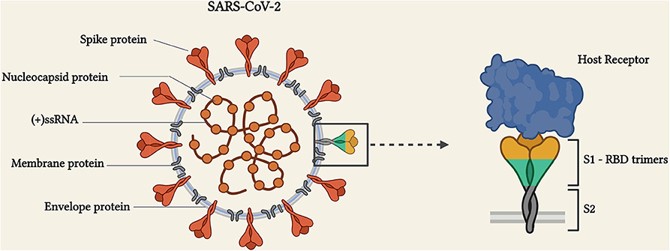 Fig. 1 Schematic representation of the SARS-CoV-2 structure and spike-receptor binding mechanism.1,4
Treatment Strategies for COVID-19
Various therapeutic approaches, including vaccines, antiviral therapies, and innovative technologies such as gene and cell-based treatments, played crucial roles in combating the COVID-19. These strategies not only provided solutions for COVID-19 but also laid the foundation for future research on emerging viral Infections.
-
Vaccines: Vaccines are the most effective means of preventing and controlling infectious diseases. The types of COVID-19 vaccines currently under research mainly include inactivated vaccines, attenuated live vaccines, nucleic acid vaccines (DNA vaccines and mRNA vaccines), protein subunit vaccines and viral vector vaccines. Among them, mRNA vaccines have the characteristics of safety, effectiveness and short research and development cycle, and may be more suitable for the prevention of sudden infectious diseases of COVID-19.
-
Antiviral Therapy: These therapies aim to directly inhibit viral replication or interfere with the viral life cycle. These include protease inhibitors, RNA polymerase inhibitors, monoclonal antibodies, reverse transcriptase inhibitors, and ACE2 receptor inhibitors.
-
Gene Therapy: Emerging as a promising area, gene editing technologies offer the potential to directly target and modify host cell factors crucial for viral entry and replication.
-
RNA Interference (RNAi): This mechanism involves using small RNA molecules to silence specific viral genes, thereby preventing the production of viral proteins essential for replication and pathogenesis.
-
Stem Cell Therapy: Investigations into mesenchymal stem cells (MSCs) for COVID-19 are underway, focusing on their immunomodulatory and regenerative properties to alleviate lung inflammation and repair damaged tissues in severe cases.
Despite these advancements, significant difficulties and challenges persist in COVID-19 treatment. These include the emergence of new viral variants, the need for improved drug efficacy and reduced side effects, challenges in systemic drug distribution to target sites like the lungs, and the inherent instability of certain therapeutic molecules (e.g., mRNA, siRNAs, peptides). Conventional drug delivery often faces issues with poor solubility, rapid degradation, and non-specific biodistribution. At Creative Biolabs, we are committed to exploring how lipid-based drug delivery systems can enhance the efficacy and safety of these treatments, providing researchers with innovative solutions to address the complexities of COVID-19.
How Creative Biolabs' Lipid-Based Drug Delivery Systems Can Assist Your Project
Our expertise in designing and formulating these systems enables enhanced drug stability, targeted delivery to infected cells or tissues, improved bioavailability, and reduced systemic toxicity, thereby overcoming many of the limitations of traditional therapeutic approaches for COVID-19. We provide comprehensive services from concept to clinical readiness, ensuring your novel compounds achieve their full therapeutic potential.
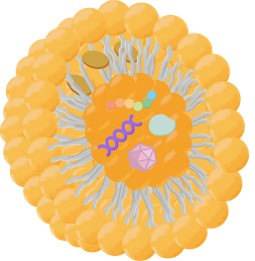
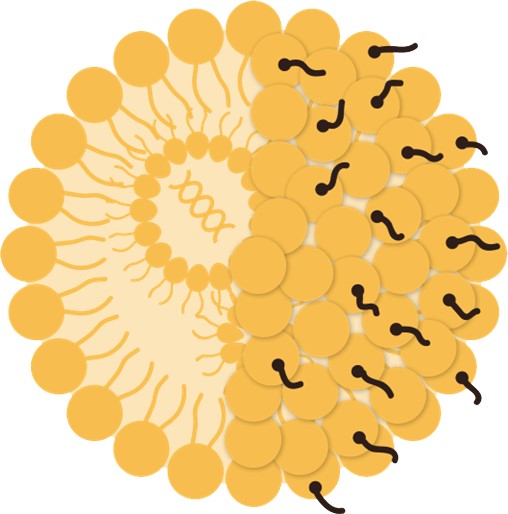
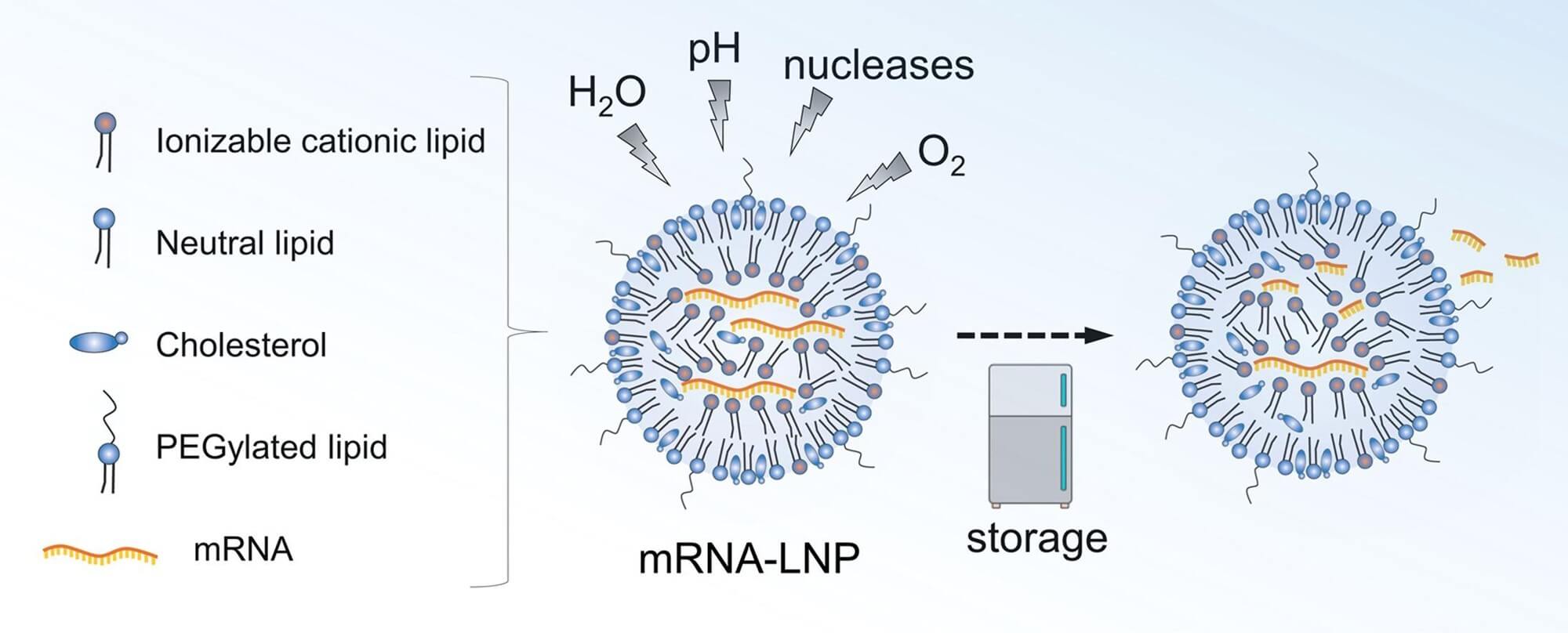 Fig. 2 mRNA-lipid nanoparticle COVID-19 vaccines: Structure and stability.2,4
-
mRNA Vaccine Delivery: Our expertise includes the precise engineering of lipid nanoparticles (LNPs) and lipoplexes, which are critical for protecting mRNA from degradation and facilitating efficient delivery into target cells. Our automated platforms provide stronger advantages in terms of time and cost, significantly accelerating your vaccine development timelines.
-
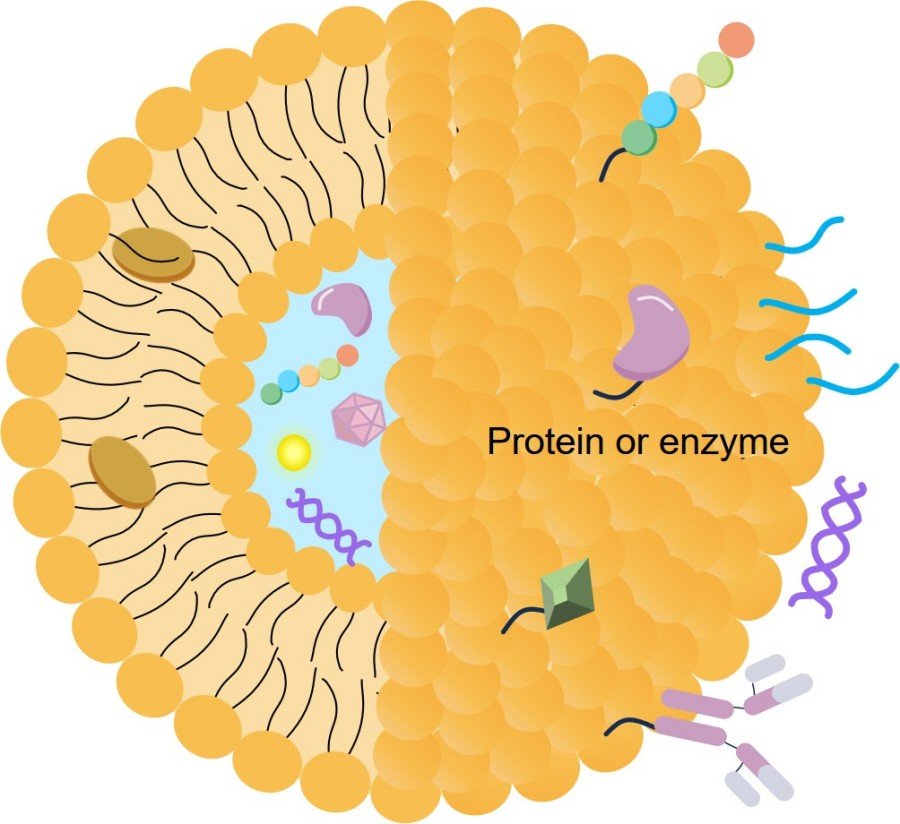
Encapsulation of Antiviral Drugs: Creative Biolabs offer robust solutions for encapsulating a wide array of antiviral drugs. We utilize a range of lipid-based drug delivery systems, such as liposomes, LNPs, nanoemulsions, and solid lipid nanoparticles (SLNs), are optimized to enhance the solubility, stability, and cellular uptake of these crucial therapeutic agents.
-
Gene Editing: For advanced therapeutic approaches, Creative Biolabs provides specialized lipid delivery systems designed to efficiently transport gene-editing components into target cells.
-
Lung-Targeted Delivery: Given that COVID-19 primarily affects the lungs, efficient and targeted delivery to respiratory tissues is paramount. Our lipid-based drug delivery systems are engineered for optimal lung accumulation and cellular uptake, ensuring that therapeutic concentrations are achieved at the primary site of infection while minimizing systemic exposure and potential side effects.
Applications in COVID-19 Research
Directly inhibiting viral replication remains a cornerstone of COVID-19 therapy. However, many antiviral compounds suffer from poor solubility, rapid clearance, or limited penetration into infected tissues.
Creative Biolabs' lipid-based drug delivery systems can significantly enhance the performance of antiviral agents.
-
Improved Solubility & Stability: Encapsulating poorly soluble drugs like nucleoside analogs within liposomes and LNPs improves their stability and prevents rapid degradation.
-
Enhanced Lung Delivery: Our formulations can be designed to preferentially deposit in the lungs, increasing local drug concentrations where the virus primarily replicates.
-
Prolonged Action: Slow release from the lipid carrier ensures sustained drug levels, potentially reducing the frequency of administration.
By improving the pharmacokinetics and pharmacodynamics of existing or novel antivirals, our delivery systems offer a powerful tool for researchers developing more effective COVID-19 treatments.
Learn more about our lipid-based formulations for antiviral research
The development of mRNA vaccines against COVID-19 has demonstrated the immense potential of nucleic acid-based therapies. Similarly, siRNA offers a powerful tool to silence specific viral or host genes involved in COVID-19 pathogenesis.
Creative Biolabs' lipid-based drug delivery systems are at the forefront of enabling these advanced therapies.
-
Efficient Delivery of mRNA/siRNA: Our LNPs provide a safe and effective vehicle for delivering mRNA encoding antiviral proteins or siRNA targeting viral genes directly into host cells.
-
Lung Targeting: Formulations can be optimized for inhalation, allowing direct delivery of nucleic acid therapeutics to the lungs with potentially lower systemic exposure.
-
Research Tool: Our delivery systems can be used as a platform to study the efficacy of novel nucleic acid sequences targeting SARS-CoV-2 or host factors.
By facilitating the delivery of these cutting-edge therapeutics, our delivery systems empower researchers to explore innovative strategies for combating COVID-19.
Discover our LNPs for nucleic acid delivery
Workflow for Lipid-Based Drug Delivery Systems Development for COVID-19
Published Data
Camostat Mesylate (Camo), a TMPRSS2 inhibitor, has shown potential in inhibiting virus-cell membrane fusion and viral multiplication. Researchers successfully prepared camo-loaded liposomes(Camo-pegNLs) using DPPC, DOPE-PEG and cholesterol. These liposomes demonstrated remarkable efficacy in delivering camo directly to the lungs, where the SARS-CoV-2 virus primarily infects host cells. With a particle size of 167.50 ± 0.90 nm, the nanoliposomes showed an extended release profile up to 24 hours, ensuring sustained drug action. In vitro studies using Vero cells revealed significant antiviral effects, indicating the potential of this system to inhibit viral replication and reduce the severity of COVID-19 symptoms.
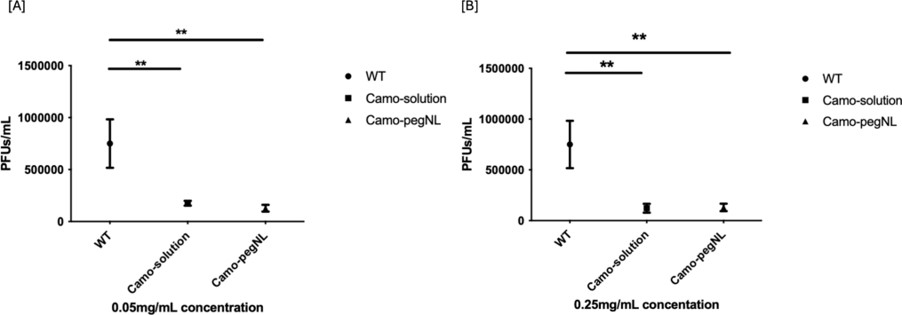 Fig. 3 Camo-pegNLs suppress viral titers in SARS-CoV- 2 infected cells.3,4
By utilizing similar lipid-based systems, Creative Biolabs can create targeted therapies that contribute to the global fight against COVID-19.
Lipid-based drug delivery systems hold significant promise for the treatment of COVID-19 by improving drug efficacy and safety. Creative Biolabs, with its expertise, comprehensive services, and innovative technology, is well-positioned to assist researchers in advancing their projects and developing effective lipid-based therapeutics for COVID-19. Whether you are developing novel antiviral agents, mRNA vaccines, or gene therapies, our expertise ensures your drug candidates reach their full potential. If you are interested in our lipid-based drug delivery systems or would like to collaborate on COVID-19 research, please feel free to contact us.
Related Services
Resources
References
-
Cardoso, Valéria Maria de Oliveira, et al. "Is nanotechnology helping in the fight against COVID-19?." Frontiers in Nanotechnology 2 (2020): 588915. doi: 10.3389/fnano.2020.588915.
-
Schoenmaker, Linde, et al. "mRNA-lipid nanoparticle COVID-19 vaccines: Structure and stability." International journal of pharmaceutics 601 (2021): 120586. doi:10.1016/j.ijpharm.2021.120586.
-
Kashikar, Rama, et al. "Formulation and In-Vitro Testing of Nebulized Camostat Mesylate Loaded Nanoliposomes for the Treatment of SARS-CoV-2 Infection." AAPS PharmSciTech 26.5 (2025): 1-18. doi:10.1208/s12249-025-03099-3.
-
Distributed under Open Access license CC BY 4.0, without modification.

For Research Use Only. Not For Clinical Use