Syngeneic Model Service
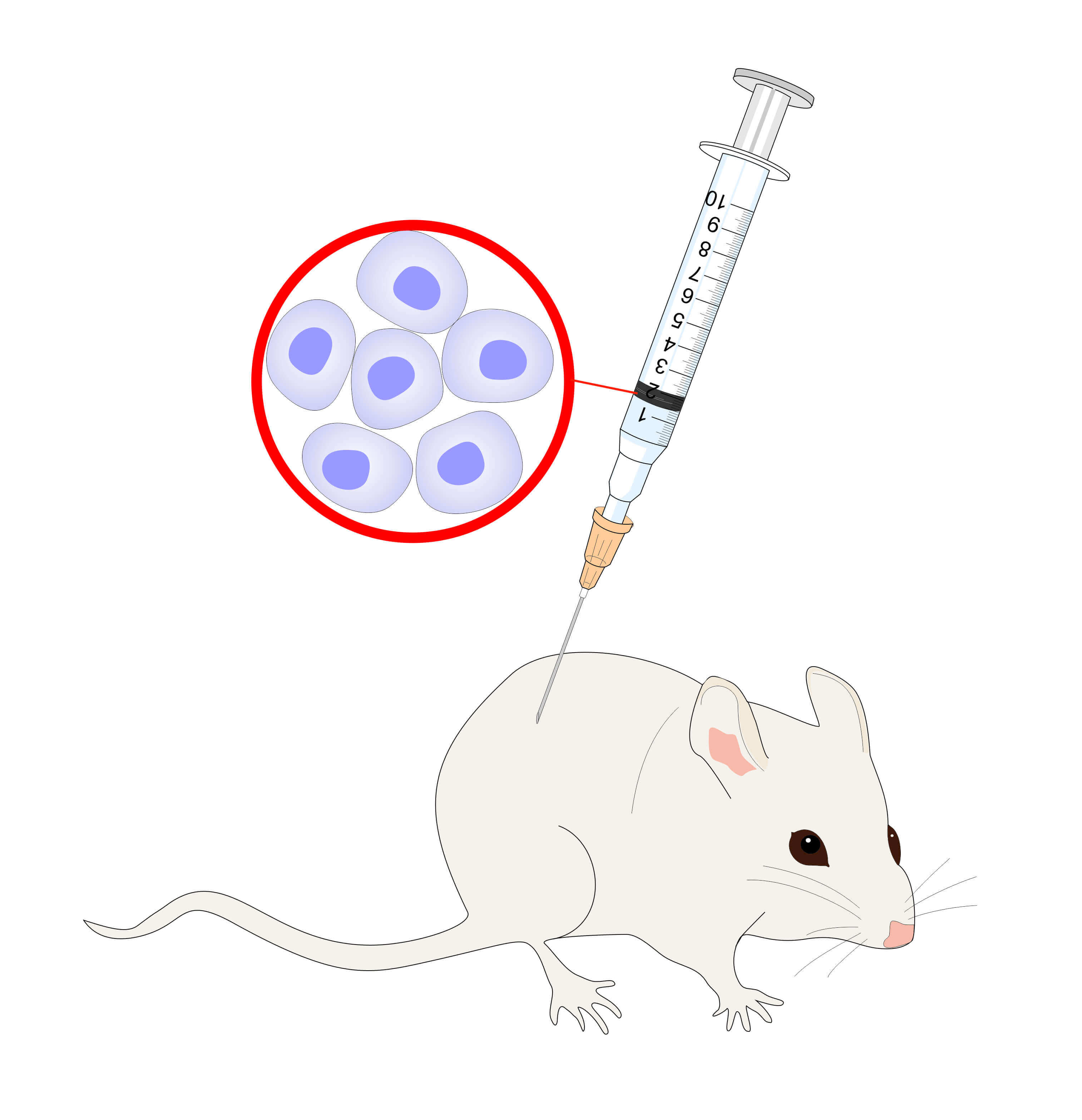
To test the cancer immunotherapies in a functional immune system in preclinical tests, syngeneic mouse models act as one of the most appropriate models to evaluate your immunotherapies and fast-track in vivo screening. Creative Biolabs is dedicated to providing a comprehensive service of syngeneic animal models to facilitate your drug candidate evaluation.
Introduction
Syngeneic tumor models represent a cornerstone of preclinical oncology, designed to bridge the gap between experimental research and clinical application. These models involve the transplantation of tumor cells into genetically identical murine hosts, preserving the integrity of the immune system. By doing so, they enable precise evaluation of immunotherapies, including checkpoint inhibitors, CAR-T therapies, and bispecific antibodies, under conditions that closely mimic the natural tumor-immune interaction.
Advancing Immunotherapy with Syngeneic Models
Cancer immunotherapies are designed as an artificial way to work in conjunction with the patient's natural immune system to fight cancer. While traditional xenograft models (cell line-derived xenografted models and patient-derived xenografted models) are limited by their immunocompromised status and humanized models are hindered by high cost and experimental complexity, syngeneic models stand out as a cost-effective and powerful approach. With their fully functional immune system, syngeneic models enable native tumor-immune interactions, offering a more accurate platform to evaluate the performance of cancer immunotherapies in preclinical studies.
| Syngeneic Models | Xenograft Models | Humanized Models | |
|---|---|---|---|
| Immune System Integrity | Fully functional | Compromised | Reconstituted human immune system |
| Tumor-Immune Interactions | Native and intact | Limited | Closely mimics human responses |
| Cost | Cost-effective | Low cost | High cost |
| Experimental Complexity | Moderate | Low | High |
| Clinical Relevance | Moderate | Limited | High |
Our Syngeneic Model Solutions
Creative Biolabs provides a wide range of syngeneic mouse models with well-characterized responses to known immunotherapies including immune checkpoint inhibitors, immune profiling and genetic evaluations. Empowered with a broad portfolio of syngeneic models that can respond to known immunotherapies and CDX, PDX and humanized models, Creative Biolabs is your ideal partner to advance your cancer immunotherapy discovery and development pipeline. We offer a collection of over 30 syngeneic mouse models available for your efficacy studies, covering a variety of cancer types.
| Carcinomas (Epithelial Origin) | Cell Line Examples | Applications |
|---|---|---|
| Breast | 4T1, EMT-6, JC, EMT-6-BRCA1(−/−), EMT-6-BRCA1(+/−), 4T1-BRCA1(+/−) | Evaluating metastatic breast cancer therapies, BRCA1-targeted drug testing. |
| Lung | KLN 205, Lewis Lung, Madison109, LL/2(LLC1) | Testing therapies for non-small cell lung cancer (NSCLC), immune profiling in lung tumors. |
| Colon | Colon26, CT26, WT | Developing colorectal cancer immunotherapies, studying checkpoint inhibitor resistance. |
| Gastric | mfc | Testing gastric cancer therapeutics, tumor-immune interaction profiling. |
| Prostate | RM-1 | Evaluating prostate cancer immunotherapies, androgen-independent tumor studies. |
| Renal | Renca, RAG | Evaluating immune-renal tumor interactions, combination therapy testing. |
| Bladder | MBT-2 | Immune checkpoint inhibitor studies, urothelial cancer progression analysis. |
| Liver | H22, Hepa 1-6 | Evaluating T-cell infiltration in hepatocellular carcinoma, checkpoint blockade studies. |
| Hematological Malignancies | Cell Line Examples | Applications |
| Lymphoma | A20, E.G7-OVA, L5178-R(LY-R), EL4, P388D1, YAC-1 | Analyzing lymphoid malignancy treatments, studying CAR-T cell efficacy. |
| Leukemia | C1498, L1210, P388 | Testing therapies for acute myeloid leukemia (AML), T-cell-based immunotherapy studies. |
| Myeloma | MPC-11, J558, P3X63Ag8U.1, SP2/0, FO | Developing treatments for multiple myeloma, evaluating immune checkpoints in plasma cells. |
| Nervous System Tumors | Cell Line Examples | Applications |
| Brain | GL261 | Testing CNS-penetrating therapies, glioblastoma multiforme research. |
| Glioma | GL261 Red-Fluc | Imaging-guided therapy development, tumor microenvironment studies. |
| Neuroblastoma | N1E-115, Neuro-2a | Investigating pediatric neuroblastoma therapies, immunomodulator evaluations. |
| Skin and Soft Tissue Tumors | Cell Line Examples | Applications |
| Melanoma | B16F10, CloudmanS91, B16-BL6, B16-F0, B16-F1 | Investigating immunotherapy resistance, studying TME-targeted therapies. |
| Fibrosarcoma | WEHI 164 | Studying connective tissue cancers, evaluating tumor-associated macrophage therapies. |
| Sarcoma | EHS, K7M2 WT | Testing immunotherapy in sarcomas, studying antigen-specific T-cell infiltration. |
| Other | Cell Line Examples | Applications |
| Testis | MLTC-1 | Studying testicular cancer treatments, investigating tumor-derived antigen presentation. |
Talk to an Expert →
Detailed Workflow
Creative Biolabs offers customized immuno-oncology preclinical research services to accelerate your immunotherapy development. Our expert team employs cutting-edge technologies and extensive experience to provide comprehensive support for your research.
Phase 1: Project Design and Planning
Client-Centric Customization
We tailor experimental protocols to align with your specific research goals, including therapeutic targets, cancer types, and desired endpoints. Our approach ensures that each study is uniquely designed to meet your project's requirements.
Pre-Study Modeling
Pilot studies are conducted to optimize tumor growth conditions, determine appropriate dosing regimens, and establish baseline data for comparison. This preparatory phase maximizes the relevance and efficiency of the main study.
Phase 2: Model Establishment
Tumor Implantation
We offer various implantation methods, including subcutaneous, orthotopic, and metastatic models. Each method is selected based on your study objectives, whether it's monitoring primary tumor growth or investigating metastatic potential.
Therapeutic Administration
Treatments, including checkpoint inhibitors, CAR-T cells, or combination therapies, are delivered systematically or locally. This step ensures accurate simulation of clinical conditions, providing robust data on therapeutic efficacy and safety profiles.
Phase 3: Data Collection and Analysis
Real-Time Monitoring
Tumor progression and immune cell activity are tracked using advanced imaging modalities and biomarker assays. This allows us to capture dynamic responses throughout the study, providing a comprehensive view of treatment effects.
Comprehensive Immune Profiling
We employ state-of-the-art technologies such as multi-parameter flow cytometry and single-cell RNA sequencing. These methods enable detailed evaluation of cytokine levels, immune cell populations, and tumor-infiltrating lymphocytes.
In-Depth Reporting
Our final report includes detailed statistical analyses, such as Kaplan-Meier survival curves and tumor growth kinetics. We provide actionable insights tailored to your therapeutic development needs, facilitating informed decision-making.
Why Choose Us?
To mimic the functional efficacy of immunotherapies in clinical trials, we have established a powerful platform of syngeneic models to validate candidates, evaluate in vivo efficacy, and generate predictive data for novel immunotherapies.
Comprehensive Coverage
- 20+ cancer types
- Solid tumors and hematological malignancies
Validated Accuracy
- Rigorous model validation
- High clinical relevance
Flexible Design
- Multiple implantation options
- Suitable for various therapies
Advanced Profiling
- Tumor-immune dynamics study
- Specialized checkpoint models
Accelerated Development
- Reliable testing platforms
- Preclinical to clinical transition
Client Collaboration
- Tailored study designs
- Comprehensive data analysis
Our large panel of syngeneic models are well characterized as ideal models for your immunotherapy evaluation as well as combination therapies. Creative Biolabs is fully competent to be a reliable partner to design and provide syngeneic animal models (more efficacy models) for our clients. Please contact us if you want to learn how to involve us in your project. We promise to serve you always the best.
FAQs
What are syngeneic models, and how are they used in cancer research?
Syngeneic models involve the transplantation of tumor cells into genetically identical murine hosts, maintaining a fully functional immune system. These models are pivotal for studying tumor-immune interactions, evaluating cancer immunotherapies, and testing immune checkpoint inhibitors. Their ability to mimic natural tumor progression and immune response makes them ideal for preclinical studies of cancer therapeutics.
How are immunotherapies tested in syngeneic models?
Immunotherapies are evaluated by administering the therapeutic agents, such as checkpoint inhibitors or CAR-T cells, to mice implanted with syngeneic tumors. Researchers assess immune cell infiltration, cytokine levels, and tumor regression. Advanced techniques like RNA sequencing and flow cytometry are used to profile immune responses and validate therapeutic efficacy under conditions mimicking a natural immune environment.
What advantages do syngeneic models offer for checkpoint inhibitor studies?
Syngeneic models are ideal for testing checkpoint inhibitors due to their fully intact immune system. These models allow researchers to evaluate immune checkpoint pathways, such as PD-1/PD-L1 and CTLA-4, and their modulation by therapeutic agents. The models also provide insights into immune resistance mechanisms and the synergistic effects of combination therapies in preclinical settings.
Can syngeneic models be used to study metastasis?
Yes, syngeneic models can be used to study metastasis by implanting tumor cells that are prone to metastasize, such as the 4T1 breast cancer line. Researchers can investigate metastatic progression, tumor spread to specific organs, and the effectiveness of therapies targeting metastatic pathways. This makes them invaluable for studying advanced-stage cancers and combination treatment approaches.
What data is generated from a syngeneic model study?
A syngeneic model study generates comprehensive data, including tumor growth kinetics, immune cell profiling, cytokine analysis, and gene expression data from techniques like RNA-seq. Statistical evaluations, such as survival analysis and tumor regression curves, are also included. These data provide actionable insights for optimizing immunotherapies and understanding tumor-immune interactions.
What are the limitations of syngeneic models, and how are they addressed?
The main limitation of syngeneic models is their murine immune system, which may not fully replicate human immune responses. This limitation is addressed by using complementary models, such as humanized or xenograft models, for later-stage validation. Syngeneic models remain highly valuable for early-stage immune response studies due to their cost-effectiveness and robust immune functionality.





 Humanized Models

 Download our brochure