Creative Biolabs provides relevant animal species based on your specific research goals and data expectations. You can find any species you need in our In Vivo PK unit. In addition, we offer corresponding human cell lines.
In Vitro Cross Species Comparison Service
The in vitro cross-species comparison service establishes a rigorous analytical framework for the systematic evaluation of lead candidate interactions across divergent biological systems. By generating high-resolution data regarding target affinity, metabolic stability, and intracellular signaling across multiple species in a concurrent manner, Creative Biolabs facilitates a comprehensive understanding of species-specific physiological responses. Consequently, this methodological approach empowers stakeholders to make informed, data-driven decisions during the candidate selection process, thereby potentially mitigating the significant risks associated with translational biology.
Introduction What We Can Offer How We Can Help Why Creative Biolabs Customer Review FAQs Related Services Contact Us
Why Do In Vitro Cross Species Comparison
Different species may respond differently to drugs or compounds due to variations in metabolism, receptor expression, or other factors. Therefore, conducting cross-species comparisons can provide valuable insights into the potential efficacy, safety, or toxicological profiles of compounds.
In vitro cross-species comparison is a valuable tool in preclinical drug development for assessing the translational relevance of experimental findings and improving the predictability of drug responses in humans.
Discover how we can help - Request a consultation.
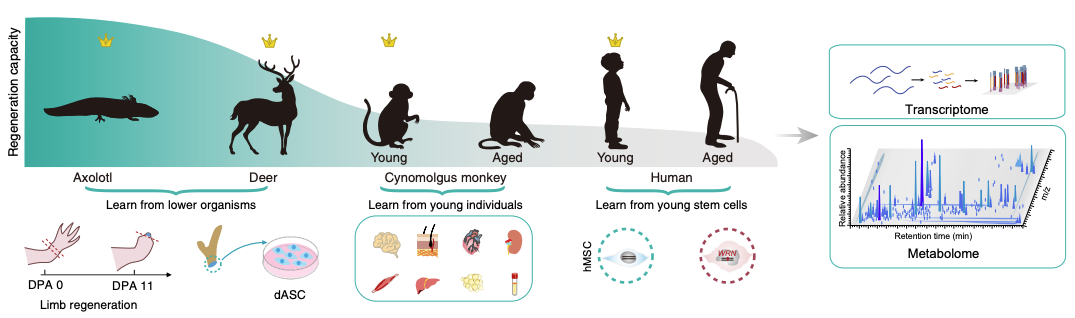 Fig.1 Flowchart of experimental design for in vitro cross-species comparison. 1
What We Can Offer
Creative Biolabs offers in vitro cross species comparisons, which use in vitro models to perform experiments to assess similarities and differences in biological responses between different species, such as drug metabolism, toxicity, or efficacy. This approach is valuable in preclinical drug development to assess the translational relevance of experimental results between animal models and humans. Here are some of the services Creative Biolabs provides:
Animal Species
In Vitro Models
Creative Biolabs offers the in vitro models you need, such as primary cells, cell lines, or organotypic cultures. These models can come from different species to help you achieve a comparison of responses from different species.
Cell-based Assays
Creative Biolabs offers a range of cell-based assays to assess various endpoints such as cell viability, proliferation, apoptosis, gene expression, or protein activity.
Comparative Transcriptomics
Comparative transcriptomics can identify expression patterns of conserved genes to identify homologs that perform the same function in different organisms, highlight genes that are critical to biological processes, and study gene evolution from the perspective of gene expression. Large-scale comparative transcriptomic analysis across species compared plant differential gene expression (DGE), gene expression profiles, co-expression networks, and quantitative trait loci (eQTLs).
If you have needs other than the above services, you can contact us directly to obtain the corresponding information.
How Creative Biolabs' service Can Assist Your Projects
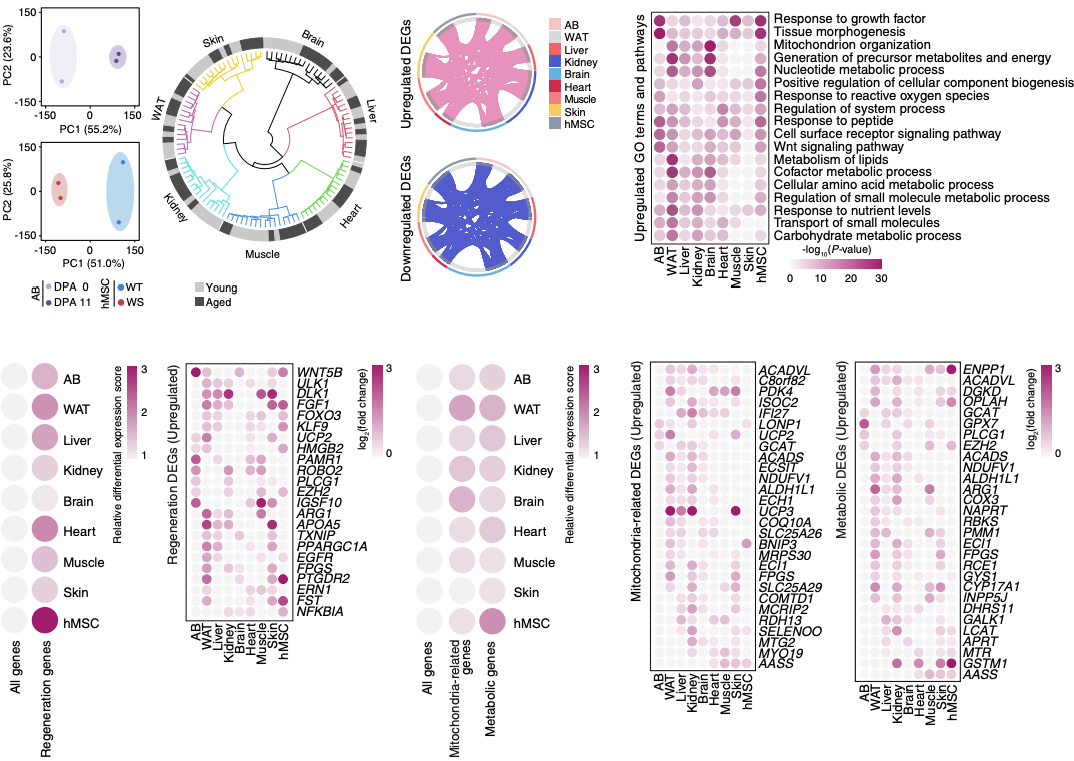
Applications of In Vitro Cross Species Comparison
| Key Applications | Unique Advantages |
|---|---|
| Drug Development | Cross-species comparison studies can help assess the translatability of preclinical findings from animal models to humans, aiding in drug candidate selection and optimization. |
| Toxicology | Evaluating the toxicity of compounds across species can help identify potential safety concerns and inform risk assessment strategies. |
| Biomarkers Discovery | Comparative studies can also be used to identify species-specific biomarkers or molecular signatures associated with drug response or disease progression. |
If you want to learn more about metabolic identification, click here!
Customer Reviews
-
Validated Metabolism
The utilization of Creative Biolabs' in vitro cross-species comparison service has markedly enhanced the predictive accuracy regarding human-specific metabolic pathways, which are frequently circumvented by traditional rodent models. - J***n S. -
Target Precision
Engagement with Creative Biolabs' in vitro cross-species comparison service has been instrumental in the advancement of our primary CAR-T research initiatives. The comparative activation assays provided robust biological evidence essential for the completion of our internal technical review. - M***a L.
FAQs
Can this service support my technical submissions?
Yes, our data provide robust evidence for technical dossiers, significantly aiding in the objective selection of relevant research models while ensuring that all developmental strategies align with current global scientific standards.
How do you handle low-clearance compounds?
We implement a specialized co-culture methodology involving extended incubation periods, which enables our team to successfully identify and capture slow-forming metabolites that traditional analytical assays frequently fail to detect.
Related Services
In Vitro ADME Screening Service
We offer comprehensive profiling of absorption, distribution, metabolism, and excretion characteristics using advanced in vitro models to optimize lead candidate properties and predict pharmacokinetic behavior across multiple species during early-stage discovery.
Learn More →Soft Spot Identification Service
We offer comprehensive profiling of absorption, distribution, metabolism, and excretion characteristics using advanced in vitro models to optimize lead candidate properties and predict pharmacokinetic behavior across multiple species during early-stage discovery.
Learn More →How to Contact Us
Creative Biolabs provides an advanced in vitro cross-species comparison service designed to facilitate biological coherence between disparate systems. To expedite research objectives, Creative Biolabs maintains a staff of technical specialists available to formulate comprehensive project proposals tailored to specific scientific requirements. Please feel free to contact us.
Reference
- Liu, Zunpeng et al. "Cross-species metabolomic analysis identifies uridine as a potent regeneration promoting factor." Cell discovery vol. 8,1 6. 1 Feb. 2022. Distributed under an Open Access license CC BY 4.0, without modification. https://doi.org/10.1038/s41421-021-00361-3
 Download our brochure
Loading case studies...
Online Inquiry