Identifying immune checkpoint proteins (PD-1/PD-L1) that might be overexpressed in thyroid cancer.
Thyroid Cancer Related Tumor Profiling Service
Creative Biolabs, a leader in tumor profiling services, offers state-of-the-art tools and platforms to support researchers in exploring the complex mechanisms of thyroid cancer.
Talk to an Expert →
Although thyroid cancer is among the most treatable cancers on the planet, the complexity and heterogeneity of its molecular anatomy is still a research problem. Tumor profiling, another new cancer tool, enables us to unlock insight into the genetic and molecular nature of tumors. Creative Biolabs' Immuno-oncology tumor profiling services provide researchers with a means to analyze the microenvironment and immune system of the tumor, in order to design new immunotherapies and stronger cancer treatments. We provide groundbreaking tumor profiling products for the scientific study of thyroid cancer and help researchers identify the genetic mutations, gene expression signatures, and tumor microenvironment alteration specific to subtypes of thyroid cancer.
How Do We Help Your Tumor Profiling?
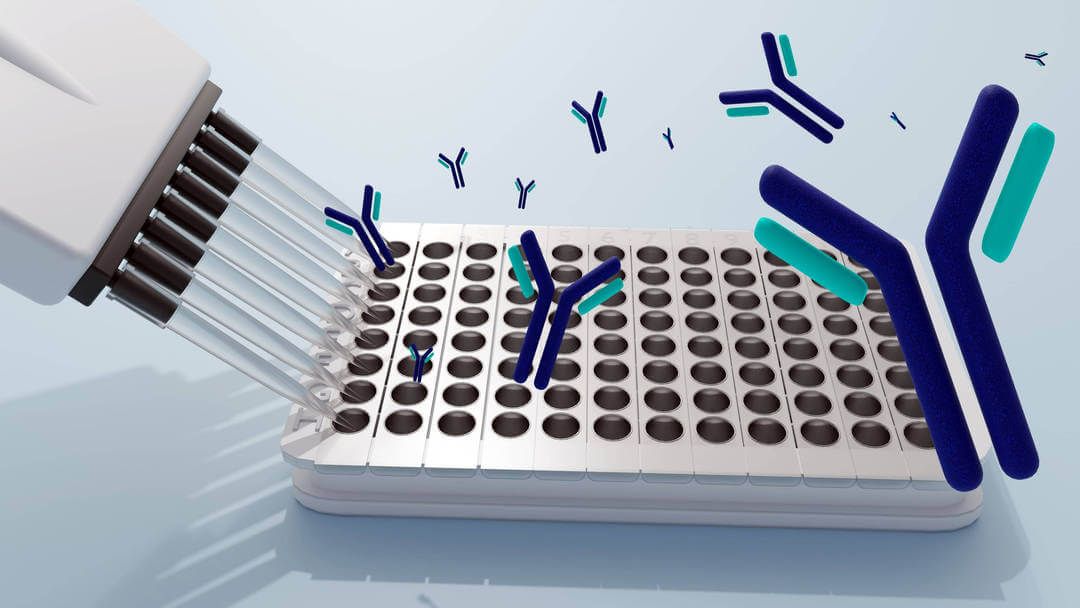
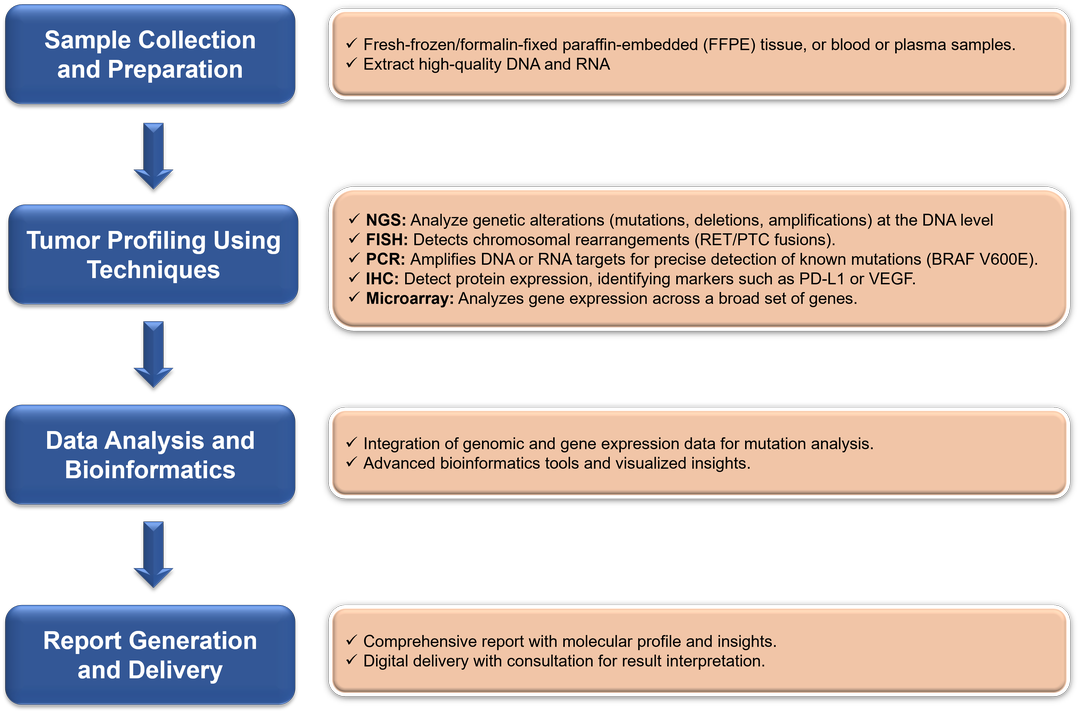 Fig.1 Streamlined Workflow for Detailed Tumor Profiling.
Why Tumor Profiling is Essential for Thyroid Cancer?
Tumor Heterogeneity and the Complexity of Thyroid Cancer
Thyroid cancer differs enormously in molecular makeup between its subtypes – papillary thyroid carcinoma (PTC), follicular thyroid carcinoma (FTC), anaplastic thyroid carcinoma (ATC), and medullary thyroid carcinoma (MTC). All these subtypes have different genetic, epigenetic, and histopathological features that influence patient outcomes and treatment responses. Molecular heterogeneity is one of the greatest hurdles to understanding thyroid cancer. Mutations in genes (BRAF V600E PTC mutations, RET/PTC fusions), gene expression, and tumor microenvironment within and between tumors make it increasingly difficult to identify, predict, and manage. These distinctions are essential to precision medicine, and precision tumor profiling is a prerequisite.
Recent advances in tumor profiling have allowed scientists to spot this difference at the sub-cellular level. Recent advances in techniques such as Next-Generation Sequencing (NGS), Fluorescence In Situ Hybridization (FISH), and Immunohistochemistry (IHC) have transformed the way we can characterize thyroid cancer by determining the major genetic mutations, gene expression, and changes in the tumor microenvironment. Such technologies not only offer molecular insight into thyroid cancer subtypes, but they also offer a view of the tumor's relationship to the microenvironment in which it resides, and so to its potential growth and drug response.
Exploring Key Molecular Pathways in Thyroid Cancer
The path to new therapeutic targets and novel therapies lies in a thorough grasp of thyroid cancer's molecular biology. Multiple molecular pathways are involved in the initiation and progression of thyroid cancer, including the MAPK/ERK and PI3K/Akt pathways that are extremely activated in PTC and ATC thyroid cancers. In uncovering these pathways in a more precise manner, tumor profiling informs researchers exactly what has changed in thyroid cancer. BRAF and RET/PTC mutations, for example, can trigger the MAPK signaling cascade that fuels cell proliferation. Similarly, PI3K/Akt plays a role in the survival and anti-tumor resistance of cells, making it an easy target for molecular inhibitors.
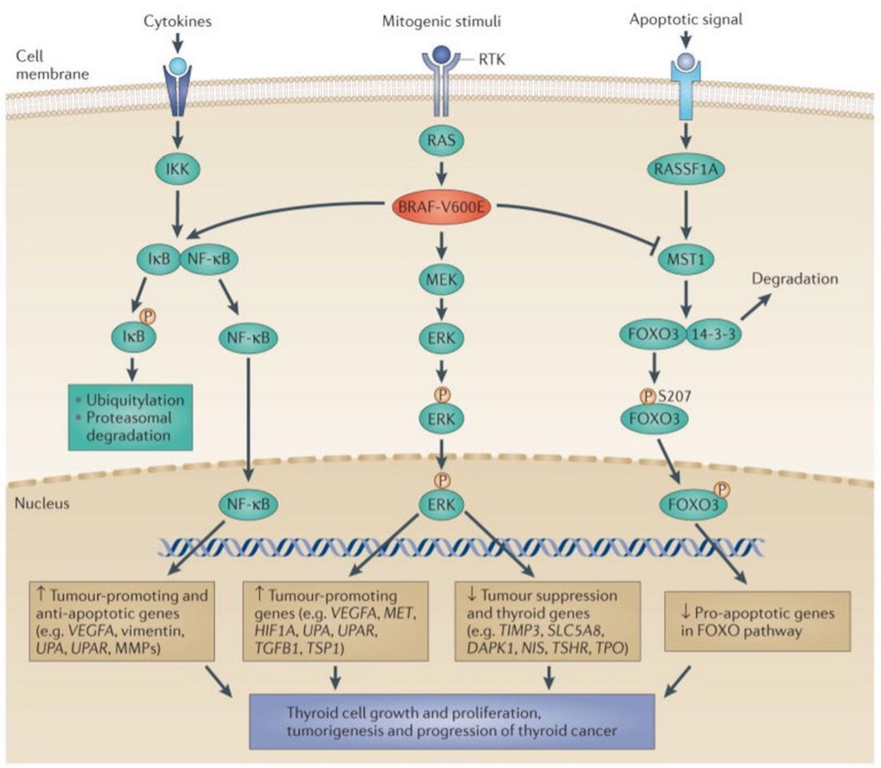 Fig.2 The MAPK and Related Pathways in Thyroid Cancer.1
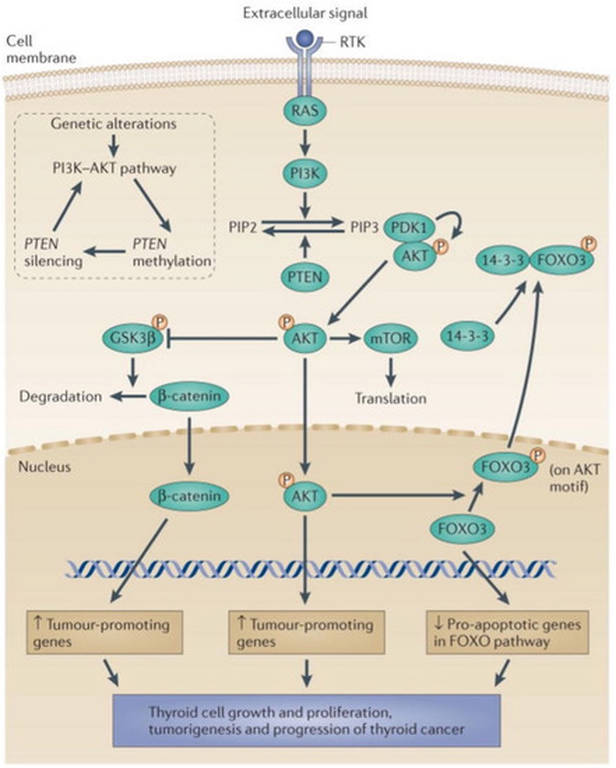 Fig.3 The PI3K-AKT and Related Pathways in Thyroid Cancer.1
Scientific Research Needs and Challenges
Thyroid cancer research demands the best molecular information available as scientists try to optimize individual treatments and find new biomarkers. Thyroid cancer tumor profiling can reveal what's on the genetic and molecular menu for thyroid cancer by revealing mutations, gene-expression changes, and non-coding RNA variations that make tumors resistant to treatment. Thyroid cancer research also suffers from a scarcity of robust molecular biomarkers for early detection, prognostic and multi-omics transcriptomic, genomic, and proteomic information. These limitations are shattered by Creative Biolabs' tumor profiling services for thyroid cancer research, where innovative technologies make it possible for scientists to obtain molecular insights.
Current Research Hotspots: Tumor Immunology and Targeted Therapies
Immuno-oncology is rapidly emerging as a critical research area in thyroid cancer, as tumors often evade immune detection. By understanding the immune landscape of thyroid cancer, we may understand how tumors evade immune detection and how immunotherapies intervene. Key hotspots include:
Tumor Immune Evasion
Cancer Stem Cells (CSCs)
The potential impact of CSCs on thyroid cancer progression and resistance to therapies.
MicroRNAs and Non-Coding RNAs
Understanding how these molecules regulate cancer progression and immune responses.
Help You with New Biomarkers Development
Discovery of Novel Biomarkers for Thyroid Cancer
Thyroid cancer science relies on discovering new biomarkers. Tumor profiling enables scientists to find the genetic mutations, epigenetic and gene-expression changes needed for detection, progression, and treatment response. Emerging biomarkers can be detected using high-throughput tumor profiling techniques such as Next-Generation Sequencing (NGS), Polymerase Chain Reaction (PCR), and Fluorescence In Situ Hybridization (FISH). Such biomarkers can be applied to determine thyroid cancer subtypes, and possibly even early-stage tumors, metastatic risk, and drug resistance. Detecting BRAF mutations in PTC, RET/PTC fusions in PTC and MTC, and TP53 mutations in ATC are critical for improving diagnostic accuracy. In addition, microRNAs and long non-coding RNAs were proposed as potential biomarkers for thyroid cancer survival and drug resistance.
Biomarker Screening and Validation
Tumor profiling helps you validate biomarkers for many different types of cancers. For example, PCR tumor profiling (e.g., PCR Tumor Profiling Service) may detect mutations in important genes and validate them in humans and animals. Further, Immunohistochemistry (IHC) is an effective technique for verifying protein expression of identified biomarkers. Creative Biolabs guides scientists through every step of the biomarker discovery and validation journey. From genomic testing to clinical validation of biomarkers, our experience allows us to easily identify the biomarkers that will be of interest in both research and therapies.
Discuss Your Project →
Top Technologies You Can Trust
Tumor profiling techniques are evolving, which means that there are new possibilities to better unravel the mysteries of thyroid cancer. They are essential for deciphering the molecular anatomy of thyroid tumors and can play a critical role in the search for novel therapeutic targets and biomarkers. Here are some cutting-edge tools that Creative Biolabs offers to help study thyroid cancer:
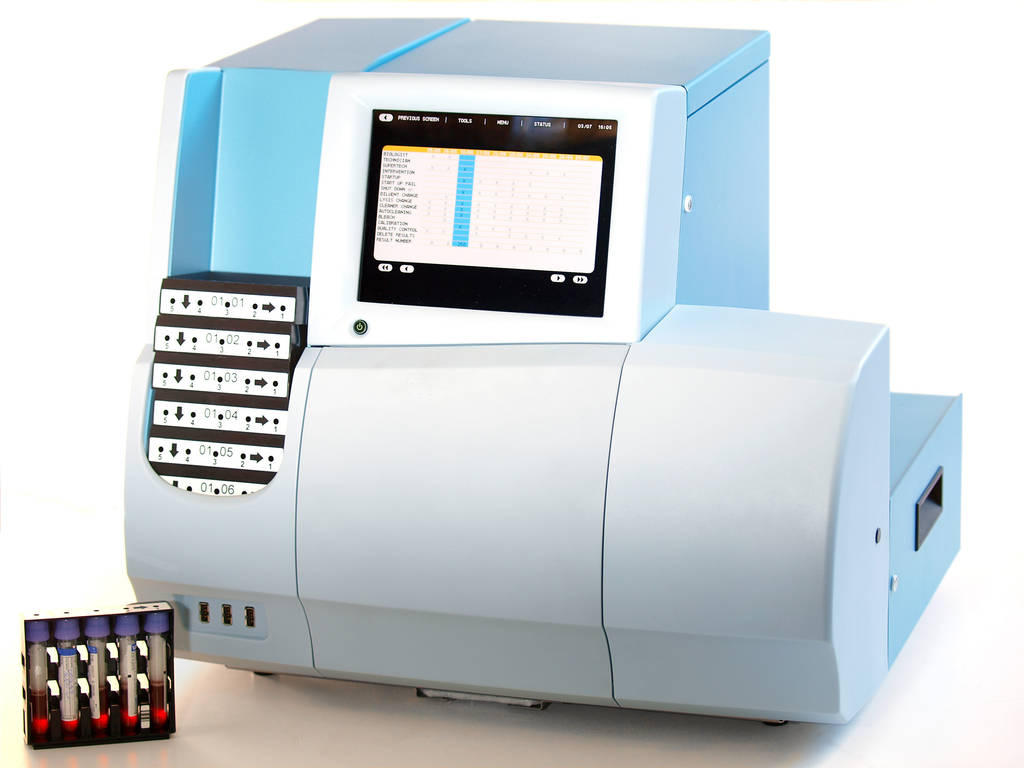
1. Next-Generation Sequencing (NGS)
By capturing tumor genomes on a high-throughput basis, next-generation sequencing (NGS) will enable a full picture of genetic changes including mutations and gene rearrangements in thyroid cancer. It's invaluable for pinpointing key mutations, such as BRAF and RET/PTC, involved in the onset of thyroid cancer. NGS provides unparalleled sensitivity and resolution for detailed mapping of genetic diversity in cancers. It is an indispensable technology for research and clinical applications, particularly precision medicine and targeted therapies.
Explore NGS-based tumor profiling services.
2. Fluorescence In Situ Hybridization (FISH)
Fluorescence In Situ Hybridization (FISH) is a powerful tool that can be used to see a certain sequence of genetic material in tissue. It is particularly useful for chromosomal changes related to thyroid cancer, such as RET fusions and chromosome amplifications. FISH is extremely sensitive to detect subtle genetic mutations and is therefore useful for early detection and biomarker search in thyroid cancer. This approach is important to understanding the genetic mechanisms of tumor growth.
Learn more about FISH-based tumor profiling.

3. Polymerase Chain Reaction (PCR)-based Tumor Profiling
Polymerase Chain Reaction (PCR) is a popular and versatile technique to extract specific DNA sequences, which makes it the ideal method to look for genetic changes and mutations in thyroid cancer. It's typically used to look for specific mutations (BRAF, RET/PTC, etc.) and to determine gene expression profiles. PCR is highly sensitive and will catch low-frequency mutations that give us insight into the molecular pathology of thyroid cancer. It is an important resource for targeted therapies.
Explore PCR-based tumor profiling services.
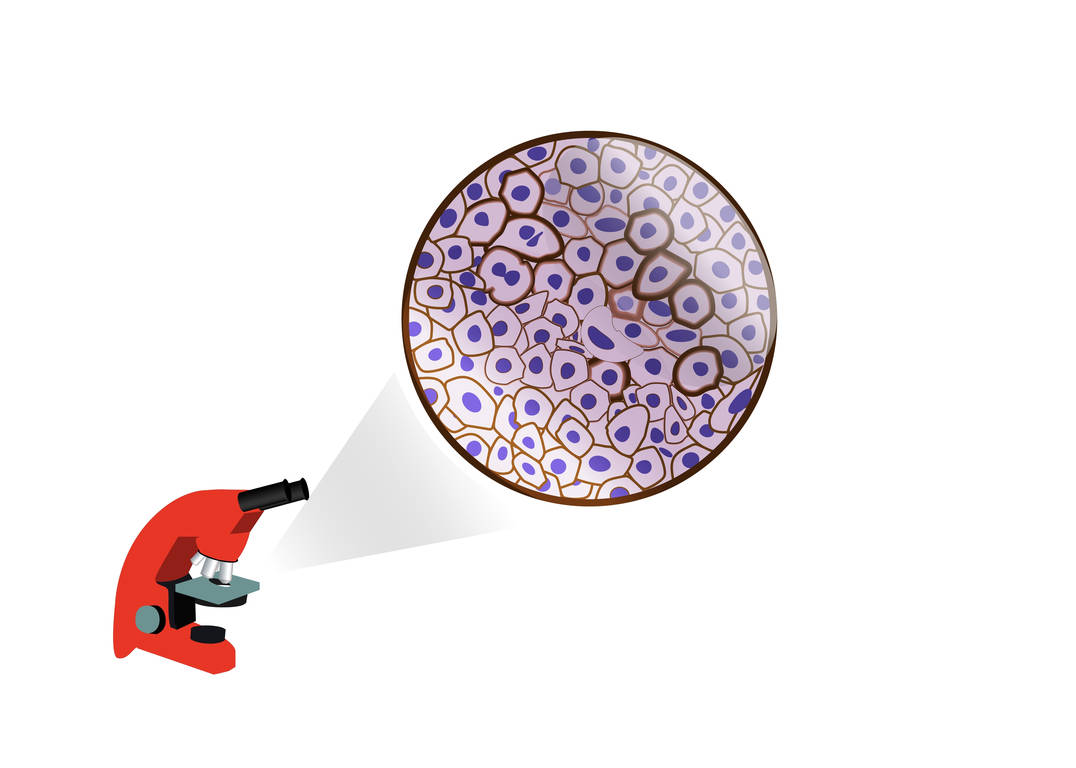
4. Immunohistochemistry (IHC)-based Tumor Profiling
Immunohistochemistry (IHC) is an essential technique that can identify specific proteins in tissues. Using antibodies to identify tumor markers, IHC is used to measure protein expression of important markers such as p53, Ki67 and Galectin-3 in thyroid cancer. This technique not only yields useful spatiotemporal information about the location of proteins in tissue but also helps to understand the biology of tumors and the interactions between them in the tumor microenvironment. IHC is the cornerstone for tailoring individual therapies based on individual tumor types.
Learn more about IHC-based tumor profiling services.
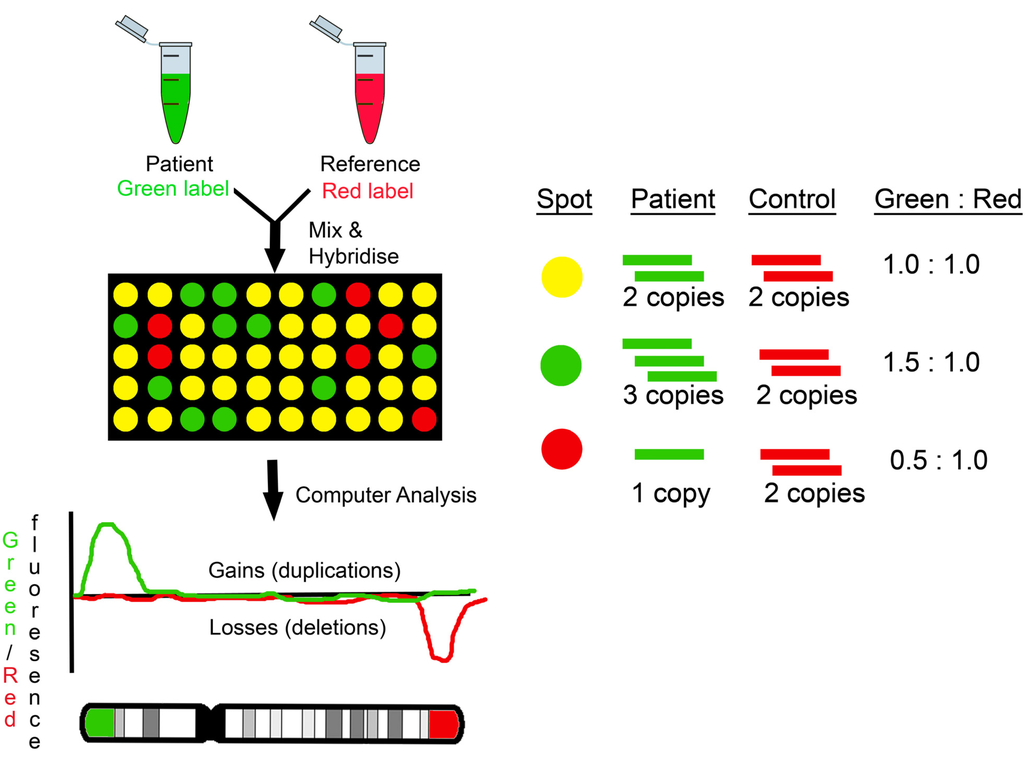 Fig. 4 Comparative Genomic Hybridisation (CGH) arrays.2
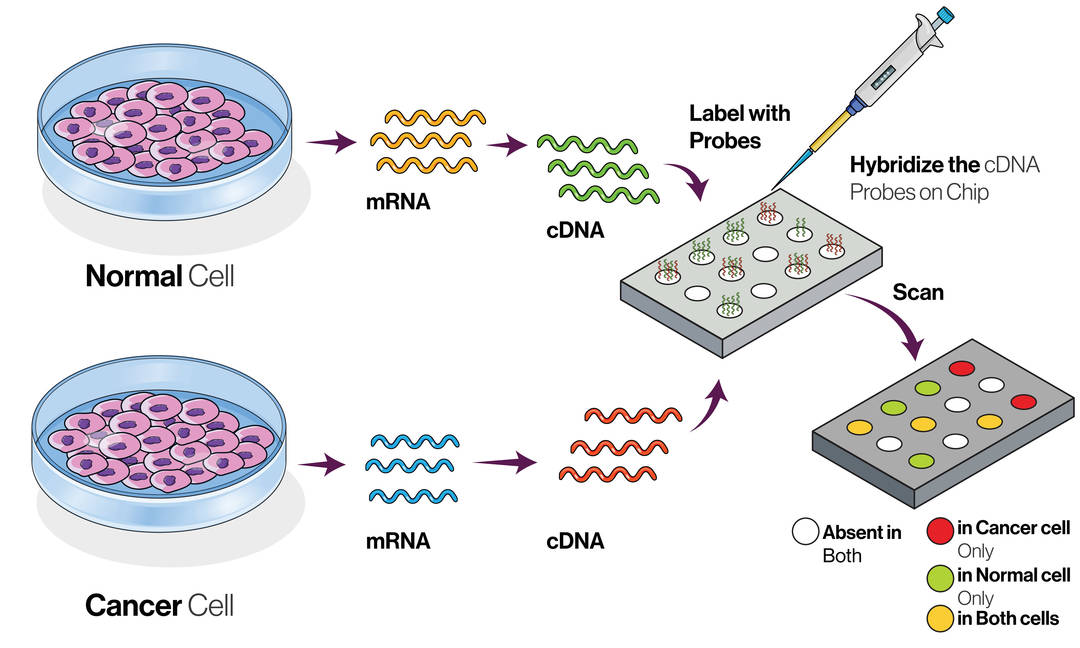
5. Microarray-based Tumor Profiling
A single microarray can examine thousands of genes simultaneously and is an invaluable tool to characterize gene expression in thyroid cancer. It helps to find molecular signatures and biomarkers that are important for diagnosis and prognosis. Identifying differences in gene expression among thyroid cancer subtypes, microarrays provide a window into the pathology of tumor growth and help tailor targeted treatment. That technology enables scientists to find therapeutic targets with a unique trait profile of thyroid cancer.

6. Single-cell RNA sequencing (scRNA-seq)
Single-cell RNA sequencing (scRNA-seq) enables the single-cell level gene expression to be investigated in detail and can help to understand the heterogeneity of thyroid cancer. The technology is particularly useful in detecting distinct cell populations within tumors and for understanding the evolution of tumors, immune cell responses, and the tumor microenvironment. scRNA-seq is an extremely efficient way to study tumor subclonal variation and to identify new therapeutic targets based on particular cell features of thyroid cancer.

7. Liquid Biopsy
Liquid biopsy is a non-invasive method for the diagnosis that takes DNA, RNA, or circulating tumor cells from bodily fluids such as blood. In thyroid cancer, liquid biopsy is used to find genetic changes and mutations that may be missed by traditional biopsy specimens. This technique is extremely helpful in following the progression of disease, identifying little residual disease, and monitoring patient response to treatment. Liquid biopsy is an easy, rapid method of monitoring genetic progression in the thyroid tumor and a critical component of clinical care.
Advances in Thyroid Tumor Profiling
New technologies and biomarker panels have revolutionized tumor profiling and provided a more complete picture of the molecular heterogeneity of cancers such as thyroid cancer. Such instruments allow accurate quantification of tumor cell populations, which can help scientists characterize tumor behavior and identify targets for treatment. We have a complete suite of profiling technologies in-house at Creative Biolabs for cancers like thyroid tumors, breast cancer, non-small cell lung cancer, colorectal cancer, etc. Our state-of-the-art platforms include biomarkers that can be used to identify signatures for cancer and help tailor therapies. Explore the following table for more information on the technologies and biomarker panels to profile more than 10 cancer types.
| Well-studied Biomarkers | ||||
|---|---|---|---|---|
| Technologies | Genetic | Chromosomal | Transcriptional | Proteomic |
| Thyroid Cancer | ||||
|
NGS FISH PCR IHC Microarray |
TP53 KRAS ERBB2/4 ALK ATM BRAF CDKN2A RET PIK3CA SMO CDKN2A PTEN SMAD4 HRAS CTNNB1 |
MET RET |
PD-L1 |
Pan-TRK PD-L1 |
| Breast Cancer | ||||
|
NGS ISH PCR IHC Microarray |
BRAF TP53 EGFR BRCA1/2 KRAS ERBB2/4 CDH1 MET CDK12 PTEN FGFR1/2/3 HRAS CHEK1/2 PIK3CA ATM |
MET PTEN |
HER2 ER PR |
PD-L1 22C3 Pan-TRK |
| Non-Small Cell Lung Cancer (NSCLC) | ||||
|
NGS FISH PCR IHC Microarray FC IF |
STK11 AKT1 EGFR BRAF KRAS ERBB2/4 TP53 MET FGFR1/2/3 CCND1 PTEN HRAS RB1 PIKЗCA ATM |
ALK MET PTEN RET |
VEGFA |
PD-L1 HER2 Pan-TRK |
| Colorectal Cancer | ||||
|
NGS FISH IHC FC LC-MS |
ALK AKT1 EGFR BRAF KRAS ERBB2/4 TP53 MET FGFR1/2/3 NOTCH1 PTEN ROS1 RB1 PIK3CA ATM |
ALK MET PTEN RET ROS1 |
PD-L1 |
PD-L1 HER2 Pan-TRK |
| Melanoma Cancer | ||||
|
NGS FISH PCR IHC Microarray FC |
AKT1 EGFR BRAF ERBB2/4 FGFR1/2/3 MET PDFFRA NRAS KIT CDK4 |
PTEN | MITF |
PD-L1 Pan-TRK |
| Pancreatic Cancer | ||||
|
NGS FISH PCR IHC Microarray |
Gene Variations KRAS TP53 SMAD4 CDKN2A RREB1 KDM6A RAC1 ARMET BRAF TGFBR2 ACVR1B MAP3K21 RAS ARMET RNF43 |
Chr 1~22 and Chr X, insertions, deletions, duplications, inversions and translocations |
MicroRNAs, Long noncoding RNAs, DNA methylation |
CA 19-9 |
| Brain Cancer | ||||
|
NGS ISH PCR IHC Microarray |
EGFR TP53 IDH1 EPHB2 APC MYC MLHI BAP1 SMAD4 COL4A1 ERBB2 HRAS AKT1 CDKN2B EPCAM |
CDKN2A(p16) deletion EGFR amplification MET amplification CDKN2A (p16) deletion |
ALK RAF1 BRAF ROS1 EGFR FGFR1 |
GFAP S100B |
| Ovarian Cancer | ||||
|
NGS FISH PCR IHC Microarray RT-PCR ELISA Whole Transcriptome Sequencing DNA Methylation |
CTNNB1 PRKN TP53 PIKЗCA OPCML AKTI CDH1 ERBB2 RRAS2 PARK2 BRCA1/2 STK11 CDKN2B EPCAM |
hyper- and hypo-methylation: OPCML DCR1 RASSF1A BRCA1 histone modification and miRNAs: Sirtuin-1 TGF |
Cytokines/Chemokines: MFAP2 SEMG2 DLK1 Pro-apoptotic Proteins: NTNG1 CA-125 ILs XCL1 Angiogenic factors: CXCL7 VEGF EGFR ErbB2 |
|
| Endometrial Cancer | ||||
|
NGS FISH PCR IHC Microarray FC IF RT-PCR ELISA |
BRAF PIKЗCA APC BRCA1/2 SMAD4 HRAS TP53 CDH1 EGFR EPCAM KIT PTEN ESR1 MSH2/6 NRAS PDGFRA SMO SMARCA4 ATM FGFR1/2/3 |
MET PTEN |
PD-L1 |
HER2 PDL1 |
| Head and Neck Cancer | ||||
|
NGS FISH PCR IHC Microarray IF ELISA |
PTEN TP53 PTEN KRAS EGFR CTNNB1 BRAF PIK3CA ERBB2 FGFR1/2/3 CDKN2A NOTCH1 AKT1 RB1 ATM |
MET PTEN RET |
PD-L1 |
Pan-TRK PD-L1 |
Get Customized Services →
Tumor Profiling in Thyroid Cancer Is Used for
Personalized Cancer Treatment
Tumor profiling enables researchers to develop personalized treatment strategies by identifying the specific mutations and molecular alterations driving an individual's thyroid cancer. NGS-based tumor profiling helps determine the most appropriate treatment options based on the patient's unique genetic profile, such as targeting specific genetic mutations with tailored therapies. Creative Biolabs offers a personalized cancer treatment service, which helps researchers identify mutation-specific therapies that can improve patient outcomes in thyroid cancer.
Learn More →Diagnostic Tool
Tumor profiling also serves as a valuable diagnostic tool for thyroid cancer. FISH-based profiling (e.g., FISH Tumor Profiling Service) can detect chromosomal abnormalities and gene fusions, while IHC-based profiling can provide insights into protein expression patterns. Together, these techniques enable early detection of thyroid cancer and can help distinguish between benign and malignant thyroid nodules.
Learn More →Biomarker Discovery
Tumor profiling plays a key role in biomarker discovery by identifying novel mutations, gene expression signatures, and non-coding RNAs that can serve as diagnostic, prognostic, and therapeutic markers. Biomarkers are essential for detecting thyroid cancer early, assessing patient risk, and selecting the most appropriate treatments. Creative Biolabs supports researchers in identifying and validating these biomarkers using advanced tumor profiling platforms.
Learn More →Prognostic Assessment
Tumor profiling enables researchers to assess the prognosis of thyroid cancer patients by identifying molecular alterations associated with disease progression, metastasis, and therapeutic resistance. Profiling gene expression and mutations through microarray-based tumor profiling (e.g., Microarray Tumor Profiling Service) provides valuable prognostic information, which can guide treatment decisions and improve patient outcomes.
Learn More →
Partner with 

FAQs
What is tumor profiling in thyroid cancer research?
Tumor profiling means the comprehensive molecular analysis of thyroid cancer tumors to identify genetic mutations, gene expression patterns, and other molecular alterations. It provides crucial insights into the tumor's biology, enabling personalized treatment strategies and facilitating early diagnosis and prognostic assessment.
How can Creative Biolabs help with thyroid cancer tumor profiling?
Creative Biolabs offers a wide range of tumor profiling services, including NGS-based profiling, IHC, and FISH. These services allow researchers to uncover key mutations, gene expression patterns, and molecular pathways involved in thyroid cancer, contributing to the discovery of novel biomarkers and therapeutic targets.
What are the key molecular targets for thyroid cancer therapy?
Some of the key molecular targets for thyroid cancer therapy include the BRAF V600E mutation, RET/PTC fusions, and the MAPK/ERK and PI3K/Akt pathways. Tumor profiling technologies can help identify these alterations, guiding targeted therapies.
How does tumor profiling support personalized treatment in thyroid cancer?
Tumor profiling helps identify specific genetic mutations and alterations in a patient's thyroid cancer, allowing researchers and clinicians to tailor treatment plans based on the tumor's molecular profile. This approach enhances the effectiveness of therapies and reduces the risk of resistance.
What is the role of immuno-oncology in thyroid cancer profiling?
Immuno-oncology focuses on how thyroid cancer tumors evade immune detection and resistance to immunotherapies. Tumor profiling helps identify immune-related biomarkers and signaling pathways, providing insights into potential immunotherapy targets.
References
- Broekhuis, Jordan M., et al. "Posttranslational modifications in thyroid cancer: implications for pathogenesis, diagnosis, classification, and treatment." Cancers 14.7 (2022): 1610. Distributed under Open Access license CC BY 4.0, without modification.
- Karampetsou, Evangelia, Deborah Morrogh, and Lyn Chitty. "Microarray Technology for the Diagnosis of fetal chromosomal aberrations: which platform should we use?" Journal of Clinical Medicine 3.2 (2014): 663-678. Distributed under Open Access license CC BY 3.0, without modification.
Related Services
Related Products
Online Inquiry
"As a researcher focused on thyroid cancer, finding the right biomarkers is critical for my work. Creative Biolabs' tumor profiling service helped us uncover novel gene expression signatures associated with tumor progression. Their use of multi-omics platforms allowed us to integrate genomic, transcriptomic, and proteomic data seamlessly, giving us a more holistic view of the tumor microenvironment. I am thoroughly impressed with their expertise."
—Dr. Emily S.
"Our research group was tackling thyroid cancer's heterogeneity, and Creative Biolabs' multi-platform tumor profiling provided the insights we needed to differentiate between subtypes. Their PCR-based profiling service was particularly useful in validating key mutations in BRAF and RET genes. The clarity of their reports and their willingness to engage in follow-up consultations has made them an indispensable partner in our research."
—Prof. Robert M.
"Working with Creative Biolabs has been a game-changer for our thyroid cancer research. Their FISH and IHC platforms enabled us to detect rare chromosomal fusions and protein markers that we had been unable to capture with traditional methods. Their team was always available to discuss results and help interpret complex findings. I look forward to continuing our collaboration on future projects."
—Dr. Olivia J.
"We've relied on Creative Biolabs for a comprehensive tumor profiling solution, and the results have far exceeded our expectations. Their microarray-based service offered a detailed expression profile, which was crucial for identifying potential biomarkers for early detection. The depth of analysis and the user-friendly format of their reports made our work much more efficient. Highly recommend their services."
—Dr. Thomas H.
"Creative Biolabs' tumor profiling services have been a vital part of our research into thyroid cancer immunotherapy. Their immune profiling helped us understand immune checkpoint expression and the tumor's interaction with the immune system. This information has helped shape our strategies for targeted treatments. I appreciate the speed and accuracy with which they delivered their analysis."
—Dr. Anthony C.