Whole Tumor Lysate DC Vaccine Construction & Fusion Platform
For many common malignancies, particularly carcinomas of epithelial origin, the full spectrum of tumor antigens remains incompletely characterized. Undefined antigen-based vaccines address this gap by harnessing whole tumor cells or their derivatives—lysates, exosomes, and heat shock protein (HSP) complexes—as antigenic sources. Unlike defined-antigen approaches that target single epitopes, these preparations deliver a broad repertoire of both shared tumor-associated antigens (TAAs) and tumor-specific antigens (TSAs), including neoantigens that the host may not have encountered. Creative Biolabs offers a comprehensive preclinical development platform covering every stage of undefined antigen vaccine production, from tumor cell conditioning and lysate optimization through DC loading, adjuvant formulation, and in vivo efficacy validation, ensuring that each vaccine candidate delivers the broadest possible antigenic coverage for robust polyclonal T cell activation.
Why Choose Undefined Antigen Sources for Cancer Vaccines?
The Advantage of Antigen Breadth
Undefined antigen preparations preserve the natural heterogeneity of tumor cells. Whole tumor cell (WTC) vaccines and their derivatives—lysates, HSP complexes, and exosomes—contain both TAAs and TSAs, reducing the risk of tumor immune escape through antigen loss. This multi-target strategy ensures that even if one antigen is downregulated, the immune system can still recognize and attack the tumor through alternative epitopes, a critical advantage over single-antigen approaches.
Whole tumor lysate-pulsed DC vaccines have been shown to outperform peptide vaccines based solely on in silico-predicted neoantigens in controlling tumor growth across multiple preclinical models, underscoring the value of comprehensive antigen coverage.
- Core Preclinical Challenges We Address:
- Optimizing tumor cell conditioning to enhance immunogenicity (ICD/DAMP release).
- Selecting the optimal antigen preparation format (lysate vs. HSP vs. exosome vs. whole cell).
- Achieving efficient DC loading and cross-presentation of undefined antigens.
- Overcoming immune tolerance to self-antigens present in undefined preparations.
Undefined vs. Defined Antigen Vaccine Strategies
| Key Comparison | Defined Antigen Vaccines | Undefined Antigen-Based Vaccines |
|---|---|---|
| Antigen Coverage | Limited to pre-selected epitopes; risk of antigen escape. | Broad repertoire of TAAs + TSAs; reduces immune escape. |
| Antigen Discovery Requirement | Requires prior identification of immunogenic epitopes. | No prior antigen identification needed; ideal for poorly characterized tumors. |
| T Cell Response Breadth | Typically biased toward single epitope-specific clones. | Polyclonal CD4+ and CD8+ T cell activation with epitope spreading. |
| Applicability | Limited to tumors with well-characterized antigens. | Applicable to any tumor type, including poorly characterized carcinomas. |
End-to-End Undefined Antigen Vaccine Service Modules
Our preclinical services span the entire undefined antigen vaccine development pipeline. Each module is fully customizable—from antigen preparation method to adjuvant selection—to align with your tumor model, species requirements, and research objectives.
Tumor Cell Conditioning & Antigen Preparation
Preparing immunogenic whole tumor cells and cell-derived materials with optimized stress conditioning.
- Cell Lysate Preparation: Freeze-thaw cycles, sonication, or oncolysate methods with controlled protein quantification.
- ICD Induction: Heat shock, hypochlorous acid treatment, or irradiation to trigger DAMP release (CRT, HMGB1, ATP).
- HSP Complexes: Purification of tumor-derived HSP-peptide complexes (gp96, HSP70) for cross-priming.
- Exosome Isolation: Ultracentrifugation or polymer-based purification of tumor-derived exosomes with antigen and HSP cargo.
Gene-Modified Tumor Cell Vaccines
Engineering tumor cells to secrete immunomodulatory molecules for enhanced vaccine potency.
- Cytokine Gene Modification: Transduction with GM-CSF, IL-2, or IFN-gamma genes to recruit and activate APCs.
- Costimulatory Molecule Expression: Introduction of CD80, CD86, or CD40L to provide direct T cell costimulation.
- Chemokine Engineering: Expression of CCL3, CCL20, or CXCL10 to enhance DC and T cell migration.
- Validation: Flow cytometry and ELISA confirmation of transgene expression and secretion levels.
DC-Tumor Fusion Cell Vaccine Construction
Generating hybrid cells combining DC antigen-presenting capacity with the full tumor antigen repertoire.
- Fusion Protocol: Polyethylene glycol (PEG)-mediated or fusogenic membrane glycoprotein-based DC-tumor cell fusion.
- Fusion Verification: Dual-fluorescence staining and flow cytometry for fusion efficiency assessment.
- HSP-Enriched Preparations: Isolation of HSP70 peptide complexes from fusion cells with elevated antigen cargo.
- Functional Validation: IFN-gamma ELISpot and mixed lymphocyte reaction to confirm T cell activation capacity.
Adjuvant Screening & Vaccine Formulation
Optimizing immunostimulatory adjuvants and delivery systems to maximize undefined antigen vaccine potency.
- TLR Agonists: Screening of poly(I:C) (TLR3), LPS derivatives (TLR4), imiquimod (TLR7), and CpG oligonucleotides (TLR9).
- Saponin-Based Adjuvants: QS-21 and haemocyanin carriers for Th1 and CD8+ T cell activation.
- Delivery Systems: Liposome encapsulation, biodegradable nanoparticles, and oil-based emulsions for sustained antigen release.
- Combination Optimization: Systematic adjuvant-antigen pairing to balance potency with safety in preclinical models.
Immunogenicity & Efficacy Evaluation
Comprehensive preclinical assessment of vaccine-induced antitumor immune responses and therapeutic efficacy.
- In Vitro Assays: DC-T coculture, IFN-gamma ELISpot, intracellular cytokine staining (ICS), and proliferation assays.
- In Vivo POC: Prophylactic and therapeutic tumor challenge studies in syngeneic and humanized mouse models.
- Immune Profiling: TIL analysis by flow cytometry, cytokine multiplex, and TCR repertoire sequencing.
- Combination Studies: Evaluation with immune checkpoint inhibitors (anti-PD-1, anti-CTLA-4) for synergistic efficacy.
QC & Data Package
Rigorous quality assurance and comprehensive data documentation for translational research.
- Antigen Characterization: Protein quantification, HSP content verification (western blot), and exosome marker profiling (CD9, CD63, CD81).
- Potency Assays: DC maturation markers (CD80, CD83, CD86, HLA-DR) and T cell activation readouts.
- Sterility & Safety: Endotoxin testing, mycoplasma screening, and pathogen detection for cell products.
- Full Data Report: Comprehensive documentation of preparation parameters, quality metrics, and efficacy outcomes.
Preclinical Undefined Antigen Vaccine Development Workflow
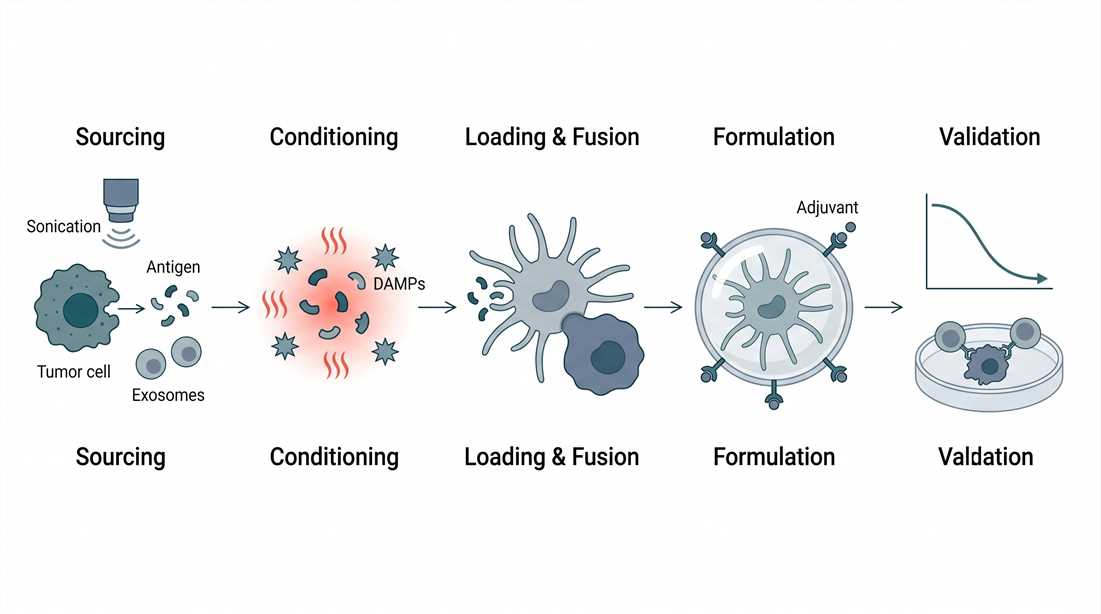
Phase 1 — Tumor Cell Sourcing & Antigen Preparation
Autologous or allogeneic tumor cells are sourced and processed into the appropriate undefined antigen format. Options include whole irradiated cells, freeze-thaw or sonication-derived lysates, oncolysates generated via lytic viruses, HSP-peptide complex purification, or tumor-derived exosome isolation. Protein content is quantified and antigen integrity verified.
Enabling Technologies for High-Potency Undefined Antigen Vaccines
Why Choose Creative Biolabs?
From whole tumor cells and lysates to HSP complexes, exosomes, and fusion cells—we support every undefined antigen format, selecting the optimal strategy for your tumor model and research goals.
Our tumor conditioning protocols are designed to maximize DAMP release and adjuvanticity, ensuring that undefined antigen preparations actively drive DC maturation rather than passively delivering antigens.
Each service module can be engaged independently or as part of an integrated pipeline, allowing researchers to select specific capabilities—from antigen preparation alone to full end-to-end development.
Every vaccine candidate undergoes thorough immunogenicity and efficacy testing with standardized readouts, providing the data foundation needed for informed translational decisions.
Research Insight: In Vivo Vaccination with Cell Line-Derived Whole Tumor Lysates – Neoantigen Quality Outranks Quantity
Key Preclinical Discoveries from the MMR-D Mlh1-/- Tumor Model
The preclinical study conducted by Salewski et al. (2020) provides a detailed side-by-side comparison of two autologous cell line-derived whole tumor lysates in the mismatch repair-deficient (Mlh1-/-) mouse model—resembling human Lynch syndrome. By evaluating two lysates with significantly different tumor mutational burdens (TMB)—the ultra-hypermutated 328 line (167 mutations/Mb) and the moderately mutated A7450 T1 M1 line (27 mutations/Mb)—the research reveals that the quality of neoantigens, rather than their sheer quantity, governs the therapeutic and prophylactic efficacy of cancer vaccines:
-
Disparity in Basal Cytokine Secretion Profiles: The moderately mutated A7450 T1 M1 cell line basally secretes elevated levels of immunostimulatory cytokines—including GM-CSF, IL-1β, and IL-18—which enhance natural killer (NK) cell cytotoxicity and drive protective helper Th1 cell polarization. Conversely, the ultra-hypermutated 328 line exhibits a prototypic immunosuppressive signature, secreting elevated levels of chemokines (MCP-1, MCP-3, and Eotaxin) associated with myeloid-derived suppressor cell (MDSC) recruitment.
-
Superior Prophylactic Protection & Elevated NK Activity: Repetitive prophylactic vaccination of mice with A7450 T1 M1 lysate achieved significantly prolonged cancer-free survival, extending median overall survival to 37 weeks, compared to 25 weeks for the 328 lysate and 22 weeks for untreated controls (p < 0.001). This survival benefit was accompanied by a marked expansion of circulating NK cells capable of recognizing autologous tumor targets and secreting IFN-γ in ELISpot assays.
-
Synergistic Antitumor Efficacy with Low-Dose Chemotherapy: Under therapeutic conditions, the A7450 T1 M1 vaccine prolonged survival to a median of 11 weeks and induced significant splenocyte activation. Sequential combination with low-dose Gemcitabine chemotherapy dramatically enhanced tumor growth control for both lysates, leading to stable disease and partial tumor remissions while significantly depleting systemic and splenic immunosuppressive MDSCs.
-
TME Remodeling & Immune Checkpoint Avoidance: Cryostat immunofluorescence revealed that successful immunization with the A7450 T1 M1 vaccine completely remodeled the tumor microenvironment (TME), suppressing the infiltration of CD11b+/Gr1+ MDSCs and F4/80+ tumor-associated macrophages (TAMs) while enriching tumors with CD11c+ DCs and CD8+ CTLs. In contrast, failed vaccine treatments (particularly 328) led to aggressive tumor infiltration by TAMs and a robust upregulation of immune checkpoint molecules LAG-3 and PD-L1 on intratumoral lymphocytes, whereas long-term responders avoided checkpoint expression entirely.
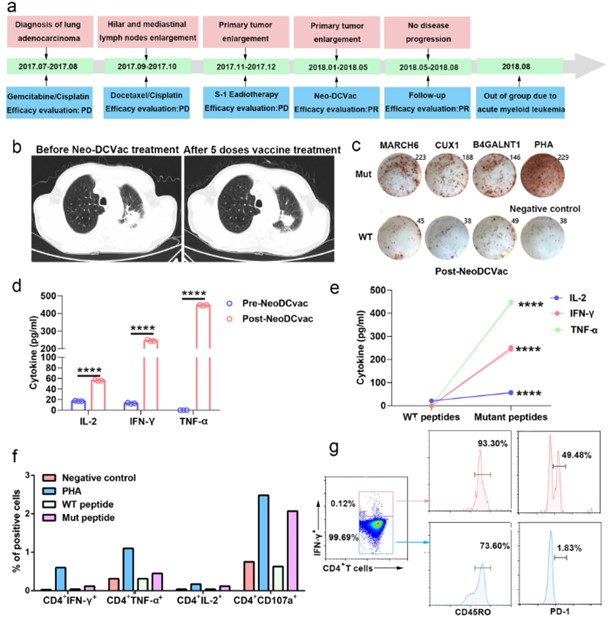
Fig.1 https://no1.img.hicloudapp.net/downimage.php?id=1607&part=5-5-3-2-4-3-whole-tumor-lysate-dc-vaccine-construction-and-fusion-platform-2604-2.jpg.1, 2